How to Keep Your Hands Warm Ice Fishing
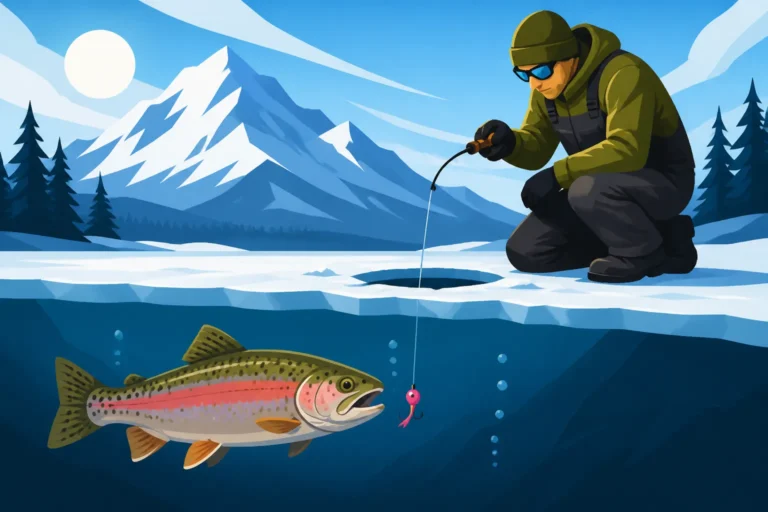
There's nothing quite like the crisp, silent solitude of ice fishing on a frozen lake in Washington, but that peaceful scene can quickly turn into misery if your hands aren't cooperating. Battling numb, aching fingers is a real struggle that can cut a fantastic day short, making it tough to tie knots, bait hooks, or even hold your rod. This guide is all about tackling that icy challenge head-on, sharing practical strategies and essential gear to keep your hands toasty and functional, no matter how cold it gets out there.
The Chilling Reality of Ice Fishing Hands
Before we dive into solutions, let's really understand why our hands become such frozen blocks when we're out on the ice. It’s not just a matter of "it's cold out." There's a science to the suffering, and recognizing these factors is the first step to beating them.
Why Your Hands Get So Cold So Fast
Your hands, with their relatively small mass and large surface area, are incredibly vulnerable to heat loss, especially in the extreme conditions of ice fishing. First and foremost, the sheer cold of the air, often well below freezing in places like Eastern Washington's Best Fishing Lakes, relentlessly saps warmth. Your body prioritizes keeping your core organs warm, which means blood flow to your extremities, like your fingers, can be reduced. Less warm blood circulating means colder hands.
Beyond the ambient temperature, moisture is a huge culprit. Think about it: you're drilling holes, handling wet fish, perhaps wiping snow off your gear, or even just dealing with condensation inside your gloves. Water conducts heat away from your body twenty-five times faster than air, meaning damp hands get cold much quicker. Even a little bit of moisture can be disastrous. Then there's the wind chill, which, even on a seemingly calm day, can slice through inadequate gloves, making the effective temperature feel dramatically lower.
Finally, inactivity plays a role. When you're sitting patiently over an ice hole, perhaps jigging for Kokanee in Washington Lakes, your hands aren't moving much. Movement generates heat, so a lack of activity combined with reduced blood flow from your core's heat-conservation efforts creates a perfect storm for frozen digits. Understanding these intertwined factors helps us appreciate why a multi-faceted approach is necessary.
Common Mistakes That Make Matters Worse
It’s easy to fall into traps that exacerbate cold hand problems, often without even realizing it. One of the biggest mistakes anglers make is choosing the wrong type of gloves. A single pair of bulky, heavily insulated gloves might seem like a good idea, but they can be cumbersome for tasks like tying knots or unhooking a fish. This leads to the inevitable—taking them off. Each time you expose your bare skin to the freezing air, you lose precious warmth, and it takes a lot of energy to get that warmth back.
Another common pitfall is neglecting to properly dry your hands. If you’ve handled a fish or even just reached into the icy water to clear a slushy hole, simply wiping your hands on your pants or a damp rag isn't enough. The residual moisture will quickly turn to ice against your skin, making your hands feel colder than ever. Similarly, putting wet gloves back on without properly drying them out is a recipe for disaster. It's like stepping into a cold bath with your clothes on – you'll just get colder.
Lastly, underestimating the importance of overall body warmth is a significant mistake. If your core body temperature starts to drop, your body will automatically shunt blood away from your hands and feet to protect your vital organs. This means that even with the best gloves, if the rest of you is chilly, your hands are going to struggle to stay warm. So, simply focusing on handwear without considering your full ensemble is a critical oversight.
Essential Gear for Warm Hands on the Ice
Alright, let's talk about the artillery you need in your cold-weather arsenal. It's not just about one magic glove; it's about a system that works together to provide warmth, protection, and functionality.
Layering Gloves: The Key to Flexibility and Warmth
Just like you layer your body clothing for variable weather, the same principle applies to your hands, especially when you're spending a day on the ice. A single pair of heavy gloves often forces a compromise: they're either too bulky for dexterity or not warm enough when you need it most. The layering system offers the best of both worlds.
Start with a thin, moisture-wicking liner glove. These are often made from merino wool or synthetic materials like polyester. Their job is to pull sweat away from your skin, which is crucial since moisture is such a heat robber. When you need to tie a knot or handle delicate tackle, you can slip off your outer gloves and still have a thin layer of protection. Many anglers find these indispensable for maintaining some dexterity.
Next comes your main workhorse glove or mitten. This layer provides the bulk of your insulation. Look for options with waterproof or highly water-resistant outer shells to fend off slush and splashes, coupled with good insulation like Thinsulate or down. Neoprene gloves can also be excellent for their waterproofing properties, especially if you expect to be handling a lot of wet gear. The choice between gloves (fingers separated) and mittens (fingers together) depends on your personal balance of dexterity versus warmth; mittens are generally warmer because your fingers share warmth.
Finally, consider an optional outer shell, especially if conditions are brutal with high wind or heavy snow. This could be a larger, completely waterproof mitt that slips over your main gloves, or even something like an ice fishing hand muff. This layered approach ensures that you can adjust your handwear to the task at hand and the changing conditions, keeping you comfortable for hours. You can find a vast array of options for all these layers on Amazon if you're looking to upgrade your setup.
Hand Warmers: Your Best Friends in Freezing Conditions
Sometimes, even the best gloves need a little help, and that's where hand warmers become truly indispensable. These small, mighty heat packets can make a huge difference in keeping your fingers from turning into ice cubes, especially during long periods of inactivity or when the temperature really plummets.
The most common type is the disposable air-activated hand warmer. These packets contain iron powder, activated carbon, and salt, which react with oxygen to produce heat for several hours. They're lightweight, inexpensive, and incredibly effective. The trick is to know where to place them: stick them in the palm of your gloves, near your fingertips, or even inside your pockets to warm your hands directly. Some anglers swear by placing them on the back of their wrists, over a major artery, to warm the blood flowing into their hands. This method can feel incredibly effective, warming your entire hand from the inside out.
For a more eco-friendly and reusable option, consider rechargeable electric hand warmers. These often use lithium-ion batteries and provide adjustable heat settings for several hours. While they require charging, they offer consistent, controllable warmth and can be a great investment for frequent ice anglers. Just remember to charge them fully before you head out! Both disposable and rechargeable varieties offer a fantastic boost when your hands are just starting to feel the chill. A quick search on Amazon will reveal countless brands and styles to choose from.
Beyond Gloves: Other Hand-Saving Accessories
While gloves are obviously paramount, there are other clever bits of gear that can significantly contribute to keeping your hands warm on the ice. These accessories create additional warmth zones and help manage the inevitable wetness that comes with ice fishing.
One fantastic item is an insulated hand muff. Think of it as a fuzzy, insulated pocket that hangs around your neck or waist. You can slip your hands (with or without gloves on) inside for instant warmth. This is especially useful when you're just sitting and waiting for a bite, as it provides a super-warm, wind-protected sanctuary for your hands without needing to fiddle with bulky gloves constantly. Many models even have exterior pockets for extra hand warmers or small tackle.
Another often-overlooked necessity is a good, absorbent towel or a few microfiber cloths. As we discussed, moisture is the enemy. Having a dedicated, dry towel handy to wipe off fish, clear ice from your line, or dry your hands thoroughly after a wet task can prevent a lot of discomfort. Keep it tucked away in a waterproof bag or pocket so it stays dry itself. Lastly, ensuring your outer jacket has insulated, easy-access pockets can serve as temporary hand warmers when you need a quick break from your gloves. These small additions can make a huge difference in your overall comfort level when you're out chasing fish.
Strategic Tips for All-Day Hand Warmth
It’s not just about the gear; it's also about how you use it and how you manage your body’s natural responses to the cold. A few smart strategies can keep you fishing happily for much longer.
Managing Moisture: The Silent Killer of Warmth
We can't stress this enough: wet hands get cold hands. Preventing moisture from reaching your skin, and dealing with it swiftly if it does, is absolutely critical for all-day hand warmth on the ice. Even a tiny bit of sweat inside your gloves can become a major issue once you stop moving, as that moisture rapidly cools.
First, invest in truly waterproof outer gloves or mittens. Look for materials like Gore-Tex or similar waterproof-breathable membranes. These are designed to keep external water out while allowing internal moisture (sweat) to escape, preventing that clammy feeling. However, no glove is completely infallible. If you have to reach into slush or water, be quick and deliberate. Don't linger with your hands exposed to the elements any longer than necessary.
Always carry at least two, preferably three, pairs of gloves or mittens. This way, if one pair gets soaked from handling fish or slush, you have a completely dry backup to switch into immediately. Trying to dry wet gloves on the ice is a losing battle, but having a spare means you can keep fishing comfortably. When you do switch, make sure to thoroughly dry your hands with a dedicated towel before putting on the dry pair. This simple practice can extend your comfort exponentially and is one of the most effective ways to combat the cold.
The Importance of Core Body Temperature
You might be focusing intently on your hands, but their warmth is inextricably linked to your overall body temperature. If your core starts to chill, your body’s natural survival mechanism kicks in, constricting blood flow to your extremities (like your fingers and toes) to conserve heat for your vital organs. This means that even with the best gloves, cold hands are almost guaranteed if the rest of you isn't warm.
Layering your clothing effectively from head to toe is crucial. Start with a good base layer that wicks moisture away from your skin, followed by insulating mid-layers like fleece or down, and topped with a waterproof and windproof outer shell. Don't forget a warm hat – you lose a significant amount of body heat through your head. Consider wearing insulated boots and thick wool socks to keep your feet warm as well, as cold feet can also contribute to cold hands.
Another excellent strategy is to bring a thermos filled with a warm drink, like hot coffee, tea, or broth. Sipping on something warm not only provides a comforting internal glow but also helps raise your core temperature, encouraging better blood flow to your hands. Even a hot meal packed in an insulated container can do wonders. By keeping your entire body comfortably warm, you're setting your hands up for success and fighting the cold from the inside out.
Movement and Circulation Hacks
Sometimes, despite all the gear and good intentions, your hands still start to feel the chill. This is often due to reduced blood flow, and that's where some simple movements can make a big difference. Keeping your circulation active is a fantastic way to generate natural warmth.
One easy hack is to simply wiggle your fingers inside your gloves. Make fists, then spread your fingers wide, repeating this motion. This small exercise helps pump blood into those cold digits. You can also try arm windmills – swinging your arms vigorously in large circles for a minute or two. This forces blood into your arms and hands, warming them up remarkably quickly. Just be mindful of your surroundings and any fellow anglers!
Avoid restrictive clothing, especially around your wrists and arms. Tight cuffs or sleeves can impede blood flow, acting like a tourniquet that prevents warm blood from reaching your hands. Ensure your layers are snug but not tight. If you're wearing fishing overalls or a bib, make sure the shoulder straps aren't too tight, which can restrict circulation higher up. Periodically, if safe to do so, stand up and walk around your ice fishing spot. Even a short stroll can get the blood pumping throughout your body, including your hands, bringing back that much-needed warmth and sensation.
Troubleshooting and Emergency Measures
Even with the best preparation, sometimes Mother Nature throws a curveball, or you simply hit a wall of cold. Knowing how to react when your hands are already freezing, and how to recognize more serious issues like frostbite, is vital for your safety and continued enjoyment of Ice Fishing on Washington's Eastern Lakes.
What to Do When Hands Are Already Freezing
The moment you feel that deep, painful chill settle into your fingers, it’s time to act quickly. Ignoring it will only lead to more discomfort and potential danger. The first priority is to stop the heat loss and start generating warmth.
If you have them, immediately activate and place hand warmers in your gloves or mittens, focusing on the palms or the back of your wrists. If you’ve brought a thermos, take a long, slow drink of something hot – coffee, tea, or even just hot water. This will start warming your core and encourage blood flow back to your extremities. If you have an ice shanty or a vehicle nearby, retreat to that shelter to get out of the wind and direct cold. Even a few minutes in a slightly warmer, enclosed space can make a huge difference in recovering your hand temperature.
If your hands are wet, remove the offending gloves, dry your hands thoroughly with a dedicated, dry towel, and then put on a completely dry pair. Remember that extra pair we talked about? This is exactly when you need it. If you're out with others, huddle together for shared body heat. Sometimes, simply putting your freezing hands into someone else's warm armpit or against their stomach can provide that critical initial warmth to get circulation going again. Don't hesitate to take a short break from fishing to focus solely on rewarming yourself.
Recognizing and Preventing Frostbite
While the goal is always to prevent extreme cold, it’s crucial to know the signs of frostbite, a serious condition that can occur when skin and underlying tissues freeze. Early recognition and proper action can prevent permanent damage.
Frostnip is the mildest form, where the skin becomes cold, pale, and numb, but without permanent tissue damage. Rewarming at this stage usually restores feeling and color. However, if left untreated, it can progress to superficial frostbite, where the skin becomes hard and waxy, and you might feel a burning sensation when it thaws. Blisters can form within 12-36 hours. Deep frostbite is the most severe, with skin turning white, waxy, or even blue-gray, and becoming completely numb. The tissue underneath may feel hard and frozen.
To prevent frostbite, consistently monitor your hands and fingers. If they start to look pale, waxy, or you lose feeling, get them warm immediately. Never rub frostbitten skin – this can cause further tissue damage. Instead, gently rewarm the affected area using body heat (like tucking hands into armpits) or warm (not hot!) water. Seek medical attention for anything beyond frostnip, especially if blistering occurs or numbness persists. Being vigilant about your comfort and taking breaks when needed, particularly when Washington Fishing Seasons: A Month-by-Month Guide reveals truly frigid conditions, is your best defense.
Hand Warming Methods Comparison
To help you choose the best approach for your next ice fishing adventure, here's a quick comparison of popular hand warming methods:
| Method | Pros | Cons | Best For |
|---|---|---|---|
| Layered Gloves | Versatile, adjustable warmth, good dexterity | Can be bulky, requires multiple pairs, potential for moisture buildup | All-day comfort, varying conditions, fine motor tasks |
| Disposable Hand Warmers | Inexpensive, readily available, consistent heat | Single-use, can run out, may not be enough for extreme cold | Quick boosts, targeted warmth, emergencies |
| Rechargeable Hand Warmers | Reusable, adjustable heat, eco-friendly | Requires charging, higher upfront cost, can be bulky | Regular use, reliable heat, environmental focus |
| Insulated Hand Muffs | Excellent passive warmth, wind protection, easy access | Less dexterity for active fishing, another item to carry | Sitting/waiting, providing a warm sanctuary |
| Warm Drinks | Internal warmth, comforting, boosts core temperature | Requires thermos, limited duration for warmth, not direct hand warming | Overall body warmth, psychological comfort |
Ultimately, the best strategy is often a combination of these methods, tailored to the specific conditions and your personal comfort needs. Don't be afraid to experiment to find what works best for you, ensuring your hands stay toasty on your next Washington ice fishing outing. Whether you're targeting trout or jigging for Kokanee, keeping your hands warm means you can focus on the fish, not the frostbite.
Remember that Jigging Through the Ice for Trout or any other ice fishing activity is much more enjoyable when your hands are warm and functional. Staying informed about regulations, especially during colder months, is always a good idea, so make sure you're up to date on Washington Fishing Regulations Every Angler Should Know.
Disclaimer
This article is for general informational purposes only and does not constitute professional advice. Laws, prices and regulations vary by location and change over time. Consult a qualified professional for guidance on your specific situation.