Fishing the Snake River for Steelhead in Washington
Trying to decipher the ever-changing regulations and find reliable information about fishing for steelhead on the Snake River in Washington can feel like you need a secret decoder ring. It’s a challenging, rewarding, and often complex fishery, and getting started or even planning a return trip can be daunting. This comprehensive guide is here to cut through the confusion, offering you an in-depth look at everything you need to know to successfully chase these magnificent chrome beauties on the Washington portion of the Snake River.
Understanding the Snake River's Unique Steelhead Fishery
The Snake River isn't just any river; it's a colossal system with a storied history, and its steelhead fishery is truly one-of-a-kind. When you hook into a Snake River steelhead, you're not just catching a fish; you're connecting with a creature that has defied immense odds, navigating hundreds of miles and multiple dams to return to its home waters.
The Journey of Snake River Steelhead: A Long Migration
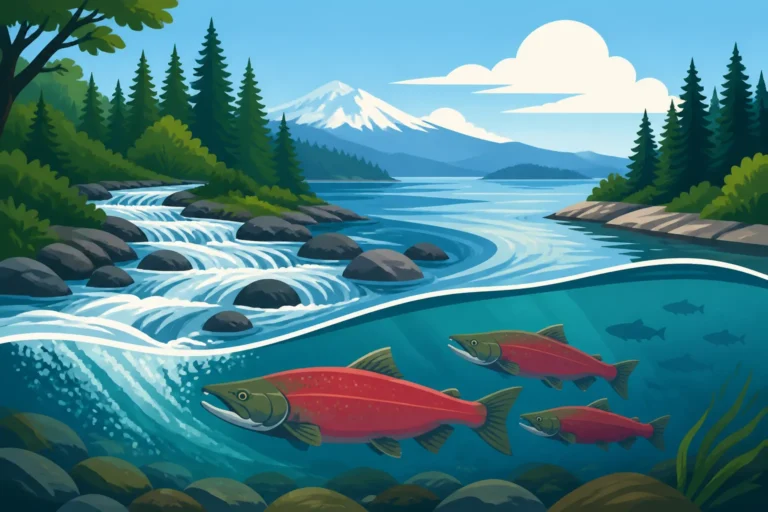
Imagine swimming from the Pacific Ocean, up the mighty Columbia River, and then turning east into the Snake River – a journey spanning over 400 miles for some fish. This incredible migration is what defines the Snake River steelhead. These are anadromous rainbow trout, meaning they're born in freshwater, migrate to the ocean to grow large, and then return to their natal rivers to spawn. The sheer distance they cover, often overcoming strong currents and the formidable gauntlet of dams, makes them incredibly powerful and resilient fighters. Anglers who target them often speak with reverence about the fish's stamina and the sheer will it takes for them to complete this epic journey. This long migration also means they spend significant time in freshwater before reaching their spawning grounds, making them a prime target for anglers throughout the fall and winter months.
Hatchery vs. Wild Steelhead: What You'll Find
On the Snake River, like many other systems in Washington, you’ll encounter both hatchery-reared and wild steelhead. The distinction is crucial, not just for conservation but for regulations. Hatchery steelhead are typically marked with a clipped adipose fin – that small, fleshy fin on their back between the dorsal and tail fins. This clip is done when they are juveniles before release. Wild steelhead, on the other hand, have an intact adipose fin. The purpose of hatchery programs is to supplement natural runs, provide angling opportunities, and reduce pressure on wild populations.
However, the interactions between hatchery and wild fish are complex, and regulations often reflect a delicate balance. It's not uncommon for fisheries to be "selective," meaning you can only retain hatchery-marked fish, and any wild fish caught must be carefully released. Knowing how to identify a wild steelhead vs. hatchery steelhead in Washington is paramount for staying legal and contributing to conservation. These hatchery fish are released as smolts and often imprinted on the water, returning to the same areas, providing a consistent, albeit managed, fishery.
The Impact of Dams: A Reality Check
It's impossible to talk about the Snake River steelhead fishery without addressing the elephant in the room: the extensive system of dams. The Snake River, particularly its lower reaches in Washington, is heavily dammed. Four lower Snake River dams – Ice Harbor, Little Goose, Lower Monumental, and Lower Granite – present significant challenges for migrating salmon and steelhead. These dams create slack water reservoirs and require fish to navigate fish ladders both upstream and downstream.
While fish passage facilities have improved over the years, the cumulative effect of these obstacles on fish survival, especially juveniles migrating to the ocean, is a major concern. For anglers, this means the fishery is often heavily managed, with run sizes closely monitored. The presence of dams also impacts water flow and temperature, which can influence fish behavior and distribution. Understanding that these fish have battled through so much just to reach your line gives you an even greater appreciation for every hook-up. The dams also concentrate fish at times, creating distinct fishing zones, but they also mean that the overall health of the run is a constant topic of discussion and conservation efforts.
Navigating Regulations and Seasons on the Snake River
Fishing the Snake River for steelhead requires more than just casting a line; it demands a keen understanding of the rules. Washington's fishing regulations can be intricate, and the Snake River, being a shared border water with Idaho and influenced by the Columbia River management, adds extra layers of complexity. Getting it wrong can lead to serious fines, so paying close attention to the details is non-negotiable.
Decoding Washington's Fishing Regulations for the Snake
The Washington Department of Fish and Wildlife (WDFW) is the authority here, and their regulations are your bible. The Snake River is typically covered under specific sections of the WDFW Sport Fishing Regulations pamphlet, often categorized by specific river sections or Marine Areas if you were talking about Puget Sound, but for the Snake, it's typically "freshwater" and tied to tributaries or mainstem sections. You'll need to pay close attention to general statewide rules, but also specific Snake River rules, especially concerning gear restrictions, bait allowances, and whether barbless hooks are required.
Remember, regulations can change quickly. Emergency rule changes: why Washington's rules shift mid-season are a common occurrence, especially for sensitive fisheries like steelhead, so always check the WDFW website for the very latest updates before heading out. Don't rely on last year's pamphlet or hearsay; verify everything. This means looking at the WDFW emergency rules page, which often gets updated weekly, or even daily, during peak seasons.
Understanding Season Openings and Closures
Steelhead seasons on the Snake River generally coincide with their fall and winter return migrations. The "fall" run typically refers to fish entering the river in late summer and fall, while the "winter" run refers to fish that spend winter in the river before spawning in spring. However, specific opening and closing dates, as well as daily limits and selective retention rules, vary significantly by river section and year. Some years might see extended seasons, while others might be closed early due to low returns.
For instance, certain tributaries or sections might open for hatchery steelhead retention while others remain strictly catch-and-release for wild fish. You might find different rules apply above and below certain dams, or even on different days of the week. It’s a checkerboard of rules, and anglers often keep a close eye on expected run forecasts provided by WDFW. Being informed about Washington Sport Fishing Seasons and Emergency Closures is your best defense against inadvertently violating a rule. The seasons are designed to manage harvest sustainably, ensuring enough fish make it to the spawning grounds while providing recreational opportunities.
Special Endorsements and Catch Record Card Requirements
To fish for steelhead on the Snake River in Washington, you'll need a valid Washington fishing license. For steelhead specifically, you'll also almost certainly need the Columbia River Salmon and Steelhead Endorsement, explained in detail elsewhere. This endorsement is a critical addition to your basic license, as the Snake is a major tributary of the Columbia. Without it, even with a valid license, you're not legally allowed to fish for or retain steelhead in these waters.
Furthermore, every angler who fishes for salmon or steelhead in Washington, including on the Snake River, is required to possess and properly fill out a Washington Catch Record Card. This card is not just for recording your catch; it's a vital tool for WDFW to monitor harvest rates and manage future seasons. You must record any retained steelhead immediately after landing it, ensuring you note the date, location, and species. Failing to fill it out correctly, or not possessing it, can lead to fines. Make sure you understand when a catch record card is required in Washington and how to properly complete it. These cards must be returned to WDFW by a specific deadline, even if you didn't catch anything, so they can gather comprehensive data on fishing effort.
Prime Fishing Zones and Access Points on the Washington Snake
The Washington portion of the Snake River offers a variety of fishing experiences, from powerful mainstem currents below the dams to slower, more accessible bank fishing areas. Knowing where to go and how to access these spots can make all the difference in your steelhead pursuit.
Key Sections Below the Dams
The areas immediately downstream from the four lower Snake River dams are often prime steelhead holding water. Fish congregate here as they prepare to navigate the fish ladders or rest after passing through. These spots, while popular, can be incredibly productive. For example, the waters below Ice Harbor Dam near Pasco and Burbank are well-known. These tailraces provide excellent current breaks, deep holes, and turbulent water that steelhead often favor. The access is generally good, with boat ramps and some bank access.
Further upstream, below Little Goose Dam, Lower Monumental Dam, and Lower Granite Dam, similar conditions exist. Anglers often target these areas, especially during peak migration periods, using jet boats to cover water or fishing from accessible banks. The current here can be very strong, so heavy gear is often required. These areas are also popular for test fisheries, where WDFW or tribal biologists assess run strength, sometimes influencing in-season rule changes. Being aware of these key sections can greatly improve your chances, as fish tend to pause and feed in these turbulent zones.
Popular Bank Access and Boat Launches
While jet boats offer incredible flexibility on the Snake, there are also numerous public access points for bank anglers. Many parks, boat launches, and public lands dot the river's edge, particularly near towns like Clarkston, Pomeroy, and the Tri-Cities area. For example, Lyons Ferry State Park, located at the confluence of the Snake and Palouse rivers, offers excellent bank access and a boat launch. Further upstream, areas around Boyer Park and Lower Granite Dam provide good public access.
When considering bank fishing, look for current seams, back eddies, and any structure that might break the current and provide resting spots for migrating steelhead. Bridges, jetties, and natural points can all hold fish. It’s always a good idea to scout an area beforehand, especially if you're new to it. Many of these access points are managed by state parks or the Army Corps of Engineers, offering facilities like restrooms and parking. While you might not cover as much water as a boat, dedicated bank anglers can still find great success by focusing on prime holding water. A great resource for exploring specific spots would be to check out FishingBooker for local guides who operate out of these popular access areas, as they often know the most productive bank spots.
Finding Those Secret Steelhead Holds
Beyond the obvious dam tailraces and well-known bank spots, the Snake River also has countless smaller seams, riffles, and deeper pools that can hold steelhead. These "secret" spots often require a bit more exploration, either on foot or by boat, but they can offer solitude and excellent fishing when other areas are crowded. Look for tributary mouths where cooler, oxygenated water enters the mainstem – these can be magnets for migrating fish. Depths along cut banks, submerged rock piles, and even slower side channels can provide ideal resting and feeding lies.
Using Google Earth or other satellite imagery can help identify potential holding water from above before you even step foot on the river. Pay attention to changes in water color, current speed, and bottom structure. A good fish finder can also reveal these hidden gems from a boat, showing you deep holes, ledges, and even individual fish. While guides often have their honey holes, a bit of persistence and keen observation can lead you to discover your own productive and less-frequented steelhead holds on the Snake River. Remember, steelhead are constantly on the move, but they will pause in areas that offer refuge and an opportunity to conserve energy.
Essential Gear and Techniques for Snake River Steelhead
Successfully landing a powerful Snake River steelhead requires the right tools and a solid understanding of effective techniques. These fish are strong, and the conditions on the Snake can be demanding, so having reliable gear and a versatile approach is key.
Rods, Reels, and Line: Building Your Steelhead Setup
For Snake River steelhead, a robust setup is essential. Most anglers opt for a medium-heavy to heavy power spinning or baitcasting rod, typically in the 9 to 11-foot range. This length provides the leverage needed to cast heavier weights, manage line in strong currents, and absorb the powerful runs of a steelhead. Longer rods are especially beneficial for techniques like bobber dogging or drift fishing, allowing for better line control and shock absorption.
Pair this with a quality reel – a spinning reel in the 4000-6000 size range or a baitcasting reel designed for heavy freshwater applications. Your reel should have a smooth, reliable drag system, as steelhead are notorious for long, blistering runs. For mainline, 15 to 20-pound test monofilament or fluorocarbon is common, but many anglers prefer 30 to 50-pound braided line for its sensitivity and strength, often adding a 15 to 20-pound fluorocarbon leader. When thinking about line, remember that clear water conditions might call for lighter, less visible leaders, while turbid water allows for heavier line. Understanding the best line weight for Washington steelhead can greatly enhance your success.
Popular Baits and Lures for the Snake
Steelhead on the Snake River respond to a variety of presentations. One of the most classic and consistently effective baits is cured salmon roe, often presented in small clusters or "roe bags." The natural scent and appearance are incredibly enticing to these migrating fish. Sand shrimp, live or cured, are another fantastic option, mimicking a natural food source. Artificial baits like Corkies for steelhead and how to rig them, drift bobbers, and yarn ties are also highly popular, often tipped with a piece of roe or scent.
For lures, consider brightly colored steelhead jigs fished under a bobber, especially in slower-moving water or deeper holes. Spinners and spoons, like the traditional Blue Fox Vibrax or Little Cleo, can be deadly when cast and retrieved through current seams, mimicking wounded baitfish. Plugs, such as Brad's KillerFish or Kwikfish, are excellent for back-trolling from a boat, diving deep and wobbling enticingly in the current. Always check local regulations to ensure your chosen bait or lure is legal for the section you're fishing. Experimentation is often key, as what works one day might not the next.
Effective Fishing Methods: Drift, Bobber, and Spey
Anglers employ several proven methods to target Snake River steelhead:
- Drift Fishing: This is a classic and highly effective technique. It involves using minimal weight (pencil lead, slinkies, or hollow-core lead) to bounce your bait or lure along the bottom, allowing it to "drift" naturally with the current. This method is incredibly effective for covering water and presenting your offering right in the steelhead's strike zone. Learning how to drift fish with beads for steelhead or natural baits is fundamental for many river anglers.
- Bobber Fishing (Float Fishing): Ideal for presenting jigs, bait, or soft beads at a precise depth, especially in slower, deeper runs or along current seams. A large, high-visibility bobber is used to suspend your offering, allowing it to drift naturally without snagging the bottom. This method is often called "bobber dogging" in faster currents when a small amount of weight is added to allow the bobber to "dog" or move slower than the current.
- Plunking: This static method involves casting a heavy weight with a lure or bait out into a current seam and letting it sit on the bottom. Fish migrating upstream will often intercept the offering as they move. It’s particularly popular for bank anglers in specific high-traffic areas. You can learn more about how to plunk for salmon on a Washington river, as the technique is quite similar for steelhead.
- Spey Fishing: For the fly-fishing purist, Spey casting allows anglers to cover large amounts of water with two-handed rods, presenting flies (often weighted intruders or leeches) in a swing across the current. It's a highly technical but incredibly rewarding method, connecting anglers directly to the river and the fish. While less common than gear fishing on the Snake, it certainly has its dedicated followers.
Each technique has its time and place, and successful Snake River steelhead anglers are often adept at several, adapting to water conditions and fish behavior.
Seasonal Strategies for Chasing Snake River Steelhead
The Snake River offers steelhead opportunities throughout the fall, winter, and into early spring, but the tactics, locations, and even the type of fish you'll encounter can shift significantly with the seasons. Adapting your approach to the time of year is crucial for consistent success.
Fall Steelhead: Early Runs and Hot Action
The fall season, typically starting in late September and running through November, marks the arrival of the first wave of Snake River steelhead. These early-run fish are often some of the hottest and most aggressive biters, fresh from their ocean journey and still relatively unpressured. Water temperatures are usually still mild, which means fish are active and willing to chase.
During the fall, targeting areas just below the dams, as well as the mouths of major tributaries, can be highly productive. These fish are pushing upstream, and they'll often hold in classic runs, riffles, and current seams. Both drift fishing with roe or artificial eggs and casting hardware like spinners and spoons can yield excellent results. Back-trolling plugs from a boat is also a go-to technique, as it covers water efficiently and presents a highly visible, aggressive offering. The fall weather can be a mix of warm days and crisp mornings, making for comfortable fishing, but always be prepared for sudden changes. This is often the time when you'll find larger numbers of fish in the lower river sections.
Winter Steelhead: The Patient Angler's Reward
As fall transitions into winter, from December through February, the steelhead fishery on the Snake River typically settles into a slower, more deliberate pace. Water temperatures drop, and the fish tend to become less aggressive, often holding in deeper, slower pools and seeking thermal refuge. While the numbers of fish caught might decrease, the quality can be outstanding, with larger, stronger fish often making up the winter runs.
This is the season for patience and precision. Drift fishing with natural baits like cured roe or sand shrimp becomes even more critical, ensuring a slow, natural presentation right on the bottom where lethargic steelhead are likely to be holding. Bobber fishing with jigs or small bait can also be very effective in these deeper, calmer stretches. Anglers will often focus on finding those distinct holding pockets – deep eddies, current breaks, and sheltered areas away from the main flow. The cold weather demands proper layering and good rain gear, but for those willing to brave the elements, winter steelhead can offer some of the most memorable battles. Remember, fish conserve energy in cold water, so a perfect, subtle presentation is key.
Spring Steelhead: Last Chance Opportunities
By March and into early April, the Snake River steelhead season begins to wind down as the fish prepare for spawning or have already completed it. However, this can still be a productive time for anglers, especially for "post-spawn" or "kelts" (fish that have spawned and are heading back to the ocean) and late-arriving winter fish. Water temperatures begin to rise, and increasing daylight can re-energize fish.
During the spring, fishing pressures often lessen, providing more solitude. Focus on areas where fish might be staging before or after spawning, or where they can recover their strength. While not as numerous as during the peak fall run, spring can offer a chance at very large, robust steelhead that have completed their spawning duties. Drift fishing and bobber-dogging remain effective, and as water temperatures creep up, aggressive lures like spinners might become more productive again. Always check the latest regulations, as many areas will begin to close or become catch-and-release only to protect spawning fish. It's truly your last chance at winter-run fish before they disappear until the next migration.
Common Challenges and How to Overcome Them
Fishing the Snake River for steelhead, while incredibly rewarding, comes with its own set of challenges. From fluctuating water conditions to crowded spots and ever-changing rules, being prepared for these hurdles will significantly increase your enjoyment and success.
Dealing with Water Conditions: Flow, Clarity, and Temperature
The Snake River is a large, dam-controlled system, meaning its flow, clarity, and temperature can fluctuate dramatically. High flows, often due to dam releases or heavy rains, can make fishing difficult by increasing current speed and reducing clarity. In these conditions, fish tend to move to slower seams and eddies, and bolder, more visible presentations (larger baits, brighter lures, heavier weights) are often more effective. Conversely, low, clear water can make fish wary, requiring lighter leaders, smaller baits, and more subtle presentations.
Water temperature is another critical factor. Colder water in winter typically means less active fish that prefer slower, deeper holding water and a more natural drift. Warmer water in fall can mean more aggressive fish spread throughout faster runs. Always check USGS stream gauges for real-time flow data and consider investing in a water thermometer. Learning how water clarity affects steelhead fishing is a skill developed over time, but always remember to adjust your approach based on what the river is giving you. For example, if the river is blown out, knowing what changes when a Washington river is blown out can help you decide if it's even worth going.
Crowds and Etiquette: Sharing the Water
The Snake River steelhead fishery can be incredibly popular, especially during peak fall runs and on weekends. This means you’ll often be sharing the water with other anglers, whether you’re fishing from the bank or a boat. Crowded conditions can sometimes lead to tension, but practicing good angling etiquette ensures a more pleasant experience for everyone.
- Respect personal space: Give other anglers plenty of room, especially when casting. Don't crowd a productive hole.
- Take turns: If a spot is hot, and multiple anglers want to fish it, establish a rotation.
- Limit your drift length: If drift fishing, don't make excessively long drifts that interfere with anglers upstream or downstream.
- Be mindful of boat traffic: If bank fishing, be aware of boats, and if boating, give bank anglers a wide berth.
- Keep noise down: Loud music or shouting can spook fish and disturb the peace for others.
Remember, everyone is out there to enjoy the experience. A friendly wave and mutual respect go a long way in fostering a positive fishing community. If you prefer solitude, consider fishing during weekdays, early mornings, or exploring less-frequented access points, or even booking a guided trip through a service like FishingBooker where your guide will manage the crowds.
Adapting to Changing Regulations
As mentioned earlier, Washington's fishing regulations, especially for steelhead, are not static. Conservation needs, run forecasts, and tribal agreements can lead to in-season closures, gear changes, or modifications to bag limits. This can be incredibly frustrating for anglers who have planned trips months in advance, but it's a reality of managing a complex wild resource.
The best way to overcome this challenge is to stay informed. Regularly check the WDFW website for emergency rule changes. You can also sign up for email alerts or follow WDFW on social media. Many local tackle shops and guides also provide up-to-the-minute information. If a regulation changes mid-trip, adapt your plan or consider targeting different species if the steelhead season closes. Understanding in-season emergency rule changes in Washington, explained, helps you understand the 'why' behind the changes, making them less frustrating. Always have a backup plan, whether it's another section of the river, a different target species like smallmouth bass, or simply enjoying the scenic beauty of the Snake.
Conservation Efforts and Ethical Angling on the Snake
Steelhead populations on the Snake River face significant challenges, and every angler has a role to play in their conservation. Engaging in ethical angling practices isn't just about following the rules; it's about actively contributing to the long-term health and sustainability of this incredible fishery.
Practicing Catch-and-Release for Wild Fish
One of the most critical aspects of ethical angling on the Snake River is the responsible practice of catch-and-release, especially for wild, unmarked steelhead. When a fishery is designated as "selective," meaning only hatchery-marked fish can be retained, wild fish must be released unharmed. Even in non-selective fisheries, many anglers choose to release wild fish to support breeding populations.
To maximize survival rates for released fish:
- Minimize fight time: Use appropriate gear to land fish quickly.
- Keep them wet: Avoid removing the fish from the water entirely.
- Handle gently: Support the fish horizontally, avoiding squeezing vital organs.
- Use barbless hooks: This makes hook removal quicker and causes less damage. Are barbless hooks required on the Skykomish, for instance? Rules like these apply to many steelhead rivers.
- Revive properly: Hold the fish gently in the current until it can swim away under its own power.
Every wild fish successfully released has the potential to spawn and contribute to future generations, reinforcing the importance of proper handling.
Understanding Selective Fisheries
Selective fisheries are a cornerstone of modern steelhead management. They allow for angling opportunities on abundant hatchery populations while providing critical protection for fragile wild runs. On the Snake River, it is common to have rules that specify "Hatchery steelhead only," where you must release any fish with an intact adipose fin.
These fisheries rely heavily on angler compliance. Misidentifying a fish, or intentionally retaining a wild steelhead, not only carries legal penalties but also undermines the conservation goals of the WDFW. Being able to clearly distinguish between wild steelhead vs. hatchery steelhead in Washington is a fundamental skill. Take the time to learn the physical differences and carry a copy of the regulations to double-check if you're unsure. By adhering to selective fishing rules, anglers directly contribute to the recovery and persistence of wild steelhead populations.
Supporting Steelhead Recovery
Beyond individual angling practices, there are broader ways to support Snake River steelhead recovery. This includes advocating for habitat restoration projects, participating in citizen science initiatives, and supporting organizations dedicated to fish conservation. Understanding the complexities of the ecosystem, including the impact of dams and other environmental factors, empowers anglers to be more effective stewards.
Many local conservation groups actively work on projects to improve spawning grounds, reduce stream temperatures, and advocate for fish passage solutions. Even something as simple as proper disposal of fishing line and trash helps maintain healthy aquatic environments. By being informed, responsible, and engaged, Snake River steelhead anglers become vital partners in the ongoing effort to ensure these magnificent fish continue their epic journey for generations to come. Your passion for fishing can be a powerful force for good.
Beyond Steelhead: Other Species and Activities on the Snake River
While steelhead fishing is a primary draw, the Snake River in Washington offers a diverse range of angling opportunities and other recreational activities. Don't limit yourself – explore the river's full potential, especially during times when steelhead runs are slow or regulations are restrictive.
Targeting Smallmouth Bass and Walleye
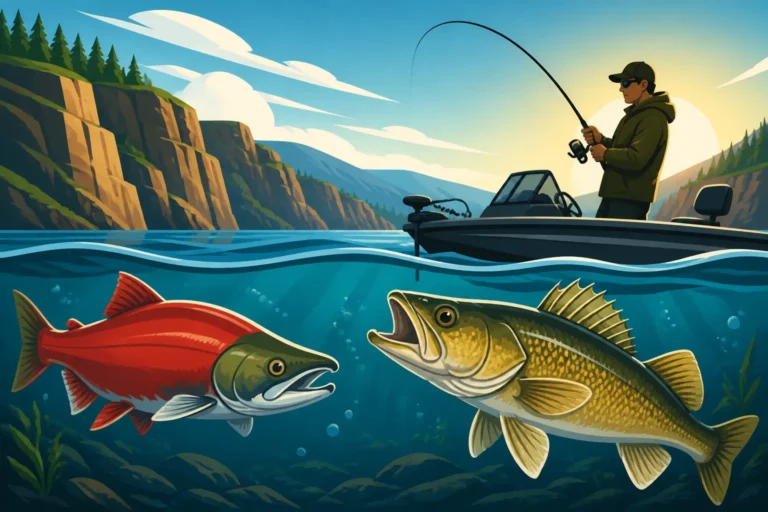
The warm, slack-water reservoirs created by the dams on the Snake River are ideal habitats for warm-water species like smallmouth bass and walleye. These fisheries provide excellent action, often during the hotter summer months when steelhead fishing is closed or slow. Smallmouth bass are aggressive fighters, and the Snake River holds some genuinely large specimens. They can be found around rocky points, submerged structure, and riprap banks. Popular techniques include casting crankbaits, jigs, plastic worms, and spinnerbaits.
Walleye are another highly prized species, known for their delicious white flesh. They often inhabit deeper water, especially during the day, and can be caught by trolling with crankbaits, bottom bouncers with worms or spinner rigs, or jigging with soft plastics. The areas around Boyer Park and upstream towards Clarkston are known for good walleye fishing. These species offer a fantastic alternative to steelhead, providing year-round angling opportunities and a different kind of challenge. You can learn more about how to catch smallmouth bass in Eastern Washington, as the techniques are very similar.
Sturgeon Fishing Opportunities
The Snake River, as a major tributary of the Columbia, also holds populations of white sturgeon, one of the largest freshwater fish in North America. Sturgeon fishing in Washington is primarily catch-and-release to protect these long-lived, prehistoric giants. However, the opportunity to hook into a fish that can easily exceed six feet in length is an experience unlike any other.
Anglers typically target sturgeon using heavy gear, strong braided line, and large circle hooks baited with oily fish parts (like smelt, herring, or shad). The key is to anchor in deeper holes or channels and wait for a bite, which can range from a subtle tap to a powerful rod-bending pull. Remember that sturgeon fishing has strict regulations, including size limits (even for catch-and-release), gear restrictions, and mandatory release practices. Always consult the WDFW regulations for the specific section of the Snake River you plan to fish. It's an unforgettable battle that demands respect for the fish.
Enjoying the River's Natural Beauty
Beyond the thrill of the catch, the Snake River itself offers a stunning backdrop for outdoor recreation. The canyon lands, diverse wildlife, and dramatic geology make it a beautiful place to spend time, whether you're fishing or not. Consider combining your fishing trip with other activities:
- Wildlife Viewing: Keep an eye out for bald eagles, ospreys, deer, and a variety of waterfowl that frequent the riverbanks.
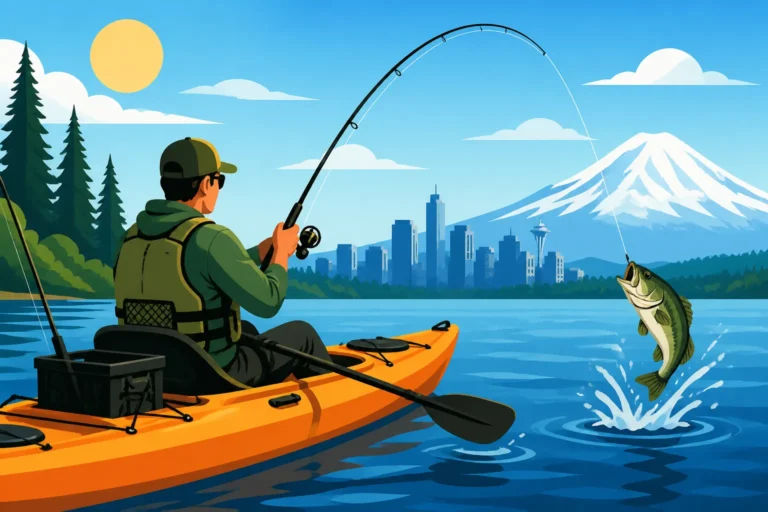
- Boating and Kayaking: Explore the expansive reservoirs by boat or paddle a quieter section in a kayak or canoe.
- Hiking: Many access points offer nearby hiking trails with incredible views of the river and surrounding landscape.
- Camping: Numerous campgrounds along the river provide excellent overnight options, allowing you to immerse yourself fully in the natural environment.
Even on days when the fish aren't biting, the sheer grandeur and ecological richness of the Snake River make any trip worthwhile. Taking a moment to appreciate the river's history, its challenges, and its enduring beauty adds a deeper dimension to the angling experience. You might even find a local guide on FishingBooker who offers multi-species trips or scenic tours, allowing you to experience more of what the Snake has to offer.
| Season | Primary Target Species | Key Techniques | Recommended Baits/Lures | Typical Water Conditions | Challenges & Notes |
|---|---|---|---|---|---|
| Fall | Steelhead | Drift, Back-troll, Spinners | Cured roe, Sand shrimp, Plugs (Kwikfish, Wiggle Wart), Spinners (Blue Fox) | Mild temp, moderate flow | Active fish, can be crowded. Check for early closures on wild fish. |
| Winter | Steelhead | Drift (slow), Bobber, Jigs | Cured roe, Sand shrimp, Soft beads, Marabou jigs | Cold temp, often clear | Slower bite, requires patience, precise presentation. Dress warmly. |
| Spring | Steelhead (late/kelts), Smallmouth Bass, Walleye | Drift, Bobber, Casting (bass/walleye) | Cured roe, Worms, Jigs, Crankbaits, Soft plastics | Rising temp, variable flow | Steelhead rules winding down, focus shifts. Bass/walleye pick up. |
| Summer | Smallmouth Bass, Walleye, Sturgeon (C&R) | Casting, Trolling, Bottom fishing | Crankbaits, Jigs, Worms, Smelt (sturgeon) | Warm temp, low flow | Prime for warm-water species. Steelhead season closed. Sturgeon C&R only. |
Disclaimer
Fishing conditions and regulations in Washington State can change rapidly due to emergency rule changes, conservation efforts, and natural events. While this guide provides comprehensive information, it is imperative that anglers always consult the official Washington Department of Fish and Wildlife (WDFW) regulations and emergency updates before heading out on the water. This content is for informational purposes only and should not be considered a substitute for official WDFW publications.