Test Fisheries in Washington, Explained in Plain English
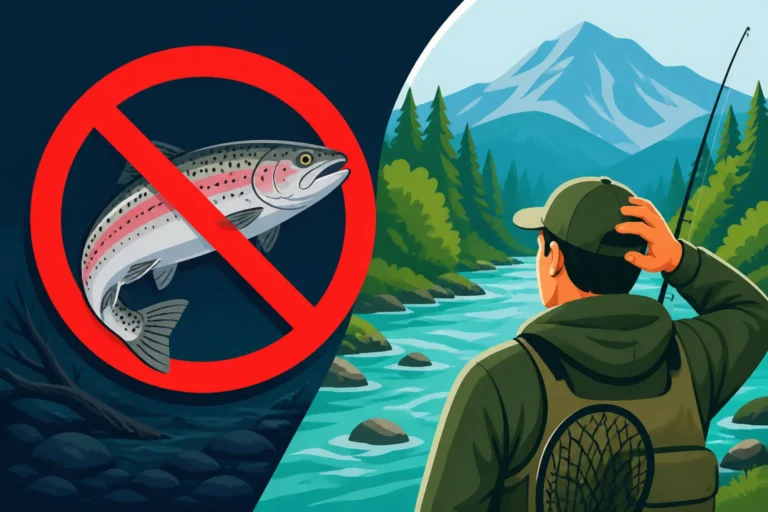
It's incredibly frustrating when you've planned a fishing trip for weeks, only to wake up and find the season for your target species has suddenly changed or closed. This mid-season rule shifting often feels arbitrary, but it’s actually driven by a crucial process known as "test fisheries." This guide will break down what test fisheries are, why they're necessary, and how their results directly influence whether you get to cast a line or have to pack up and head home.
What Exactly Are Test Fisheries in Washington?
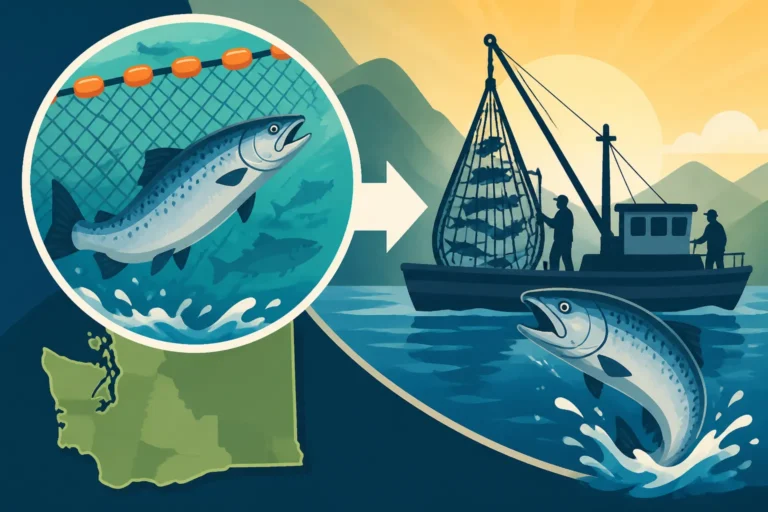
When we talk about "test fisheries" in Washington State, we're not just referring to a few folks out trying their luck. These are highly structured, scientifically driven operations designed to gather real-time data on fish runs, primarily salmon and steelhead, as they migrate through specific waterways. Think of them as the eyes and ears of fishery managers, providing critical intelligence that helps protect fish populations while also trying to provide angling opportunities.
More Than Just "Counting Fish"
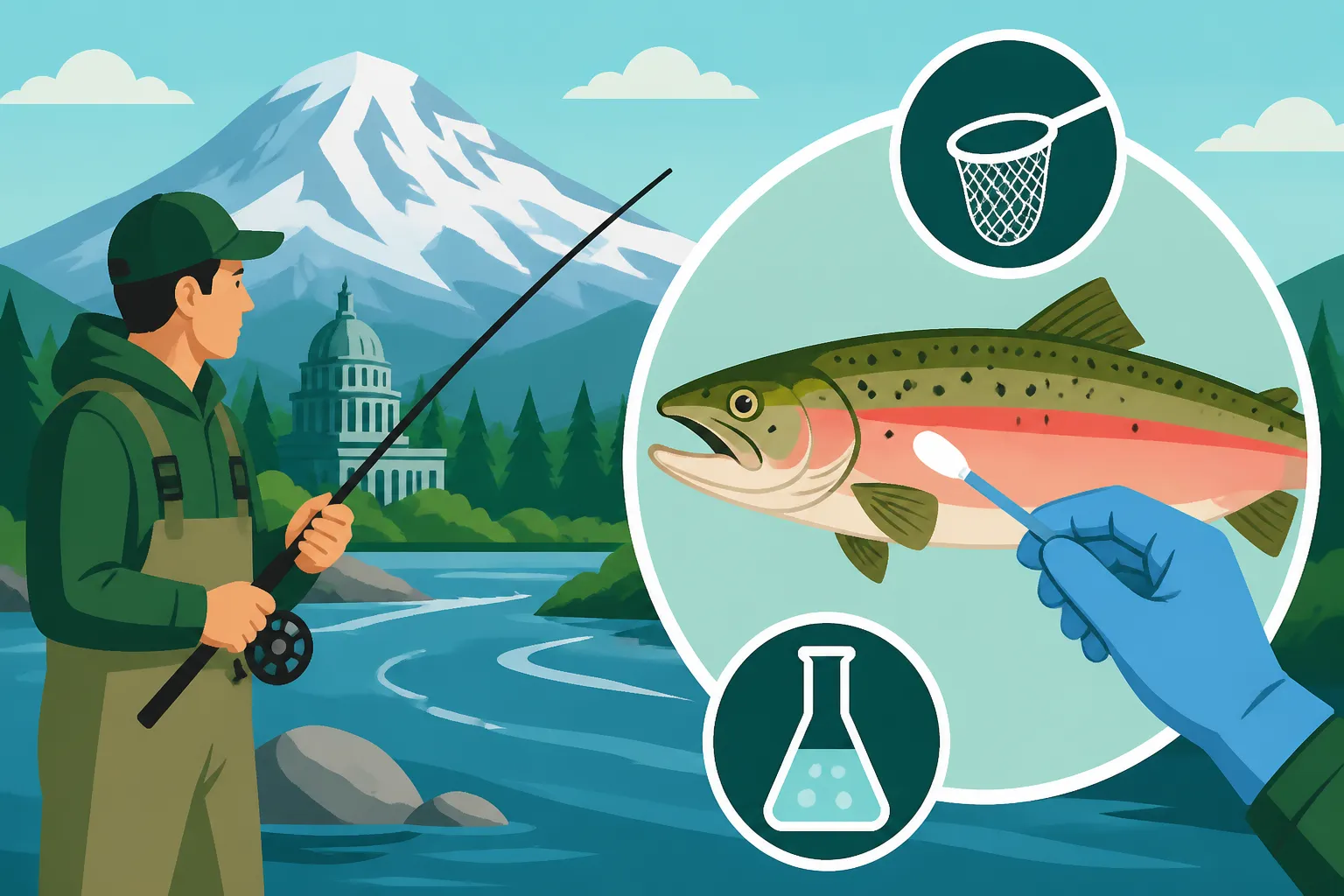
While a primary goal of test fisheries is indeed to count fish, it's far more nuanced than that. It's about getting a snapshot of the run's strength, species composition, and genetic origin (hatchery vs. wild). For instance, in a specific area of the Columbia River, a test fishery might be designed to catch a sample of passing Chinook and Coho salmon. Each fish caught is carefully examined: length, weight, species, presence or absence of an adipose fin (indicating a hatchery fish), and sometimes even a tissue sample for genetic analysis. This data isn't just a simple tally; it provides crucial insights into how many fish are expected to arrive at their spawning grounds, how many are hatchery-bound, and how many are wild fish needing protection. Without this detailed information, managing fisheries would be like navigating a ship blindfolded, constantly risking overharvest or missing opportunities.
Who Conducts These Fisheries?
Test fisheries in Washington are a collaborative effort, primarily conducted by the Washington Department of Fish and Wildlife (WDFW) in conjunction with treaty Indian tribes. This co-management framework is enshrined in law and requires close cooperation to ensure sustainable fisheries for all. Sometimes, commercial fishing fleets are also involved, especially in areas like the lower Columbia River or certain Puget Sound marine areas. These commercial vessels, often operating under specific permits, use their gear to collect data, which is then meticulously recorded and reported. This partnership is vital because tribal fishers have a profound historical and cultural connection to these resources, and their involvement ensures a holistic approach to management. These efforts directly influence policies laid out in the comprehensive guide, "Washington Fishing Regulations Every Angler Should Know."
Where and When Do They Happen?
Test fisheries are strategically located in key migratory corridors where fish concentrate, making it easier to sample a representative portion of the run. You'll often hear about them in places like:
- The Lower Columbia River: Near Ilwaco and Buoy 10, particularly for incoming salmon runs during peak season. This area is critical as it's the gateway for millions of salmon and steelhead heading up the Columbia and its tributaries.
- Puget Sound Marine Areas: Locations like Admiralty Inlet (Marine Area 9) or the San Juan Islands often see test fisheries targeting salmon as they enter and move through Puget Sound before heading to their natal rivers.
- Specific River Mouths: Sometimes, test fisheries are deployed near the mouths of major rivers like the Cowlitz or Skagit to assess local run strength.
The "when" is just as important as the "where." Test fisheries are activated right before or during peak migration periods for target species. For example, Columbia River test fisheries for summer Chinook and sockeye might begin in late June or early July, while test fisheries for fall Chinook and coho would ramp up in August. These operations run almost continuously, sometimes multiple times a week, throughout the season to provide up-to-the-minute data. Knowing "Washington Fishing Seasons: A Month-by-Month Guide" can give you a general idea of when different species are expected, but test fisheries provide the exact, dynamic timing.
Why Test Fisheries Are So Crucial for Washington's Fisheries Management
It’s easy to feel like test fisheries are just another bureaucratic layer, especially when they lead to a sudden closure. But understanding their underlying purpose reveals their absolute necessity in today's complex fishery landscape. They are the backbone of adaptive management, allowing fishery managers to make informed decisions in real-time, often literally day by day.
Real-Time Data for Adaptive Management
Imagine trying to manage a restaurant with no idea how many customers are coming, how much food you have, or what ingredients are spoiled. That's essentially what fishery managers would face without test fisheries. These operations provide real-time data on the abundance and health of fish runs. If early test fishery results show a run is weaker than predicted, managers can quickly implement "Emergency Rule Changes: Why Washington's Rules Shift Mid-Season," reducing harvest pressure to ensure enough fish make it to the spawning grounds. Conversely, if a run is unexpectedly strong, they might be able to extend a season or increase bag limits, providing more opportunity for anglers. This isn't about guesswork; it's about responsive, data-driven decision-making.
For instance, the "Columbia River Salmon and Steelhead Endorsement, Explained" often has its guidelines directly influenced by these counts, ensuring that specific species numbers aren't overfished given current conditions.
Balancing Conservation and Opportunity
This is the eternal tightrope walk for WDFW and tribal co-managers. On one side, there's the legal and moral obligation to conserve wild fish populations and ensure species survival for future generations. On the other, there's the desire to provide ample fishing opportunities for recreational anglers and commercial fishers, who often rely on these seasons for their livelihood and recreation. Test fisheries are the primary tool that allows them to strike this delicate balance. By monitoring run strength, they can make precise adjustments. If too many wild steelhead, for example, are showing up in the test nets, managers know they need to limit fishing to protect those critical wild populations. This continuous monitoring means that "Washington Sport Fishing Seasons and Emergency Closures" are not static, but constantly evolving to reflect the fish runs themselves.
Guiding Fishing Seasons and Quotas
Ultimately, the numbers derived from test fisheries directly translate into the fishing seasons and catch quotas you see published. For large runs, such as "When Chinook Salmon Run in Washington's Puget Sound", test data helps establish overall harvest guidelines for both recreational and commercial fisheries. These guidelines are then divided into allocations for different user groups. As the season progresses, ongoing test fisheries continue to inform whether those allocations are being met too quickly, too slowly, or if the run itself is performing differently than forecasted. This data influences everything from the overall number of fish that can be kept to the specific daily bag limits by species, which you can learn more about in "How Bag and Possession Limits Work in Washington." Without this constant flow of information, managers would be relying on outdated forecasts, potentially leading to conservation disasters or missed fishing opportunities.
How Test Fishery Data Directly Impacts Your Fishing Trip
For the average angler, test fisheries might seem like an abstract concept. But trust me, the results of these operations can determine whether you spend your weekend on the water or doing yard work. Knowing how to track and interpret this information can give you a significant advantage in planning your trips.
Understanding Emergency Rule Changes
This is where test fisheries hit home for many of us. You've got your gear ready, maybe you even bought some new lures from Amazon, and then BAM! An email or a social media post from WDFW announces an emergency closure or a drastic change to bag limits. This is almost always a direct consequence of test fishery results. If the counts are coming in significantly lower than pre-season forecasts, indicating a weaker run, WDFW and tribal co-managers will act swiftly to reduce harvest and ensure enough fish make it to the spawning grounds. This is why it's absolutely vital to regularly check "Where Washington Posts Fishing Rule Changes" before heading out. That little bit of preparation can save you a lot of disappointment, or even a ticket.
Predicting Fishery Openings and Closures
While nobody has a crystal ball, understanding test fishery results can give you a fairly good idea of what's on the horizon. If you're following the WDFW updates and seeing consistent reports of strong numbers in the test nets for a particular run, chances are good that fishing seasons will remain open, or even be extended. Conversely, if the numbers are consistently low, it's a strong indicator that closures or restrictions are likely imminent. This proactive monitoring allows you to adjust your plans, perhaps shifting your focus to a different species or location, like investigating "Puget Sound Salmon Closures: What Washington Anglers Need to Know" if a river closure impacts your plans. Many savvy anglers, myself included, keep a close eye on these reports to anticipate changes, helping them decide whether to focus on "Trolling for Salmon in Washington's Puget Sound" or switch to freshwater trout.
Accessing and Interpreting Test Fishery Reports
So, how do you get your hands on this crucial information? The primary source is always the Washington Department of Fish and Wildlife (WDFW) website. They regularly post "Fish Bulletins" and "Emergency Rules" which often cite test fishery data as the reason for the change. Key resources include:
- WDFW News Releases: Often detail the specific test fishery results that led to a rule change.
- WDFW "Rule Changes" Page: A dedicated section for all in-season emergency rules.
- WDFW Test Fishery Reports: For major fisheries, like the Columbia River, WDFW often posts weekly or daily summaries of test fishery catches.
When looking at these reports, pay attention to:
- Catch per unit effort (CPUE): This shows how many fish were caught for a given amount of fishing effort (e.g., number of nets, hours fished). A rising CPUE indicates a stronger run.
- Species composition: Are the target species making up a good percentage of the catch?
- Wild vs. Hatchery ratios: Especially important for species like steelhead, where wild fish often have more protective measures.
You'll find that these daily updates directly translate to specific decisions as explained in "Test Fishery Counts and How They Drive Salmon Openings." It's a good habit to bookmark these pages and check them regularly, perhaps even having them open on a tablet you purchased from Amazon while you're planning your week.
Common Misconceptions and Frustrations Around Test Fisheries
Let's be honest, test fisheries aren't always popular, especially when they lead to beloved seasons getting shut down. There are a lot of feelings and misconceptions that bubble up, and it's important to address them head-on. As anglers, we all share a passion for these resources, and understanding the 'why' behind the rules helps manage expectations, even if it doesn't ease the sting of a closure.
The "Closed Loop" Perception
One of the biggest frustrations I hear from fellow anglers is the feeling that test fisheries operate in a "closed loop," where decisions are made behind the scenes without public input or transparency. It can feel like the data is hidden, or that the reasons for changes aren't fully explained. While it's true that the raw data can be technical and dense, WDFW does strive for transparency by publishing rule changes, news releases, and often, the test fishery data itself. The challenge is often in interpreting that data and understanding the complex management models that translate counts into regulations. It's a constant effort to communicate these complex biological realities to the public. If you really want to dive deep into how these decisions are made, you might find the article, "How Washington's WDFW Sets In-Season Emergency Rules," sheds some light on the process.
Why Rules Change Mid-Season
This ties directly into the "closed loop" perception. You spend all winter studying the "Reading the Washington Sport Fishing Regulations Pamphlet" for the upcoming year, only to have the rules shift mid-July. It's incredibly disheartening. The plain truth is that pre-season forecasts, while based on the best available science, are still just that: forecasts. They're educated guesses about how many fish will return. Test fisheries provide the actual observed numbers. If the actual returns are significantly different (either higher or, more commonly, lower) than the forecast, management plans must adapt. Waiting until the end of the season to acknowledge a weak run could be catastrophic for spawning populations. So, while it's frustrating for anglers, these "Emergency Rule Changes in Washington, Explained" are a vital safeguard for the fish themselves. Think of it this way: better a frustrating closure now than no fish to catch at all in a few years.
It's Not Always About "More Fish"
There's a natural human tendency to hope that test fishery results will always lead to more fishing opportunities. "The test nets are packed! Open it up!" is a common sentiment. However, the data isn't always about maximizing harvest. Sometimes, strong returns might include a disproportionately high number of wild fish, which require strict protection. Or perhaps a run is strong, but a key tributary where fish spawn is experiencing dangerously low water levels, necessitating closures further downstream to ensure successful migration. The management decisions are multifaceted, considering not just raw numbers but also species composition, wild vs. hatchery ratios, environmental conditions, and treaty obligations. So, while a strong test fishery count can sometimes mean more opportunity, it's not a guaranteed "open season" pass, especially if there are other conservation concerns at play. Understanding this broader context can help manage expectations when you're looking for information on specific areas like "Fishing the Columbia in Washington During an In-Season Closure."
Key Aspects of Washington's Test Fisheries
To really distill what we've discussed, here's a quick reference table summarizing the essential elements of test fisheries in Washington. This should help clarify their purpose and impact as you plan your next angling adventure, perhaps with a new fishing rod from Amazon in hand.
| Aspect | Description | Impact on Anglers |
|---|---|---|
| Primary Purpose | To collect real-time data on fish run strength, species composition, and wild/hatchery ratios. | Directly informs season length, bag limits, and emergency rules. |
| Conducted By | Washington Department of Fish and Wildlife (WDFW) and Treaty Indian Tribes (co-managers), sometimes involving commercial fishing fleets. | Ensures balanced management decisions, respecting conservation needs and tribal rights. |
| Key Locations | Major migratory corridors such as the Lower Columbia River, specific Puget Sound marine areas (e.g., Marine Area 9), and mouths of key salmon/steelhead rivers (e.g., Cowlitz, Skagit). | If you fish these areas, you'll be most impacted by their results. |
| Timing | Continuously throughout peak migration periods for various salmon and steelhead runs. | Requires anglers to stay updated on current rules, as changes can occur rapidly. |
| Data Collected | Number of fish caught, species, length, weight, adipose fin clip (hatchery vs. wild), and sometimes genetic samples. | Provides basis for conservation measures for wild stocks and allocation for hatchery fish. |
| Decision Impact | Directly influences openings, closures, daily bag limits, and possession limits for various species across different water bodies. | Determines if and when you can fish, what you can keep, and how many. Check "Possession Limits vs Daily Limits in Washington" for more details. |
| Transparency | WDFW publishes data, news releases, and emergency rules on its website, explaining the rationale behind changes. | Anglers can access and interpret these reports to anticipate changes and plan trips accordingly. |
Disclaimer
The information provided in this guide is for general informational purposes only and is subject to change. Washington fishing regulations are complex and can be modified frequently by the Washington Department of Fish and Wildlife (WDFW) through emergency rule changes. Always consult the official WDFW website or the most current Sport Fishing Regulations pamphlet before engaging in any fishing activity. It is your responsibility to know and follow all current regulations.