How to Avoid Seasickness on a Halibut Trip
There's nothing quite like the thrill of heading out on the vast Pacific for a Washington halibut trip – the crisp ocean air, the anticipation of a big bite, the sheer majesty of it all. But for many of us, that excitement is often tinged with a silent dread: seasickness. It can turn a dream day on the water into a miserable ordeal, leaving you green-faced and wondering why you even bothered. This guide is here to tackle that very real frustration, offering practical strategies and tips to help you keep your lunch down and truly enjoy your next deep-sea halibut adventure.
Understanding Seasickness and Its Triggers
Before we dive into solutions, it’s really helpful to understand why seasickness happens in the first place. It’s not just "being a bad sailor"; it’s a complex physiological response that almost anyone can experience under the right (or wrong!) conditions. Knowing the root cause can empower you to prepare more effectively.
The Science Behind the Queasy Feeling
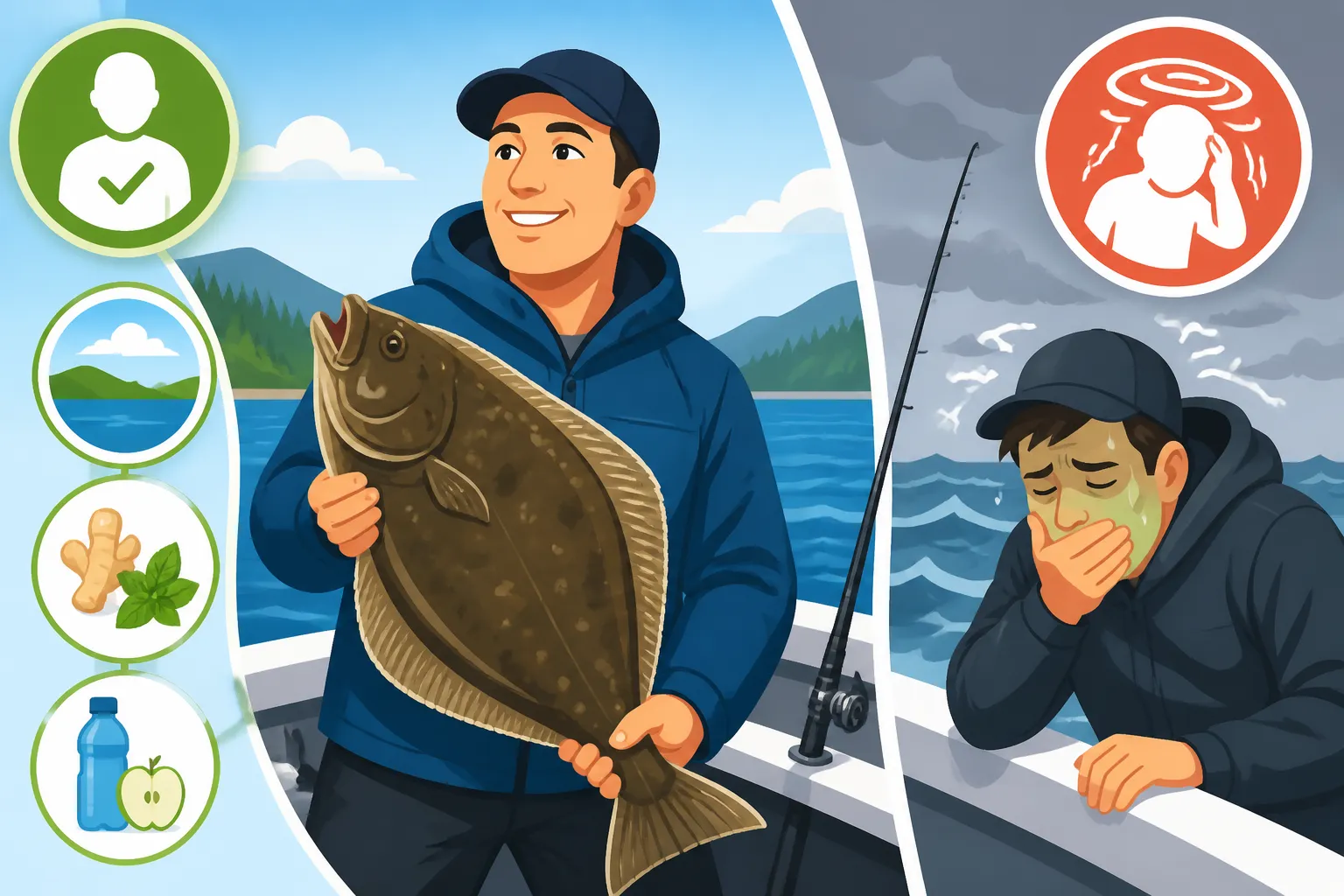
At its core, seasickness, or motion sickness, is a conflict of signals to your brain. Your inner ear, specifically the vestibular system, is responsible for your balance and sense of motion. It tells your brain, "Hey, we're moving!" Meanwhile, your eyes might be focused inside the cabin of the boat, where everything looks still, sending a signal to your brain saying, "Actually, we're not moving at all." This disconnect creates confusion in your brain, leading to a cascade of symptoms like nausea, dizziness, sweating, and that all-too-familiar urge to lean over the rail. Imagine trying to read a book in the back seat of a car on a winding road – your eyes say "still," your inner ear says "spinning," and your stomach pays the price.
Common Triggers on a Halibut Charter
Halibut trips often involve heading out into the open ocean off the Washington coast, where you're exposed to bigger swells and choppier conditions than, say, fishing in a calm Puget Sound bay. This increases the likelihood of seasickness.
- Boat Motion: The constant rocking, rolling, pitching, and heaving of the boat are the primary culprits. Halibut boats, especially smaller ones, can really get tossed around. This unpredictable motion is what confuses your inner ear.
- Engine Fumes: The smell of diesel fumes can be a powerful trigger for many. Even if you're not usually sensitive to smells, the combination with boat motion can be enough to push you over the edge.
- Focusing on Close-Up Tasks: Reading a book, fiddling with your phone, tying knots, or even just looking down at the deck for too long can exacerbate the problem. It enhances that visual-vestibular conflict, telling your eyes one thing while your body experiences another.
- Fatigue and Hunger: Being tired or having an empty or overly full stomach can make you more susceptible. Your body is already under stress, making it less resilient to the motion signals.
Pre-Trip Preparations to Minimize Risk
The best defense against seasickness often starts long before you ever step foot on the boat. Being proactive with your preparations can make a world of difference.
Medications: Your First Line of Defense
For many, medication is a crucial part of preventing seasickness. It's important to remember that these medications work best when taken before symptoms begin, usually an hour or two before you head out. Once you're already feeling green, they are far less effective.
- Oral Over-the-Counter Options: These include antihistamines, which work by suppressing the nerve signals from the inner ear. Some are non-drowsy formulations, while others can make you quite sleepy. Always read the labels carefully to understand potential side effects and dosing. Consider trying a dose at home a few days before your trip to see how you react.
- Patches: These are often worn behind the ear and release medication slowly over a longer period, sometimes up to three days. They can be very effective for extended trips or for those who find oral medications inconvenient or less effective. Again, ensure you understand how to apply and use them correctly, and be aware of any contraindications or side effects.
- Consult Your Doctor: If you're particularly prone to severe seasickness or have underlying health conditions, chatting with your doctor before your trip is always a good idea. They can offer personalized advice and potentially prescribe stronger medications if needed.
Food and Drink Choices Before You Depart
What you put into your body before a long day on the ocean can significantly impact how you feel.
- Eat Light, Not Empty: Don't skip breakfast! A light, non-greasy meal is ideal. Think toast, plain bagels, dry cereal, or fruit. Avoid heavy, fatty, or spicy foods that can sit in your stomach or cause indigestion.
- Stay Hydrated, Avoid Alcohol: Drink plenty of water in the days leading up to your trip and the morning of. Dehydration can worsen seasickness. Absolutely avoid alcohol the night before and the morning of your trip. Alcohol impairs your balance, dehydrates you, and can make you feel queasy even on solid ground, let alone a moving boat.
- Ginger is Your Friend: Many people find ginger to be a natural remedy for nausea. Consider ginger chews, ginger ale (real ginger, not just flavoring), or even a ginger supplement. Start taking it a few hours before you depart.
Getting Enough Rest
It sounds simple, but fatigue can significantly lower your resistance to motion sickness. Aim for a full, restful night's sleep before your halibut charter. Waking up groggy and sleep-deprived can make you much more susceptible to feeling unwell on the boat. Your body needs to be at its best to handle the constant motion.
Choosing the Right Charter and Conditions
Sometimes, the best prevention starts with making smart choices about your trip itself.
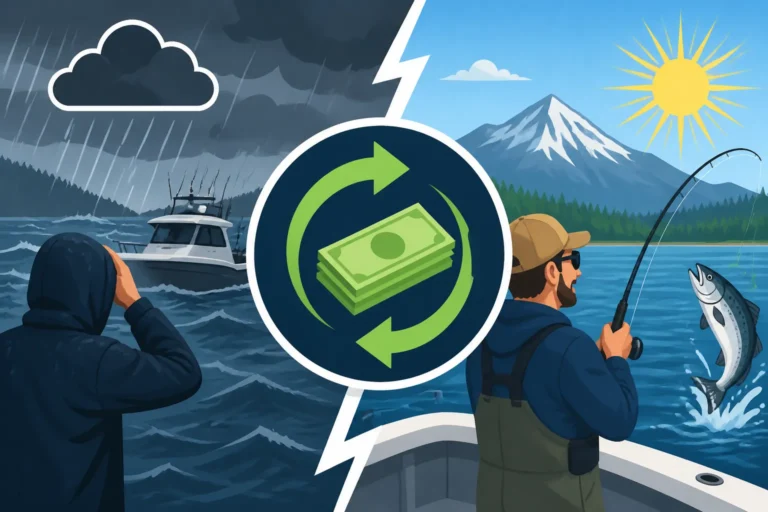
- Check the Forecast: Keep a close eye on the marine weather forecast in the days leading up to your trip. Look at wave height and wind predictions. If the forecast is calling for rough seas, consider rescheduling if your charter allows it. While a little chop is normal for ocean fishing off Westport or Ilwaco, really big swells can test even the most seasoned angler. You can often ask your captain about expected conditions.
- Consider Boat Size: Larger boats generally handle rougher seas better than smaller ones. If you're particularly prone to seasickness, inquiring about the size and stability of the vessel when booking your How to Book a Fishing Charter in Washington might be worthwhile. Reputable booking platforms like FishingBooker often provide details about the boats and allow you to communicate with captains directly about such concerns.
- Location Matters: While halibut fishing generally means heading offshore, sometimes certain areas might be more protected or have different swell patterns. Discussing this with your charter captain can provide valuable insight.
Onboard Strategies for Staying Comfortable
Once you're on the boat and heading out, there are still plenty of things you can do to manage the motion and keep seasickness at bay.
Where to Position Yourself on the Boat
Your location on the boat can make a big difference.
- Midship is Best: The middle of the boat (midship) experiences the least amount of motion. The bow (front) and stern (back) will pitch and roll more dramatically. Try to secure a spot around the main cabin area or mid-deck.
- Fresh Air is Key: Stay out on the open deck as much as possible, where you can get plenty of fresh air. Stuffy, enclosed cabins with engine fumes can quickly bring on symptoms.
- Look at the Horizon: This is perhaps the most critical tip. Find a fixed point on the distant horizon and keep your eyes on it. This helps recalibrate the conflicting signals in your brain by giving your eyes something stable to focus on, confirming the motion your inner ear is feeling. Avoid looking down at your fishing gear, at your feet, or into the cabin.
What to Focus On
It's tempting to retreat into yourself when you start feeling unwell, but engaging with your surroundings can help.
- Engage in the Fishing: Try to focus on the task at hand – watching your rod tip, feeling for bites, or reeling in your line. The mental distraction can be surprisingly effective. Don't stare blankly; actively participate. For some folks, bringing up the gear and resetting it or even jigging can help keep their mind occupied. Halibut Fishing Techniques for the Washington Coast often involve active jigging, which can be a good distraction.
- Avoid Screens and Reading: Put away your phone, tablet, and any reading material. The close-up focus on a static screen while your body is moving is a recipe for disaster. This is where the visual-vestibular conflict hits hardest.
- Chat with Others: Engaging in conversation can also be a good distraction, as long as you can still keep your eyes on the horizon. Don't let yourself dwell on how you're feeling.
Acupressure and Other Non-Pharmacological Aids
Beyond medication, some non-drug options have shown promise for many people.
- Acupressure Sea-Bands: These bands are worn on the wrists and apply pressure to a specific point (P6 or Neiguan point) that some believe helps alleviate nausea. They are non-invasive and have no side effects, making them a popular choice. While not a guaranteed cure for everyone, many find them helpful.
- Ginger: As mentioned earlier, ginger in various forms can be a comforting and effective anti-nausea aid. Keep ginger chews or crystallized ginger handy in your tackle box.
- Peppermint: The scent of peppermint or sipping on peppermint tea can also provide some relief for mild nausea.
Managing Symptoms if They Start
Even with the best preparations, seasickness can sometimes creep in. Don't panic; having a plan can make it more manageable.
- Don't Suffer in Silence: If you start feeling unwell, tell your captain or a deckhand. They are experienced and can offer advice, sometimes even a quiet spot to lay down if available, or just offer a reassuring word. They deal with this all the time, so there's no shame in admitting you're feeling queasy.
- Fresh Air and Horizon: Double down on staying out in the fresh air and fixing your gaze on the horizon. This is your primary defense.
- Hydrate Slowly: Sip on water or clear liquids like ginger ale. Avoid sugary sodas or anything acidic.
- Regurgitation is Relief: If you do need to vomit, it often provides immediate relief. Don't fight it. Be respectful and use the designated areas on the boat (usually over the rail, downwind), or ask a crew member for a bucket. It's a common occurrence, especially on longer How Long Does a Washington Halibut Charter Trip Take? or rougher trips.
Here's a quick comparison of various seasickness prevention and relief methods:
| Method | Description | Pros | Cons | Best Use Case |
|---|---|---|---|---|
| Oral Medications | Antihistamine pills (non-drowsy options available) | Very effective for many; widely accessible | Can cause drowsiness, dry mouth; timing is crucial | Preventative, 1-2 hours before departure |
| Scopolamine Patch | Prescription patch worn behind the ear | Long-lasting relief (up to 3 days) | Requires prescription; potential side effects | Multi-day trips or severe sufferers |
| Sea-Bands (Acupressure) | Wristbands applying pressure to the P6 point | Drug-free, no side effects | Effectiveness varies by individual | Mild symptoms, or as an adjunct to other methods |
| Ginger (Natural) | Chews, supplements, ginger ale | Natural, few side effects | May not be strong enough for severe cases | Mild nausea, general digestive upset |
| Horizon Focus | Keep eyes on a fixed point on the distant horizon | Free, immediate, no side effects | Requires constant vigilance; hard in enclosed spaces | Anytime on board, especially when symptoms start |
| Fresh Air | Stay on deck, away from fumes | Immediate relief, helps with stuffiness | Not always possible in bad weather | Proactive and reactive for onset of symptoms |
| Rest & Hydration | Get good sleep, drink water | Holistic prevention, no side effects | Takes prior planning; not an immediate fix | Pre-trip preparation |
| Light Meal | Non-greasy, non-spicy food | Prevents hunger-induced nausea | Heavy/greasy meals can worsen symptoms | Pre-trip preparation |
Post-Trip Recovery and Lessons Learned
You've made it back to shore! Whether you had a fantastic, symptom-free day or battled the waves, there are a few things to consider for recovery and future adventures.
What to Do After Returning to Shore
Even if you managed to avoid severe seasickness, your body has been working hard to maintain balance.
- Rehydrate and Replenish: Continue drinking plenty of water. A light, easy-to-digest meal will help your body recover.
- Rest: You might feel a lingering sensation of motion (often called "dock rock" or "mal de débarquement"). This is normal and usually subsides with rest. Take it easy for a few hours.
- Enjoy Your Catch: Hopefully, you have a beautiful halibut to show for your efforts! Focusing on the reward can make any discomfort seem a little more worthwhile.
Learning for Future Trips
Every trip is a learning experience, especially when it comes to managing seasickness.
- Reflect on What Worked (or Didn't): Did the medication help? Was the ginger effective? Did you find that staying outside made a big difference? Keep a mental note of what strategies were most beneficial for you.
- Consider Shorter Trips First: If this was your first deep-sea outing, perhaps try a slightly shorter charter next time, or one to a more protected area if possible, before committing to a full-day offshore halibut expedition. Westport, Washington Halibut and Tuna Charters or Ilwaco and the Columbia River Mouth Charters can be long days on the water.
- Don't Give Up! Seasickness can be disheartening, but don't let one bad experience deter you from future fishing adventures. With careful planning and the right strategies, many people learn to manage or even overcome their susceptibility to motion sickness. There are so many incredible fishing opportunities in Washington, from the rivers of the Olympic Peninsula to the abundant waters of the Columbia, and it would be a shame to miss out.
Remember, the goal is to enjoy the entire experience, from the anticipation to the battle with a magnificent fish. By understanding seasickness and proactively taking steps to prevent it, you can ensure your Washington halibut trip is filled with fond memories, not green-faced regrets. And if a charter gets cancelled due to weather, don't sweat it, your safety comes first. What Happens If Weather Cancels a Washington Charter?
Disclaimer
This article is for general informational purposes only and does not constitute professional advice. Laws, prices and regulations vary by location and change over time. Consult a qualified professional for guidance on your specific situation.