What to Eat Before an Ocean Charter Trip
The thought of a fantastic day out on the Washington coast, reeling in salmon or halibut, can quickly turn into a nightmare if you're battling an upset stomach. There’s nothing worse than heading out on the open ocean, full of anticipation, only to spend the trip regretting that breakfast burrito or skipping a meal entirely. Deciding what to eat before an ocean charter trip isn't just about satisfying hunger; it's a strategic move to ensure you stay comfortable, energized, and able to enjoy every moment on the water. This guide will walk you through the best and worst food choices to make your next offshore adventure a memorable one for all the right reasons.
Understanding Seasickness and Your Stomach
Before we dive into specific food recommendations, it helps to understand why certain foods can spell disaster on a rocking boat. Seasickness, or motion sickness, happens when your brain receives conflicting signals from your eyes (seeing the stable boat interior), your inner ear (sensing the motion of the boat), and your body (feeling the shifts and tilts). This sensory mismatch can lead to symptoms like nausea, dizziness, cold sweats, and vomiting. What you put into your stomach beforehand can significantly amplify or mitigate these effects.
The Role of Digestive Comfort
Your digestive system works hard, even when you're just sitting still. On a boat, with all the motion, your stomach is already contending with extra jostling. Introducing foods that are difficult to digest or that irritate your stomach lining can exacerbate any feelings of queasiness. Think about it: a calm, settled stomach is your best defense against the unsettling feeling of the ocean swells.
When your stomach is trying to break down a heavy, greasy meal, it requires more blood flow and energy. This can draw resources away from other systems, potentially making you feel more sluggish and less resilient to motion sickness. A stomach that's working overtime is also more likely to rebel when the boat starts to pitch and roll, leading to that all-too-familiar urge to lean over the rail. The goal is to give your digestive system as little extra work as possible while still providing sustained energy.
How Certain Foods Trigger Symptoms
Specific types of foods are notorious for triggering or worsening seasickness symptoms. High-fat foods, for instance, take a long time to digest, lingering in your stomach and making you feel heavy and sluggish. Spicy foods can irritate the stomach lining, while highly acidic options might increase stomach acid, leading to heartburn or a generally unsettled feeling even on solid ground.
Sugary drinks and snacks, while offering a quick energy boost, often lead to a rapid crash and can upset blood sugar levels, contributing to overall malaise. Even seemingly healthy options like large amounts of raw vegetables can be problematic due to their high fiber content, which can be hard to digest for some. The key is balance and choosing foods that are gentle and supportive of a calm digestive environment. It’s all about setting yourself up for success, and that starts before you even step foot on the Washington's Puget Sound Fishing Spots for Salmon and Bottomfish or head out to the open ocean.
Smart Food Choices for a Smooth Sail
Preparing for your ocean charter trip involves more than just checking the weather and packing your gear. What you eat the night before and the morning of your trip is crucial. Think bland, easily digestible, and nutrient-dense options that will provide sustained energy without upsetting your stomach.
Prioritizing Bland and Easy-to-Digest Foods
When it comes to pre-trip meals, bland is beautiful. You want foods that are gentle on your stomach and don't require a lot of digestive effort. These are your allies in the fight against seasickness.
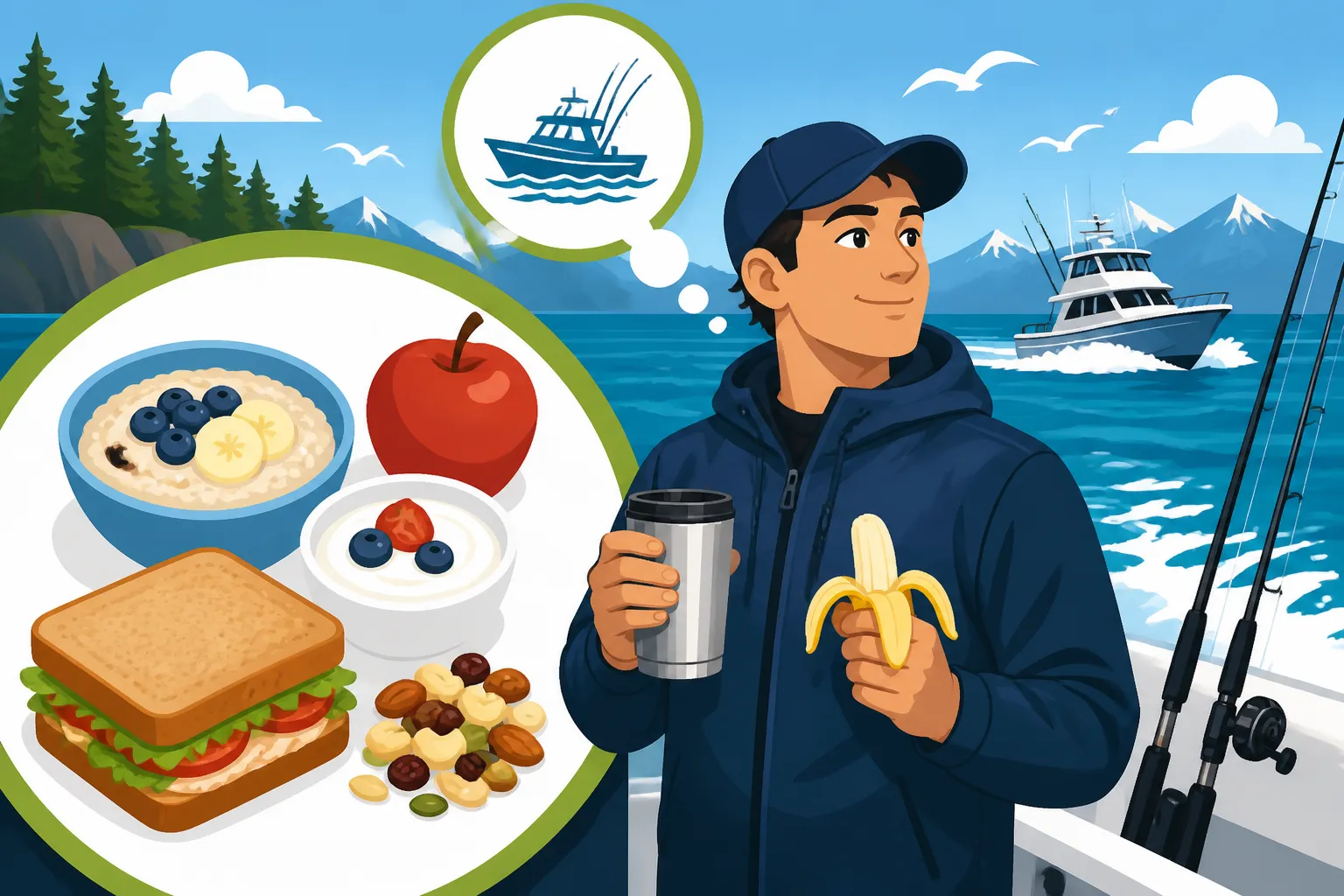
Consider opting for plain toast, unsalted crackers, or a simple bagel. These carbohydrate-rich foods provide energy and can help absorb stomach acids, reducing nausea. Cooked cereals like oatmeal, made with water or a small amount of non-dairy milk, are also excellent choices, offering sustained energy without being heavy. For a light protein, a plain scrambled egg or two can work well, but avoid loading them with cheese or heavy spices. The goal here is nourishment without excitement for your taste buds or your tummy. When you're thinking about What to Bring on a Washington Fishing Charter, these easy-to-digest snacks should be at the top of your list.
Sustained Energy with Complex Carbohydrates
While simple sugars offer a quick burst of energy, complex carbohydrates are your best friends for a long day on the water. They break down slowly, releasing glucose into your bloodstream at a steady rate, preventing energy crashes that can sometimes make seasickness feel worse.
Think about foods like plain whole-wheat pasta, rice, or potatoes. A small, unadorned baked potato the night before, or a small bowl of plain rice porridge in the morning, can set a good foundation. Even a simple banana can provide natural sugars and potassium, which can be helpful if you start to feel a little queasy. The idea is to have a steady fuel source that your body doesn't have to struggle to access, keeping your energy levels stable and your stomach calm through all the rocking and rolling, whether you're on a Half-Day vs Full-Day Salmon Charters trip.
Hydration is Your Best Friend
Often overlooked, proper hydration is absolutely critical, both for general well-being and in preventing seasickness. Dehydration can exacerbate feelings of nausea and dizziness, making a rough day on the water even worse.
Stick to plain water, and plenty of it, the day before and the morning of your trip. Electrolyte drinks, like sports drinks, can also be beneficial in moderation, helping to replenish salts and minerals lost through sweating, especially on warmer days. Avoid sugary sodas, which can lead to blood sugar spikes and crashes, and definitely steer clear of alcohol. Even small amounts of alcohol can dehydrate you and reduce your body's ability to cope with motion. Herbal teas, particularly ginger tea, are a fantastic option. Ginger is a natural anti-nausea remedy and can be very soothing. Remember that Do Charters Allow Beer or Alcohol Onboard? is a different question than if you should drink it.
Foods to Steer Clear Of
Just as there are foods that help, there are definitely foods that hinder your chances of a comfortable ocean trip. These are the items you'll want to avoid like the plague if you want to keep your breakfast down and enjoy the fishing.
High-Fat and Greasy Meals
This is probably the biggest culprit for seasickness woes. Foods laden with fat and grease take significantly longer to digest, allowing them to slosh around in your stomach and contribute to that heavy, queasy feeling.
Think about those tempting breakfast items: bacon, sausage, fried eggs (especially if they're still greasy), hash browns, and pastries like doughnuts or croissants. While delicious on land, they are a recipe for disaster on a rocking boat. The extra work your digestive system has to put in to process all that fat, combined with the motion, is almost guaranteed to send you running for the rail. Even seemingly innocent creamy sauces or heavily oiled dishes can be problematic. When planning for your What to Check Before a Washington Halibut Trip Offshore trip, consider the implications of every meal choice.
Spicy and Acidic Foods
Foods that are spicy or highly acidic can irritate your stomach lining, even in calm conditions. Add the unpredictable motion of the ocean, and you're practically inviting heartburn, indigestion, and nausea.
This includes obvious culprits like hot sauce, chili peppers, and heavily seasoned ethnic foods. But also be wary of highly acidic foods such as oranges, grapefruits, tomatoes, and even some very vinegary dressings. While a glass of orange juice might seem refreshing, the acidity can actually contribute to an upset stomach when combined with motion. If you're sensitive to these foods on land, you'll be even more so on the water. It’s always better to err on the side of blandness before heading out to sea. This advice is especially important if you’re booking a Family-Friendly Fishing Charters in Washington trip, as kids can be particularly sensitive to these types of foods.
Dairy and Strong Smells
For many people, dairy products can be difficult to digest, leading to bloating and discomfort. On a boat, this discomfort can quickly escalate into nausea. Heavy milk, cream, or rich cheeses are best avoided. While a small amount of yogurt might be okay for some, it's safer to stick to non-dairy options or skip it entirely.
Beyond digestibility, strong smells can trigger seasickness in susceptible individuals. The smell of certain foods, especially those that are pungent or heavily spiced, can be overwhelming in the confines of a boat cabin. Imagine the scent of garlic or onions clinging to the air while you're already feeling a bit off – it's not a pleasant combination. Even a strong coffee aroma can be too much for some. It's best to keep your pre-trip meals as neutral-smelling as possible and pack snacks that are equally inoffensive. Sometimes, just the ambient smells on the boat, combined with what you've eaten, can be the tipping point. This is a common concern for people wondering Is Seasickness Common on Washington Ocean Charters?. Many anglers consult resources like FishingBooker, which often include tips from experienced captains about these very issues.
Your Day-Of Strategy and Onboard Snacks
The planning doesn't stop after breakfast. What you do in the hours leading up to your trip, and what you choose to snack on while you're out there, can make or break your comfort level.
The Morning of Your Trip: Timing and Portions
Timing your meal is just as important as choosing the right foods. You don't want to eat immediately before boarding, nor do you want to show up on an empty stomach. An empty stomach can lead to excess acid production, which can also cause nausea.
Aim to have a light, bland meal about 1-2 hours before your scheduled departure. This gives your stomach enough time to start digesting without being completely empty. Keep portions small – you’re not trying to gorge yourself, just provide a solid base. A piece of toast, some plain oatmeal, or a banana with a small amount of water or ginger tea is ideal. Many guides, especially those you might find listed on platforms like FishingBooker, will often reiterate the importance of a proper pre-trip meal. This early preparation is key to How to Avoid Seasickness on a Halibut Trip.
Packing Smart Snacks for the Ride
Even if you’ve eaten well beforehand, having easy-to-digest snacks on hand is crucial. The motion of the boat, combined with the excitement of fishing, can make you feel hungry or a little queasy. Small, frequent snacks can help keep your blood sugar stable and prevent an empty stomach from turning sour.
Excellent onboard snacks include plain crackers, pretzels, dry cereal, and fresh fruit like bananas or apples (peeled if you have a sensitive stomach). Ginger chews or ginger candy are also fantastic to have, as ginger is a proven natural remedy for nausea. Some people swear by small sips of ginger ale (flat is often better) or peppermint tea. Avoid anything that requires a lot of chewing or has a strong odor. Remember, the simpler, the better when you're already on the water, battling the elements and hoping for a great catch. Thinking about What to Wear on a Washington Puget Sound Charter usually comes to mind, but what you eat is just as important.
| Food Category | Recommended Options | Foods to Avoid |
|---|---|---|
| Grains/Carbs | Plain toast, unsalted crackers, oatmeal, plain rice, pretzels, plain bagel | Greasy pastries, sugary cereals, heavy breads |
| Protein | Plain scrambled eggs, lean turkey/chicken (small portion) | Bacon, sausage, heavy cheeses, fried meats, rich sauces |
| Fruits/Veggies | Bananas, apples (peeled), plain cooked potatoes, bland vegetables (small amounts) | Oranges, grapefruits, tomatoes, highly acidic fruits, large amounts of raw, fibrous vegetables |
| Drinks | Water, ginger tea, clear broth, diluted electrolyte drinks | Coffee, alcohol, sugary sodas, highly acidic juices (orange, grapefruit) |
| Miscellaneous | Ginger chews/candy | Spicy foods, garlic-heavy items, strong-smelling foods |
Avoiding Common Mistakes: Coffee, Alcohol, and Skipping Meals
It's easy to fall into traps that seem harmless but can significantly increase your risk of seasickness. The biggest offenders are coffee, alcohol, and the mistake of skipping meals entirely.
While coffee might be your morning ritual, its diuretic effect can lead to dehydration, and its acidity can irritate an already sensitive stomach. If you absolutely need caffeine, consider a small amount of black tea, which is generally less acidic. Alcohol, as mentioned, dehydrates and impairs your body's ability to cope with motion; it's a definite no-go before or during an ocean trip. And please, please, don't skip breakfast thinking an empty stomach is safer. An empty stomach means stomach acid has nothing to work on, potentially causing more irritation and making you feel worse. A light, bland meal is always preferable to an empty stomach. If you're a beginner, these tips are paramount for a good experience, especially if you've found a great guide through FishingBooker for Booking a Guide for Beginners in Washington.
By making conscious choices about what you consume before and during your ocean charter trip, you can significantly improve your chances of having a comfortable, enjoyable, and successful day of fishing on the beautiful waters of Washington.
Disclaimer
This article is for general informational purposes only and does not constitute professional advice. Laws, prices and regulations vary by location and change over time. Consult a qualified professional for guidance on your specific situation.