Reiter Pond Hatchery Location on the Skykomish
Finding that perfect fishing spot can often feel like searching for a hidden treasure, especially when you’re eyeing a productive hatchery location like Reiter Pond. Many anglers get frustrated by vague directions or outdated information, leading to wasted time instead of bending a rod. This comprehensive guide is here to clear up the confusion, giving you the precise details on how to find Reiter Pond Hatchery on the Skykomish River and make the most of your fishing adventure there.
Unraveling the Location of Reiter Pond Hatchery on the Skykomish
The Skykomish River is a legendary waterway in Washington, known for its incredible salmon and steelhead runs. Nestled along its banks is the Reiter Pond Hatchery, a critical facility that plays a huge role in maintaining these fisheries. But just knowing it's "on the Skykomish" isn't enough when you're loading up your gear at 4 AM, hoping to be first on the water. You need specific, actionable directions to get there without a hitch.
Pinpointing Reiter Pond's Exact Geographic Footprint
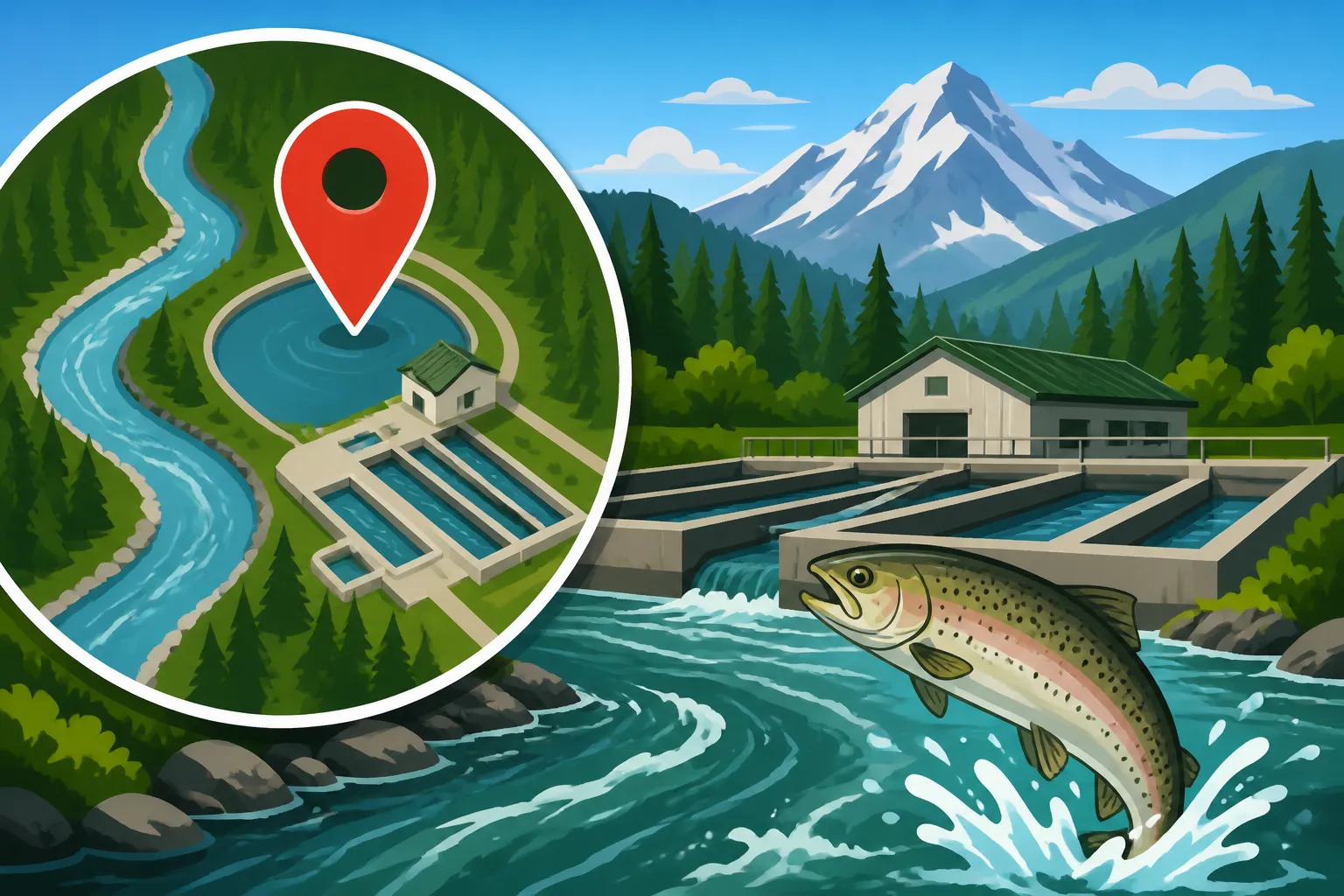
Reiter Pond Hatchery is located near the town of Gold Bar, Washington, a charming, small community in Snohomish County. While it's not a bustling metropolis, Gold Bar serves as a handy reference point. The hatchery itself is situated a few miles upstream from Gold Bar, directly adjacent to the Skykomish River. If you're coming from the greater Seattle area, you'll typically take US-2 East, heading towards Stevens Pass. Gold Bar is approximately an hour and a half drive from Seattle, depending on traffic, and the hatchery is just a short, easily marked detour from the main highway. For those who prefer the precision of modern navigation, the general area can be found by searching for "Reiter Ponds" or "Reiter Pond Hatchery" on your GPS or mapping application. The physical address isn't always publicly listed in a traditional sense for a hatchery, but if you aim for the intersection of US-2 and Reiter Road, you'll be on the right track; the hatchery is a short drive down Reiter Road itself, well-signed once you turn off the highway.
It’s crucial to pay attention once you turn onto Reiter Road, especially if you’re visiting for the first time or arriving in the dark hours before dawn. The road is paved initially but can become less maintained further in, though access to the hatchery and key fishing areas is generally good. Look for clear signage indicating the Washington Department of Fish and Wildlife (WDFW) facility. The landscape shifts from open highway views to more forested, riverine surroundings, signaling you're getting close to the productive waters you're seeking. Visual cues like established turn-offs, other parked vehicles (a common sight during peak seasons), and the distinct structures of the hatchery itself will confirm your arrival.
Many anglers describe Reiter Pond as a beacon for those looking to tap into consistent fishing opportunities on the Skykomish. It’s not just a facility; it’s a destination. The unique configuration of the pond and its immediate outflow into the Skykomish means that fish raised there are readily accessible. Don't be shy about slowing down and looking for the signs—the anticipation of a good day on the water is half the fun, and knowing exactly where you're going makes the experience infinitely smoother.
Navigating Access Points, Parking, and Bank Fishing Opportunities
Once you've found Reiter Pond Hatchery, the next step is understanding where you can legally and safely park and access the fishing areas. There are typically designated parking areas managed by the WDFW that are specifically for angler access. These lots can fill up quickly, especially during prime winter steelhead season or significant salmon runs, so arriving early is often a wise strategy. Always park in marked spaces and avoid blocking gates or access roads, as these are often used by hatchery staff and emergency vehicles. There are no fees to park directly at the WDFW access points near Reiter Pond, but always double-check local signage for any changes or specific regulations.
For bank anglers, Reiter Pond and the immediate river section downstream offer some fantastic opportunities. The pond itself has accessible banks, though some areas might be brushier than others. The outflow channel from the pond to the Skykomish River is a prime spot, concentrating fish as they move from the hatchery environment into the larger river system. Further downstream, access points along Reiter Road allow anglers to spread out and fish various runs and holes on the mainstem Skykomish. Always be mindful of private property boundaries; while WDFW has secured public access in certain areas, much of the surrounding land is privately owned. Respect posted "No Trespassing" signs to avoid any issues and ensure continued access for all anglers in the future.
Wading can be an effective way to access different parts of the river, particularly for Is the Skykomish Good for Bank Fishing?. However, the Skykomish River can be powerful and swift, especially during high water events. Always assess river conditions carefully before wading. Good wading boots with felt or studded soles and a wading staff are highly recommended for safety. Water levels can fluctuate rapidly, so staying aware of your surroundings and checking river gauges before your trip is a good practice. Remember, safety always comes first, and a fish isn't worth taking unnecessary risks.
Essential Services and Supplies in the Reiter Pond Vicinity
While Reiter Pond itself is a relatively remote fishing spot, the nearby town of Gold Bar offers some basic amenities that anglers might need. Before you even get to Reiter Road, you’ll pass through Gold Bar on US-2, making it a convenient stop for last-minute supplies. You can usually find gas stations, small convenience stores, and sometimes even a diner or coffee shop in Gold Bar. These places are lifesavers when you realize you forgot your favorite lure or need a warm cup of coffee on a chilly morning.
For more specialized fishing tackle and bait, you might need to stop in larger towns like Sultan or Monroe, which are further west on US-2 before you reach Gold Bar. These towns will have sporting goods stores or dedicated bait and tackle shops where you can stock up on specific gear for the Skykomish River. However, it's always a good idea to arrive at Reiter Pond fully prepared, as options right at the hatchery are nonexistent, and stores in Gold Bar have limited selections. Always check store hours, especially if you're planning an early morning trip, as many smaller shops don't open until later.
Having a prepared checklist of essentials is key for a successful trip to Reiter Pond. Beyond your fishing gear, consider bringing plenty of snacks, water, a thermos with a hot beverage, and appropriate layered clothing for Washington's unpredictable weather. While there may be basic vault toilets at some WDFW access points, they aren't always guaranteed or well-maintained, so bringing your own hand sanitizer and toilet paper is a smart move. Remember, a comfortable angler is a focused angler, and being prepared means you can concentrate on the fishing, not on what you forgot back home.
The Allure of Reiter Pond: Why Anglers Flock Here
Reiter Pond Hatchery isn't just a point on a map; it's a vital artery for Washington's sport fisheries and a magnet for anglers. Its strategic location and consistent stocking programs make it one of the most reliable and popular fishing destinations on the Skykomish River. Understanding the hatchery's operations and what species it supports is key to unlocking its full potential as a fishing hotspot.
Understanding the Hatchery's Role and Fish Stocking Programs
Reiter Pond Hatchery is a crucial facility operated by the WDFW, primarily focused on raising and releasing juvenile fish, particularly steelhead and various salmon species, to augment wild populations and provide robust sport fishing opportunities. The goal is to ensure a sustainable fishery, especially in rivers like the Skykomish where natural production alone might not meet angler demand. These hatchery-reared fish are often marked (e.g., with a clipped adipose fin) to distinguish them from wild fish, which helps in managing conservation efforts and specific bag limits. The hatchery’s operations, from egg collection to release, are meticulously planned to coincide with natural migratory patterns and fishing seasons.
The timing of these fish releases is paramount for anglers. Hatchery programs are designed to provide fish throughout different seasons, with significant releases often occurring for Steelhead: Washington's Ocean-Run Rainbow Trout in both winter and summer runs. Additionally, the hatchery raises Coho Salmon Fishing in Washington and Chinook Salmon: Washington's King of Fish, often releasing "jack" salmon (early returning, smaller males) that can provide exciting fishing opportunities for anglers. These releases directly impact fishing success, creating predictable surges of fish in the immediate area of the hatchery and downstream. Keeping an eye on the WDFW stocking reports and Washington Sport Fishing Seasons and Emergency Closures can give you a significant advantage in planning your trip.
The consistent presence of hatchery fish near Reiter Pond provides a unique angling experience. It means that even during times when wild fish runs might be lower, there's a higher probability of encountering fish that have been conditioned to the area. This consistency draws anglers from all over, making it a vibrant and sometimes busy fishing community. The hatchery acts as a natural aggregation point, where fish transition from a protected environment to the open river, often lingering in the slower water of the pond's outflow or the deeper holes nearby before continuing their journey upriver.
Target Species and Prime Fishing Seasons at Reiter Pond
Reiter Pond and the surrounding Skykomish River offer excellent opportunities for targeting several popular sport fish throughout the year. The biggest draw for many is undoubtedly steelhead. The Skykomish sees both winter and summer steelhead runs, and Reiter Pond plays a significant role in both. Winter steelhead typically arrive from December through April, offering a challenging yet highly rewarding fishery in often cold and wet conditions. Summer steelhead, though less numerous than winter runs, provide exciting action from late spring into early fall, often in warmer, clearer water. The hatchery ensures a consistent number of these fish are available, making it a go-to spot for dedicated steelheaders.
Beyond steelhead, salmon are a major target. Coho salmon, also known as silvers, typically make their presence known in the late summer and fall months (August through October). These acrobatic fighters are a blast on light tackle. Chinook salmon, or kings, provide powerful battles, with runs typically peaking in late summer. While the mainstem Skykomish sees larger Chinook, the hatchery area can offer chances at "jack" Chinook, which are still formidable opponents. The specific timing of these runs can vary year to year, influenced by water conditions and actual returns, so checking current WDFW updates is always essential.
While salmon and steelhead are the stars, anglers might also encounter other species in the Skykomish. Native cutthroat trout are present, offering a fun diversion, especially for fly anglers in calmer sections or tributaries. It’s important to remember that regulations often differ for wild versus hatchery-marked fish, and some species or sizes may be catch-and-release only. Always consult the latest Washington Fishing Regulations Every Angler Should Know and pay close attention to Understanding Washington's Daily Bag Limits by Species to ensure you're fishing legally and responsibly.
Proven Techniques for Success: What to Cast at Reiter Pond
Fishing at Reiter Pond and the Skykomish River requires a versatile approach, as fish behavior can change rapidly based on water conditions and time of year. However, several techniques consistently produce results. One of the most popular and effective methods, especially for steelhead and salmon, is drift fishing. This involves using a weighted rig to bounce bait, beads, or jigs along the river bottom, imitating natural food items flowing downstream. For Drift Fishing for Steelhead in Washington Rivers, popular baits include cured roe, shrimp, or artificial offerings like Corkies and Cheaters. The key is to achieve a natural, drag-free drift that presents your offering directly to holding fish.
Another highly successful technique, particularly in the pond itself and the slower moving sections of the outflow, is bobber and jig fishing. This method suspends a jig (often tipped with bait like an prawn or scent) under a float, allowing it to hang enticingly at a specific depth where fish are holding. It’s a visual and exciting way to fish, as a disappearing bobber signals a bite. This technique is especially effective for hatchery-reared fish that might be less wary. Many anglers find success with brightly colored jigs, particularly pink, chartreuse, or orange, to attract attention in off-color water.
When fish are actively feeding or traveling, casting spinners and spoons can be incredibly effective. These lures imitate fleeing baitfish and can trigger aggressive strikes. For Casting Spoons and Spinners for Washington Steelhead, popular choices include brightly colored spinners like the Blue Fox Vibrax or heavier casting spoons such as the Steelie Spoon or Dick Nite Spoons. The trick is to cast across or slightly upstream and retrieve at a speed that allows the lure to wobble and flash enticingly. This method often works best when fish are fresh from the salt and more aggressive, especially in the larger river sections downstream from the immediate hatchery area. Experimentation with color, size, and retrieve speed is often necessary to find what the fish are keying in on each day.
| Target Species | Primary Season | Recommended Techniques |
|---|---|---|
| Winter Steelhead | Dec-Apr | Drift Fishing (roe, beads, jigs), Bobber & Jig, Casting Spinners |
| Summer Steelhead | May-Oct | Drift Fishing (jigs, yarn), Fly Fishing (flies), Casting Spinners |
| Coho Salmon | Aug-Oct | Bobber & Jig (prawns), Casting Spinners/Spoons, Twitching Jigs, Back-bouncing |
| Chinook Salmon | Jul-Sep | Drift Fishing (roe), Back-bouncing (roe), Casting Spoons (especially for jacks) |
| Trout (Cutthroat) | Year-round | Fly Fishing (nymphs, dry flies), Spinners, Bait (worms) |
Mastering the Rules and Responsible Angling at Reiter Pond
Fishing in Washington, especially at a prominent location like Reiter Pond Hatchery, comes with a set of specific regulations and ethical responsibilities. Understanding these rules isn't just about avoiding a fine; it's about preserving the fishery for future generations and ensuring a positive experience for everyone on the water.
Decoding Washington's Fishing Regulations for the Skykomish Area
The rules for fishing on the Skykomish River and around Reiter Pond can change frequently, often to protect vulnerable wild fish stocks or to adapt to specific run sizes. It is absolutely critical to consult the latest WDFW Sport Fishing Regulations pamphlet, available online or at license vendors, before every trip. Beyond the annual pamphlet, always check for How to Check for Emergency Rule Changes in Washington. These emergency rules are common in Washington and can significantly alter seasons, bag limits, and legal gear mid-season. What was legal last week might not be today.
Specific regulations often apply to hatchery areas like Reiter Pond. For instance, there might be special rules regarding the retention of hatchery-marked fish versus the mandatory release of unmarked (wild) fish. These rules are designed to protect wild populations, which often face greater conservation challenges. You'll need to know how to identify a hatchery fish, usually by the absence of an adipose fin (a small, fleshy fin on the back between the dorsal and tail fins). Misidentifying a fish or accidentally keeping a wild fish can lead to significant penalties.
Understanding Washington's Daily Bag Limits by Species and The Washington Catch Record Card and What It Requires is also non-negotiable. For salmon and steelhead, you'll need to accurately record your catch immediately after landing a fish you intend to keep. This data is vital for WDFW to monitor fish runs and make informed management decisions. Ignorance of the rules is never an excuse, so taking the time to review the current regulations for the specific section of the Skykomish River you plan to fish is the mark of a truly responsible angler.
Recommended Gear Setup for Reiter Pond's Challenges
To effectively fish Reiter Pond and the Skykomish River, having the right gear is paramount. For steelhead and salmon, a medium-heavy action rod, typically 8.5 to 10.5 feet long, is a good all-around choice. This length provides the leverage needed to cast heavier lures or drift rigs, control fish in current, and handle powerful runs. Pairing this with a sturdy spinning reel or a baitcasting reel spooled with 15-20 lb monofilament or braided line is ideal. For specific recommendations, exploring topics like Rod and Reel You Need for Washington Puget Sound Salmon can provide a good baseline, even if focused on salmon, the principles often apply.
When it comes to terminal tackle, versatility is key. Bring an assortment of lead weights (pencil lead, slinkies, pyramid sinkers) to match varying current speeds, as well as plenty of swivels, beads, and hooks in different sizes. Leader material, often fluorocarbon for its abrasion resistance and low visibility, in the 10-15 lb range, is essential. Understanding Best Line Weight for Washington Steelhead can help you fine-tune your setup. For bobber and jig fishing, a sensitive float and a variety of jigs (1/4 to 1/2 oz) in different colors will serve you well. Spinners and spoons in various sizes and colors are also a must for targeting aggressive fish.
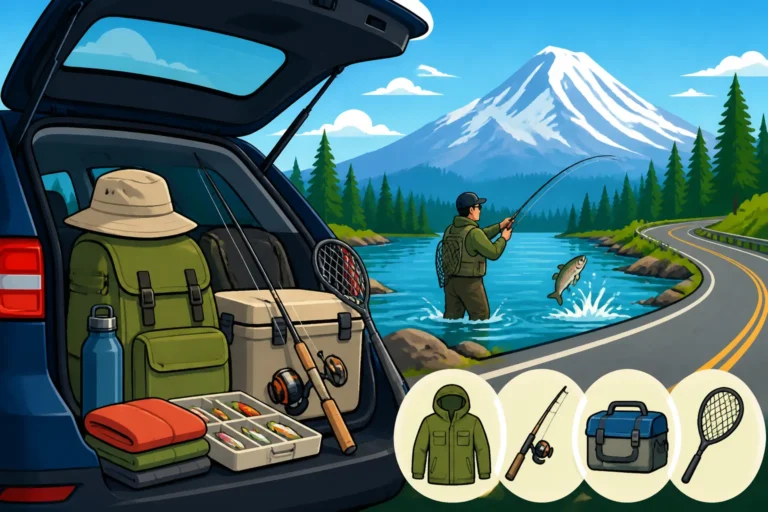
Beyond rods and reels, proper clothing and safety gear are crucial, especially during the colder steelhead seasons. Waterproof waders and a good quality rain jacket are non-negotiable. Layering your clothing will allow you to adapt to changing weather conditions. Always carry a small first-aid kit, a knife or line cutters, and a pair of pliers for hook removal. If you plan to wade, a wading staff can provide essential stability. Remember to bring a cooler with ice to properly care for any fish you decide to keep, ensuring the meat stays fresh.
Practicing Ethical Angling and Conservation at a Hatchery
Fishing at a hatchery like Reiter Pond carries an added layer of responsibility. While the hatchery aims to boost fish populations, it’s still crucial to practice ethical angling, especially when encountering wild, unmarked fish. If regulations require the release of wild fish, handle them with the utmost care. Minimize their time out of the water, use wet hands when handling, and release them gently back into the current, allowing them time to recover. Crush your barbs on hooks where required or to minimize harm, a practice detailed in rules that sometimes apply, such as Barbless Hook Requirements on Washington Rivers.
Beyond fish handling, environmental stewardship is paramount. Pack out everything you pack in – and then some. Leave no trace of your visit, whether it's discarded fishing line, bait containers, or food wrappers. The health of the river system, which supports both wild and hatchery fish, depends on a clean environment. Respect the natural beauty of the Skykomish and its surroundings.
Finally, remember that you are often sharing the riverbank with other anglers. Courtesy and respect go a long way. Maintain a reasonable distance from others, avoid casting over their lines, and be mindful of noise levels. A positive atmosphere benefits everyone. While sometimes crowded, especially during peak runs, Reiter Pond offers incredible access to a vibrant fishery. By adhering to regulations, using the right gear, and practicing thoughtful angling, you'll contribute to the longevity and enjoyment of this special Washington fishing spot.
Disclaimer
Please note that fishing regulations in Washington State are subject to frequent change by the Washington Department of Fish and Wildlife (WDFW). Always consult the most current WDFW regulations pamphlet and check for emergency rule changes before heading out to fish. This guide provides general information and should not be considered a substitute for official WDFW regulations.