Puget Sound Marine Area That Closes First
It's incredibly frustrating, isn't it, when you've planned a fishing trip, scouted your spot, and then find out your favorite Puget Sound marine area has suddenly closed for the season, or for a specific species, almost before it even began. Keeping up with Washington's ever-changing fishing regulations can feel like a full-time job, especially when anticipating which areas might be the first to shut down. This guide will help you understand which Puget Sound marine areas are often the most susceptible to early closures and why, empowering you to stay informed and maximize your time on the water.
The Dynamics of Puget Sound Fishing Closures
Washington's Puget Sound is a complex and highly managed fishery, home to a multitude of salmon species, bottomfish, and shellfish. Unlike a simple lake with fixed seasons, the marine areas are subject to intricate rules that can change rapidly based on scientific data, catch rates, and conservation goals. This dynamic environment means that while a season might be initially set, emergency closures are a common reality, often leaving anglers scratching their heads. The constant monitoring of fish stocks, especially wild runs, dictates how long and where you can fish, creating a landscape where some areas are consistently more volatile than others.
Imagine gearing up for a promising Chinook salmon run, only to hear whispers that the quota in your chosen area is nearly met, or that wild steelhead passage is too low, triggering an immediate shutdown. This isn't just an inconvenience; it can mean wasted time, fuel, and dashed hopes. The Washington Department of Fish and Wildlife (WDFW) works hard to balance sport fishing opportunities with the critical need to conserve fragile populations, especially those protected under the Endangered Species Act. This delicate balance means some marine areas, due to their ecological significance or proximity to critical habitats, become the first lines of defense when conservation measures are needed. Understanding "Emergency Rule Changes: Why Washington's Rules Shift Mid-Season" is crucial for any Puget Sound angler.
Identifying the Most Vulnerable Marine Areas for Early Closures
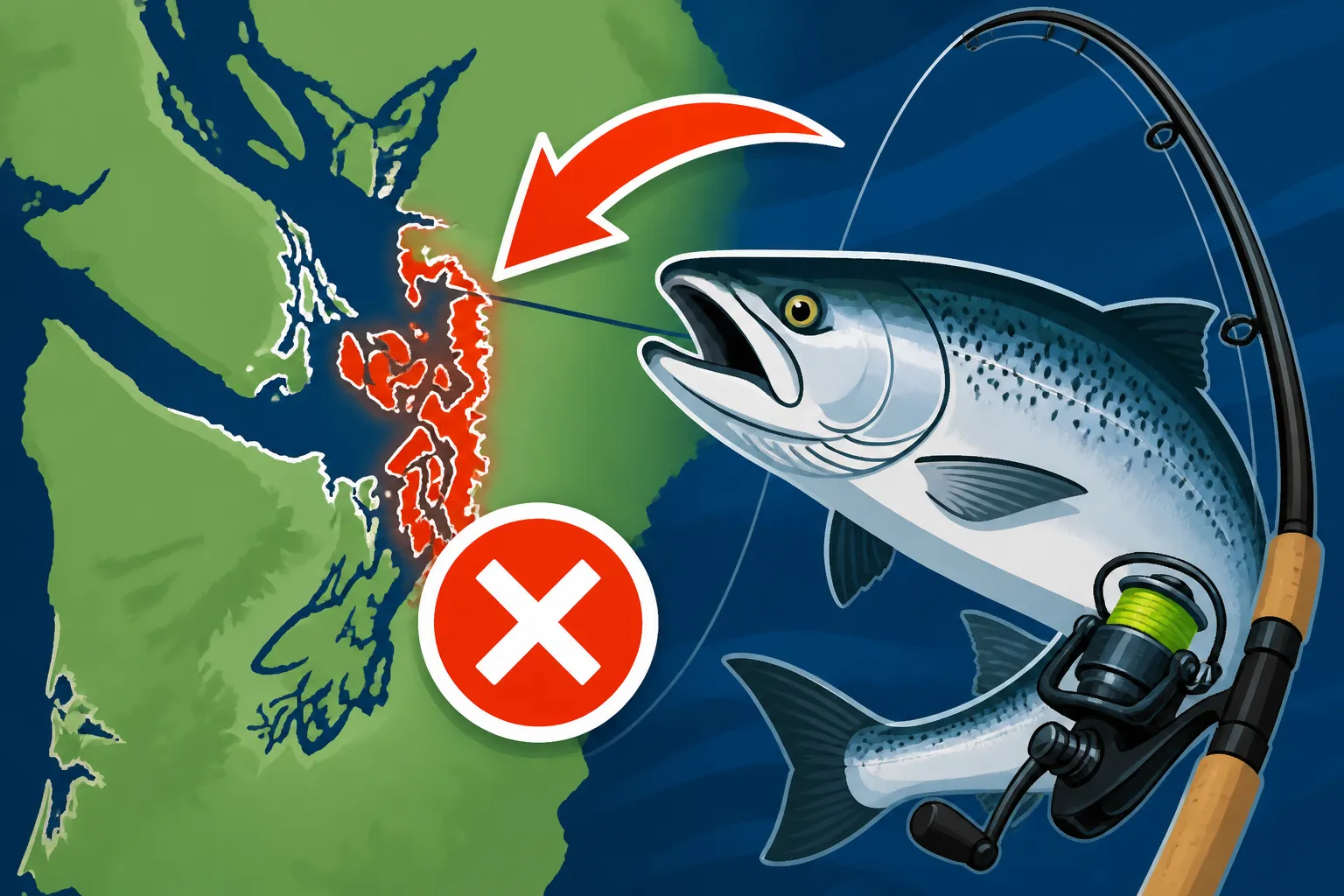
While no single marine area always closes first every single year for every single species, certain regions of Puget Sound consistently experience the most restrictive seasons and are prone to early, in-season closures, particularly for popular species like Chinook salmon. Generally speaking, Marine Areas 7 (San Juan Islands) and 9 (Admiralty Inlet) are frequently among the first to see significant restrictions or closures for salmon.
- Marine Area 7 (San Juan Islands): This area, often referred to as "Marine Area 7 for Salmon Fishing, Explained," is a prime example. Its complex network of islands and passages is home to numerous local salmon stocks, many of which are wild and critically important for conservation. Due to the presence of these sensitive populations and the area's role as a major migratory pathway, catch quotas for Chinook and sometimes Coho can be exceedingly low and are often met very quickly. This leads to shorter seasons, earlier closures, and often highly specific gear restrictions. For instance, a small "resident" Chinook fishery might be open for a brief period, but any general Chinook retention could be closed early to protect migrating wild fish from other river systems. It's a beautiful place to fish, but it demands constant vigilance regarding regulations.
- Marine Area 9 (Admiralty Inlet): Situated at the choke point where most Puget Sound-bound salmon must pass, Marine Area 9 (Admiralty Inlet for Salmon Fishing, Explained) is another hot spot for early closures. This area experiences immense fishing pressure, especially during the summer Chinook and Coho runs. Because so many different stocks converge here, WDFW often has to implement very conservative quotas to ensure enough fish make it to their spawning rivers. If catch rates spike, or if test fisheries indicate poorer-than-expected returns of specific wild stocks, Marine Area 9 can be shut down with little notice. Anglers here often find themselves watching daily updates, as a season planned for weeks can be over in days if the catch triggers an early closure.
- Other Areas of Concern: While 7 and 9 are frequently top contenders, other areas can also see early closures depending on specific stock forecasts. Marine Area 10 (Seattle/Bremerton) and Marine Area 11 (Tacoma/Vashon) also see significant fishing pressure and can have their salmon seasons curtailed early if local or migrating stocks are underperforming. These areas might not always be the absolute first to close, but they are certainly high on the list for unpredictable season lengths.
It’s not just salmon, either. Some specific bottomfish or shellfish seasons might also face early closures in certain areas if conservation goals are not met or if unique local conditions arise.
Primary Drivers Behind Premature Fishing Season Closures
Understanding why these marine areas are prone to early closures helps anglers appreciate the complexities and better anticipate future shifts. It's never an arbitrary decision; rather, it's a confluence of biological, environmental, and regulatory factors.
Stock Assessments and Quota Management:
The most significant driver for early closures revolves around the health of fish stocks. Before each season, fisheries managers at WDFW, in collaboration with tribal co-managers and federal agencies, conduct extensive stock assessments. These assessments forecast the expected returns of various salmon runs to their rivers. Based on these forecasts, total allowable catches (TACs) are established for each species and marine area. These TACs are then divided between recreational, commercial, and tribal fisheries.
If the forecasted return for a specific stock is low, the TAC will be severely restricted from the outset. For example, if Chinook Salmon: Washington's King of Fish are expected to have a poor return to the Skagit River, the marine areas where those Skagit Chinook migrate (like Marine Area 9 or 7) will have very tight recreational quotas. If anglers hit that quota quickly, often within days or weeks of the season opening, the WDFW has no choice but to issue an emergency closure to prevent overharvest and ensure enough fish escape to spawn. This is a common occurrence and highlights the immediate impact of successful fishing on limited quotas.
Environmental Conditions:
Nature plays a huge role in fishing seasons. Factors like prolonged drought, unusually warm water temperatures (in rivers or the ocean), or disease outbreaks can severely impact fish survival and returns.
- River Conditions: Low river flows can delay salmon migration, making them more vulnerable to predation or stress, and often leading to rivermouth closures. Conversely, heavy rains can blow out rivers, making fishing difficult but also protecting fish, sometimes leading to extensions in marine areas.
- Ocean Conditions: Warm "blob" events or shifts in ocean currents can affect the ocean survival of salmon and steelhead. Poorer ocean conditions often translate to lower returns, which in turn means stricter quotas and a higher likelihood of early closures in Puget Sound. These broad environmental shifts can influence "Washington Fishing Seasons: A Month-by-Month Guide" across the board.
Emergency Rule Changes and Treaty Rights:
The WDFW continuously monitors catch rates and fish passage during the season. If a stock is not performing as expected, or if a quota is being met much faster than anticipated, an "Emergency Rule Changes: Why Washington's Rules Shift Mid-Season" is issued. These changes are published on the WDFW website, often with very short notice (sometimes within hours). Staying on top of these updates is paramount, as they can instantly close an area or change retention limits.
Furthermore, treaty rights with Native American tribes are a fundamental aspect of fisheries management in Washington. Tribal fisheries have specific allocations, and management decisions are made in co-management with tribal nations. This often means that if tribal catch allocations are higher, or if a tribal fishery needs to be protected, recreational seasons in certain marine areas may be adjusted or closed early to ensure those rights are honored and conservation goals are met.
Staying Informed and Adapting Your Fishing Plans
Given the volatility of Puget Sound regulations, being proactive about staying informed is your best defense against an unexpected closure ruining your trip. Don't rely on last year's regulations or casual conversations; the rules are ever-evolving.
Here’s how you can stay ahead of the curve:
-
WDFW Official Resources: This is your absolute go-to.
- Website: The WDFW website has a dedicated "Sport Fishing Seasons and Emergency Rules" page where all changes are posted immediately. You should be checking this regularly, especially before heading out.
- Email Alerts: Sign up for WDFW's email updates. These alerts will deliver news about emergency rule changes directly to your inbox, giving you the earliest possible heads-up.
- "Fish Washington" App: This mobile app is a fantastic tool for quick, on-the-go access to current regulations by location, species, and marine area. You can also use it for your "Electronic Catch Record Cards and the Fish Washington App."
- Regulation Pamphlet: While it's a great starting point, remember that the printed "Reading the Washington Sport Fishing Regulations Pamphlet" is often outdated very quickly due to in-season changes. Always cross-reference with the online emergency rules.
-
Local Knowledge:
- Tackle Shops and Marinas: These establishments often have the most up-to-the-minute local intelligence. They hear about changes quickly and can offer advice on alternative spots if your intended area is closed.
- Charter Captains and Guides: Professional guides, especially those listed on platforms like FishingBooker, operate daily and are intimately familiar with the real-time regulatory landscape. They often know how to interpret trends and can advise on the likelihood of an area staying open. If you're considering "How to Book a Fishing Charter in Washington," this local expertise is a huge benefit.
-
Before Every Trip, Check Again: This cannot be stressed enough. Even if you checked yesterday, check again the morning of your trip. A critical return count or a surge in catch rates can trigger an immediate closure overnight. This is part of "What to Check Before Every Washington Fishing Trip" and should become a non-negotiable habit.
By diligently using these resources, you can avoid the disappointment of showing up to a closed fishery and instead adapt your plans to fish areas that are open, or target species that still have viable seasons. Flexibility is key to successful fishing in Washington's dynamic Puget Sound.
| Marine Area (Example) | Common Species Affected by Early Closures | Primary Reasons for Early Closure | What Anglers Should Expect |
|---|---|---|---|
| Marine Area 7 | Chinook, Sockeye (specific years) | Low wild stock forecasts, tribal co-management, tight quotas, high effort | Very short seasons, specific gear rules, frequent in-season changes, focus on resident stocks |
| Marine Area 9 | Chinook, Coho | Critical migratory pathway, high fishing pressure, low wild stock forecasts | Intense monitoring, seasons closing quickly once quotas are hit, rapid emergency rules |
| Marine Area 10 | Chinook, Coho | Localized stock concerns, urban fishing pressure, environmental factors | Can be open longer for certain species but vulnerable to localized closures, especially in specific inlets |
Staying informed is truly your best bet when navigating the complex and ever-changing world of Washington fishing regulations. By understanding which areas are most sensitive and why they close early, you're better equipped to adjust your plans and keep enjoying the incredible fishing opportunities the state has to offer.
Disclaimer
Fishing regulations are subject to change without notice. Always consult the official Washington Department of Fish and Wildlife (WDFW) website and emergency rule updates before heading out on the water. This guide provides general information and should not be considered a substitute for official WDFW regulations.