Best Time of Year to Fish Sekiu for Kings
Figuring out the absolute best time to hit Sekiu for King Salmon, also known as Chinook, can feel like trying to solve a puzzle with constantly changing pieces. You hear whispers of incredible runs, then suddenly regulations shift, or the fish just aren't showing up when you thought they would. It's frustrating when you've planned a trip, maybe even booked lodging, only to find you've missed the sweet spot. This guide is here to untangle the complexities and give you a realistic roadmap for targeting those magnificent Sekiu Kings.
Understanding Sekiu's Chinook Salmon Runs
Sekiu, nestled in Marine Area 5, is renowned for its Chinook salmon fishing, but it's not a year-round affair. Unlike some areas that might see sporadic kings, Sekiu really shines during specific windows, primarily targeting what we call "feeder" Kings or the early stages of the larger summer migratory runs. These are powerful, often aggressive fish, making them a top prize for anglers.
Summer Chinook: The Primary Target
The most anticipated and productive time for targeting King Salmon in Sekiu is during the summer months. These aren't necessarily fish headed directly to spawn in local rivers; many are migrating through the Strait of Juan de Fuca towards distant rivers like the Columbia River, Fraser River, or even further south. Sekiu's strategic location makes it a prime feeding ground and transit point for these larger, ocean-bright Chinook.
Anglers often refer to these as "Blackmouth" during the earlier parts of the season, which are resident Chinook that stay in Puget Sound and the Strait year-round. However, as summer progresses, you're looking for those bigger, migratory ocean-run fish. These salmon are actively feeding and can be incredibly powerful fighters. They are typically bright silver, full of fight, and exceptional table fare. Understanding how to identify a Washington Chinook Salmon is key to appreciating your catch.
Fall Chinook: A Secondary, Often Shorter, Opportunity
While summer is the main event, there can be a brief, often intense, fall Chinook fishery. As the calendar flips towards September and October, you might encounter fish that are beginning to stage closer to the mouths of rivers, though Sekiu itself isn't a major river mouth. These fish are generally larger and more focused on their spawning migration, meaning their feeding habits might be less aggressive than their summer counterparts. The fall window is heavily dependent on specific regulations and the strength of returning runs, and it can be notoriously short or even non-existent in some years if conservation concerns arise. This is where staying on top of Washington Sport Fishing Seasons and Emergency Closures becomes absolutely critical, as fall opportunities can change rapidly.
Identifying King Salmon in Sekiu Waters
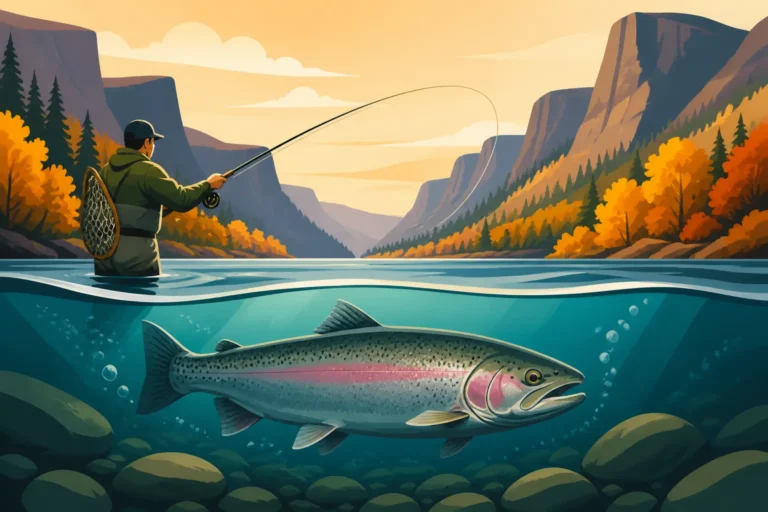
When you're out on the water, especially if you're mixing up your targeting or just curious, knowing how to tell a Chinook from a Coho or other salmon species is essential for adhering to regulations and maximizing your fishing experience. King Salmon, or Chinook, have a few distinguishing features. Their gum line, inside the mouth, will be entirely black. They also typically have small, irregular spots on both lobes of their caudal (tail) fin, and often on their back and dorsal fin. They have a more torpedo-shaped body compared to the more slender Coho. Pay attention to these details, as bag limits and size restrictions often differ by species. If you're unsure, it's always best to consult the current regulations or release the fish.
Seasonal Breakdown: Navigating the Sekiu King Salmon Calendar
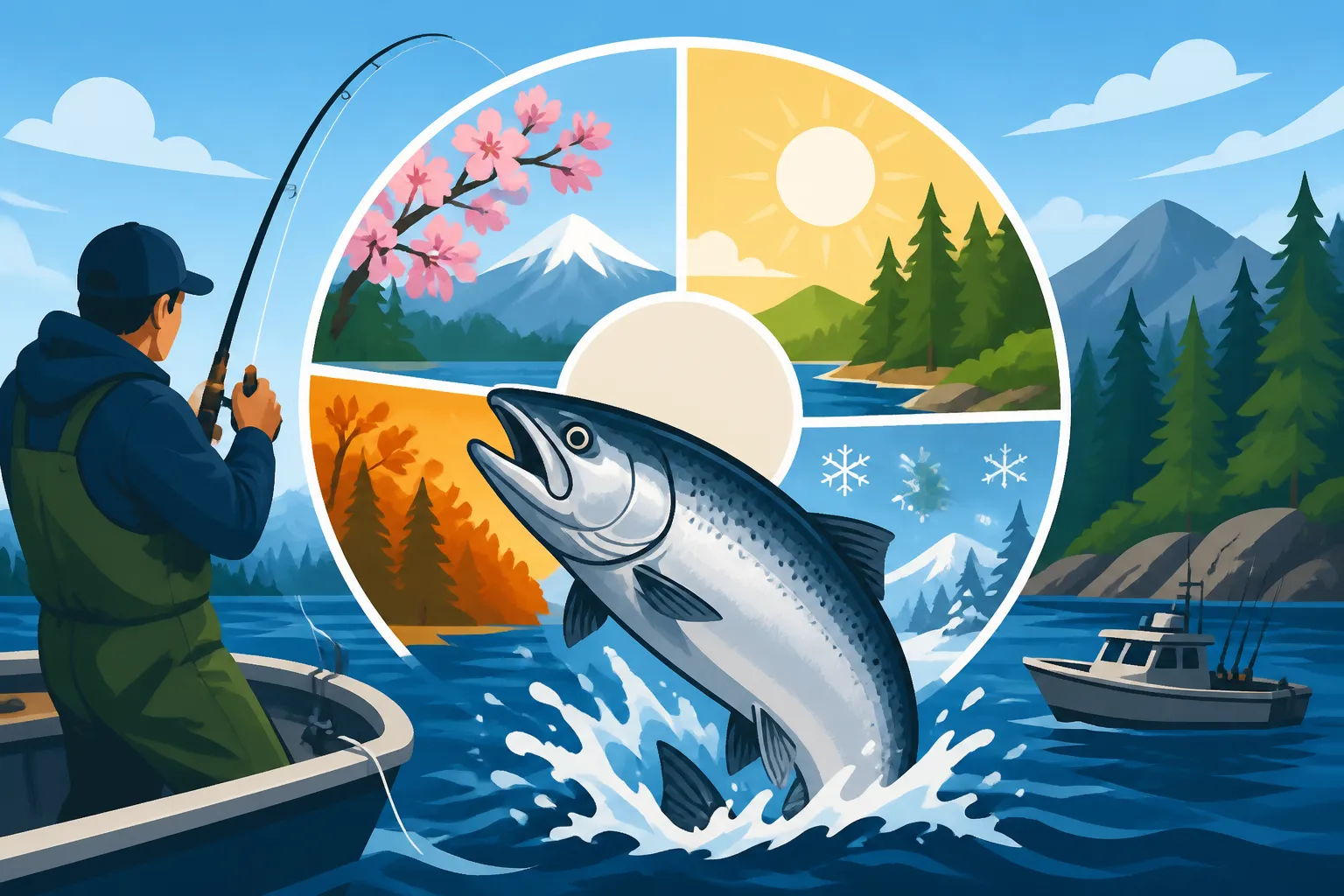
Timing your Sekiu King Salmon trip requires a blend of optimism, flexibility, and a keen eye on Washington's ever-changing fishing regulations. The season doesn't just open and close; it has distinct phases with varying opportunities and challenges.
Early Season: June and Early July
The summer King Salmon season in Sekiu typically kicks off in late June or early July, depending on the year's specific regulations for Marine Area 5. In these early weeks, you're often targeting a mix of resident "Blackmouth" Chinook, which have been feeding in the Strait all winter and spring, alongside the vanguard of the migratory ocean-run fish.
Fishing can be a bit more hit-or-miss in the early season. The weather might still be unpredictable, and the large schools of migrating salmon haven't fully arrived. However, when you do connect with an early season King, it's often a hefty, powerful fish. Anglers might find success trolling deeper, often with flashers and spoons or bait like herring, trying to locate these scattered but eager feeders. It's a great time for those who enjoy the challenge of hunting bigger, less concentrated fish, and often means less boat traffic compared to the peak of summer.
Peak Season: August to Early September
This is the prime window that most anglers dream of for Sekiu King Salmon. From roughly early August through the first half of September, Sekiu usually sees the most consistent and often the highest numbers of migratory Chinook salmon. These are robust, ocean-bright fish that are actively feeding as they push eastward through the Strait of Juan de Fuca.
During these weeks, the fishing grounds can be bustling with boats, but for good reason – the opportunity to catch multiple hard-fighting Kings is at its highest. You'll find a variety of techniques working, from downrigger trolling with bait, spoons, or plugs, to mooching with cutplugs or whole herring. Water temperatures are typically at their warmest, and baitfish like herring and anchovies are abundant, keeping the Kings active. This is when you want to make sure your gear is dialed in, as these fish are notorious for their powerful runs and head shakes. If you're thinking about a trip, this is undoubtedly the Best Time to Fish for Chinook in Washington's Puget Sound and specifically in Sekiu.
Late Season: Late September and October
As September winds down and October begins, the Sekiu King Salmon fishery typically starts to taper off. The vast majority of the summer migratory fish have moved on, heading towards their natal rivers. Any Kings still around are likely the last stragglers of the summer run or fish that are staging locally for specific systems further east in Puget Sound.
Opportunities can still exist, but they are generally fewer and far between, requiring more effort and often encountering fish that are beginning to transition towards their spawning colors and behaviors. Weather can also become a significant factor, with stronger winds and choppier conditions becoming more common, making offshore fishing less comfortable or even unsafe. By late October, the focus usually shifts entirely away from Kings, if the season hasn't already closed. This phase is less about abundance and more about persistence, or perhaps targeting other species that become more prevalent.
| Month | Primary Target Species | Key Considerations | Average Water Temp (F) | Avg. Day Length (Hours) |
|---|---|---|---|---|
| June | Resident Chinook (Blackmouth), early migratory Chinook | Less crowded, can be hit-or-miss, deeper fishing often best | 50-55 | 15-16 |
| July | Migratory Chinook, some Coho | Migratory run building, increasing boat traffic | 53-58 | 15-15.5 |
| August | Peak Migratory Chinook | Prime time for numbers and size, busy waters | 55-60 | 14-14.5 |
| Sept. | Late Migratory Chinook, early Fall Chinook, Coho | Run tapering, potential for larger fish, weather can change | 54-58 | 12.5-13.5 |
| October | Scattered Fall Chinook, Coho | Season often closing, focus on other species | 50-55 | 10.5-11.5 |
Note: Water temperatures and day lengths are approximations for the Sekiu area and can vary.
Factors Influencing Sekiu King Salmon Fishing
Fishing success for King Salmon in Sekiu isn't solely about the month you choose. A confluence of factors, from the rhythm of the tides to the ever-present threat of regulatory shifts, can drastically impact your day on the water.
Impact of Tides and Currents
The Strait of Juan de Fuca is a powerful body of water, and its strong tidal currents play a monumental role in how King Salmon behave and how you fish for them. Unlike lakes, where current is often negligible, ocean fishing for Kings requires a deep understanding of the ebb and flow. Salmon often use currents to their advantage, either to feed more efficiently by letting bait drift to them or to migrate with less effort.
Generally, the periods around tide changes, particularly the slack tide before a strong current begins, or the initial stages of a strong incoming or outgoing tide, can be incredibly productive. These are times when baitfish can get disoriented, making them easy targets for predatory Kings. Strong currents can make fishing difficult, either by making it hard to keep your gear in the strike zone or by pushing bait too fast. Learning the Best Tides for Puget Sound Salmon Fishing in Washington is a skill that will pay dividends not just in Sekiu, but across the entire Puget Sound region. Always check the tide charts for Sekiu (Marine Area 5) before you head out.
Weather and Water Conditions
Washington weather is, famously, unpredictable. A beautiful, calm summer day can quickly turn into a wind-swept, choppy experience in the Strait of Juan de Fuca. Strong winds, especially out of the west, can kick up significant swells, making fishing uncomfortable, if not downright dangerous, for smaller vessels.
Water clarity is another factor. While Kings are less sensitive to turbidity than some other species, excessively murky water from heavy rains or churned-up currents can sometimes make them harder to locate. Conversely, clear, calm conditions often mean bright sunshine, which can push salmon deeper. Overcast days with a light chop are often considered ideal, as they can encourage salmon to feed higher in the water column. Always check marine forecasts before launching your boat, and be prepared for changing conditions – a good set of rain gear and layers are non-negotiable.
Regulatory Changes and Emergency Rules
Perhaps the most frustrating, yet critical, factor for Sekiu King Salmon fishing is the dynamic nature of Washington's fishing regulations. Salmon seasons in the Strait are managed based on forecasted run sizes, conservation goals, and treaty obligations. This means that a season that looks promising in March can be drastically altered by July or August if actual returns are lower than anticipated or if specific stock limits are being approached.
The Washington Department of Fish and Wildlife (WDFW) frequently issues Emergency Rule Changes: Why Washington's Rules Shift Mid-Season for salmon. These can involve early closures, reduced bag limits, size restrictions, or even gear restrictions. It's not uncommon for a thriving fishery to be shut down with just a few days' notice. This unpredictability means anglers must constantly monitor the WDFW website or use tools like the Fish Washington app for the most up-to-date information. Planning a trip without checking the current rules is like betting against the house – you're likely to lose. This is why understanding Washington Fishing Regulations Every Angler Should Know is paramount.
Planning Your Sekiu King Salmon Trip
Successfully planning a King Salmon trip to Sekiu goes beyond just knowing when to go; it involves careful preparation, smart booking choices, and an understanding of the local fishing culture and logistics.
Booking Guides and Charters for Sekiu
For many, especially those new to the area or without their own boat, booking a guide or charter is the best way to experience Sekiu's King Salmon fishery. Local guides have intimate knowledge of the fishing grounds, current hot spots, and effective techniques, and they stay on top of daily regulatory changes. They provide all the necessary gear, bait, and often even clean your fish.
When looking for a guide, start by checking reputable online platforms like FishingBooker. You can browse various Sekiu-based charters, compare prices, read reviews from other anglers, and see what's included in the trip, such as rods, tackle, and fish cleaning. Many guides specialize in specific species or techniques, so be sure to communicate that you're primarily after King Salmon. Don't hesitate to ask questions about their experience, the boat, and what you should bring. Sites like FishingBooker make it much easier to find and secure a reputable captain for your adventure. Remember, popular guides, especially during the peak August window, book up incredibly fast, so plan well in advance – sometimes 6-12 months out. Learning How to Book a Fishing Charter in Washington is a crucial first step for many.
Gear and Techniques for Kings in Sekiu
If you're heading out on your own boat, or simply want to understand what the pros are using, knowing the right gear and techniques for Sekiu Kings is essential. The primary method is usually trolling. This involves dragging lures or bait behind a boat, often using downriggers to get them to specific depths where salmon are feeding.
- Rods and Reels: A medium-heavy to heavy trolling rod, typically 8.5 to 10.5 feet long, paired with a high-quality levelwind or conventional reel spooled with 25-40 lb monofilament or braided line, is standard. You need power to handle strong runs.
- Terminal Tackle: Flashers or dodgers (like a Hot Spot or Les Davis "Herring Dodger") are almost always used ahead of the main lure or bait. Popular lures include spoons (e.g., Silver Horde Coho Killers, Coyote Spoons) and various plugs (e.g., Brads Super Bait, Tomic Plugs).
- Bait: Cutplug herring is a classic and highly effective King Salmon bait. It's often fished behind a flasher. Learn the best way to rig herring for Puget Sound Chinook for maximum effectiveness.
- Downriggers: These are critical for presenting your gear at precise depths, which can range from 40 to 150 feet or more, depending on bait schools and fish activity.
- Electronics: A good fish finder is invaluable for locating bait balls and suspended salmon. GPS and chart plotters help you stay on course and mark productive areas.
Understanding Trolling for Salmon in Washington's Puget Sound will give you a solid foundation for Sekiu, as many of the principles are similar.
Essential Pre-Trip Checks and Logistics
Before you even think about putting a line in the water, a few logistical checks are crucial for a smooth and legal Sekiu King Salmon trip.
First, your fishing license and endorsements. Ensure you have a valid Washington state fishing license. If you're targeting salmon, you'll also need the appropriate Puget Sound Catch Record Card. Make sure you understand When a Catch Record Card Is Required in Washington and how to fill it out correctly for Chinook. If you're a nonresident, make sure you have the correct Washington Fishing License Guide for Nonresidents.
Second, check current regulations. As mentioned, rules can change overnight. Always consult the WDFW website for Marine Area 5 for the latest emergency rule changes and daily limits. This is part of What to Check Before Every Washington Fishing Trip.
Third, accommodation and supplies. Sekiu is a small, charming fishing village, but it has limited lodging options, which fill up quickly during peak season. Book your motel, cabin, or campsite well in advance. Make sure you have enough food, water, fuel, and any other personal essentials. There are a few small stores, but it's best to be mostly self-sufficient.
Finally, consider travel. Sekiu is a bit of a drive, especially if you're coming from Seattle or other major population centers. Factor in travel time and road conditions, particularly if you're towing a boat. For those without a car, getting to Sekiu or Neah Bay for a charter might require creative transportation solutions, but it's possible if you plan ahead, though perhaps not easily from Seattle directly.
Disclaimer
Fishing conditions and regulations in Washington State can change rapidly due to emergency rule changes, conservation efforts, and natural factors. Always consult the official Washington Department of Fish and Wildlife (WDFW) regulations and emergency rule updates before heading out on any fishing trip. The information provided in this guide is for general informational purposes only and should not be considered a substitute for official WDFW regulations.