Reading Water for Bank-Fishing Salmon
There's nothing quite as frustrating as showing up at your favorite riverbank or saltwater access point, rods in hand, only to stare out at a seemingly lifeless stretch of water, wondering where on earth the salmon could be hiding. We've all been there, casting blindly, hoping for a miracle. But the truth is, successful bank fishing for salmon in Washington isn't just about luck; it's about learning to "read the water," understanding how salmon use their environment, and making informed decisions about where to cast and what to present. This guide will help you develop that crucial skill, transforming your aimless casting into strategic fishing.
The Art of Observation: Beyond Just Looking at Water
When you first approach a new stretch of river or a familiar shoreline, it's easy to just see a vast expanse of water. But for the keen angler, that water tells a story – a story of currents, depths, structure, and ultimately, where salmon might be holding. It's a skill that takes time to develop, but once you start to piece together the clues, your success rate will soar.
Understanding River Structure and Flow
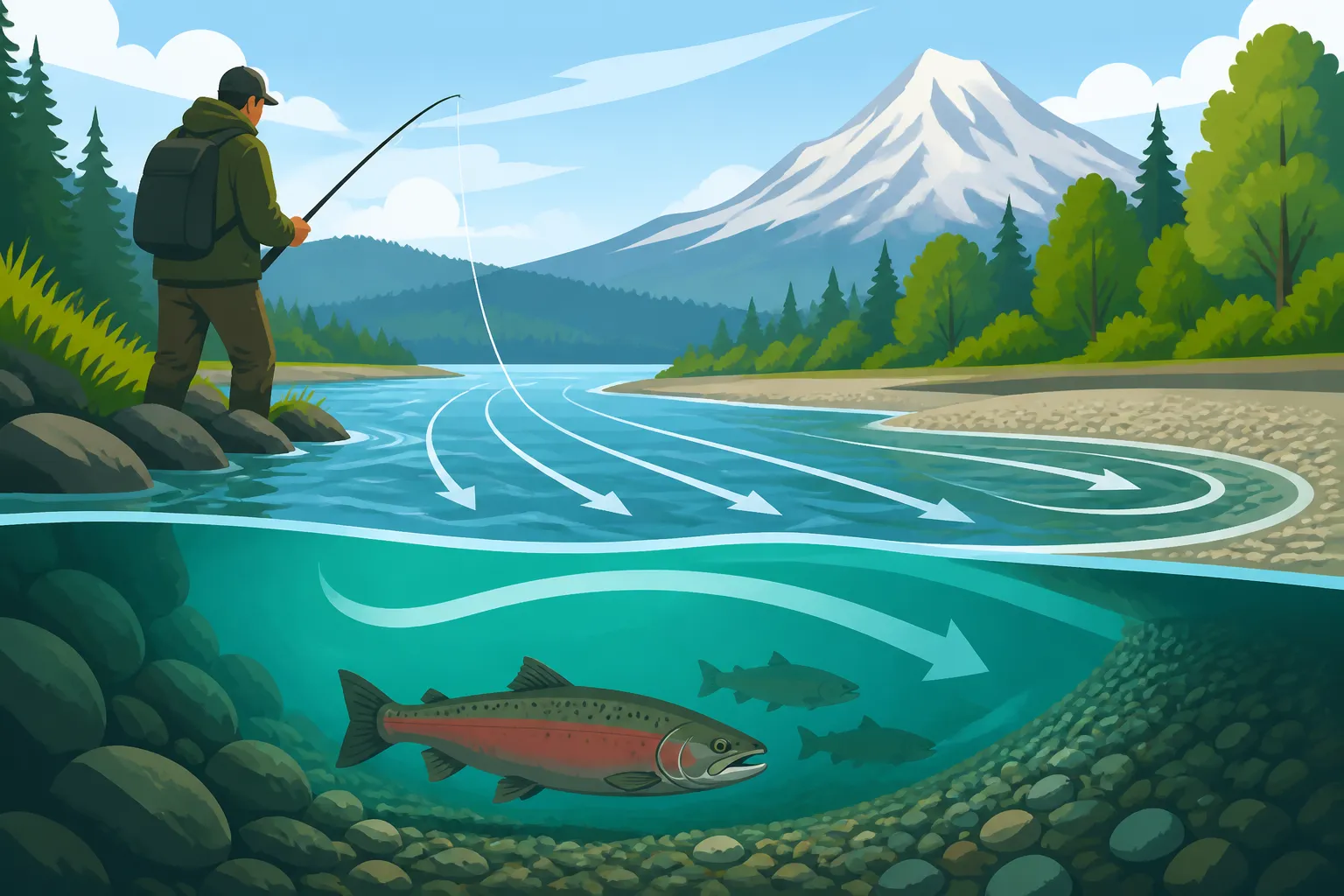
Rivers are dynamic systems, constantly changing with water levels, current speeds, and even the shifting of gravel and logs. When you're standing on the bank, take a moment to really observe. Where is the main current pushing? Are there slower eddies, calm pockets, or sudden changes in depth? Salmon, especially when migrating upstream, conserve energy. They won't fight the heaviest current if they don't have to. Instead, they'll seek out resting areas where the current is slack or broken, but still close enough to the main flow to make progress when they're ready.
Look for areas where the river widens, slows, and deepens, or where obstructions like large boulders or fallen trees create natural current breaks. These are prime candidates for holding fish. Imagine the river from a salmon's perspective: you're a creature designed to swim upstream, but you need to rest. Where would you hide from the powerful push of the water? You'd tuck in behind something, or settle into a deep, slow pool. Understanding these basic principles of hydraulics is your first step to unlocking productive bank fishing spots.
The Subtle Cues of Salmon Activity
Sometimes, the salmon will give themselves away, but not always in obvious ways. While you might occasionally see a magnificent chrome salmon leap completely out of the water, these aerial displays are often more about aggression or clearing gills than actively feeding or traveling. More subtle cues are often far more indicative of where fish are concentrated.
Look for swirls or boils on the surface, especially at dawn or dusk, which might indicate a salmon rolling just beneath the surface. Sometimes, you'll see a flash of silver just below the water's edge as a fish darts away from your shadow. Pay attention to the behavior of baitfish, if present; nervous schools could indicate a predator nearby. Even the absence of activity in certain areas can be a clue – if the entire river looks "dead," it might be too early or too late in the run, or the fish are simply deeper than usual. Conversely, if you see a lone boat hook a fish upstream, it gives you a strong indication that salmon are in that general corridor, and you can anticipate them moving towards your position. Many anglers find excellent resources on "reading water" by browsing books and guides available on platforms like Amazon, offering diagrams and detailed explanations.
Decoding Prime Salmon Holding Lies
Salmon don't just hang out randomly; they have preferred "lies," which are specific spots in the water where they feel safe, can rest, or ambush prey (though migrating salmon primarily focus on resting and moving upstream). Learning to identify these lies is critical for consistent success when bank fishing for salmon.
Identifying Deep Pools and Current Breaks
Deep pools are classic salmon holding areas, especially in rivers. These are typically found where the river bends, where bedrock creates a natural depression, or downstream from rapids and falls where the water has scoured out a deeper section. Salmon often stage in these pools, waiting for the right moment or conditions to continue their journey upstream. The deeper water provides security from predators and offers a cooler, more stable environment.
Equally important are current breaks. These are any features that disrupt the main flow of the river, creating a pocket of slower water. This could be a large rock, a log jam, an undercut bank, or even a sudden change in bottom contour. Salmon will sit just out of the main current, often right on the edge of the fast water, expending minimal energy while still being positioned to react if they need to move. When you spot a distinct line where fast water meets slow water, that's a current seam, and it's a prime target. Consider how "Plunking for Salmon on Washington Rivers" often targets these very types of current breaks, letting the current do the work of presenting the bait to waiting fish.
Understanding Seams, Riffles, and Tailouts
Beyond the big, obvious pools, smaller, more nuanced features often hold fish.
- Seams: These are the lines where fast water meets slow water. Salmon will often sit in the slower water, facing upstream, with their nose just barely in the faster current. This position allows them to conserve energy while also being aware of anything drifting downstream. Learning to identify these subtle seams, even in seemingly uniform stretches of river, can be incredibly productive.
- Riffles: These are stretches of shallow, fast-moving water, often characterized by a choppy, broken surface. While salmon typically don't hold in the fastest part of a riffle, they often transit through them quickly. The head of a riffle, where the water begins to speed up and often deepens slightly, and the tail of a riffle, where the water slows down and often deepens into a pool, are excellent places to intercept moving fish.
- Tailouts: The tailout is the shallow, gradually sloping end of a pool, where the water begins to speed up and flatten out into a riffle. Salmon will often rest in the deeper part of the pool before committing to the faster water of the tailout and the subsequent riffle. When they are ready to move, they will often stage in the tailout for a bit. This is a fantastic place for bank anglers, as fish are often concentrated here and actively moving, making them more susceptible to a well-presented lure or bait.
Recognizing Cover and Structure
Salmon are masters of concealment. They rely on cover and structure not just for protection from predators but also as resting spots. This can include natural elements like submerged logs, root wads, large boulders, and undercut banks. The darker water beneath an undercut bank or the eddy behind a massive log pile offers both shelter from the current and a sense of security.
Man-made structures can also be fish magnets. Bridge pilings, old pilings from abandoned docks, culverts, or even large concrete chunks can create current breaks and deep pockets that salmon will utilize. Always approach these areas with caution, as snags are often prevalent. However, the reward of finding a hidden salmon can be well worth the risk of losing a little tackle. Remember, fish want to feel safe and comfortable; any feature that provides this is a potential holding lie.
The Impact of Tides and Water Conditions on Bank Fishing
While river structure and flow are paramount in rivers, other environmental factors play an enormous role, especially in estuarine areas and the lower reaches of rivers that are tidally influenced. These conditions dictate when and where salmon might be active and accessible to bank anglers.
Tides in Estuaries and Lower Rivers
For salmon fishing in Puget Sound or the lower stretches of rivers like the Nisqually, Skagit, or Cowlitz that are influenced by the Puget Sound, understanding tides is not just helpful, it's absolutely crucial. Incoming tides can bring cooler, saltier water and often push baitfish (and hungry salmon) further upstream or closer to shore. Outgoing tides, conversely, can pull fish back towards the main channel or out of shallower areas.
Many experienced anglers find that the last hour of an incoming tide and the first hour or two of an outgoing tide are often the most productive. This is when the water is moving, creating feeding opportunities or stimulating migratory instincts. Knowing the tide charts for your specific area can dramatically increase your chances. For detailed information, you can always check resources like "Best Tide for Puget Sound Salmon Fishing in Washington" to fine-tune your approach. A simple tide app on your phone or a quick web search can provide the necessary data, which can often be found on fishing apps or even through a quick search on Amazon for tide books.
| Tide Phase | Salmon Behavior (General) | Best for Bank Anglers? |
|---|---|---|
| Incoming Tide | Pushes fish into estuaries/rivers, brings bait, creates current. | Often Good |
| High Slack Tide | Less current, fish may spread out or hold deep. | Can Be Slow |
| Outgoing Tide | Pulls fish out or into deeper channels, concentrates bait. | Often Good |
| Low Slack Tide | Least current, fish may hold deep, less active. | Can Be Slow |
Water Clarity and Temperature Considerations
Water clarity is a huge factor for salmon, especially for species like Chinook (King Salmon) and Coho (Silver Salmon) that often hunt by sight. In very clear water, fish can be spookier and more challenging to approach, often holding deeper or in more secluded cover. In these conditions, lighter leaders, smaller presentations, and natural baits are often more effective. On the other hand, extremely murky or "blown out" water can make it difficult for salmon to see your presentation at all. In these cases, brighter colors, larger profiles, and presentations that create more vibration might be necessary. Think about how "How Water Clarity Affects Steelhead Fishing" often highlights similar issues for a different species.
Water temperature is another critical element. Salmon are cold-blooded creatures, and their metabolism and activity levels are directly tied to water temperature. Each species has an optimal temperature range for migration and feeding. Too cold, and they can become sluggish; too warm, and they can become stressed, lethargic, and less likely to bite. Local resources and fishing reports often provide current water temperature, which can help you decide if it's even worth hitting a particular spot.
The Influence of Rain and Runoff
Rainfall and subsequent runoff can significantly impact river conditions. A light rain can often be a blessing, especially after a prolonged dry spell. It can cool the water, increase flow, and trigger salmon to move upstream. The slight discoloration can also provide an element of cover for fish and angler alike, making them less wary.
However, heavy rainfall can lead to "blown out" conditions – rivers become high, swift, and murky, often carrying debris. In these scenarios, fishing can become extremely challenging and even dangerous. Salmon will often "hug the banks" in these conditions, seeking refuge from the strong currents. They might also hold in very deep, slow pools. While it's tough, sometimes these conditions can concentrate fish in predictable areas, offering a unique opportunity for an angler willing to brave the elements and adjust their strategy. Always check current river levels and forecasts before heading out, as emergency closures can occur due to conditions, as highlighted in "Washington Sport Fishing Seasons and Emergency Closures" and "Emergency Rule Changes: Why Washington's Rules Shift Mid-Season."
Adapting Your Approach: Gear and Technique for Different Water
Once you've diligently read the water and identified potential salmon lies, the next step is to adapt your gear and technique to effectively present your offering. No single setup or method works everywhere, and being versatile is a hallmark of a successful bank angler.
Choosing the Right Rod and Reel for the Situation
Your choice of rod and reel should complement the water you're fishing. For larger rivers with strong currents and the potential for big Chinook, a longer, more powerful rod (9-10 feet, medium-heavy to heavy action) paired with a robust baitcasting or spinning reel spooled with 20-30lb main line is often ideal. This setup provides the casting distance, leverage, and backbone needed to control heavy gear and fight strong fish. When exploring options, you might even find specialized "Rod and Reel You Need for Washington Puget Sound Salmon" articles that delve into specifics.
For smaller streams, or when targeting Coho or Sockeye in clearer, shallower water, a lighter setup (8-9 feet, medium action) with 10-20lb line might be more appropriate. This allows for more delicate presentations and can be more enjoyable for smaller fish. Consider the cover you're fishing around, too; if there are lots of snags, a stronger setup might be necessary to muscle fish away from danger. Many anglers research and purchase a variety of specialized rods and reels from retailers like Amazon to cover all these bases.
Strategic Lure and Bait Selection
The best lure or bait often depends on the species you're targeting, the water conditions, and the specific lie you're fishing.
- Spinners and Spoons: These are excellent for active fish in moving water. Bright colors work well in murky conditions, while more natural or metallic finishes can be deadly in clear water. Cast upstream and across, letting them swing through current seams and around structure.
- Drift Fishing Rigs: When fishing deep pools or tailouts, drift fishing with cured roe, an Oregon Fishing Eggs egg cluster, or even a small diver and a bait presentation is highly effective. The key is to use just enough weight to bounce along the bottom without snagging, presenting your bait naturally to salmon holding near the riverbed.
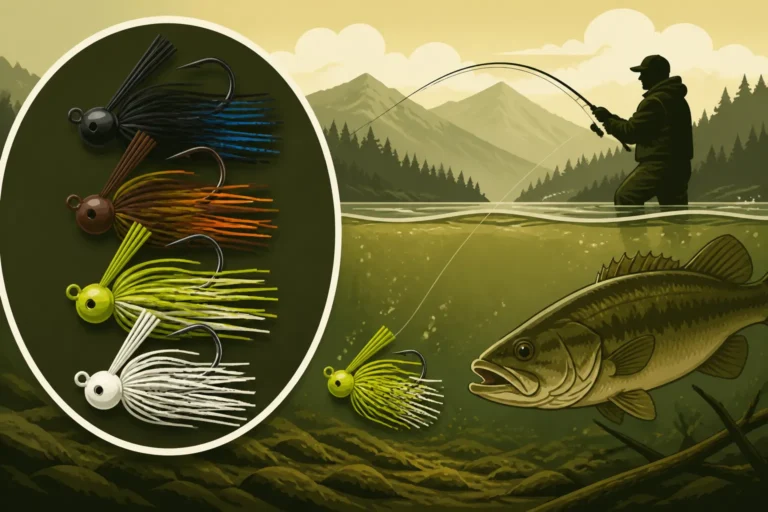
- Bobber and Jig/Bait: For fishing specific pockets, undercut banks, or slower moving water, a bobber and jig (or bobber and bait) setup allows for precise depth control and a subtle presentation. This is particularly effective for Coho and often productive for Chinook as well. Look for jigs in bright colors or more natural patterns, depending on water clarity. You can find many popular jig patterns and sizes readily available on Amazon.
- Plugs/Wobblers: In heavier current or larger pools, weighted plugs that dive and wobble can trigger aggressive strikes. These are often fished by casting upstream and letting the current work the plug through a holding area.
Understanding "Bank Fishing Techniques for Washington Salmon" is crucial, and it always comes back to observing the water and seeing what's working (or not working) to guide your choices.
Casting and Presentation Techniques
How you cast and present your offering is just as important as what you're using.
- Casting Accuracy: Aim for those specific current breaks, edges of pools, or behind submerged structure. Precise casting minimizes wasted effort and puts your lure where the fish are most likely to be.
- Controlling Your Drift: Whether drift fishing or using a bobber, maintaining a "drag-free" drift is paramount. You want your bait or lure to move at the same speed as the current, mimicking natural food. This often means mending your line (feeding slack upstream) to prevent the current from pulling your line and dragging your presentation unnaturally.
- Swinging Lures: For spinners and spoons, a controlled swing through a holding area can be incredibly effective. Cast slightly upstream and across, allowing the current to carry your lure down and across the river, mimicking a struggling baitfish.
- Varying Retrieve: Don't just reel in at a constant speed. Experiment with pauses, twitches, and changes in retrieve speed. Sometimes, a subtle change in action is all it takes to trigger a strike from a hesitant salmon. Always be ready for a strike on the drop or during a pause.
Safety and Ethics When Reading Water from the Bank
Bank fishing for salmon often puts you in close proximity to nature and other anglers. Being mindful of safety and practicing good ethics are essential for an enjoyable and sustainable experience for everyone.
Navigating Bank Access and Obstacles
Washington's rivers and coastlines offer incredible bank access, but it's not without its challenges. Always be aware of your surroundings. Slippery rocks, steep banks, rapidly rising water levels, and swift currents can all pose serious hazards. Wear appropriate footwear with good grip, consider wading boots and cleats if you plan to get in the water, and never take unnecessary risks. A wading staff can be an invaluable tool for stability.
Respect private property. Not all riverfront is public access, and trespassing can lead to fines or worse. Always look for clear signage or consult maps to ensure you're fishing legally. Many popular fishing spots have designated public access points, often maintained by the Department of Fish and Wildlife (WDFW) or local parks departments. Information from "Reading the Washington Sport Fishing Regulations Pamphlet" will often clarify access rules in different areas.
Respecting Fellow Anglers and Private Property
Bank fishing can sometimes mean sharing a limited stretch of productive water with many other anglers, especially during peak salmon runs. A little courtesy goes a long way.
- Give Space: Don't crowd other anglers. Maintain a reasonable distance, respecting their "fishing water." A general rule of thumb is to give them enough room to cast and fight a fish without interference.
- Rotate Through Runs: In popular spots, it's common practice to work your way downstream through a productive run, and then loop back around to the top to start again, allowing others to have a turn. This creates a fair rotation system for everyone.
- Keep Noise Down: Sudden loud noises can spook fish and disturb other anglers. Be mindful of your voice and avoid unnecessary commotion.
- Leave No Trace: Pack out everything you pack in, and perhaps even a little more. Dispose of all trash, including discarded fishing line (which is a hazard to wildlife), properly. Leaving an area cleaner than you found it is the mark of a true sportsman.
- Understand Rules: Familiarize yourself with all the regulations. For example, "Understanding Washington's Daily Bag Limits by Species" is vital to ensure you're not over-harvesting and are contributing to the sustainable management of these precious resources.
Advanced Water Reading Tips
Even with a solid understanding of the basics, there are always more layers to uncover when it comes to reading water for salmon. The more time you spend on the bank, the more subtle clues you'll begin to notice.
Observing Other Anglers' Success
While it's important to develop your own intuition, don't be afraid to learn from others. If you see another angler consistently hooking fish in a particular spot or using a specific technique, pay attention. What kind of water are they fishing? Are they casting into a deep seam, an eddy, or a tailout? Are they using a float, a spinner, or drift fishing? This isn't about copying their exact setup, but rather understanding why they might be having success.
Of course, ask politely if you can observe, and avoid casting right on top of them. A quick, friendly chat can often yield invaluable insights into current conditions, what's been biting, and even where to find other productive spots. Many local tackle shops are also goldmines of information, as they hear firsthand what's working from a multitude of anglers.
Utilizing Online Resources and Local Knowledge
In the digital age, a wealth of information is at your fingertips. Websites like the WDFW publish weekly fishing reports, river flows, and detailed regulations. Forums and social media groups dedicated to Washington fishing can offer real-time updates and discussions among local anglers. Satellite imagery (like Google Maps) can be a fantastic tool to scout new areas, identify river bends, deep pools, and access points before you even leave home. This can be especially helpful when exploring locations mentioned in general articles like "The Best Places to Fish in Washington State."
Don't underestimate the power of local tackle shops. These businesses thrive on local knowledge and are often staffed by passionate anglers who are happy to share advice, tips, and current conditions. They can tell you what lures are hot, which spots are fishing well, and what specific gear you might need for the current bite. They also often carry a selection of local maps and specialized gear that you might not find in larger chain stores, although for basic supplies and a wider selection, browsing fishing essentials on Amazon can always round out your tackle box.
Ultimately, reading water is a journey, not a destination. Each trip adds to your experience, helping you connect the dots between water conditions, salmon behavior, and successful presentations. Keep observing, keep learning, and most importantly, keep enjoying your time on the beautiful waters of Washington.
Disclaimer
Fishing regulations, seasons, and access can change rapidly. Always consult the most current Washington Department of Fish and Wildlife (WDFW) regulations before heading out on the water. This guide provides general information and does not supersede official WDFW rules.