Washington Rivers That Are Wild Steelhead Gene Banks
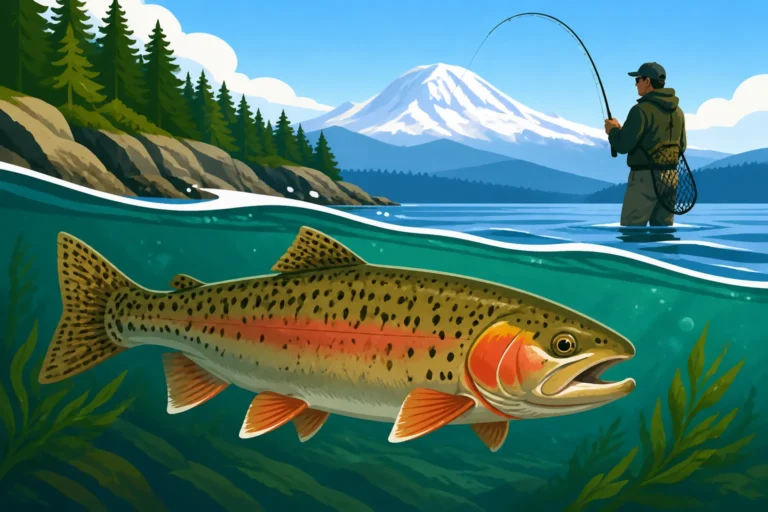
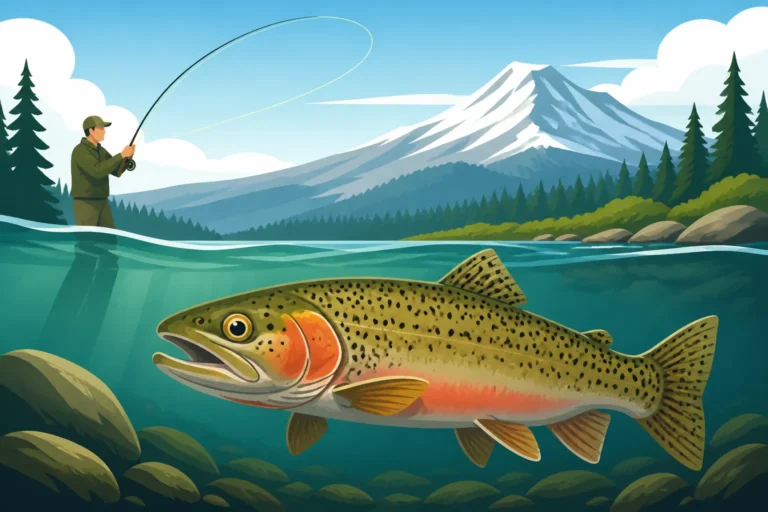
There's something truly magical about a wild steelhead, isn't there? That chrome bright torpedo, fresh from the ocean, navigating swift river currents with an ancient wisdom. For many Washington anglers, the pursuit of these incredible fish is a deep passion, but also one that comes with a lot of regulations and sometimes, a bit of mystery. Understanding why certain rivers are managed so strictly can be frustrating if you don't grasp the bigger picture. This guide will peel back the layers on "wild steelhead gene banks" in Washington, explaining what these vital river systems are, why they're so crucial for the future of these fish, and which precious waters hold this special designation, helping you connect the dots between conservation and your angling adventures.
Understanding Wild Steelhead Gene Banks
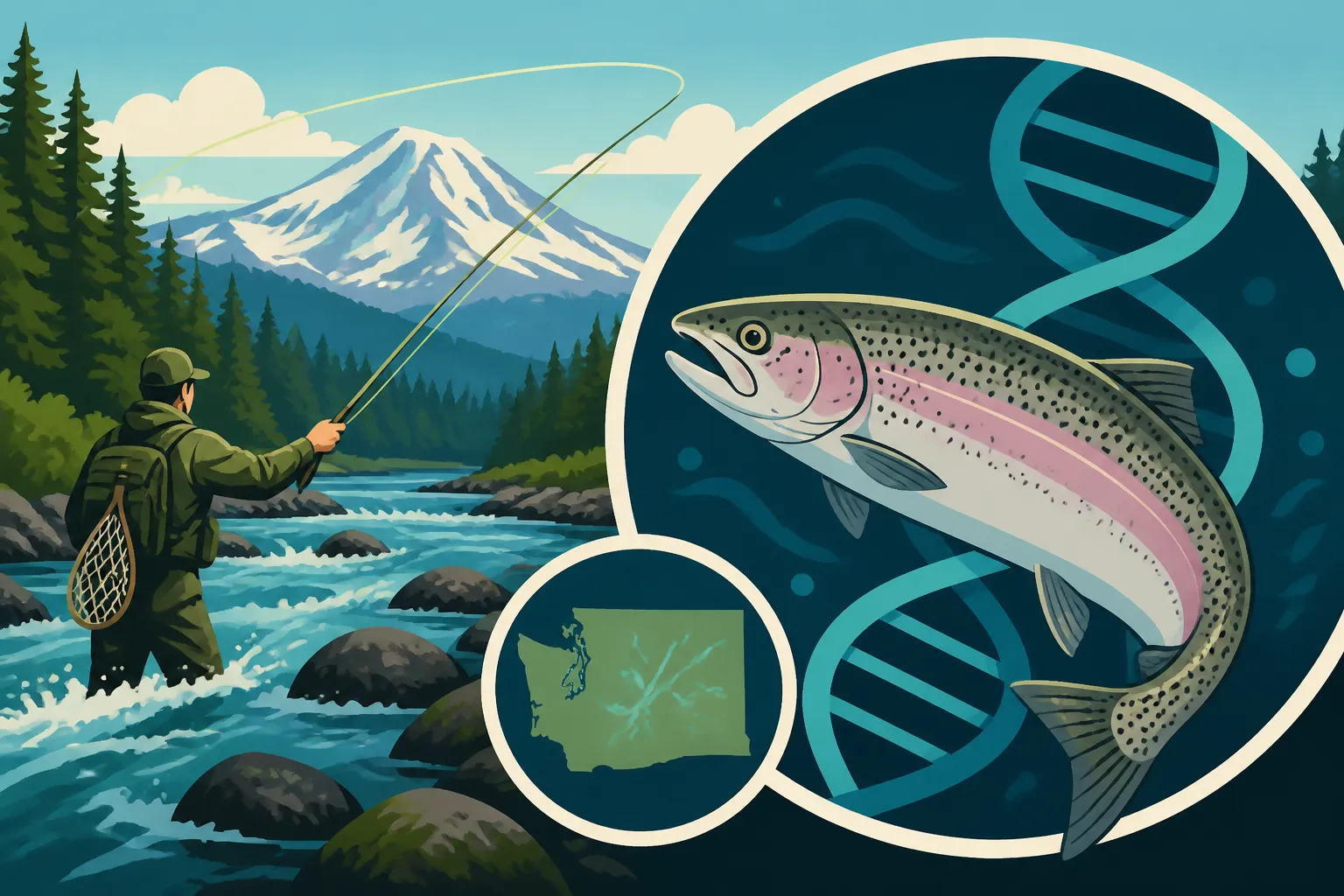
The term "gene bank" might sound a bit scientific, perhaps even clinical, but when we're talking about wild steelhead, it refers to something deeply organic and incredibly vital: protecting the purest genetic strains of these magnificent fish. Imagine these rivers as living libraries, holding the blueprints for steelhead that have successfully navigated Washington's unique challenges for millennia.
What Exactly is a Gene Bank?
At its heart, a wild steelhead gene bank is a designated river or specific segment of a river where the primary goal is to protect and maintain the genetic integrity of native, wild steelhead populations. This means minimizing or outright eliminating any influence from hatchery-raised fish, which, while valuable for providing harvest opportunities, can dilute the genetic strength of wild stocks over generations. Wild steelhead in these gene banks are the descendants of fish that have adapted naturally to their specific watershed, evolving resilience to local predators, diseases, and environmental shifts like changing water temperatures and flow regimes.
This natural adaptation is precisely why gene banks are so crucial. When wild fish interbreed with hatchery fish, the unique genetic advantages honed over countless generations can be lost. Hatchery fish, bred for survival in a controlled environment, often lack the diverse genetic toolkit needed to thrive in the rugged, unpredictable wilderness of a river system. Protecting these wild populations ensures a resilient gene pool that can, in theory, withstand future environmental challenges, acting as a critical safeguard for the entire species. It’s like safeguarding an original masterpiece instead of relying solely on mass-produced prints.
Why Washington Has Designated These Rivers
Washington State has a rich history of steelhead fishing, but also a stark reality of declining wild runs in many areas. This decline spurred a critical reevaluation of conservation strategies, leading to the designation of certain river systems as wild steelhead gene banks. The Washington Department of Fish and Wildlife (WDFW), often working alongside various conservation organizations, recognized that some of our rivers still harbored robust, genetically distinct wild steelhead populations that needed special protection. These rivers became focal points for intensive conservation efforts.
The underlying rationale is multifaceted. First, these rivers serve as crucial reservoirs of genetic diversity, providing a natural insurance policy against widespread declines. Second, by protecting these populations, Washington aims to maintain the ecological integrity of these watersheds, recognizing that healthy steelhead runs are indicators of healthy rivers overall. Third, these designations often come with more stringent regulations – think mandatory Catch-and-Release Rules During Wild Steelhead Closures or strict gear restrictions – which, while sometimes inconvenient for anglers, are direct measures to ensure these fish can complete their life cycles with minimal human impact. It's a long-term investment in the future of Washington's steelhead heritage, allowing these unique fish to continue their incredible journey from river to ocean and back again, unimpeded.
Key Characteristics of Gene Bank Rivers
Visiting or fishing a wild steelhead gene bank river isn't like fishing a typical hatchery-supplemented stream. There's a different atmosphere, a sense of quiet reverence for the wildness, and a much stricter rulebook to follow. These rivers aren't just special because of their fish; they're special because of how they're managed and the pristine environments they represent.
Strict Management and Fishing Regulations
One of the most immediate and impactful characteristics of a gene bank river is the set of stringent management practices and fishing regulations that come with it. You'll often find these rivers designated as "catch-and-release only" for steelhead, sometimes year-round, sometimes during specific critical windows. This isn't meant to spoil your fun, but rather to ensure that every wild steelhead has the best possible chance to spawn and contribute to the next generation. The frustration of catching a beautiful fish only to release it is real, but when you understand it's to protect a unique genetic lineage, it helps frame the experience.
Beyond catch-and-release, anglers will frequently encounter specific gear restrictions. Barbless Hook Requirements on Washington Rivers are almost always in effect, minimizing injury to released fish. You might also find Washington Bait Bans and When They Apply, with only artificial lures or flies allowed, further reducing the chance of deep hooking and improving post-release survival. Season closures for steelhead can be common, especially during sensitive spawning periods or when returns are particularly low, requiring anglers to diligently check the regulations before heading out. For instance, you might find certain stretches closed completely to angling or restricted to only specific species, allowing steelhead their space. These rules are designed to give these wild fish every advantage, reducing stress and mortality, and making sure the genetic blueprint remains strong.
Unique Habitat and Ecosystems
It's no accident that wild steelhead gene banks are often found in some of Washington's most breathtaking and relatively untouched landscapes. These aren't your urban backyard creeks; they are typically pristine river systems flowing through intact watersheds, often characterized by cold, clean water, complex woody debris, diverse gravel beds for spawning, and lush riparian vegetation that provides shade and insect life. Think towering old-growth forests, remote valleys, and a distinct lack of human encroachment.
These unique habitats are critical because they provide everything a wild steelhead needs to thrive: clean gravel for eggs, ample insect life for juvenile fish, cool water temperatures during summer, and plenty of cover from predators. The health of the entire ecosystem, from the smallest invertebrate to the largest cedar, is directly tied to the success of these wild runs. These rivers act as natural laboratories, demonstrating what a healthy, self-sustaining steelhead population looks like when given the space and protection it needs. They remind us of what all our rivers once were, and what, with diligent conservation, some can still be.
Identifying Washington's Wild Steelhead Gene Bank Rivers
When we talk about Washington's wild steelhead gene banks, one region stands out as a true stronghold: the Olympic Peninsula. Its remote, rugged landscape and abundant rainfall have provided a sanctuary for wild steelhead for generations. While specific designations can change, the Olympic Peninsula rivers are consistently highlighted for their importance to wild steelhead genetics.
The Olympic Peninsula's Critical Role
The Olympic Peninsula is home to several of the most iconic wild steelhead rivers in Washington, and indeed, in the entire Pacific Northwest. Rivers like the Hoh, Sol Duc, Bogachiel, and Quillayute systems, all flowing from the Olympic Mountains directly into the Pacific Ocean, are renowned for their wild steelhead populations. These rivers benefit from high annual rainfall, creating consistent, cold flows that are ideal for steelhead. Their remoteness, particularly in the upper reaches, has also protected them from much of the habitat degradation seen in more developed areas.
Anglers who venture into these waters, often referred to as "steelhead alley," are not just pursuing a fish; they are immersing themselves in one of the last bastions of true wilderness angling. The Fishing Washington's Olympic Peninsula Rivers experience is legendary, but it comes with a deep responsibility. For example, The Hoh River's Winter Steelhead Season is world-famous, yet anglers are expected to adhere to extremely strict catch-and-release protocols for wild fish. Similarly, The Sol Duc River for Wild Steelhead in Washington is another gem, offering incredible fishing but demanding careful handling of these precious wild specimens. Many sections of these rivers are managed explicitly as wild steelhead gene banks, underscoring their irreplaceable value. It's a place where you're truly connecting with nature, far from the hustle and bustle, where the health of the river is paramount.
Other Notable Gene Bank Designations
While the Olympic Peninsula is the most prominent example, other river systems or specific reaches within them are also managed with wild steelhead genetic protection as a priority. These can sometimes be more localized or involve specific tributaries. The general approach is to identify areas where wild populations still exist with minimal hatchery influence and then implement targeted protections. However, the exact list of officially designated "gene banks" can fluctuate based on ongoing research, stock assessments, and management strategies by WDFW.
It’s always essential to consult the most current Washington Sport Fishing Regulations pamphlet or WDFW website for the specific rules of any river you plan to fish, especially those known for wild steelhead. These designations reflect a commitment to preserving the purest forms of these incredible fish, ensuring their ability to adapt and survive. Before hitting the river, many serious steelhead anglers will research conservation efforts, perhaps even picking up a field guide or book on the topic from Amazon, to deepen their understanding of these precious ecosystems.
To give you a clearer picture, here’s a simplified look at some prominent rivers often associated with wild steelhead conservation, particularly within the context of genetic preservation:
| River System | Primary Location | Key Conservation Focus | Typical Angling Regulations |
|---|---|---|---|
| Hoh River | Olympic Peninsula | Wild winter steelhead genetic integrity, pristine habitat | Often catch-and-release for wild steelhead, barbless hooks |
| Sol Duc River | Olympic Peninsula | Wild winter steelhead genetic integrity, habitat restoration | Often catch-and-release for wild steelhead, barbless hooks |
| Bogachiel River | Olympic Peninsula | Wild winter steelhead genetic integrity | Often catch-and-release for wild steelhead, barbless hooks |
| Quillayute River System (incl. Calawah) | Olympic Peninsula | Wild winter steelhead genetic diversity | Often catch-and-release for wild steelhead, barbless hooks |
| Upper Skagit River (select tributaries) | North Cascades | Wild winter and summer steelhead genetic preservation | Highly regulated, often catch-and-release, specific gear |
Please remember that this table is illustrative. Always check current WDFW regulations for precise and up-to-date information for any specific river and season.
Angler Responsibility and Future Outlook
Being an angler in Washington, particularly when fishing for steelhead, means being part of a larger conservation story. Our actions on the river have a direct impact on the future of these fish, especially in critical wild steelhead gene bank rivers.
How Anglers Can Contribute to Conservation
Your role as an angler goes far beyond simply catching fish. When you’re on a wild steelhead gene bank river, your adherence to the rules is a direct contribution to conservation. Always practice proper Catch-and-Release Rules During Wild Steelhead Closures. This means using appropriate gear, minimizing fight time, keeping the fish in the water as much as possible, and handling it gently with wet hands before a quick release. Learning Wild Steelhead Release Rules on Washington's Olympic Peninsula Rivers is crucial if you plan to fish there. Every wild fish that swims away strong is a victory for the gene bank.
Beyond the immediate act of fishing, anglers can contribute by educating themselves and others, supporting conservation organizations that advocate for wild steelhead, and reporting any suspicious activity that could harm these precious populations. Purchasing specific barbless hooks or specialized nets from retailers like Amazon that are designed for minimal fish handling also directly supports ethical angling in these sensitive areas. It's about being a steward of the resource, ensuring that future generations of anglers can experience the thrill of a truly wild steelhead.
The Long-Term Vision for Wild Steelhead
The long-term vision for wild steelhead in Washington is one of recovery and resilience. By protecting these gene bank rivers, the hope is to foster strong, self-sustaining populations that can weather environmental changes and provide a consistent source of genetic strength for steelhead across the region. This isn't an easy task, as steelhead face numerous challenges, including habitat loss, climate change impacting water temperatures and flows, and ongoing interactions with hatchery programs in other river systems. Understanding How to Tell Wild Steelhead From Hatchery Steelhead is part of appreciating this effort.
However, these gene bank rivers offer a beacon of hope. They demonstrate that when given the chance, wild steelhead can thrive. The continued success of these rivers will rely on ongoing scientific research, adaptive management strategies, and the collective commitment of anglers, conservationists, and policymakers. It’s a vision where the wild steelhead, the true icon of the Pacific Northwest, continues its incredible journey for centuries to come, its genetic legacy secured in the pristine waters of Washington's dedicated gene banks. Durable rain gear and specialized clothing, often sourced from places like Amazon, are essential for staying comfortable on these often remote and challenging rivers, allowing you to fully appreciate the wildness of these precious ecosystems.
Disclaimer
This article is for general informational purposes only and does not constitute professional advice. Laws, prices and regulations vary by location and change over time. Consult a qualified professional for guidance on your specific situation.