Washington State Record Walleye
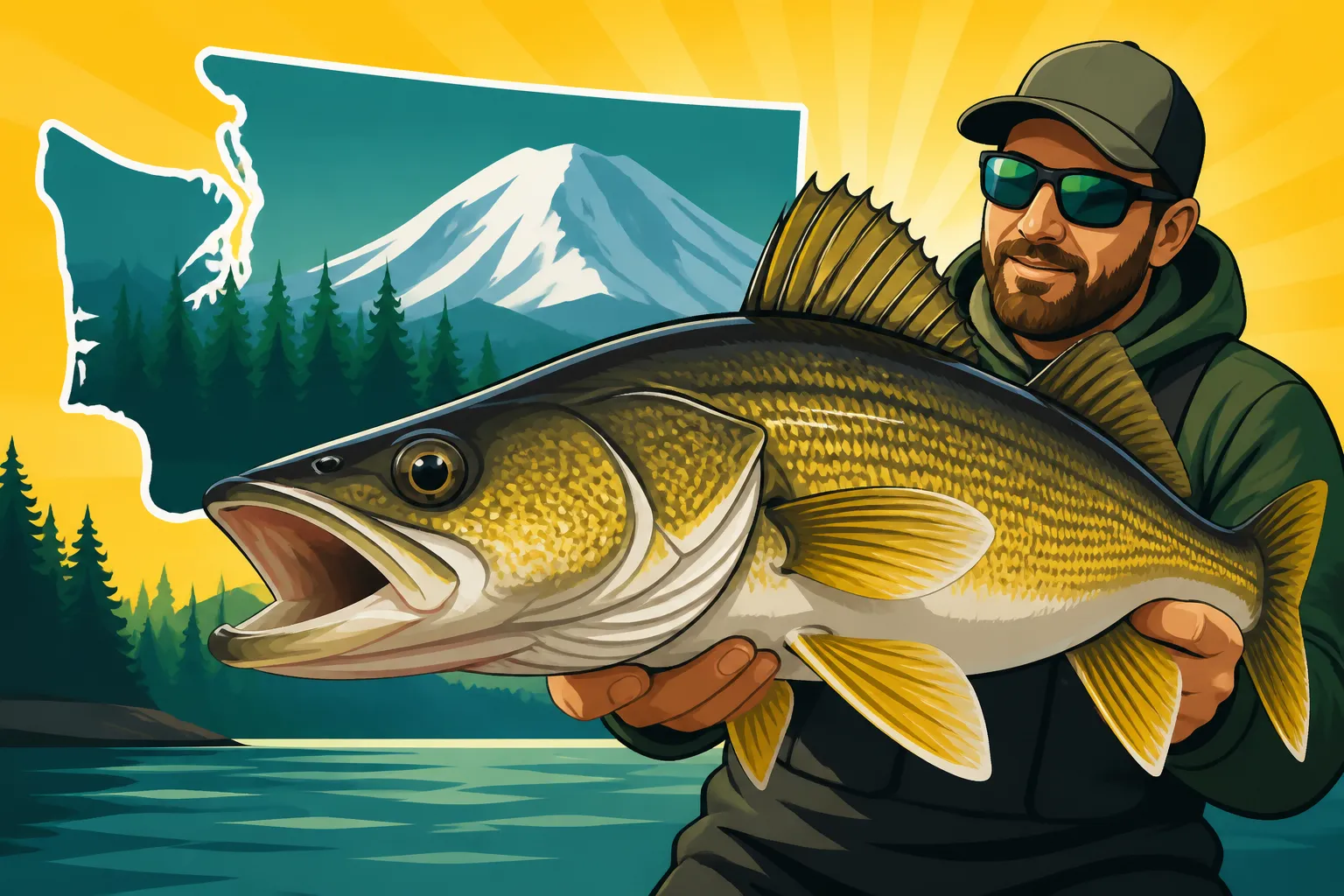
There's a special kind of thrill that comes with chasing a truly monumental fish, and for many anglers in Washington, that quest often leads to the elusive, record-breaking walleye. You might be dreaming of that huge catch, wondering what it takes to land a fish of legendary proportions, or simply curious about the current benchmark. This guide will walk you through everything you need to know about the Washington State walleye record, from where these giants live to how you might just land one yourself.
The Quest for Washington's Walleye Record Holder
Catching a truly massive walleye is an accomplishment in itself, but holding the state record? That's a whole different level of angling fame. It's a testament to patience, skill, and often, a little bit of luck. Washington has some incredible walleye fisheries, and every year, anglers come close to shattering the existing record.
What it Takes to Be a Record Fish
Becoming a state record holder isn't just about catching a huge fish; it's about following a very specific set of rules to ensure fairness and accuracy. Imagine the sheer excitement of reeling in a monster walleye, only to realize you don't know the proper steps to get it certified! It's enough to make any angler's heart sink. The Washington Department of Fish and Wildlife (WDFW) has clear guidelines for certifying a record catch. This usually involves getting the fish officially weighed on certified scales, often at a reputable tackle shop or grocery store, as quickly as possible to prevent weight loss. The species must be positively identified, and sometimes, a WDFW biologist will need to confirm it. There are often forms to fill out, witnessed by individuals who can vouch for the catch. It’s a process designed to maintain integrity, making that record truly meaningful.
Anglers need to be prepared for this moment, not just with the right gear, but with the knowledge of how to handle a potential record fish. This means having a plan for immediate transport to a certified scale and knowing whom to contact. It's a rare event, so having a game plan is crucial. You might only get one shot at it, so making sure all your ducks are in a row – from the moment the fish is in the net to the final paperwork – is paramount.
The Angler Behind the Legend
While I can't share specific names or dates from my knowledge cutoff, the stories behind state record walleye are always tales of dedication. The angler who currently holds the Washington State walleye record likely spent countless hours on the water, honing their skills and learning the intricacies of walleye behavior. It wasn't a fluke; it was the culmination of passion meeting opportunity. These anglers are often relentless in their pursuit, undeterred by cold mornings, slow bites, or the general challenges that come with chasing trophy fish.
Their journey typically involves a deep understanding of specific waterways, seasonal patterns, and preferred baits. They've likely experimented with different techniques, paid close attention to water conditions, and kept meticulous notes. It’s a pursuit that demands respect for the fish and the environment, often requiring careful catch-and-release practices for those "almost" record fish, ensuring the health of the population for future generations of anglers. Every record fish is not just a triumph for the angler, but also a testament to the robust fisheries Washington State has to offer.
Where Washington's Trophy Walleye Lurk
When you think about trophy walleye in Washington, one body of water immediately comes to mind: the mighty Columbia River. But while the Columbia is undeniably king, it's not the only place where you might hook into a behemoth. Understanding where these fish grow large is the first step in your own record pursuit.
The Columbia River: Walleye Central
The Columbia River is a true gem for walleye anglers, and it's no surprise that most of Washington's biggest walleye, including the state record, have come from its expansive waters. The river offers a perfect storm of conditions: abundant forage, diverse structure, and vast stretches of ideal habitat. From the reservoirs formed by its many dams to its powerful mainstem, the Columbia provides everything a walleye needs to grow into a true giant. You can read a lot more about this incredible fishery in Walleye Fishing on Washington's Columbia River.
Think about the sheer scale of the Columbia. It's not just a river; it's a series of diverse ecosystems, each pool and dam section presenting unique opportunities. Places like Lake Wallula, below McNary Dam, are legendary. This area is known for its incredible populations of walleye, and frequently produces fish in the double-digit weight class. Further upriver, areas around Rufus Woods Lake, while more famous for huge triploid rainbow trout, also hold some surprisingly large walleye. The deep channels, submerged rock piles, and current breaks offer perfect ambush points for these predatory fish. The forage base of various baitfish, including plentiful shad, allows walleye to grow to exceptional sizes here. Many anglers also find success in the slow-moving current breaks and points where tributaries enter the mainstem.
Beyond the Columbia: Other Walleye Hotspots
While the Columbia reigns supreme, it would be a mistake to overlook other productive walleye fisheries in Washington. These spots might not produce record-breakers as frequently, but they can certainly offer fantastic fishing for substantial walleye and might just hold that dark horse record for a persistent angler.
Banks Lake, in Eastern Washington, is another prime example. This large reservoir, fed by the Columbia River via the Grand Coulee Dam's feeder canal, offers a different kind of walleye fishing experience. It has extensive rocky points, submerged humps, and varying depths that appeal to walleye. While its walleye might not typically reach the colossal sizes seen in the lower Columbia, Banks Lake still produces plenty of fish over 8 pounds, and occasionally, much larger specimens. It's a more contained fishery, making it a bit easier to learn and pattern the fish, especially for those who prefer a lake environment. You can explore more about this lake in Banks Lake in Washington for Walleye and Smallmouth Bass. Lake Roosevelt, another massive Columbia River reservoir, also holds walleye, though it's perhaps better known for its kokanee salmon. Still, dedicated walleye anglers can find success in its vast waters, particularly in the lower sections. While these lakes may require different tactics than the flowing Columbia, they are absolutely worth the effort for any serious walleye enthusiast.
Strategies for Catching a Record-Breaking Walleye
Chasing a record walleye isn't just about showing up; it's about strategy, understanding, and persistence. These fish didn't get massive by being easy to catch. They're cunning, and you need to be even more so.
Understanding Walleye Behavior and Habitat
To catch a record walleye, you first need to think like one. Walleye are ambush predators, and their behavior is heavily influenced by light, water temperature, and the availability of food. They prefer low-light conditions, which is why dawn, dusk, and even nighttime fishing can be incredibly productive. On brighter days, they'll retreat to deeper, darker water or seek shelter under structure to avoid direct sunlight.
Their habitat preferences are key. Walleye love structure – anything that breaks the current or provides cover. This includes rock piles, submerged humps, ledges, drop-offs, bridge pilings, and even old timber. They'll often position themselves at the edges of these structures, waiting for baitfish to swim by. In rivers like the Columbia, understanding current breaks and eddies is paramount. Walleye will sit just out of the main current, expending minimal energy while waiting for an easy meal to drift past. They also move seasonally; in cooler months, they might be found in deeper holes or slower stretches, while warmer water can push them shallower, particularly during low-light periods. A deeper dive into their characteristics can be found in Walleye Identification and Where They Live in Washington.
Top Baits and Techniques for Trophy Walleye
When it comes to tempting a record-sized walleye, you need to bring your A-game with baits and techniques. These fish are often old, wary, and have seen it all.
- Trolling: This is arguably one of the most consistent ways to cover water and find active fish, especially on large bodies like the Columbia River. Using planer boards to spread out your lines and cover a wider swath can be incredibly effective. Deep-diving crankbaits are a staple, mimicking the forage fish walleye prey upon. Experiment with different colors and retrieve depths until you find what triggers a bite. Trolling with bottom bouncers and spinner rigs tipped with nightcrawlers or plastic worms can also be deadly, especially when fish are relating tightly to the bottom.
- Jigging: For those who prefer a more hands-on approach, vertical jigging is a fantastic technique, especially when you've located a school of fish on your electronics. Heavy jigs tipped with live minnows, plastic swimbaits, or soft plastics can be dropped directly onto fish holding near structure. A slow, subtle lift-and-drop motion is often all it takes. For really big walleye, don't be afraid to use larger jigs and baits – trophy fish often prefer a bigger meal.
- Slip-Sinker Rigging (Live Bait): When walleye are finicky, nothing beats live bait. A classic slip-sinker rig, also known as a Lindy rig, allows your bait to drift naturally near the bottom. Hook a lively nightcrawler, a large shiner, or a sucker minnow, and let it do its work. The key is to use just enough weight to keep your bait in the strike zone without hindering its natural movement. This technique is particularly effective in current. You might find a good selection of specialized walleye baits and rigging components on Amazon to help you get started.
Remember, the biggest walleye often become solitary or form smaller groups of larger fish. They aren't always in the same schools as the smaller "eater" size walleye, so targeting specific depth contours or structure that holds larger fish can be crucial. More techniques are detailed in How to Fish for Walleye on the Columbia.
Gear Up for Big Fish
You can't bring a knife to a gunfight, and you can't land a record walleye with flimsy gear. Big walleye are powerful, and they live in places with snags, current, and sharp rock.
- Rods and Reels: Opt for medium-heavy to heavy power spinning or baitcasting rods, typically in the 7 to 8-foot range. This length provides the leverage needed to fight large fish and make long casts or effectively troll. Pair these with robust reels that have smooth drags and ample line capacity. A high-quality drag system is critical for tiring out a big walleye without breaking your line.
- Line: Braided line (20-30 lb test) is a popular choice for its sensitivity and strength, especially when jigging or feeling for subtle bites while trolling. Always add a fluorocarbon leader (10-20 lb test) for abrasion resistance and invisibility, as walleye can be line-shy in clear water. For specific trolling applications, monofilament might also be used due to its stretch and shock absorption.
- Electronics: A modern fish finder is an absolute necessity for chasing trophy walleye. Look for units with high-definition sonar, down imaging, and especially side imaging. These technologies allow you to pinpoint structure, identify bait balls, and mark individual fish, even those holding slightly off to the side of your boat. Understanding what you're seeing on your screen is half the battle. You'll want to invest time learning how your particular unit works; it's a powerful tool for Can a Fish Finder Help You Locate Kokanee?, and walleye are no different. Having GPS mapping capability is also invaluable for marking productive spots and navigating large bodies of water efficiently.
Documenting and Submitting Your Potential Record
Landing a potential record walleye is only half the battle. The other half is ensuring it's properly documented and submitted according to WDFW guidelines. Messing up this crucial step can mean missing out on official recognition.
The Critical First Steps After the Catch
The moment that giant walleye is in your net, a rush of adrenaline will likely hit you. But it's vital to stay calm and execute a plan. Your immediate priority is the welfare of the fish and securing its condition for a certified weight. If possible, try to keep the fish alive in a livewell. This not only keeps the fish fresh but also allows for a live release if it turns out not to be a record or if you simply choose to let it go. However, for a state record, the fish typically needs to be weighed immediately after capture.
Once you've decided to pursue the record, the next step is to protect the fish from damage or degradation. Keep it cool, ideally on ice in a cooler. Avoid handling it roughly or gutting it, as this can affect the official weight. Take clear photographs of the fish, both from different angles and with a recognizable object (like a ruler or a familiar piece of gear, but not your hand covering the fish) to show its size. These photos will be crucial for documentation and species verification later on. Having a witness or two, preferably other anglers, who can attest to the catch and the process, is also incredibly helpful.
Official Weighing and Documentation
The most critical step in validating a state record is getting an official, certified weight. You can't just weigh it on your bathroom scale!
- Certified Scales: You'll need to locate a facility with WDFW-certified scales. Often, these are found at reputable sporting goods stores, some marinas, or even certain grocery stores. Call ahead to confirm they have certified scales and staff who understand the process. The weight needs to be taken as soon as possible after the catch to minimize any dehydration or fluid loss that could reduce its official weight.
- Required Forms and Photographs: The WDFW will have specific forms that need to be filled out completely. These forms typically ask for details about the angler, the date and location of the catch, the gear used, and witness information. You'll also need to submit those clear, high-resolution photographs you took immediately after the catch. These photos are used to help verify the species and confirm the fish's condition.
- Species Identification: Sometimes, especially with less common species or those that can be confused with others, a WDFW biologist may need to visually inspect the fish to confirm its species. While walleye are generally distinct, ensuring there's no doubt is part of the official process. This rigorous verification makes the Washington State record truly legitimate. It's a journey from the initial bite to the final paperwork, and every step counts towards achieving that coveted recognition.
| Walleye Hotspot | Primary Target Fish | Key Features for Walleye | Common Techniques | Best Time of Year (General) |
|---|---|---|---|---|
| Columbia River | Trophy Walleye, Eater Walleye | Abundant forage, deep channels, diverse structure, current | Trolling, Jigging, Live Bait | Spring, Fall, Summer nights |
| Banks Lake | Quality Walleye, Smallmouth | Rocky points, humps, varying depths, contained fishery | Trolling, Jigging, Casting | Spring, Early Summer |
| Lake Roosevelt | Walleye, Kokanee, Rainbow | Vast open water, deep sections, lower river influence | Trolling, Deep Jigging | Summer, Fall |
Disclaimer
This article is for general informational purposes only and does not constitute professional advice. Laws, prices and regulations vary by location and change over time. Consult a qualified professional for guidance on your specific situation.