Do Charters Allow Beer or Alcohol Onboard?
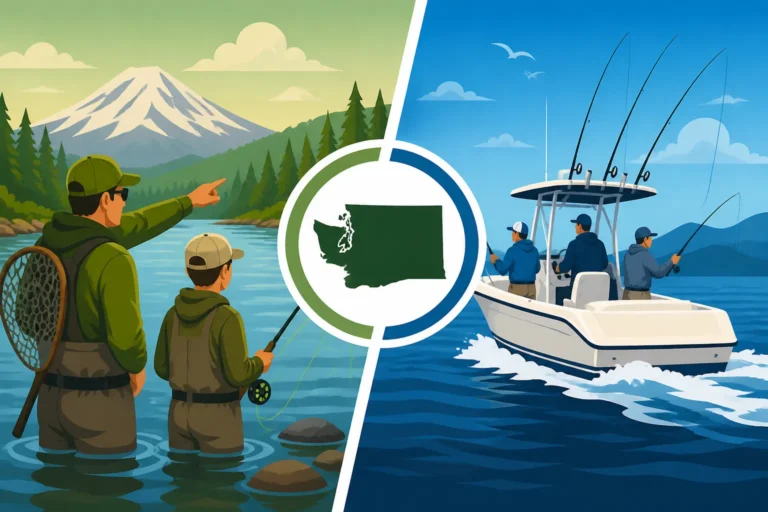
It's a really common question, and one that often comes up when you're planning a fun day out on the water in Washington: "Can I bring a couple of beers or a bottle of wine on my fishing charter?" It's understandable to want to relax and enjoy a beverage while reeling in a salmon or bottom fish, but the rules aren't always crystal clear and can vary wildly from one charter to another. This guide is going to walk you through everything you need to know about alcohol policies on Washington fishing charters, helping you understand the regulations, what to expect, and how to ensure you have a great, compliant, and safe trip.
The Nuance of Alcohol on Fishing Charters in Washington
When you book a fishing charter, you're not just hopping on a friend's boat for a casual day. You're stepping onto a commercial vessel, often operated by a U.S. Coast Guard-licensed captain, with a whole different set of rules and responsibilities. The question of whether alcohol is allowed isn't as simple as "yes" or "no" because it intertwines personal preferences, safety regulations, and the specific policies of the charter company itself.
Why This Question Even Comes Up
Let's be honest, for many, fishing is synonymous with relaxation, and a cold drink often feels like a natural pairing with the fresh air and the thrill of the catch. People envision kicking back, sharing a laugh with friends, and unwinding from the daily grind. This is especially true for groups celebrating a special occasion like a bachelor party, a birthday, or a corporate outing. The desire to add a celebratory drink to the experience is perfectly normal and a valid part of many people's idea of a good time.
However, the environment of a fishing boat, especially offshore or on a busy river, is dynamic and requires a certain level of awareness. What feels relaxing on a calm lake can become a safety concern when waves kick up, or a big fish gets on the line. Understanding these underlying factors helps make sense of why charter operators often have strict policies, even if it feels like it might dampen the fun a little for some.
The Legal Landscape: What Washington State Says
While Washington state has laws regarding public consumption of alcohol and open containers in vehicles, the rules become more specific when you're on a vessel. The U.S. Coast Guard also has regulations that apply to commercial operations, including fishing charters. While there isn't a blanket ban on alcohol on all private or commercial boats, there are strict laws against operating a vessel under the influence (BUI), much like driving a car. A captain is legally responsible for the safety of everyone on board, and that responsibility extends to preventing intoxication that could lead to accidents or harm.
More importantly, the specific charter company's rules will almost always supersede general state laws in terms of what's permitted on their vessel. Think of it like a restaurant or a private club; they can set their own house rules regarding alcohol consumption, even if it's legal elsewhere. Just because you can buy a beer at a store doesn't mean you can drink it anywhere and everywhere without consequence. The charter is essentially a private business operating within a regulated public space.
It's Not Just About Law, It's About Safety
Beyond the letter of the law, safety is the number one concern for any reputable fishing charter. A boat, especially one tackling Washington's diverse waters from Puget Sound to the open Pacific, is an active environment with sharp hooks, slippery decks, heavy gear, and unpredictable motion. Even a slight impairment can significantly increase the risk of an accident, whether it's falling overboard, tripping, or getting injured by equipment.
Moreover, if an angler becomes overly intoxicated, it can jeopardize the safety of other passengers and the crew. A guide's priority is to get everyone out and back safely, and managing an impaired individual takes their attention away from navigation, fishing operations, and overall safety protocols. They are also liable for incidents that occur on their vessel, so minimizing risk is paramount to their business and reputation. This is a critical point that good guides will always emphasize, as it protects everyone involved.
Understanding Individual Charter Policies
Given the blend of legal requirements, safety concerns, and business decisions, it's clear why there's no universal answer to the alcohol question. Every charter company will have its own specific policy, and it's your responsibility as the client to know and respect it. This policy might be influenced by the type of trip (e.g., a calm lake trout trip versus an offshore halibut adventure), the size of the boat, and even the captain's personal comfort level.
The "Always Ask First" Golden Rule
This cannot be stressed enough: always ask the charter company directly before you assume you can bring alcohol onboard. This is the single most important piece of advice you can follow. Don't rely on what you heard from a friend who fished with a different charter, or what you read about a charter in another state. Every Washington charter is unique. When you're making your booking, whether through a direct call to the captain or via a platform like FishingBooker, make it a point to inquire about their alcohol policy.
Being upfront and respectful with your questions will save you potential embarrassment or disappointment on the day of your trip. A good guide will appreciate your proactive approach and will be happy to clearly explain their rules. This also opens up a conversation if you have specific requests, though ultimately, their decision is final. You might also want to ask about items like Can You Bring Your Own Rod on a Washington Charter? or What to Bring on a Washington Fishing Charter at the same time.
Common Scenarios: What Guides Typically Allow
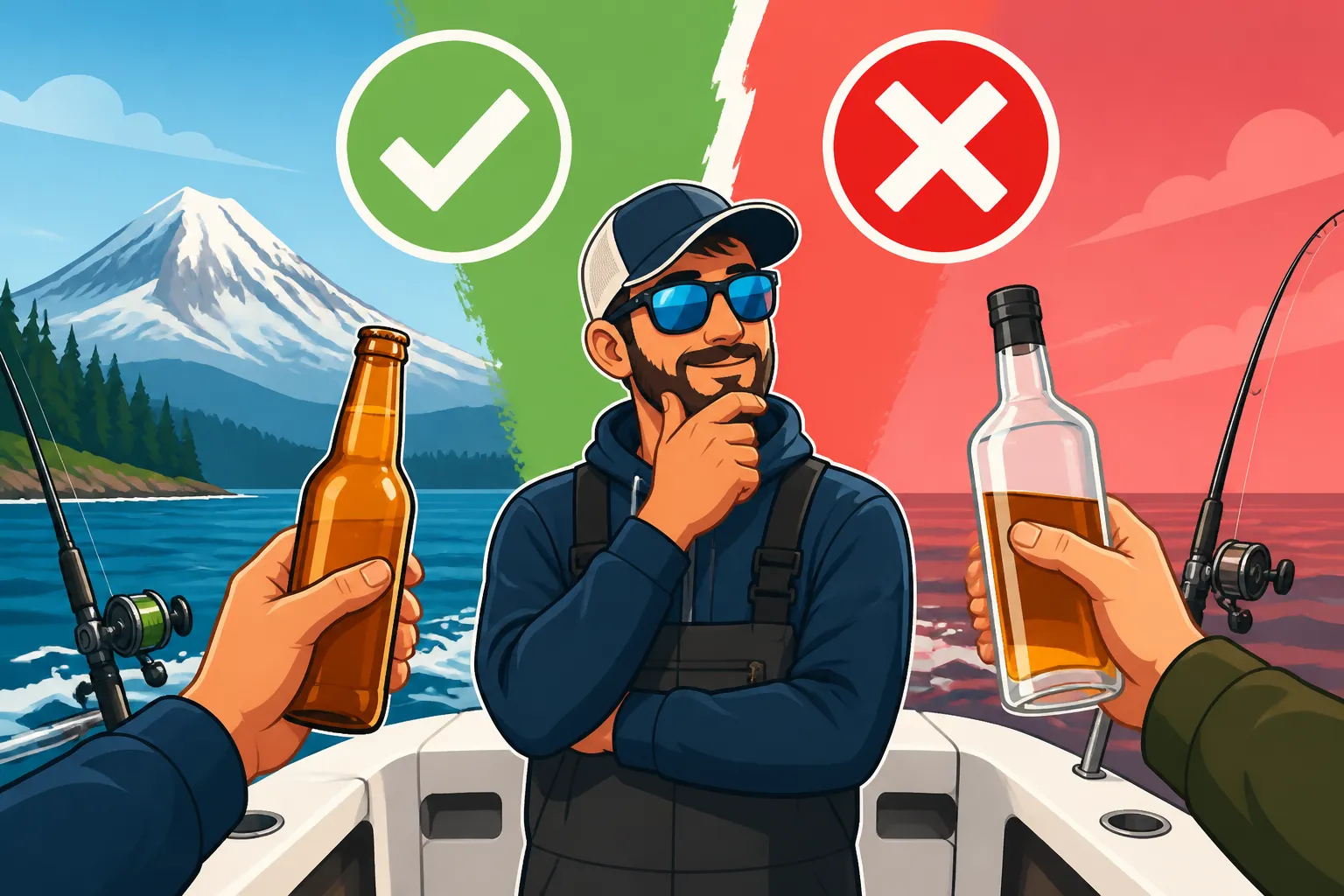
While policies vary, there are some common patterns you might encounter. Many charters, particularly those on larger vessels or those catering to a broader audience, might allow beer and wine in moderation. The key here is "moderation" and often, "no hard liquor." Beer and wine generally have lower alcohol content and are less likely to lead to rapid intoxication compared to spirits. If they do allow it, it's usually with specific caveats:
- Quantity Limits: You might be allowed only a couple of cans of beer per person, or a single bottle of wine for a group.
- Containers: Glass bottles are often prohibited for safety reasons (they break easily on a rocking boat). Cans or plastic bottles are preferred.
- Storage: All alcohol might need to be stored in a communal cooler, or only in specific, secure locations.
- Timing: Some charters might permit alcohol only after the fishing action slows down, or when you're on the way back to the dock, not while actively fishing.
For example, a charter specializing in Washington's Puget Sound Salmon Charters: What to Expect might have a more relaxed policy than an intense, early-morning Westport, Washington Halibut and Tuna Charters where seasickness is more prevalent and the fishing is more physically demanding. Understanding the type of trip you're on can often give you a clue, but still, always ask.
The "No Alcohol Permitted" Stance and Why
It's equally common to encounter charters that have a strict "no alcohol" policy, and this is perfectly within their right. When a captain makes this decision, it's usually for very good reasons. As discussed, safety is paramount, and completely eliminating alcohol removes a significant variable of risk. This helps the guide focus entirely on navigation, fish finding, and ensuring everyone's well-being.
Insurance and liability also play a huge role. Allowing alcohol onboard can complicate insurance claims in the event of an accident. Furthermore, a guide might have had negative experiences in the past, where guests became unruly, impaired their own safety, or caused issues for other passengers. To maintain a professional, family-friendly, and safe environment, a blanket ban is often the simplest and most effective solution. If a charter has such a policy, respect it without argument. Their decision is for the benefit of everyone on board and their business.
Best Practices for Enjoying a Responsible Trip
If your chosen Washington fishing charter does allow alcohol, remember that permission comes with the expectation of responsibility. A fishing trip is about the experience, the catch, and the camaraderie, not about getting drunk. Adhering to these best practices will ensure a positive experience for you, your fellow anglers, and your guide.
Discreet and Moderate Consumption
The emphasis is always on moderation. If you're allowed to bring alcohol, do so discreetly. Avoid bringing excessive amounts, and opt for cans or non-glass containers as previously mentioned. Consume slowly and responsibly. Nobody wants to be on a boat with someone who is clearly over-indulging, especially when the conditions can be unpredictable. Excessive drinking can lead to impaired judgment, clumsiness, and an increased risk of seasickness, which is unpleasant for everyone.
Think about the atmosphere you're contributing to. Most fishing charters are about the thrill of the catch and the beauty of Washington's waters, not a party boat. If you're on a shared charter, remember that other guests may not appreciate excessive alcohol consumption. It's about respecting the shared experience and ensuring everyone has a good time. Often, the excitement of fighting a big salmon or lingcod is intoxicating enough!
Respecting Your Guide and Crew
Your guide is the captain of the vessel and the expert in charge of your trip. Their word is law when you are on their boat. If they say no more drinks, or that certain behavior is inappropriate, you must comply immediately and without argument. They are focused on your safety and the success of the trip. Disrespecting their authority or rules regarding alcohol can lead to them cutting the trip short, and nobody wants that. Remember that Tipping Etiquette for Washington Fishing Guides also includes showing respect for their rules and efforts.
They also have a job to do. Keeping track of tides, currents, regulations, and fish behavior is a full-time task. They shouldn't have to babysit adults who are behaving irresponsibly due to alcohol. A good relationship with your guide starts with clear communication and mutual respect, and that includes respecting their boundaries when it comes to alcohol on board.
Alternatives to Alcohol for Relaxation
If your charter has a "no alcohol" policy, or even if it allows it but you choose not to drink, there are countless other ways to relax and enjoy your Washington fishing adventure. The sheer beauty of the Puget Sound, the drama of the Columbia River, or the vastness of the Pacific Ocean is often more than enough to soothe the soul. Focus on the experience:
- Enjoy the Scenery: Washington's coastline and waterways are stunning. Keep an eye out for wildlife like whales, seals, eagles, and diverse birdlife.
- Good Company: Share stories, jokes, and the excitement of the catch with your friends, family, or fellow anglers. The camaraderie of a fishing trip is often its best aspect.
- Non-Alcoholic Refreshments: Bring plenty of water, sodas, juice, or even a thermos of coffee or tea. Staying hydrated is crucial, especially if you're out in the sun or dealing with seasickness.
- Focus on the Fishing: Learn new techniques, ask your guide questions about the fish species, or simply concentrate on the rhythm of the rod and reel. Engaging fully with the primary activity of the trip can be incredibly rewarding. For example, learning about Chinook Salmon: Washington's King of Fish or Steelhead: Washington's Ocean-Run Rainbow Trout can make the experience even richer.
What to Do If You're Unsure or Need Clarification
The best approach is always to gather information proactively. Don't leave it to chance or assume that a general rule applies to everyone. A little bit of homework and a quick conversation can save you a lot of hassle and ensure a smooth, enjoyable trip. This is particularly important if you're booking through a third-party site or if the charter's online information is vague.
Checking the Charter's Website or Booking Confirmation
Before you even pick up the phone, take a thorough look at the charter company's website. Many reputable charters will have a FAQ section or a dedicated "What to Bring" page that explicitly outlines their alcohol policy. They might state it clearly in their terms and conditions that you agree to when booking, especially if you're using an online booking platform like FishingBooker. Your booking confirmation email or receipt might also contain this information.
Always read the fine print! It's easy to skim over details, but these policies are put in place for a reason. If you're planning a trip, be sure to check Questions to Ask a Washington Guide Before Booking and see if alcohol policies are covered there. If you don't find the answer immediately, that's your cue to reach out directly.
Direct Communication is Key
If the information isn't readily available online, or if you still have lingering questions, pick up the phone or send an email. A quick call to the charter captain or booking agent is the most reliable way to get a definitive answer. When you call, be polite and concise: "Hi, I'm booked for a trip on [date] with Captain [name]. I was wondering about your policy on bringing a few beers or a bottle of wine on board. Is that generally allowed, and if so, are there any restrictions?"
Being clear about what you're asking will help them give you an accurate response. This also allows for any nuances, such as "beer is okay, but no hard liquor" or "only after we're done fishing." Don't try to sneak anything past them; transparency is always the best policy. Platforms like FishingBooker often facilitate direct communication with captains before booking, so you can clarify these details upfront.
What If You Arrive With Alcohol and It's Not Allowed?
Imagine the scenario: you've packed your cooler, you're excited for your Columbia River Guided Salmon and Steelhead Trips in Washington, and you arrive at the dock with a six-pack, only to be told by your guide that alcohol is strictly prohibited. This is a situation you absolutely want to avoid. If this happens, the most important thing is to be gracious and understanding. Don't argue, don't try to hide it, and don't make a fuss.
Be prepared to leave the alcohol in your car, or ask if there's a safe place on shore to store it until you return. Getting defensive or upset can sour the start of your trip and create an awkward atmosphere. Remember, the captain is just enforcing their rules and prioritizing safety. Acknowledge their policy, comply, and shift your focus to the incredible fishing adventure ahead. It's a small concession for a potentially unforgettable day on the water.
In summary, the ability to bring beer or alcohol on a Washington fishing charter boils down to the individual charter's policy. Always ask first, respect the rules, and prioritize safety and the overall enjoyment of the trip for everyone involved.
| Policy Aspect | General Tendency (Always Ask!) | Key Considerations |
|---|---|---|
| Permission | Varies widely: Some allow, some prohibit. | Safety, liability, captain's discretion. |
| Type of Alcohol | Beer/wine more often permitted than hard liquor. | Lower alcohol content, perceived risk. |
| Quantity | Often limited to 1-2 drinks per person. | Prevents intoxication, maintains decorum. |
| Containers | Cans/plastic preferred; glass bottles often prohibited. | Safety (shards on deck), environmental impact. |
| Timing | Sometimes restricted to after active fishing or on return. | Focus on fishing, minimizes impairment during operations. |
| Captain's Role | Ultimate authority on board. | Their vessel, their rules, responsible for all on board. |
Disclaimer
This article is for general informational purposes only and does not constitute professional advice. Laws, prices and regulations vary by location and change over time. Consult a qualified professional for guidance on your specific situation.