Why Do Some Washington Rivers Have No Hatchery Fish?
It can be incredibly frustrating to hear that your favorite fishing spot, or perhaps a river you’ve been dreaming of visiting, is a "wild fish only" river with strict rules about what you can and can't keep. Many anglers wonder why some beautiful Washington rivers, teeming with fish, operate without the benefit of hatchery plants, feeling like it limits opportunity. This guide dives deep into the crucial reasons behind these decisions, helping you understand the vital role these rivers play in preserving Washington's incredible fisheries.
The Philosophy Behind Wild Fish Management
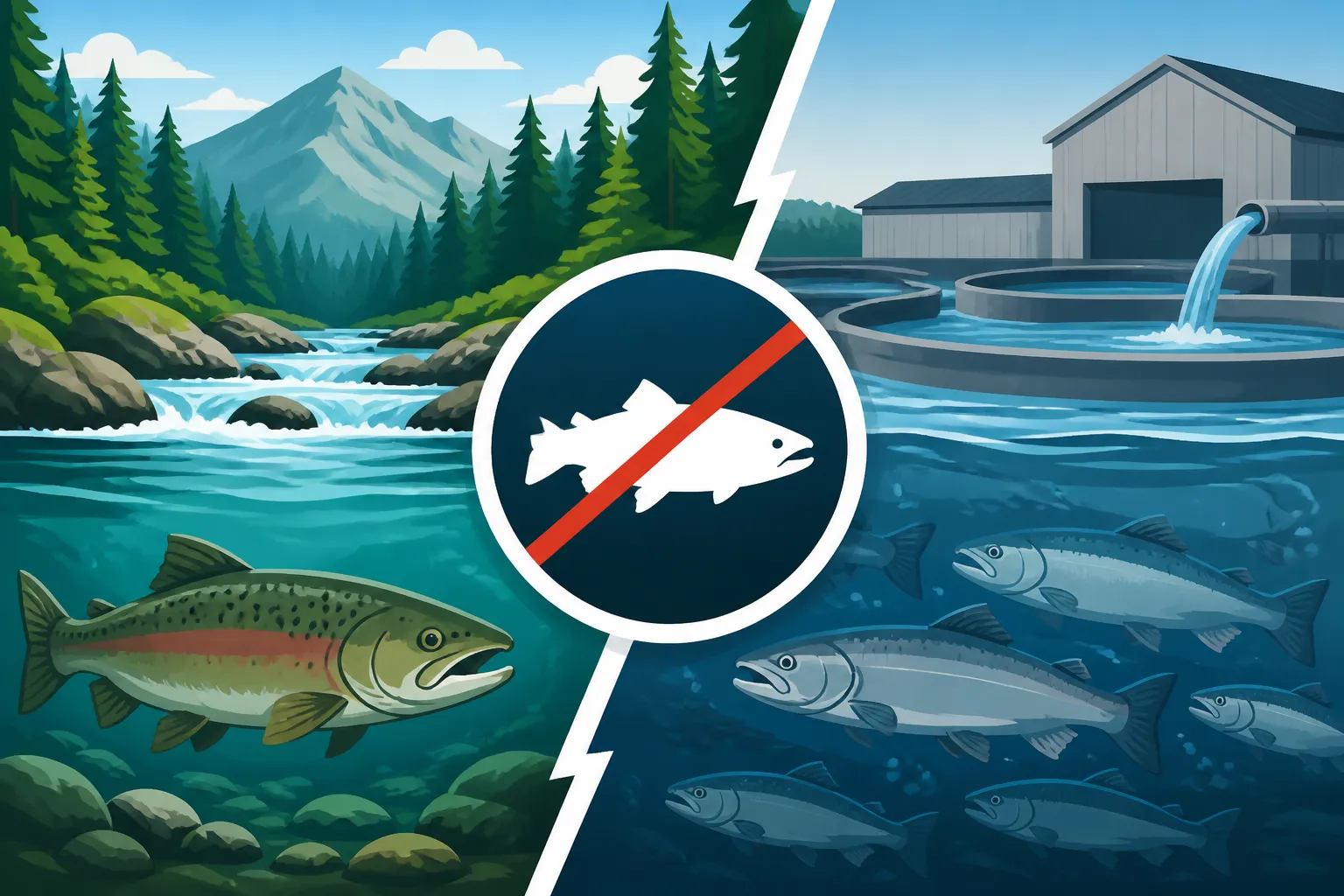
When we talk about "wild fish management," we're not just discussing a policy; it's a deep-seated philosophy centered on conservation and the long-term health of entire ecosystems. It stems from decades of scientific observation and a growing understanding that while hatcheries serve an important role in many fisheries, they aren't a one-size-fits-all solution, especially when it comes to preserving the most resilient and genetically diverse fish populations. It's about letting nature do its thing, with a bit of human help to ensure those natural processes can continue unimpeded.
Protecting Genetic Integrity
One of the most foundational reasons certain Washington rivers are designated as wild-only is to protect the unique genetic makeup of the fish that call those waters home. Think about it: a wild salmon or steelhead run has adapted over thousands of years to the specific conditions of its natal river. They've evolved to cope with its particular water temperatures, flow rates, predator populations, and food sources. This creates a genetic blueprint that is perfectly suited for survival in that environment.
When hatchery-raised fish are introduced into these wild populations, there's a risk of "genetic dilution." Hatchery fish are often bred for traits that perform well in a hatchery setting – fast growth, disease resistance in crowded tanks, and early maturation. These traits might not be beneficial, and can even be detrimental, in the harsh, competitive environment of a wild river. If hatchery fish interbreed with wild fish, these less-adapted genes can spread, potentially weakening the wild population's ability to survive natural challenges like floods, droughts, or changing ocean conditions. It's like taking a finely tuned, specialized sports car and trying to force it to perform off-road – it might work for a bit, but it wasn't built for it, and it could break down. Protecting this genetic integrity is paramount for the long-term survival and resilience of these iconic species.
Ecosystem Health and Natural Processes
Beyond the fish themselves, wild-only designations are also about safeguarding the entire river ecosystem. Wild fish aren't just swimming creatures; they are integral parts of a complex web of life. For instance, spawning salmon bring vital marine nutrients from the ocean far upstream, enriching the terrestrial environment when their bodies decompose after spawning. This nutrient input supports everything from insects and plants to bears, eagles, and even the very forests along the riverbanks.
Introducing a large number of hatchery fish can disrupt this delicate balance. Hatchery fish, released in often large, concentrated numbers, can compete with wild fish for limited food resources and prime spawning habitat. They can also increase predation pressure on other native species. Moreover, hatchery facilities themselves can have an environmental footprint, impacting water quality or altering natural flow regimes. Rivers designated as wild-only often aim to allow these natural ecological processes to unfold as they have for centuries, supporting not just the fish, but the entire biological community that depends on them. It’s about preserving a functional, self-sustaining natural system, rather than creating a fishery that relies perpetually on human intervention.
Why Specific Rivers Become Hatchery-Free Zones
The decision to manage a river for wild fish, or to restrict hatchery releases, isn't arbitrary. It's usually the result of careful evaluation based on specific biological, ecological, and regulatory factors. Certain rivers are simply better candidates for wild fish management due to their inherent characteristics or the status of the fish populations within them. These factors combine to create a compelling argument for prioritizing natural production over supplementation.
Habitat Quality and Restoration Efforts
Many of Washington's wild-only rivers are chosen because they boast incredibly high-quality habitat, or they are the focus of significant habitat restoration efforts. Pristine rivers with ample cold water, complex woody debris for cover, clean gravel for spawning, and intact riparian zones (the vegetation along the banks) provide the perfect conditions for wild fish to thrive without human assistance. These are often the "strongholds" of wild populations, such as some of the iconic rivers flowing off the Olympic Peninsula, which are renowned for their robust wild steelhead runs.
In other cases, a river might be undergoing extensive restoration. Projects like barrier removal (taking out old dams or culverts that block fish passage), planting native vegetation, or improving water quality create environments where wild fish can naturally rebound. Once significant investments are made in restoring natural processes, introducing hatchery fish could undo some of that hard work by reintroducing competition, disease, or genetic risks. The goal is to let these restored habitats be utilized by the fish that are best equipped to thrive there – the wild, naturally adapted populations. It’s a long-term investment in healthy rivers and resilient fish.
Endangered Species Act (ESA) Listings
This is perhaps one of the most significant and non-negotiable reasons why many Washington rivers have no hatchery fish. Many wild salmon and steelhead populations in Washington State are listed under the federal Endangered Species Act (ESA). When a population is listed as threatened or endangered, it triggers a cascade of protective measures designed to prevent its extinction and promote its recovery.
Under the ESA, any action that could harm or jeopardize these listed populations, or their critical habitat, is strictly regulated. This often includes hatchery programs. While hatcheries might seem like a solution to boost fish numbers, studies have shown that in some cases, hatchery fish can actually hinder the recovery of ESA-listed wild populations. They might compete with wild fish for scarce food and space, or they might interbreed, as discussed earlier, diluting the wild fish's critical genetic adaptations. Furthermore, hatchery fish can sometimes spread diseases to wild stocks or increase predation pressure. Therefore, to comply with the ESA and give struggling wild populations the best chance at recovery, many rivers where these listed stocks reside are managed as wild-only, with strict rules against keeping wild fish. This is a legal imperative aimed at pulling these precious species back from the brink.
Scientific Research and Monitoring
Some rivers or specific river sections are intentionally designated as hatchery-free zones to serve as living laboratories for scientific research and monitoring. By observing wild fish populations in an environment free from hatchery influence, scientists can gain invaluable insights into their natural life cycles, population dynamics, habitat needs, and responses to environmental changes. This data is critical for understanding what truly constitutes a healthy, self-sustaining fish run.
This research helps inform broader management strategies across the state, guiding decisions about habitat restoration, harvest levels, and even where hatchery programs might be more beneficial. These rivers become benchmarks, providing a baseline to compare against areas where hatchery fish are present. Researchers might use methods like PIT tagging (Passive Integrated Transponder) to track individual fish, or conduct detailed surveys of spawning grounds and juvenile rearing areas. By understanding the intricate biology of wild fish in their purest form, we can make more informed decisions to conserve them for future generations. This scientific focus ensures that management decisions are grounded in ecological understanding rather than just immediate fishing opportunity.
Navigating Hatchery-Free River Regulations
Fishing on a wild-only river can be an incredibly rewarding experience, offering a chance to connect with truly natural fisheries. However, it also comes with a heightened sense of responsibility and a need for diligent preparation. The rules are often stricter, and understanding them perfectly is not just good practice, but a legal requirement. It's about respecting the fish, the river, and the conservation efforts that make these places special.
Identifying Wild vs. Hatchery Fish
One of the most critical skills an angler needs on a wild-only river is the ability to differentiate between wild and hatchery-origin fish. In Washington, the primary method for identifying a hatchery fish is the absence of its adipose fin. Hatchery-raised salmon and steelhead often have this small, fleshy fin, located between the dorsal fin and the tail, surgically removed before release. This "adipose fin clip" serves as a permanent mark. If a fish has its adipose fin, it's considered wild and, in a wild-only river, must be immediately and carefully released.
It's a good idea to familiarize yourself with what a clipped fin looks like – sometimes it can be ragged or partially regrown, so you need a keen eye. Carry a small pair of binoculars or keep your polarized sunglasses on to get a clear view. If there's any doubt, always err on the side of caution and release the fish. The consequences of accidentally keeping a wild fish in a wild-only area can be severe. Understanding these visual cues is essential for compliance and conservation. For more detail, you might want to read Wild Steelhead vs Hatchery Steelhead in Washington.
Gear Restrictions and Fishing Methods
Rivers managed for wild fish often come with specific gear restrictions designed to minimize harm to released fish. The most common of these is the barbless hook requirement. Barbless hooks reduce tissue damage and allow for quicker, cleaner releases, increasing the survival rate of fish that are caught and let go. You can often find a wide selection of barbless hooks, or tools to crimp down barbs on your existing hooks, through online retailers like Amazon or at your local tackle shop.
Another common restriction is a bait ban. The idea here is that fish are more likely to deeply swallow bait, leading to gut-hooking and a higher mortality rate upon release. Instead, anglers are often restricted to artificial lures or flies. These methods typically result in hookups in the mouth or jaw, which are much less damaging. Washington Bait Bans and When They Apply explains this further. You might also encounter "selective gear rules," which can limit you to single-point hooks, specific leader strengths, or even certain lure types. These rules are all about maximizing the chance that any wild fish you encounter will swim away unharmed to spawn another day. Always check the regulations specific to the river and section you plan to fish before heading out.
Finding Information on River Designations
Staying informed about current regulations is paramount, as rules can change frequently, sometimes even mid-season due to emergency closures or openings. Relying on outdated information can lead to violations. The Washington Department of Fish and Wildlife (WDFW) is your primary source for official regulations.
Here's how to stay on top of it:
- The Annual Regulation Pamphlet: This is your bible. It details all the statewide rules, general seasons, and special exceptions for each water body. Make sure you get the most current version. Reading the Washington Sport Fishing Regulations Pamphlet is a great resource.
- WDFW Website: The WDFW website has an up-to-date "Fishing Rule Changes" section, where emergency rules and seasonal adjustments are posted. This is critical because conditions can change rapidly. You can learn more by checking Where Washington Posts Fishing Rule Changes.
- MyWDFW and Fish Washington Apps: Many anglers find the official WDFW app, Fish Washington, incredibly helpful. It can provide location-based regulations, emergency rule changes, and even act as an electronic catch record card in some instances.
- Local Tackle Shops and Guides: These local experts are often the first to know about subtle changes or local interpretations of rules. Don't be afraid to ask questions.
- Online Forums and Community Groups: While useful for discussion, always cross-reference any information found in online groups with official WDFW sources.
By proactively seeking out and understanding these resources, you ensure your fishing trips are both enjoyable and compliant with the regulations designed to protect Washington's incredible fish.
| Feature | Hatchery-Free Rivers | Hatchery-Supplemented Rivers |
|---|---|---|
| Primary Goal | Protect genetic integrity, ecological processes, wild stocks | Enhance fishing opportunity, supplement natural runs |
| Fish Identification | Wild fish (adipose fin present) must be released | Hatchery fish (adipose fin clipped) can often be retained |
| Gear Restrictions | Often strict: barbless hooks, bait bans, selective gear | May be more liberal, but still require checking local rules |
| Regulation Frequency | Can have frequent, dynamic changes based on wild stock health | More stable, but still subject to seasonal changes and closures |
| Angler Focus | Conservation, careful catch-and-release, minimal impact | Harvest opportunities, catch potential |
| Typical Habitat | Pristine, high-quality, or undergoing restoration | Varies; can be impacted, or areas where wild runs struggle |
| Fish Resilience | Strong genetic adaptations to local environment | May have reduced natural survival traits |
Angler Responsibility and the Future of Wild Fish
Ultimately, the success of wild fish management in Washington hinges on the responsible actions of every angler. These rivers represent a precious natural resource, and our behavior on the water directly impacts their health and the future of these incredible species. It's a privilege to fish these waters, and with that privilege comes a significant responsibility to act as stewards of the environment.
The Role of Catch-and-Release
When fishing in wild-only areas, or even during catch-and-release periods in other rivers, your ability to successfully release a fish is paramount. Catch-and-release isn't just about letting a fish go; it's about doing so in a way that maximizes its chances of survival. This means minimizing stress and physical harm to the fish.
Here are some best practices:
- Use Barbless Hooks: As discussed, these make hook removal much easier and less damaging.
- Handle Fish as Little as Possible: Try to keep the fish in the water while unhooking it. If you must lift it, support its entire body weight horizontally, especially for larger fish. Never hold a fish by its jaw vertically unless it's a very small trout.
- Wet Your Hands: Dry hands can remove the protective slime layer from a fish, making it vulnerable to disease.
- Unhook Quickly: Have your pliers or hemostats ready. The less time the fish is out of water, the better.
- Avoid Excessive Fighting: Bring the fish in as quickly as responsibly possible to reduce exhaustion.
- Revive the Fish: If a fish is lethargic, hold it gently in the current, facing upstream, until it can swim away under its own power. Don't just toss it back; make sure it's strong enough to recover.
- Know When to Cut the Line: If a fish is deeply hooked and you can't easily remove the hook without causing significant trauma, cut the line as close to the hook as possible. Studies show fish often expel or encapsulate hooks over time.
These practices are not just suggestions; they are vital for ensuring that wild populations remain healthy and resilient. Understanding and applying these techniques is a mark of a truly ethical angler. For further insights into this, check out Catch-and-Release Rules During Wild Steelhead Closures.
Supporting Conservation Efforts
Beyond just following the rules, anglers have a powerful role to play in the long-term conservation of wild fish populations. Your engagement can extend far beyond the riverbank, contributing to the health of the very ecosystems you love to fish.
Here are a few ways you can support these crucial efforts:
- Join Conservation Groups: Organizations dedicated to salmon and steelhead recovery, habitat restoration, and clean water advocacy rely on member support. Groups like Trout Unlimited, Wild Fish Conservancy, or local watershed councils do critical work.
- Volunteer for Habitat Projects: Many groups organize work parties to plant trees along riverbanks, remove invasive species, or clean up litter. Getting your hands dirty is a tangible way to make a difference.
- Report Violations: If you witness poaching or other illegal activities, report them to WDFW enforcement. Protecting these resources requires collective vigilance.
- Educate Others: Share your knowledge about wild fish management, proper catch-and-release techniques, and the importance of conservation with fellow anglers, friends, and family.
- Advocate for Healthy Fisheries: Stay informed about proposed policy changes, land use decisions, or funding for conservation, and make your voice heard with elected officials.
By actively participating in conservation, anglers become essential partners in safeguarding Washington's precious wild fisheries. These rivers with no hatchery fish are living testaments to the power of nature and the dedicated efforts to preserve it, and their future depends on us all.
Disclaimer
This article is for general informational purposes only and does not constitute professional advice. Laws, prices and regulations vary by location and change over time. Consult a qualified professional for guidance on your specific situation.