Wild Steelhead Gene Bank Rivers, Explained
For anyone who has spent time chasing steelhead in Washington, you know the immense passion and sometimes, the deep frustration that comes with it. These magnificent fish, especially the wild ones, represent the pinnacle of our state's freshwater angling. But there’s a term you might hear whispered among seasoned anglers or read in the often-confusing regulations: "Wild Steelhead Gene Bank Rivers." If you've ever wondered what these special rivers are, why they matter, and what it means for you as an angler, you've come to the right place. This guide will demystify the concept of gene bank rivers, explain their critical role in the future of wild steelhead, and outline what you need to know before you cast a line in one.
Understanding Wild Steelhead Gene Bank Rivers
The concept of a "gene bank" might sound a bit like something out of a science fiction movie, but in the world of fisheries management, it's a vital tool for conservation. When we talk about wild steelhead gene bank rivers in Washington, we're talking about specific waterways or sections of rivers that have been identified and designated to protect the unique genetic makeup of naturally spawning steelhead populations. These aren't just any rivers; they are sanctuaries dedicated to preserving the purest form of wild steelhead genetics.
The Core Concept of a Gene Bank
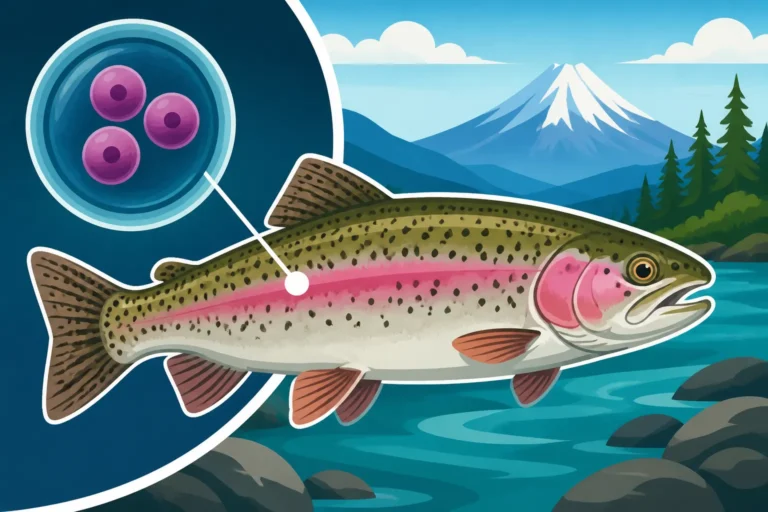
At its heart, a gene bank is a repository of genetic material. In agriculture, it might be seeds; in biology, it can be tissue samples. For wild steelhead, the "gene bank" is the river itself, along with the fish that call it home. The idea is to maintain a population that is as untouched as possible by external genetic influences, particularly from hatchery-raised fish. Genetic diversity is like an insurance policy for a species. It gives a population the flexibility to adapt to changing environmental conditions, whether that's a new disease, fluctuating water temperatures, or shifts in food availability. Losing genetic diversity can make a species more vulnerable to extinction, a risk no one wants to take with our iconic wild steelhead.
These designated rivers act as living laboratories and reservoirs, ensuring that the unique adaptations developed over thousands of years are not lost. Think about the incredible journey a steelhead makes, from a freshwater stream, out to the vast ocean, and then back again, sometimes hundreds of miles, navigating obstacles and surviving predators. This resilience is encoded in their genes, passed down through generations. These gene bank rivers are where that incredible heritage is safeguarded.
Why "Wild" is the Keyword Here
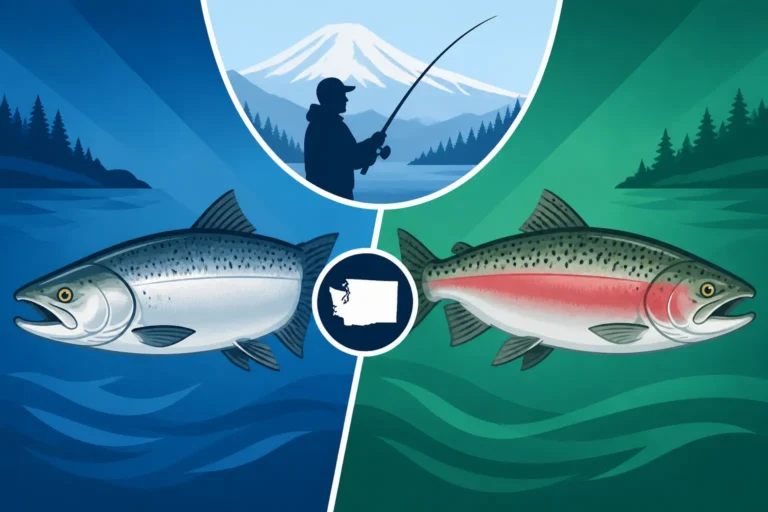
When we say "wild" steelhead, we're making a crucial distinction from "hatchery" steelhead. Hatchery fish are raised in controlled environments, often for sport enhancement or to mitigate habitat loss elsewhere. While hatcheries play a role in some fisheries, the continuous interbreeding of hatchery fish can lead to a reduction in genetic diversity and fitness in wild populations if they mix and spawn together. Hatchery fish, bred for survival in a concrete pond, often lack the finely tuned instincts and genetic traits necessary to thrive in the complex and challenging natural environment. For instance, a wild steelhead knows how to navigate powerful currents, find natural food sources, and evade predators with an instinct that hatchery fish, often fed pellets and protected from dangers, might not possess.
Wild steelhead gene bank rivers are specifically managed to ensure that the steelhead populations within them are predominantly, if not entirely, wild-origin. This means minimizing the chance of hatchery fish straying into these waters and interbreeding. The goal is to let nature take its course as much as possible, allowing natural selection to continue shaping robust, adapted populations. It’s about letting these incredible fish be the wild, untamed creatures they are meant to be, ensuring their distinct genetic heritage remains intact. Wild Steelhead vs Hatchery Steelhead in Washington delves deeper into these important distinctions.
The Critical Importance of These Rivers in Washington
Washington State is renowned for its stunning natural beauty and incredible fisheries, but our wild steelhead populations have faced significant challenges over the years. Habitat loss, hydropower dams, pollution, and past overfishing have all taken their toll. In this context, wild steelhead gene bank rivers are not just nice-to-haves; they are absolutely critical for the long-term survival and recovery of these magnificent fish.
Protecting Genetic Diversity and Adaptation
Imagine a group of people facing a new disease. If everyone in that group has the exact same genetic makeup, a single virus could wipe them all out. But if there's a wide variety of genetic traits, some individuals might possess natural resistance, allowing the population to survive and eventually thrive again. The same principle applies to wild steelhead. By protecting the genetic diversity within gene bank rivers, we're giving these fish the best possible chance to adapt to unforeseen changes in their environment.
These rivers act as a biological vault, preserving a wide spectrum of genetic variations that might hold the key to future survival. This isn't just about big, impressive fish, though they are certainly that. It's about the microscopic differences in their DNA that dictate everything from their ability to tolerate warmer water temperatures, resist specific pathogens, or even how efficiently they can navigate certain river conditions. Without these genetic blueprints, a local population could be devastated by a single environmental shift, and that valuable genetic information would be lost forever.
Ensuring Future Generations of Robust Steelhead
The wild steelhead in these gene bank rivers are essentially the breeding stock for the future. By maintaining healthy, genetically diverse populations, these rivers become natural incubators, producing strong, resilient offspring that can eventually migrate to the ocean and potentially return to spawn not only in their natal rivers but also colonize or bolster populations in other watersheds. This natural spawning and rearing process ensures that each generation is naturally selected for the specific conditions of its environment, making them inherently more robust than fish reared in a hatchery.
These rivers are places where the full, intricate life cycle of the wild steelhead can play out as it has for millennia. This includes the natural competition for food and space, the learning of migration routes, and the development of instincts that are honed by the wild. It’s a powerful testament to natural processes, showcasing how a species, given the right conditions, can sustain itself and flourish. Think of it as investing in the future of our angling heritage, ensuring that our children and grandchildren will still have the opportunity to chase truly wild, powerful Steelhead: Washington's Ocean-Run Rainbow Trout.
Identifying Washington's Wild Steelhead Gene Bank Rivers
Washington is a big state with countless rivers, and it can be a bit overwhelming to keep track of which ones hold special designations. When it comes to Wild Steelhead Gene Bank Rivers, these are typically specific, pristine, and often more remote watersheds that have retained significant populations of naturally spawning steelhead. The Washington Department of Fish and Wildlife (WDFW) plays a crucial role in identifying and managing these areas, often in collaboration with tribal nations and conservation groups.
Designated Sanctuaries for Wild Steelhead
Several river systems on Washington’s Olympic Peninsula and in Puget Sound have been recognized for their vital wild steelhead populations and are managed with a strong focus on gene bank principles. These include, but are not limited to, portions of the:
- Sol Duc River: Known for its legendary runs of wild steelhead, sections of the Sol Duc are managed with extreme care to protect these native fish. Anglers fishing the Sol Duc often find themselves in awe of the sheer wilderness surrounding them.
- Hoh River: Flowing from the Olympic Mountains through one of the last temperate rainforests, the Hoh River is another prime example. Its remote nature helps maintain the wildness of its steelhead.
- Queets River: Similar to the Hoh, the Queets flows through relatively untouched wilderness, providing an essential sanctuary for wild steelhead.
- Quillayute River System: This system, encompassing rivers like the Sol Duc, Bogachiel, and Calawah, is collectively vital for coastal wild steelhead populations.
- Sauk River: A major tributary to the Skagit River, the Sauk is critical for wild steelhead in the Puget Sound basin. The Sauk River for Wild Steelhead in Washington details why this river is so special.
It’s important to remember that these designations can sometimes apply to specific sections of a larger river system, not necessarily the entire waterway from mouth to headwaters. Always consult the most current WDFW regulations pamphlet, which can be found online or picked up at sporting goods stores. For a deeper dive into specific rivers, resources like specialized fishing guides or books available on Amazon can provide invaluable local knowledge.
Characteristics of a Gene Bank River
What makes a river a good candidate for a "gene bank"? It's more than just having steelhead. These rivers typically share a few key characteristics:
- Pristine Habitat: They usually boast excellent, relatively undisturbed spawning and rearing habitat. This means clean, cold water, complex river channels with ample cover, and intact riparian zones that provide shade and contribute woody debris. These conditions are crucial for every stage of a steelhead's life cycle.
- Strong Wild Returns: The rivers must have a history of robust, naturally reproducing wild steelhead populations. This isn't about numbers boosted by hatchery releases, but rather populations that sustain themselves year after year through natural processes.
- Minimal Human Impact: While no river in Washington is entirely free from human influence, gene bank rivers often have fewer dams, less pollution, and reduced development along their banks compared to other major waterways. This minimizes stressors on the wild fish.
- Strategic Location: Their location often allows them to serve as source populations, capable of naturally re-populating other areas if conditions improve elsewhere. They are critical nodes in the larger network of steelhead habitat.
Here's a quick overview of some differences between a typical fishing river and a designated gene bank river:
| Feature | Typical Washington Steelhead River | Wild Steelhead Gene Bank River |
|---|---|---|
| Primary Goal | Provide fishing opportunities, potentially supported by hatcheries. | Protect unique wild genetic diversity for future generations. |
| Hatchery Influence | Often has hatchery releases, potential for wild/hatchery interbreeding. | Minimal to no hatchery influence; strict separation. |
| Dominant Fish Type | Mix of wild and hatchery steelhead. | Predominantly or exclusively wild-origin steelhead. |
| Regulation Stringency | Varies; may allow retention of hatchery fish, bait. | Generally very strict; often 100% catch-and-release, barbless hooks, gear restrictions. |
| Conservation Focus | General fisheries management, sometimes includes wild protection. | Intense, specialized focus on genetic preservation. |
Angler's Role and Regulations in Gene Bank Rivers
As an angler, fishing in a Wild Steelhead Gene Bank River comes with a heightened sense of responsibility. These aren't just places to catch fish; they're places where you become a direct participant in a critical conservation effort. The regulations are often more stringent, and understanding them isn't just a recommendation—it's a requirement to ensure the future of these precious resources.
Strict Catch-and-Release Practices
The most common and critical regulation in gene bank rivers is often 100% catch-and-release for all wild steelhead. This means that if you hook one of these magnificent fish, you must release it unharmed. This isn't just about following the rules; it's about minimizing stress and injury to these genetically vital fish. You might find that even hatchery steelhead, if they are present, may also be catch-and-release in these specific waters, to further protect any wild fish accidentally caught.
Effective catch-and-release goes beyond simply letting the fish go. It means:
- Barbless Hooks: In almost all gene bank rivers, barbless hooks are mandatory. This allows for easier, quicker release and significantly reduces injury to the fish's mouth. Barbless Hook Requirements on Washington Rivers covers this in detail.
- Minimizing Handling: Keep the fish in the water as much as possible. If you must lift it for a quick photo, do so gently, supporting its body, and only for a few seconds. Wet your hands before touching the fish to protect its slime coat.
- Proper Gear: Use appropriately sized tackle to land fish quickly, minimizing their fight time and exhaustion. Landing nets with rubberized, knotless mesh are ideal as they protect fins and scales. Many specialized nets are available through online retailers like Amazon.
- Revival: If a fish seems sluggish, hold it gently in the current, facing upstream, until it swims away under its own power. Never throw or drop a fish back into the water.
- Understanding ID: You absolutely must know how to differentiate a wild steelhead from a hatchery steelhead, as the regulations often hinge on this. The easiest way is usually the adipose fin—wild fish typically have an intact adipose fin, while hatchery fish often have it clipped. Even with this knowledge, if there's any doubt, assume it's wild and release it. What to Do If You Catch a Wild Steelhead by Accident is a crucial read.
Anglers are often the first line of defense in these delicate ecosystems. Your careful actions directly contribute to the survival rates of these wild fish, ensuring they can complete their spawn and contribute to the next generation.
Gear Restrictions and Staying Informed
Beyond catch-and-release, gene bank rivers often come with additional gear restrictions designed to minimize impact and further protect wild fish. These can include:
- Bait Bans: Many of these rivers prohibit the use of bait, requiring anglers to use only artificial lures or flies. Bait can be easily ingested, leading to higher mortality rates for released fish.
- Fly-Fishing Only Sections: Some sections might be designated for fly-fishing only, further limiting gear types and promoting specific angling practices that are generally less harmful to released fish.
- Single-Point Hook Requirements: Even if bait isn't banned, sometimes only single-point hooks are allowed, forbidding treble hooks which can cause more damage.
The rules in these rivers can be complex and are subject to change, sometimes even in the middle of a season, due to in-season updates based on fish returns or environmental conditions. This is why it’s absolutely paramount to:
- Check WDFW Regulations: Before every trip, download or grab a copy of the current Washington Sport Fishing Regulations pamphlet. Read it thoroughly, paying special attention to the specific river and section you plan to fish. You can find copies at tackle shops, WDFW offices, or often purchase a comprehensive guide on Amazon that covers the ins and outs of Washington regulations.
- Monitor Emergency Rules: WDFW issues emergency rule changes frequently, especially for steelhead. Check the WDFW website for "Emergency Rules" or call their hotline just before you leave. How to Check for Emergency Rule Changes in Washington is a must-read for any angler.
- Talk to Local Experts: Chat with local tackle shop owners, guides, or experienced anglers. They often have the most up-to-date information on river conditions and any recent rule changes.
Fishing in a Wild Steelhead Gene Bank River is an unparalleled experience, offering a chance to connect with these incredible fish in some of Washington's most breathtaking natural settings. By respecting the regulations and practicing ethical angling, you contribute directly to the conservation of these vital populations, ensuring that the wild steelhead legacy continues for generations to come. Can You Keep a Wild Steelhead in Washington? might surprise you with its answer in many of these areas.
Disclaimer
This article is for general informational purposes only and does not constitute professional advice. Laws, prices and regulations vary by location and change over time. Consult a qualified professional for guidance on your specific situation.