Wild Steelhead vs Hatchery Steelhead in Washington
It can be incredibly confusing and even a little intimidating to hit the rivers and try to figure out if that magnificent chrome bright fish you just landed is a wild steelhead or a hatchery-reared one. The distinctions aren't just academic; they have serious implications for what you can and can't keep, and more importantly, for the health of Washington's precious wild fish populations. This comprehensive guide is here to untangle that knot, walking you through everything you need to know to confidently identify, respect, and properly handle both wild and hatchery steelhead in our beautiful state.
The Washington Steelhead Story: A Quick Primer
Before we dive into the nitty-gritty of telling wild from hatchery fish, let's take a moment to appreciate what a steelhead truly is. It's a magnificent creature, a symbol of the Pacific Northwest, and a fish that inspires a deep passion in anglers. Understanding its life cycle helps put the wild vs. hatchery discussion into perspective.
What Makes a Steelhead, Well, a Steelhead?
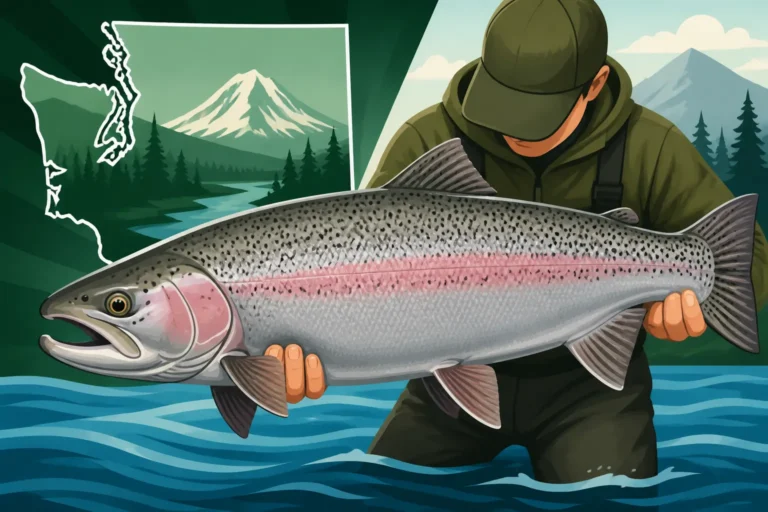
A steelhead isn't just any rainbow trout; it's a sea-run rainbow trout. Think of it like a salmon, but with a twist. While Pacific salmon typically die after spawning once, steelhead are iteroparous, meaning they can survive spawning and return to the ocean multiple times before making subsequent spawning runs. This incredible resilience makes them unique. They start their lives in freshwater streams and rivers, migrate to the vast Pacific Ocean to grow large and strong, and then return to their natal waters to spawn. This epic journey is what gives them their "steelhead" moniker—named for their silvery, steel-blue appearance when they first enter freshwater from the ocean. If you want to dive even deeper, check out our guide on Steelhead: Washington's Ocean-Run Rainbow Trout.
The Migratory Journey: River to Ocean and Back
Imagine a tiny egg laid in the gravel of a clear river, hatching into an alevin, then a fry, and eventually becoming a parr with distinctive vertical markings. These young steelhead spend anywhere from one to five years in their freshwater home, feeding and growing. Then, driven by instinct, they undergo a physiological transformation called smoltification, becoming prepared for saltwater life. They migrate downstream, often during spring high waters, entering estuaries and then the open ocean. There, they feast and grow, sometimes for a year, sometimes for several, before the call of their home river beckons them back to spawn. This arduous journey is why these fish are so revered, and why their conservation is paramount.
Steelhead in Washington: A Valued Resource
Washington State boasts some of the most iconic steelhead rivers in the world, from the Olympic Peninsula's legendary Hoh and Sol Duc to the mighty Columbia River and its tributaries like the Cowlitz and the Snake. These rivers host both winter and summer steelhead runs, providing diverse fishing opportunities throughout the year. For generations, steelhead have been a cornerstone of indigenous cultures, a significant sport fishery, and a vital part of our natural heritage. Their presence speaks to the health of our watersheds, acting as an indicator species for environmental well-being. Both wild and hatchery steelhead play distinct roles in sustaining this tradition and ecosystem, but it's the wild fish that truly represent the pinnacle of natural adaptation and survival.
Unpacking the Fundamental Differences
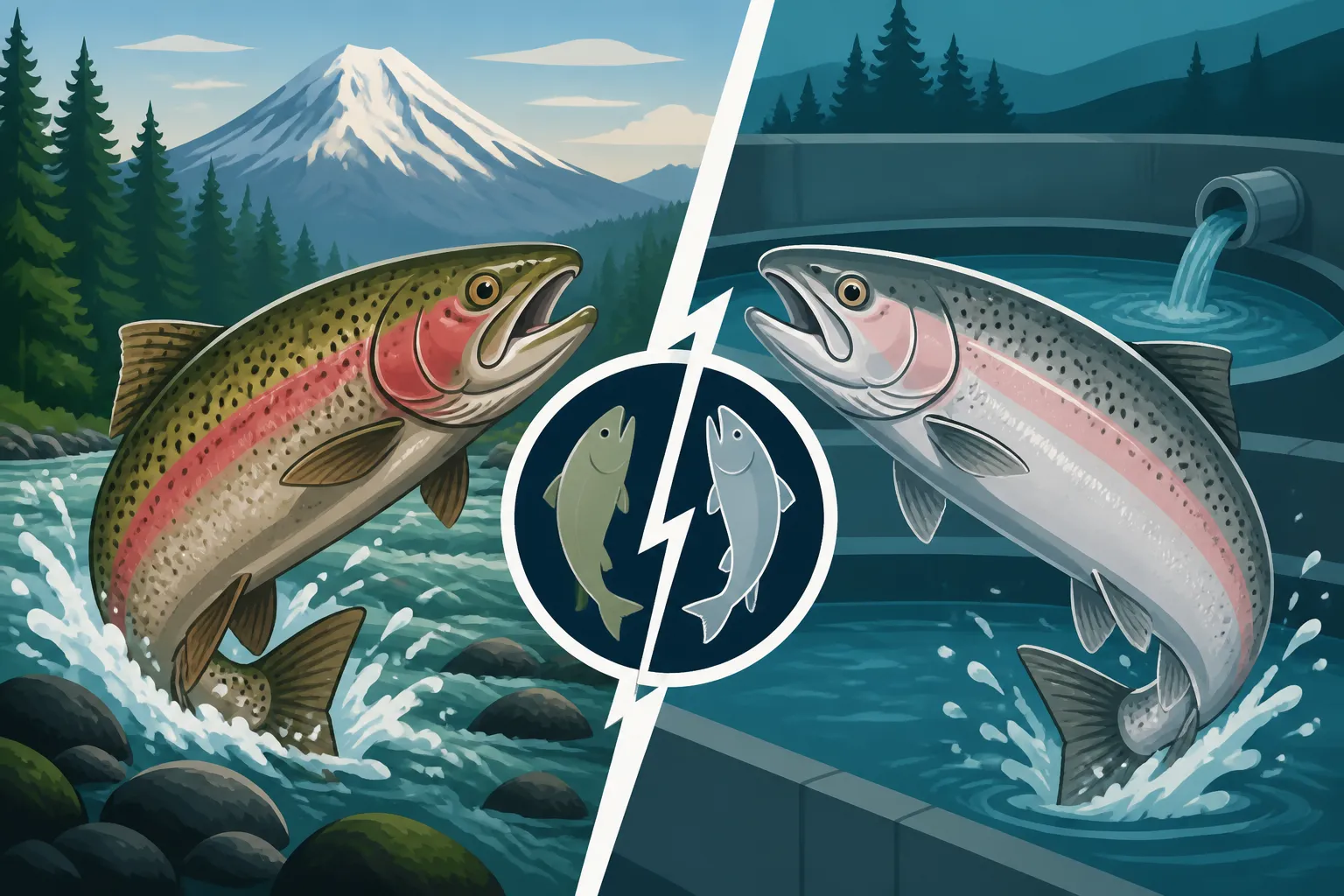
When we talk about "wild" versus "hatchery" steelhead, we're not just discussing where they were born. We're talking about fundamental differences in their biology, their behavior, and their importance to the overall ecosystem. It's a distinction that often sparks passionate debate among anglers and conservationists alike.
Wild Steelhead: Nature's Resilient Athletes
Wild steelhead are the epitome of natural selection. Born in the river, they are products of generations of adaptation to their specific environment. They face every challenge from the moment they hatch: predators, fluctuating water levels, competition for food, and the long, dangerous migration to the ocean. Only the strongest and most genetically fit survive to return and spawn. This constant pressure ensures a robust and diverse gene pool, making them incredibly resilient to environmental changes. They're often sleeker, more streamlined, and display subtle coloration variations that reflect their pristine surroundings. Their instincts are sharp, honed by a lifetime of survival without human intervention. When you hook a wild steelhead, you're connecting with a truly wild animal, a testament to nature's enduring power.
Hatchery Steelhead: A Human-Assisted Fishery
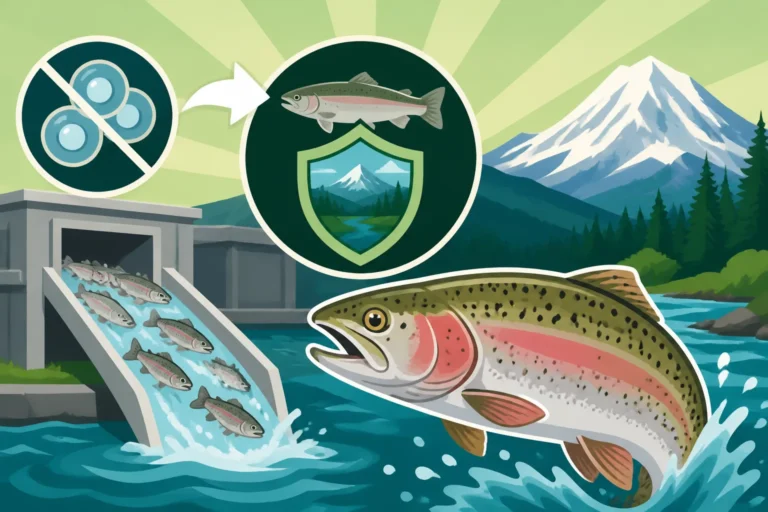
Hatchery steelhead, on the other hand, begin their lives in a much more controlled environment. They are spawned and raised in artificial settings, protected from many of the natural challenges that wild fish face. The goal of hatchery programs is primarily to supplement fish populations and provide angling opportunities, especially in areas where wild runs might be struggling or where heavy fishing pressure is desired. They are fed, protected from predators, and often grow faster than their wild counterparts during their freshwater phase. While these fish still undertake the ocean migration and return to spawn, their life history is fundamentally different from a wild fish. They are, in essence, a managed resource designed to enhance recreational fishing.
Genetic Distinctions and Survival Rates
The differences between wild and hatchery steelhead run deeper than just their upbringing; they're woven into their very DNA. Wild steelhead possess a rich and diverse genetic makeup, critical for their long-term survival and ability to adapt. Each population is uniquely adapted to its specific river system. Hatchery fish, however, often come from a more limited gene pool. Over generations of captive breeding, some of the genetic diversity and specific adaptations crucial for survival in the wild can be diminished. Studies have shown that hatchery-reared fish often have lower survival rates in the wild compared to their wild cousins, are less successful at spawning, and can sometimes even outcompete or interbreed with wild fish in ways that dilute the wild gene pool. This is a significant concern for conservationists, highlighting why preserving wild stocks is so critical.
How to Identify Wild vs. Hatchery Steelhead in the Field
Alright, this is where the rubber meets the road. Being able to quickly and accurately identify a wild steelhead from a hatchery fish is perhaps the most important skill for any angler in Washington. It's not just about compliance with regulations, but about showing respect for these magnificent creatures and contributing to their conservation.
The Adipose Fin: The Tell-Tale Clip
The absolute, primary, undisputed way to distinguish a hatchery steelhead from a wild one in Washington State is by checking its adipose fin. The adipose fin is that small, fleshy fin located on the fish's back between the dorsal fin and the tail (caudal fin).
- Hatchery Steelhead: Nearly all hatchery-reared steelhead in Washington are marked by a clipped adipose fin. This means the fin has been surgically removed when the fish are very young, leaving a distinctive scar or no fin at all where it should be. This practice, known as adipose fin clipping, is mandated for hatchery fish in many areas to easily identify them and differentiate them from wild stocks. It’s a quick, clear indicator. You'll often feel for it gently with your finger if you can't clearly see it.
- Wild Steelhead: Wild steelhead, having grown up in nature, will always have an intact adipose fin. No clip, no scar. This small fin is the key.
This clip is so important that it's mentioned in countless regulations, and you'll hear guides and seasoned anglers constantly remind newcomers to "check for the clip." It's your first, best, and often only required identifier. For a more detailed look, our article on What a Clipped Adipose Fin Means is a great resource.
Physical Appearance: Subtle Yet Significant Cues
While the adipose fin clip is the definitive identifier, there are often subtle physical cues that can hint at a fish's origin, especially as you gain more experience. These are not foolproof and should never be used instead of checking for the adipose fin, but they can inform your intuition.
- Fin Condition: Hatchery fish, raised in crowded concrete raceways, often exhibit fins that are worn, frayed, or stubby due to rubbing against tank walls and other fish. Their tails might be a bit tattered. Wild fish, swimming freely in rivers, tend to have perfectly formed, sharp, and often larger fins.
- Body Shape and Coloration: Wild steelhead generally have a more streamlined, athletic body shape, reflecting their need for speed and agility in natural currents. Their coloration can be incredibly vibrant and natural, often with a richer, deeper olive or bluish-green back, brilliant silver sides, and fine, distinct spotting. Hatchery fish can sometimes appear a bit heavier-bodied or "blockier," and their colors might be slightly duller or more uniform. That being said, once a hatchery fish has spent time in the ocean, it can gain much of that wild luster, making visual identification trickier.
- Snout and Jaw: Some anglers note that hatchery fish might have slightly blunter snouts or a less pronounced "kype" (the hooked jaw of a male fish) compared to their wild counterparts, though this is highly variable and not a reliable identifier.
Always remember: if there's no adipose fin clip, it's a wild fish, regardless of its other physical attributes.
Understanding Exceptions and Ambiguities
While the adipose fin clip is the gold standard, it's important to understand that no system is 100% perfect, and some specific circumstances can lead to confusion.
- Naturally Damaged Fins: Very rarely, a wild fish might suffer an injury in the river or ocean that damages or removes its adipose fin. This is exceedingly uncommon, and typically the injury will look different from a clean, surgical clip. If you encounter such a fish and are unsure, always err on the side of caution and treat it as a wild fish, releasing it unharmed.
- Unclipped Hatchery Fish: While extremely rare and typically a mistake, an unclipped hatchery fish could theoretically exist. However, official regulations in Washington almost universally rely on the adipose clip for identification. Assuming a fish without a clip is wild is the safest and most legally compliant approach.
- Distinguishing from Rainbow Trout: Remember, a steelhead is an anadromous rainbow trout. Resident rainbow trout (those that live their entire lives in freshwater) can also have adipose fins. The key difference is the size and migratory history. Steelhead are typically much larger and chrome bright when returning from the ocean, while resident rainbows will display more pronounced freshwater coloration. If you need help, our guide on How to Tell a Steelhead From a Rainbow Trout can offer more clarity. The critical thing for steelhead is the clip or lack thereof.
| Feature | Wild Steelhead | Hatchery Steelhead |
|---|---|---|
| Adipose Fin | Present and intact | Clipped (removed) with a scar |
| Fin Condition | Generally perfect, sharp, and well-formed | Often worn, frayed, or stubby |
| Body Shape | Streamlined, athletic, naturally adapted | Can be slightly blockier, sometimes heavier-bodied |
| Coloration | Vibrant, natural, distinct spotting | Can be duller, more uniform, but gains luster in ocean |
| Genetic Diversity | High, adapted to specific river environment | Lower, from a more controlled gene pool |
| Survival Instincts | Highly developed for natural predation | Potentially less developed due to protected upbringing |
| Role in Fishery | Conservation priority, protected | Provides recreational angling opportunity |
The Role of Hatcheries in Washington's Fisheries Management
Hatcheries play a complex and often controversial role in Washington's fishing landscape. They are a tool, a management strategy designed to address specific challenges and meet certain objectives. However, their presence isn't without debate, and understanding their purpose is key to appreciating the wild vs. hatchery dynamic.
Supplementing Populations and Providing Opportunity
One of the primary reasons for hatchery programs is to supplement fish populations. In rivers where natural spawning habitat has been degraded, or where wild runs are struggling due to various factors (like dam construction, pollution, or overfishing in previous eras), hatcheries can provide a boost in fish numbers. This ensures that there are still enough fish for harvest, supporting a recreational fishery and providing economic benefits to local communities. Many anglers rely on hatchery returns for consistent fishing opportunities, especially when strict conservation measures are in place for wild stocks. Without hatchery programs, many of Washington's most popular fishing destinations might see significantly fewer fish available for retention.
The Debates and Challenges of Hatchery Programs
Despite their benefits, hatchery programs are not without their critics and challenges. A major concern is the potential impact on wild fish populations. Hatchery fish, often less genetically diverse and adapted to artificial environments, can interbreed with wild fish, potentially diluting the wild gene pool and reducing the fitness of subsequent generations. They can also compete with wild fish for food and habitat, particularly during their juvenile stages. Furthermore, the sheer volume of hatchery fish can sometimes mask the underlying issues affecting wild populations, drawing attention away from habitat restoration or dam removal efforts. It's a delicate balancing act, and fisheries managers are constantly working to find ways to maximize fishing opportunities while minimizing negative impacts on wild fish. This is why many rivers, especially those designated as "wild steelhead gene banks," often have strict regulations or even outright bans on hatchery fish releases.
Selective Breeding and Broodstock Management
Modern hatchery practices are a far cry from their early iterations. There's a much greater emphasis now on careful broodstock management—the selection of parent fish for breeding—to try and maintain as much genetic diversity as possible within hatchery lines. Some hatcheries even use "local" broodstock, meaning they collect adult wild fish from the specific river system to spawn, hoping to imbue the hatchery offspring with some of those localized genetic traits. However, even with these efforts, the artificial environment of a hatchery, from diet to lack of natural predation, inevitably leads to some degree of domestication. The focus is always on producing fish that can survive the ocean phase and return, but the intrinsic "wildness" is something that can only truly be found in fish born and raised without human intervention. You can often find detailed information about specific hatchery programs and their broodstock goals through the Washington Department of Fish and Wildlife (WDFW) resources, which are crucial for understanding fisheries management.
Why Differentiating Matters: Regulations and Conservation
Understanding the difference between wild and hatchery steelhead isn't just a fun fact; it's a critical component of responsible angling in Washington State. The regulations are designed to protect fragile wild populations while allowing harvest opportunities for hatchery-produced fish. Getting it wrong can have serious consequences.
Strict Rules for Wild Steelhead Protection
In Washington, wild steelhead populations are often listed as threatened or endangered under state and federal law, such as the Endangered Species Act. This means they are afforded a high level of protection. Many rivers and marine areas have regulations that require the immediate release of all wild steelhead, regardless of species or size. In some cases, entire river systems or specific seasons might be completely closed to steelhead fishing to protect wild runs. These rules are not arbitrary; they are based on scientific assessments of population health and are absolutely essential for the survival and recovery of these iconic fish. Our comprehensive guide on Washington Fishing Regulations Every Angler Should Know can give you a broad overview, but specific steelhead rules are often extremely detailed.
Catch-and-Release for Wild Fish: The Golden Rule
For wild steelhead, catch-and-release is the golden rule. If you hook a wild fish (i.e., one with an intact adipose fin), it must be released immediately and unharmed. This means being prepared with the right tools and techniques. You'll want a net with a rubberized or knotless mesh to protect the fish's slime coat and fins. Barbless hooks are often mandatory in wild steelhead areas precisely for this reason, making it easier to remove the hook with minimal damage. Minimize handling the fish out of water; keep it submerged as much as possible, especially during hook removal and photos. If you need to net it, keep the fish in the water within the net until you're ready to safely release it. Learning how to properly unhook and revive a fish is just as important as knowing how to catch one. Our article on Catch-and-Release Rules During Wild Steelhead Closures provides more context on this practice.
Penalties for Misidentification and Violations
The consequences of misidentifying a wild steelhead or violating catch-and-release rules can be severe. Fishing without an adipose clip in an area where only hatchery fish can be retained, or retaining a wild fish, can result in hefty fines, loss of fishing privileges, and even confiscation of gear. Washington Department of Fish and Wildlife (WDFW) enforcement officers patrol rivers regularly, and they are very good at their jobs. Ignorance of the law is generally not an excuse. Beyond the legal repercussions, keeping a wild steelhead when it's prohibited is a profound ethical violation that undermines conservation efforts and disrespects the fragile populations we're all trying to protect. Always know before you go, and when in doubt, release it. To understand the potential ramifications, check out Penalties for Keeping an Illegal Wild Steelhead in Washington.
Becoming a Responsible Steelhead Angler in Washington
Being a responsible steelhead angler in Washington means more than just having the right gear or knowing the best fishing spots. It's about a mindset of conservation, respect for the resource, and a commitment to protecting these incredible fish for future generations.
Best Practices for Handling and Releasing Wild Steelhead
When you hook a wild steelhead, your actions in those crucial moments can determine its survival. These fish have traveled thousands of miles and overcome countless obstacles; the least we can do is give them the best chance to spawn.
- Be Prepared: Have a large, knotless, rubberized landing net ready. These nets are much gentler on a fish's delicate scales and slime coat than traditional nylon nets. Many anglers will also carry specialized forceps or de-hookers for quick hook removal. You can find excellent options for these on Amazon, often in combination fishing tool kits.
- Minimize Fight Time: Use appropriate tackle to land the fish as quickly as possible without over-stressing it. A prolonged fight can exhaust a steelhead, especially in warmer water, making it less likely to survive release.
- Keep it Wet: This is paramount. Keep the fish in the water as much as possible. If you must lift it for a quick photo, do so gently, support its belly, and minimize its time out of the water to mere seconds. Avoid dragging it onto rocks or dry ground.
- Gentle Hook Removal: Use your forceps or de-hooker to quickly and carefully remove the hook. If the fish is deeply hooked and removal would cause significant trauma, it's sometimes best to cut the line as close to the hook as possible, as the hook may rust out. Remember, barbless hooks make this process much easier and are often required.
- Revive Properly: Hold the fish gently facing into the current (or gently move it back and forth in still water) until it regains its strength and can swim away under its own power. Don't just toss it back; wait for it to kick strongly. For more specifics, consider reading Wild Steelhead Release Rules on Washington's Olympic Peninsula Rivers.
Educating Yourself and Staying Informed
The world of Washington fishing regulations is dynamic. Seasons change, emergency rules are enacted, and areas can open or close on short notice. Staying informed is a continuous process.
- Check WDFW Regulations: Before every trip, consult the official Washington Department of Fish and Wildlife (WDFW) website for current regulations. This includes general rules found in the annual pamphlet, but also critical in-season emergency rule changes. You can often subscribe to email alerts for specific regions or fisheries.
- Use the Fish Washington App: WDFW has developed the Fish Washington app, which is an invaluable tool. It provides real-time access to regulations, seasons, and emergency rules for specific locations. Make sure you have it downloaded on your phone.
- Follow Reputable Sources: Join local fishing forums, follow reputable fishing blogs, or listen to local fishing reports. These can provide context and early warnings about rule changes or fishing conditions. However, always cross-reference any information with official WDFW sources. Understanding Washington Sport Fishing Seasons and Emergency Closures is a constant commitment.
- Invest in Knowledge: Books on local fish species and fishing techniques for Washington waters can be incredibly helpful. Many excellent field guides and instructional books are available through retailers like Amazon, offering insights into fish biology, identification, and responsible angling.
Supporting Wild Steelhead Conservation Efforts
As anglers, we have a vital role to play in the long-term health of wild steelhead populations. Our passion for these fish should translate into tangible support for their conservation.
- Practice Ethical Angling: Beyond proper catch-and-release, this means picking up litter, respecting private property, and minimizing your impact on the environment.
- Advocate for Habitat: Support organizations that are working to protect and restore critical steelhead habitat, such as removing culverts, improving riparian zones, and advocating for healthy forest management practices.
- Report Violations: If you witness someone violating fishing regulations, report it to WDFW enforcement. This isn't "snitching"; it's protecting a shared resource.
- Join Conservation Groups: Consider becoming a member of organizations dedicated to wild steelhead conservation. Groups like the Wild Steelhead Coalition or Trout Unlimited do incredible work advocating for stronger protections, habitat restoration, and responsible fisheries management. Even a small annual membership fee can go a long way in supporting their efforts. You can often find merchandise or educational materials from these groups on platforms like Amazon, helping to spread awareness and support their missions. By actively participating in and supporting conservation, we ensure that future generations can experience the thrill of catching a wild Washington steelhead. It's not just about catching fish; it's about preserving a legacy. You also need to make sure you have the right gear, and can find good options for rain gear and other cold-weather fishing essentials on Amazon to prepare for Gear You Need for Winter Steelheading in Washington's often wet climate.
Disclaimer
This article is for general informational purposes only and does not constitute professional advice. Laws, prices and regulations vary by location and change over time. Consult a qualified professional for guidance on your specific situation.