Steelhead: Washington’s Ocean-Run Rainbow Trout
Oh, the steelhead. If you've ever spent countless hours freezing on a riverbank, casting into frigid water, only to feel that electric tug that sends your heart into your throat, you know the magic – and the profound frustration – of chasing Washington's most revered anadromous fish. It's a pursuit that tests patience, skill, and sometimes, your sanity. This guide isn't just about catching them; it's about understanding these magnificent, elusive creatures and embracing the journey of steelhead fishing in our incredible state.
Understanding Washington's Steelhead: The Elusive Anadromous Rainbow
Chasing steelhead in Washington is a rite of passage for many anglers, but it’s a pursuit steeped in mystery and challenge. These fish are essentially rainbow trout that have decided to go on an epic journey to the ocean and back, transforming along the way into something larger, stronger, and infinitely more wild. They are creatures of incredible resilience and beauty, embodying the spirit of the Pacific Northwest.
What Makes a Steelhead Different from a Rainbow Trout?
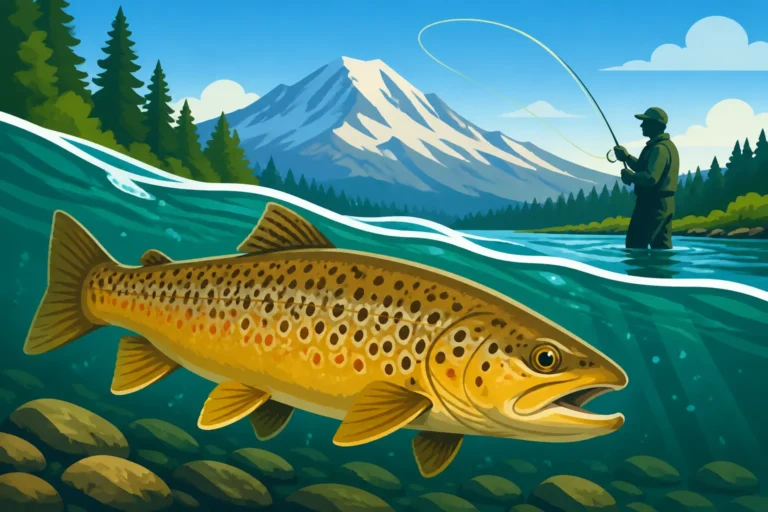
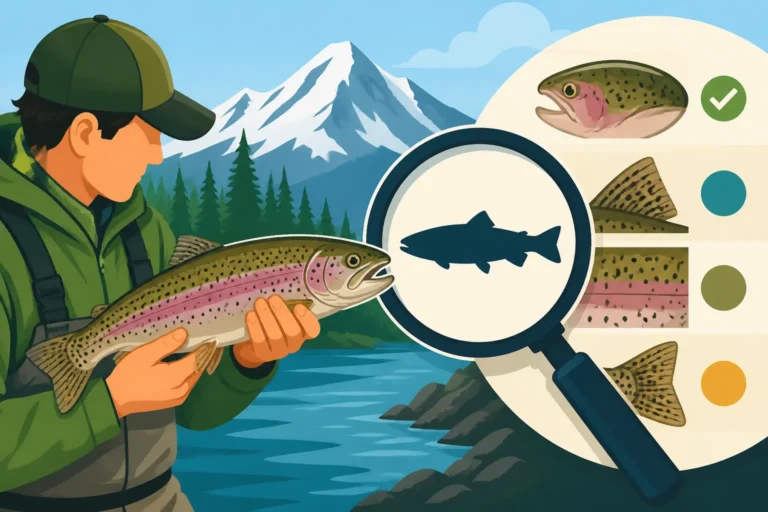
This is a question I hear all the time, and it's a good one because, genetically, they're the same species! Think of it like a difference in lifestyle, not lineage. A rainbow trout spends its entire life in freshwater, growing to a respectable size in lakes or rivers. It's a freshwater resident, content with its home turf. A steelhead, however, is a wanderer. It's an anadromous fish, meaning it hatches in freshwater, migrates to the saltwater ocean to grow large and strong, and then returns to its natal freshwater stream to spawn. This oceanic journey changes them physically, making them much sleeker, silver-sided, and powerful compared to their freshwater counterparts. Their flesh often turns a vibrant orange or red, much like salmon, due to their rich marine diet. When you hook a steelhead, you're not just fighting a trout; you're fighting a fish that has battled currents, predators, and the vast expanse of the ocean. The fight is legendary, often involving acrobatic jumps and powerful runs that will test your gear and your grit. If you're curious about these distinctions, check out our guide on how to tell a steelhead from a rainbow trout.
The Life Cycle of a Washington Steelhead
The steelhead's life story is truly remarkable and quite varied, depending on the specific run and river system. It all starts in the gravel beds of a freshwater river or stream, where the eggs are laid and hatch into tiny alevin. These tiny fish, often called "fry," feed on plankton and small insects, growing into "parr," which sport distinctive vertical bars for camouflage. After one to three years, these parr transform into "smolts" – a crucial physiological change that allows them to survive in saltwater. They develop that silvery sheen and begin their migration downstream to the Pacific Ocean.
Once in the ocean, these fish spend anywhere from one to four years feasting on krill, squid, and smaller fish, growing rapidly. This is where they put on the incredible size and strength that makes them so sought after. When their biological clock tells them it's time, they begin their arduous journey back to their home rivers, often navigating hundreds of miles upstream, leaping over obstacles, and battling strong currents. Unlike Pacific salmon, steelhead are iteroparous, meaning they can survive spawning and return to the ocean, potentially to spawn again in future years. However, the energy expenditure is immense, and many do not survive. This ability to return is one of the reasons they are often referred to as "steelhead trout," highlighting their resilience.
Why Steelhead Are So Highly Prized by Anglers
Beyond their challenging fight and impressive size, steelhead hold a special place in the hearts of anglers for several reasons. First, there's the sheer beauty of the fish itself: the chrome bright sheen of a fresh-from-the-ocean specimen, often with a faint pink or reddish stripe that intensifies as they spend more time in freshwater. Second, their elusiveness adds to their allure. Steelheading isn't about numbers; it's about the quality of the experience and the singular triumph of hooking and landing one of these magnificent wild fish. Days can pass without a bite, which makes that one fish, when it finally comes, an unforgettable event.
The pursuit itself often takes anglers to some of Washington's most stunning natural landscapes, from the rain-soaked Olympic Peninsula rivers to the majestic Columbia River system. It's a sport that connects you deeply with nature, demanding patience, observation, and an understanding of river dynamics. For many, it's less about the fish and more about the quest, the solitude, and the communion with the wild. The difficulty makes the reward that much sweeter, creating stories and memories that last a lifetime.
The Two Main Runs: Winter Steelhead vs. Summer Steelhead
In Washington, when we talk about steelhead, we're primarily talking about two distinct groups: winter-run and summer-run. While they share the same genetics and life cycle pattern, their timing, physical characteristics, and the rivers they inhabit often differ significantly. Understanding these differences is crucial for any aspiring steelhead angler.
The Characteristics of Winter Steelhead
Winter steelhead are often the first image that comes to mind for many Washington anglers. These fish typically enter freshwater rivers from late fall through spring, with the peak runs usually occurring from December through March. They are often larger and more robust than their summer counterparts, having spent less time in the river before spawning. When they first enter the river, they are incredibly chrome-bright, almost like a mirror, reflecting their recent departure from the ocean. This "chromer" status makes them incredibly powerful and aggressive fighters.
Because they enter the rivers in colder, often higher and off-color water conditions, they tend to hold in deeper pools and slower runs, conserving energy. Their primary goal is to reach spawning grounds, and they are not actively feeding once in freshwater, though they will strike out of aggression or instinct. Fishing for winter steelhead often involves larger gear, heavier lines, and techniques designed to get lures or bait down to their holding lies in often challenging river conditions. It’s a chilly, often wet, but incredibly rewarding pursuit that defines winter for many anglers on rivers like the Cowlitz or the Olympic Peninsula giants.
The Distinctive Traits of Summer Steelhead
Summer steelhead, on the other hand, offer a completely different experience. These fish begin entering rivers in late spring and early summer, continuing through early fall. They spend many months in freshwater, holding in the cooler, deeper pools and faster, more oxygenated riffles throughout the summer and into the fall before spawning the following spring. This extended stay in freshwater means they can lose some of their chrome brightness, often developing a more bronze or greenish hue, with a more pronounced pink or red stripe, as they adapt to their freshwater environment.
While generally smaller than winter steelhead, summer steelhead are incredibly feisty and acrobatic fighters. They are often more aggressive biters, as they still possess some residual feeding instincts early in their freshwater migration. Fishing for summer steelhead typically occurs in lower, clearer water conditions, often favoring lighter tackle, smaller presentations, and fly fishing techniques. Rivers like the Yakima River are legendary for their summer steelhead runs, providing a beautiful, warmer weather alternative to the often brutal winter conditions. The challenge shifts from battling heavy flows to presenting your offering subtly and effectively in clear water.
Geographical Distribution and Timing of Each Run
The timing and specific rivers where you'll find winter or summer steelhead vary across Washington, creating distinct fishing seasons and opportunities.
Winter Steelhead Hotbeds:
The most iconic winter steelhead rivers are found on the Olympic Peninsula. Rivers like the Hoh River, Sol Duc River, Bogachiel River, and Quillayute River system are legendary, drawing anglers from around the world. These rivers are fed by abundant rainfall, often running high and swift, providing excellent conditions for large winter fish. Further south, the Cowlitz River and Kalama River are also major players, known for their hatchery-supplemented runs, offering more consistent opportunities. Up in the Puget Sound region, rivers like the Skykomish River and Green River also host significant winter runs, though they are often closer to population centers and can see more angling pressure. Understanding Washington Sport Fishing Seasons and Emergency Closures is vital before heading out, as these runs are heavily managed.
Summer Steelhead Sanctuaries:
Summer steelhead often prefer rivers with longer, cooler stretches of water, allowing them to "hold over" for months. The Yakima River is arguably Washington's most famous summer steelhead destination, particularly for fly anglers. The mainstem Columbia River and its tributaries, such as the Snake River, also host significant summer runs, often overlapping with salmon seasons. These fish migrate further upstream, seeking out those colder, higher elevation waters. They provide fantastic opportunities for those who enjoy sight fishing and light tackle. When fishing for summer steelhead, especially in clearer waters, remember that presentations need to be dialed in.
Knowing which run is in which river and when is the key to planning a successful trip. Always consult the latest WDFW regulations for specific seasons, openings, and emergency rule changes, as these can shift frequently due to run strength and conservation efforts.
Where to Find Steelhead in Washington's Rivers
Washington is truly blessed with an abundance of diverse waterways, many of which host incredible steelhead runs. From the rugged Olympic Peninsula to the mighty Columbia River, understanding the different regions and their unique characteristics is key to finding success. Each river has its own personality, and knowing where to focus your efforts can make all the difference.
Key Rivers on the Olympic Peninsula
When most people think of Washington steelhead, their minds immediately drift to the Olympic Peninsula. And for good reason! This region is home to some of the state's most iconic and productive wild steelhead rivers. The consistent rainfall in the Olympic Mountains ensures healthy river flows, creating prime habitat for these incredible fish. These rivers are often characterized by their wild, pristine nature, flowing through ancient forests and rugged terrain.
Rivers like the Sol Duc River for Wild Steelhead in Washington and the Hoh River are legendary for their strong runs of winter steelhead, some of the largest in the state. Anglers often employ drift boats to cover water, navigating swift currents and deep pools. Bank access can be limited in many areas, adding to the remote, wild feel of the fishing. The Bogachiel River and Quillayute River system are also major draws, often fishing well even after heavy rains when other rivers might be blown out. These systems demand respect, both for their power and for the precious wild fish they hold. Expect challenging conditions, but the reward of a chrome bright Olympic Peninsula steelhead is unparalleled. Many of these rivers are subject to specific gear restrictions, like barbless hooks, which are crucial to understand before you go.
Steelhead Opportunities in Puget Sound Tributaries
While the Olympic Peninsula gets a lot of the spotlight, the rivers that feed into Puget Sound also offer fantastic, and often more accessible, steelhead fishing opportunities. These rivers, flowing down from the Cascade Mountains, are vital arteries for both winter and summer steelhead runs, often within a relatively short drive of major population centers.
The Skykomish River, particularly near the Reiter Pond Hatchery, is a perennial favorite for winter steelhead, offering both wild and hatchery-supplemented fishing. It's a larger river with varied water types, from long, deep runs to faster riffles, accommodating various fishing techniques. Similarly, the Green River near Auburn also sees good winter runs, providing a quick escape for urban anglers. For summer steelhead, certain stretches of rivers like the Skagit River, while famous for salmon, also see returns, although fishing regulations can be quite complex and highly managed to protect wild runs. Always check the current Washington Sport Fishing Regulations Pamphlet for specific openings and restrictions, as rules can change frequently based on run forecasts and in-season updates. Fishing these rivers offers a different kind of challenge, often dealing with more angler pressure, but the chance to connect with a beautiful steelhead so close to home is always a thrill.
Fishing the Columbia River System for Steelhead
The mighty Columbia River and its vast network of tributaries represent another cornerstone of Washington's steelhead fishing. This colossal river system hosts both enormous winter and summer steelhead runs, with fish migrating hundreds of miles inland, often into Eastern Washington. The sheer scale of the Columbia means diverse fishing opportunities, from the mainstem to its numerous feeder rivers.
For summer steelhead, the Columbia River, particularly from Buoy 10 up past the confluence with the Snake River, sees massive migrations. Fish enter the river in the spring and summer, pushing deep into the system, with popular fisheries developing in tributaries like the Snake River and the Yakima River. The Yakima is especially famous for its fly-fishing opportunities for summer steelhead, where anglers can target fish in clear, wadeable water. For winter steelhead, the lower Columbia and its tributaries like the Cowlitz River and Kalama River are major destinations. These rivers are well-known for their hatchery programs, which provide more consistent harvest opportunities while still offering a chance at larger wild fish. Remember, when fishing the Columbia, particularly for salmon and steelhead, you'll need a Columbia River Salmon and Steelhead Endorsement, in addition to your regular license. Understanding Washington's Columbia River Salmon and Steelhead Endorsement, Explained is crucial for compliance. The dynamic nature of the Columbia, with its vast stretches and numerous access points, offers endless possibilities for exploration, but it also demands a robust understanding of both the fish's habits and the often-complex regulations.
Essential Gear for Washington Steelhead Fishing
Steelhead fishing, no matter the season or specific river, requires a certain level of commitment to your gear. These are powerful fish, often found in challenging conditions, and having the right equipment can make the difference between a triumphant catch and a heartbreaking snap. Investing in quality gear isn't just about durability; it's about giving yourself the best chance to succeed and ensuring you can effectively and ethically handle these wild fish.
Rods, Reels, and Line for Steelhead
Choosing the right rod and reel setup is paramount for steelhead. For drift fishing or float fishing in rivers, a longer rod is often preferred. A 9-foot to 11-foot moderate-fast action spinning or casting rod, rated for 8-15lb test line, is a common choice. The extra length helps with line control, mending, and setting the hook on a long drift. Pair this with a reliable spinning reel (size 3000-4000) or a baitcasting reel spooled with 10-15lb monofilament or braid. If you go with braid, you’ll want to tie on a fluorocarbon leader (10-12lb test) for invisibility and abrasion resistance. Fly anglers often opt for 7-weight to 9-weight fly rods, typically 10 to 11 feet long, capable of casting heavy sink-tips and large flies, especially for winter steelhead. Skagit or Scandi lines are popular for their ability to deliver flies in powerful rivers. For summer steelhead in clearer, smaller rivers, a lighter 6 or 7-weight switch or single-hand rod might be more appropriate.
For reels, a strong drag system is non-negotiable. Steelhead make blistering runs, and a smooth, consistent drag is crucial to prevent break-offs. When considering lines, monofilament offers stretch, which can be forgiving with powerful runs, while braid provides incredible sensitivity and casting distance. Fluorocarbon leaders are essential for both visibility (it's nearly invisible underwater) and abrasion resistance against rocks and logs. You can find a fantastic selection of suitable rods, reels, and lines on platforms like Amazon, offering options for every budget and fishing style. Just be sure to read reviews and match your setup to the conditions you anticipate.
Terminal Tackle: Hooks, Weights, and Floats
Terminal tackle is where the rubber meets the road, or rather, where the hook meets the fish. For drift fishing, a variety of weights are used, from pencil lead to slinky weights or split shot, depending on the current and depth. The goal is to get your presentation ticking along the bottom without snagging excessively. Hooks typically range from size 1 to 1/0, often Octopus-style hooks, which are incredibly sharp and designed for strong hook sets. Remember, Barbless Hook Requirements on Washington Rivers are common, especially for wild-run rivers, so be sure to pinch down your barbs if not explicitly barbless.
For float fishing, a good quality float (often a Drennan Piker or Thill style) is critical for indicating subtle bites. These floats are typically weighted to stand upright and are matched to the amount of weight you're using below them. Jigs, usually in brightly colored patterns (pink, chartreuse, orange), often tipped with bait like cured roe or shrimp, are incredibly effective. Beads, mimicking salmon eggs, have also become wildly popular. Spinners and spoons, like the popular "Little Cleo" or "Rooster Tail," are also excellent search baits. Always have a variety of sizes and colors to adapt to water clarity and light conditions. And don't forget swivels to prevent line twist!
Waders, Clothing, and Safety Considerations
Steelhead fishing often means standing in cold water for hours, sometimes in driving rain or snow. Quality waders and appropriate clothing are not luxuries; they are necessities. Breathable chest waders are essential, allowing you to stay dry while minimizing sweat. Pair these with good wading boots that provide excellent traction on slippery river bottoms. Layers are your best friend: thermal underwear, fleece pants, and a warm, waterproof jacket are crucial for comfort and safety. A good pair of waterproof gloves and a warm hat will also make a huge difference in keeping you comfortable.
Safety on the river should always be your top priority. A wading staff is invaluable for maintaining balance in swift currents, especially on uneven riverbeds. Always fish with a buddy when possible, and let someone know your float plan or where you'll be fishing. A sharp knife, a small first-aid kit, and a way to communicate (fully charged phone in a waterproof case) are also smart additions to your pack. If you're using a drift boat, ensure you have all required safety gear, including PFDs. Respect the power of the river, especially during high flows, and never take unnecessary risks.
Popular Techniques for Catching Washington Steelhead
Catching a steelhead is a unique challenge that often requires specific techniques tailored to the conditions of the river and the behavior of the fish. These aren't necessarily actively feeding once they enter freshwater, so presentations often aim to elicit an aggressive strike or an instinctive grab. Mastering a few key methods will significantly increase your chances of success.
Drift Fishing with Bait and Beads
Drift fishing is one of the most classic and effective methods for targeting steelhead in Washington rivers, especially for winter runs. The basic premise is to present your bait or lure naturally along the river bottom, allowing it to "drift" with the current, mimicking a natural food item or an irritant. This typically involves a leader with a hook, a swivel, and then a weight system (like pencil lead or slinky weights) adjusted to bounce along the bottom without snagging too often.
Popular baits include cured salmon roe (often in a roe bag), shrimp, or even sand shrimp. More recently, "beads" have become incredibly popular. These small, plastic or glass beads are threaded onto the leader a few inches above the hook, mimicking a salmon or steelhead egg. The key to successful drift fishing is to maintain a "dead drift," where your line and presentation move at the exact speed of the current. This often requires careful mending of your line and feeling for those subtle taps that indicate a bite – or a snag. It's a highly tactile method that teaches you to read the river bottom and interpret every bump and twitch of your line. Understanding Drift Fishing for Steelhead in Washington Rivers in more detail can really elevate your game.
Float Fishing with Jigs and Worms
Float fishing, often called "bobber dogging" when done from a boat, is another incredibly popular and effective technique, particularly for steelhead in Washington. This method involves suspending a jig, worm, or bait under a float (or bobber) and allowing it to drift through prime holding water. The float serves as both a depth indicator and a strike indicator, plunging or twitching when a fish takes the offering.
Jigs are a favorite among float fishermen. These lead-headed lures, dressed with marabou or rubber skirts, come in a rainbow of colors (pink, orange, chartreuse, white are common) and can be tipped with a small piece of shrimp, prawn, or a scented soft plastic worm. Soft plastic worms, particularly "pink worms," have become a deadly offering for steelhead, especially in clearer water conditions. The beauty of float fishing is its versatility; you can precisely control your depth, allowing your presentation to hang exactly in the strike zone. It's also a more visual fishing method, as the excitement builds when your float bobs, twitches, and then disappears under the water. This technique can be especially effective in deeper pools, slower runs, or when fish are holding higher in the water column.
Fly Fishing for Steelhead in Washington
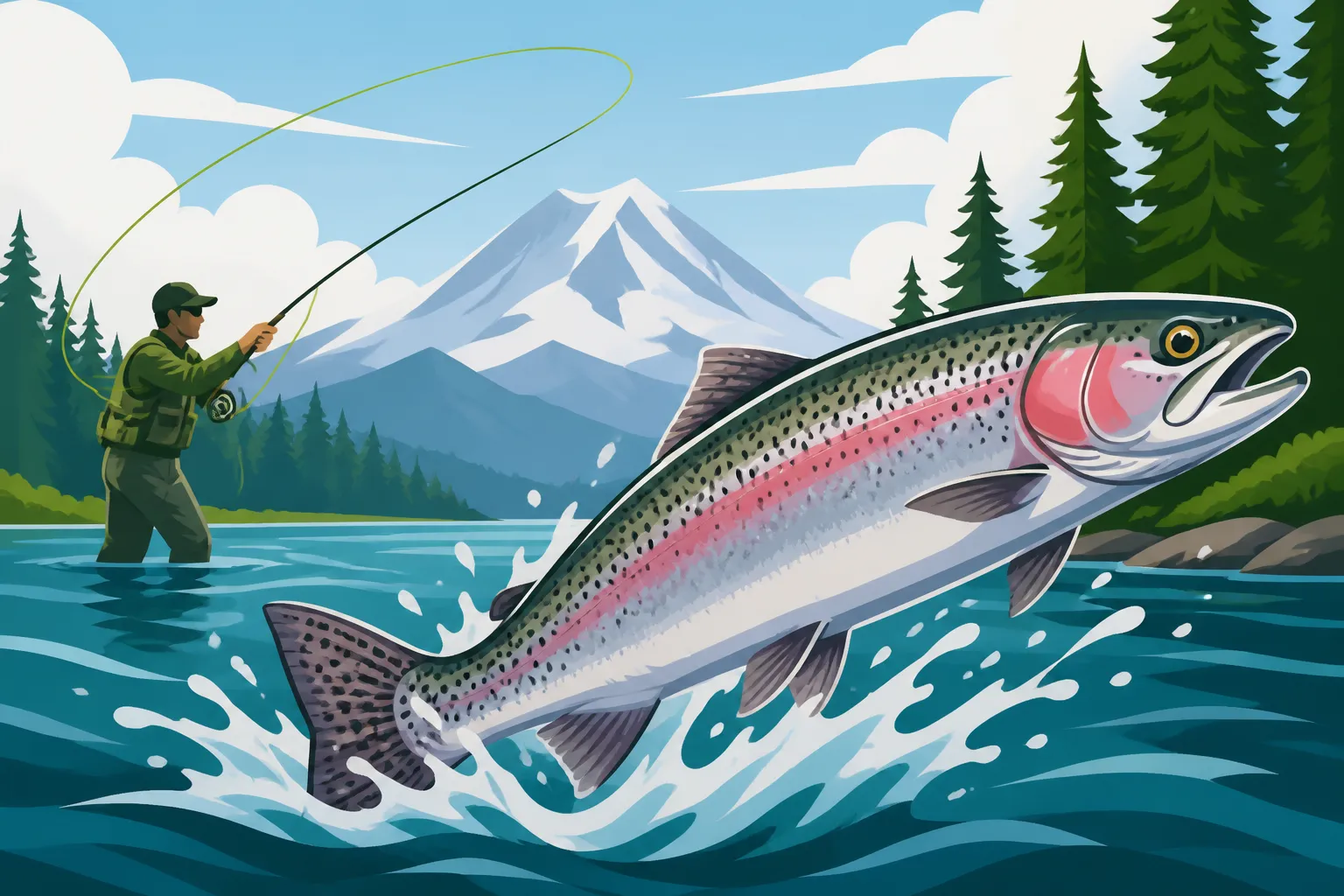
Fly fishing for steelhead is often considered the pinnacle of the sport, combining elegance with raw power. It's a method that truly connects the angler to the wildness of the fish and the river. While it can be done with single-hand rods, the use of two-handed "Spey" or "switch" rods has revolutionized steelhead fly fishing, allowing anglers to cast long distances and cover vast stretches of water with minimal effort, even in rivers with limited backcasting room.
For winter steelhead, fly anglers typically use heavy sink-tip lines (Skagit or Scandi systems) to get large, weighted flies down to the fish in powerful currents. Patterns often mimic baitfish, leeches, or large insects, in dark, contrasting colors like black and blue, or vibrant options like pink and purple. The retrieve is usually a slow swing, allowing the current to animate the fly as it sweeps through prime holding lies. For summer steelhead, particularly in clearer, lower rivers like the Yakima, dry-line fly fishing can be incredibly exhilarating, though often challenging. Anglers might use lighter rods and smaller, less weighted flies, including classic "greased liner" patterns or even skating dry flies for aggressive surface strikes in low light. Regardless of the run or season, fly fishing for steelhead demands a deep understanding of water currents, fly presentation, and the subtle art of the swing. The challenge is immense, but the reward of hooking a chrome bullet on the fly is an experience that keeps anglers coming back, season after season. To delve deeper into this captivating technique, our guide on Fly Fishing Washington's Rivers and Lakes is a great resource.
Understanding Washington's Steelhead Regulations
Navigating fishing regulations in Washington can feel like deciphering a secret code, and for steelhead, it's particularly complex. The Washington Department of Fish and Wildlife (WDFW) works hard to balance angling opportunities with conservation, and this often means detailed, area-specific rules that can change frequently. Getting it wrong isn't just a minor inconvenience; it can result in fines and loss of fishing privileges.
Wild Steelhead vs. Hatchery Steelhead Rules
This distinction is perhaps the most critical difference in Washington's steelhead regulations. Wild steelhead are those naturally spawned in the river, contributing directly to the genetic diversity and long-term health of the run. They are a precious resource. Hatchery steelhead are bred in captivity and released into rivers, primarily to supplement fishing opportunities and often to mitigate impacts on wild stocks. The key difference you'll see on the river is that most hatchery steelhead have a clipped adipose fin (the small, fleshy fin on their back between the dorsal and tail fins).
In many Washington rivers, especially those designated as wild steelhead strongholds (like many on the Olympic Peninsula), you are often required to release all wild steelhead. Hatchery steelhead, identified by that missing adipose fin, may be retained within specific bag limits. This system is designed to protect wild populations while still allowing anglers to harvest some fish. It is absolutely vital that you know how to identify a clipped vs. unclipped fish and what the rules are for your specific river and season. Releasing a wild steelhead you didn't intend to keep quickly and gently is also paramount to its survival, reducing stress and injury. Never assume; always check the specific regulations for your chosen river before you cast a line.
Bag Limits, Possession Limits, and Season Closures
Understanding the various limits and closures is another non-negotiable part of ethical steelhead fishing.
- Daily Bag Limit: This is the maximum number of legal steelhead you can keep in a single day. For instance, a river might have a daily limit of 2 hatchery steelhead. This means you can keep two fin-clipped fish per day.
- Possession Limit: This refers to the maximum number of legal steelhead you can have in your possession, whether that's on your person, in your cooler, in your vehicle, or at your home. It's often twice the daily limit, but always double-check. So, if the daily limit is 2, the possession limit might be 4. This prevents anglers from accumulating large numbers of fish over multiple days without proper documentation. For more on this, check out our article on Possession Limits vs Daily Limits in Washington.
- Annual Limits: Some species, including certain salmon and steelhead runs, might also have an annual limit, meaning a total number of fish you can retain over the course of the license year. This is often tracked via your Catch Record Card, which is a mandatory requirement for salmon and steelhead in Washington.
- Season Closures: Rivers and specific areas within rivers will have defined open and closed seasons. These closures can be for various reasons: to protect spawning fish, to reduce pressure during low returns, or to prevent incidental catch of other protected species. Emergency closures can also happen mid-season due to unforeseen circumstances, like extremely low returns or poor water conditions. Always check the WDFW website or their "Fish Washington" app for the most up-to-date information before you head out, as Emergency Rule Changes: Why Washington's Rules Shift Mid-Season are a real part of fishing here.
Barbless Hooks and Bait Restrictions
Beyond limits, specific gear restrictions are very common in steelhead fisheries, largely aimed at minimizing harm to wild fish or managing incidental catch.
- Barbless Hooks: In many steelhead rivers, especially those with sensitive wild populations or during specific seasons, barbless hooks are mandatory. This means the barb on your hook must be crimped down flat so it doesn't extend beyond the shank. Barbless hooks are much easier to remove from a fish, significantly reducing injury and increasing the survival rate of released fish. If you're fishing in an area requiring barbless hooks and a warden finds you with barbed hooks, you could face a citation, even if you’re catch-and-release fishing. Always carry pliers to crimp down barbs on your hooks.
- Bait Bans: Some rivers or river sections will have a "bait ban" in effect, meaning you are only allowed to use artificial lures or flies. This is typically implemented to further reduce mortality of released fish, as fish often swallow bait more deeply, leading to higher rates of internal injury compared to artificial lures. Conversely, some rivers allow bait but might restrict specific types (e.g., no live fish). Understanding Washington Bait Bans and When They Apply is critical. If a river is "fly-fishing only," the restrictions are even tighter.
The bottom line: always, always consult the current Washington Sport Fishing Regulations pamphlet or the WDFW website before you go fishing. These regulations are designed to protect the resource and ensure sustainable fishing for future generations.
The Conservation Challenge: Protecting Washington's Steelhead
Steelhead in Washington face a myriad of challenges, and their populations have seen significant declines in many systems. The quest for these incredible fish is not just about the catch; it's deeply intertwined with the ongoing efforts to protect and restore them. As anglers, we have a vital role to play in conservation.
Threats to Steelhead Populations
Steelhead, particularly wild populations, are incredibly vulnerable to a range of environmental stressors. Here are some of the primary threats:
- Habitat Degradation and Loss: This is perhaps the biggest and most pervasive threat. Urban development, logging practices, agriculture, and road building can all lead to habitat destruction. Spawning gravels can be choked by sediment, riparian vegetation (the trees and plants along the riverbanks) which provides critical shade and insect life can be removed, and river flows can be altered. Water diversions for irrigation or municipal use can reduce flow, making it harder for fish to migrate or find suitable habitat.
- Dams and Culverts: Hydroelectric dams on major river systems like the Columbia and Snake rivers block access to vast amounts of historical spawning and rearing habitat. While fish ladders exist, they are not always 100% effective and can create delays and stress for migrating fish. Smaller culverts under roads can also be impassable barriers for steelhead trying to reach their natal streams.
- Climate Change: Warming water temperatures can stress steelhead, reducing their oxygen intake and making them more susceptible to disease. Changes in precipitation patterns can lead to more extreme floods (scouring eggs from redds) or droughts (lowering river levels and increasing water temperatures). Ocean acidification and warming waters can also impact the marine food web that steelhead rely on for growth.
- Predation: As steelhead smolts migrate to the ocean, they face increased predation from marine mammals like seals and sea lions, whose populations have rebounded. In freshwater, native and non-native predators also take a toll.
- Hatchery Interactions: While hatcheries aim to augment fisheries, there can be complex interactions between hatchery-origin and wild steelhead. Genetic interbreeding can reduce the fitness of wild populations, and competition for resources can put wild fish at a disadvantage. This is a highly debated topic, and the science is constantly evolving.
These threats often act synergistically, making the recovery of wild steelhead a complex and multifaceted challenge that requires broad, collaborative efforts.
Hatchery Programs and Their Role
Hatchery programs in Washington play a significant, if sometimes controversial, role in steelhead management. The primary goals of hatcheries are generally:
- To provide angling opportunities: By releasing large numbers of hatchery-reared fish, these programs aim to ensure there are enough fish for anglers to catch and retain, especially in systems where wild runs are too fragile to support harvest.
- To mitigate habitat loss: In rivers where dams or other developments have severely impacted natural production, hatcheries attempt to "mitigate" the loss by producing fish that would otherwise not exist.
- To conserve endangered stocks: In some cases, hatcheries can act as "gene banks" to preserve genetically distinct wild populations from the brink of extinction.
Hatchery steelhead are typically marked (most commonly with an adipose fin clip) to distinguish them from wild fish. This allows fisheries managers to create regulations that differentiate between the two, often allowing harvest of hatchery fish while requiring the release of wild fish. However, the interactions between hatchery and wild fish are complex, including potential for genetic dilution, competition for food and habitat, and increased disease transmission. WDFW continually evaluates and adapts hatchery practices to minimize negative impacts and maximize conservation benefits. Our article on Hatchery Brood Stock Programs, Explained offers a deeper dive into this topic.
How Anglers Can Contribute to Conservation
As anglers, we are often the first line of defense for steelhead, and our actions on and off the water make a real difference.
- Follow Regulations: This is the most basic and crucial contribution. Adhering strictly to bag limits, season closures, gear restrictions (like barbless hooks and bait bans), and identifying wild vs. hatchery fish correctly ensures that we're fishing legally and responsibly. When you get your Washington Fishing License Guide for Nonresidents or residents, take the time to really understand the accompanying regulations.
- Practice Catch and Release Ethically: For wild steelhead, catch and release is paramount. This means minimizing fight time, keeping the fish in the water as much as possible, using a knotless rubber net (which is gentler on fins and slime coat), handling the fish gently with wet hands, and releasing it quickly. Avoid taking fish out of the water for photos.
- Report Violations: If you witness illegal fishing activity, such as snagging, keeping wild fish in a closed area, or exceeding limits, report it to WDFW enforcement. This helps protect the resource for everyone.
- Support Conservation Efforts: Many non-profit organizations are dedicated to steelhead habitat restoration, scientific research, and advocacy. Consider donating or volunteering with groups like the Wild Fish Conservancy, Trout Unlimited, or local watershed councils.
- Advocate for Healthy Habitats: Speak up for policies that protect riparian zones, restore degraded habitats, improve fish passage, and ensure adequate water flows. Attend public meetings, write to elected officials, or participate in public comment periods on fisheries management plans.
- Educate Others: Share your knowledge of ethical fishing practices and conservation needs with fellow anglers, especially newcomers. Be a mentor and lead by example.
By actively participating in conservation, anglers ensure that the thrill of chasing Washington's magnificent steelhead can be experienced by future generations.
Beyond the Catch: The Experience of Steelheading
For many, steelhead fishing isn't just about the fish in the net; it's a deeply personal journey, a test of character, and a profound connection to the natural world. The "experience" of steelheading often far outweighs the number of fish landed, shaping memories and fostering a unique community.
The Mental Game and Patience Required
If there's one thing steelheading teaches you, it's patience. Days can pass without a single bite, often in cold, wet, or otherwise challenging conditions. You might spend hours making perfect casts, mending your line, and moving through prime water, only to be met with silence. This constant grind can be mentally taxing, leading to self-doubt, frustration, and the temptation to give up.
But it's in these moments of adversity that the mental game of steelheading truly shines. It forces you to slow down, to observe the river, to trust your instincts, and to find satisfaction in the process itself. Each cast is an act of hope, each drift a renewed commitment. When that elusive tug finally comes, after hours or even days of effort, it's not just a fish; it's the culmination of your perseverance, a reward for your unwavering belief. It teaches resilience, a quiet determination, and the profound lesson that some of the greatest rewards in life come only after significant effort.
Appreciating the Wildness of the Pursuit
Steelheading is, for many, an escape to the wild. It takes you to some of Washington's most stunning and often remote landscapes – ancient forests, towering mountains, and pristine rivers flowing with glacial melt. Away from the hustle and bustle of daily life, you become acutely aware of your surroundings: the call of an eagle, the rustle of leaves, the subtle changes in river current.
There's a raw, untamed quality to the pursuit. You are often battling the elements, reading the nuances of the water, and trying to outsmart a truly wild creature. This deep immersion in nature is therapeutic, grounding, and exhilarating. It reminds you of the immense power and beauty of our natural world and your place within it. The challenge isn't just about landing a fish; it's about connecting with an ancient cycle, feeling the pulse of the river, and appreciating the fleeting moments of solitude and beauty that only the wilderness can provide. It's a reminder of what we stand to lose if we don't protect these precious resources.
The Community of Steelhead Anglers
Despite the often solitary nature of the pursuit, steelheading fosters a tight-knit and passionate community. You'll find it on the riverbanks, where anglers might share tips, offer encouragement, or simply exchange knowing nods after a long, fishless day. It's in the tackle shops, where stories are swapped, and the latest conditions are discussed with eager anticipation. It's online, in forums and social media groups, where triumphs are celebrated and frustrations are commiserated.
This community is bound by a shared passion for these incredible fish, a mutual respect for the challenge, and often, a deep commitment to conservation. There's an unspoken understanding among steelheaders that transcends differences – a common love for the chase, the mystery, and the profound moments of connection with nature. Whether you're a seasoned veteran or a curious beginner, the steelhead community is one of camaraderie, shared knowledge, and an endless stream of unforgettable stories.
Steelhead Runs: Winter vs. Summer at a Glance
For those trying to wrap their heads around the two main types of steelhead runs in Washington, here's a quick comparison. Remember, these are general characteristics, and every river system has its own unique nuances!
| Feature | Winter Steelhead | Summer Steelhead |
|---|---|---|
| Run Timing | Late Fall through Spring (Dec-March peak) | Late Spring through Fall (May-Oct peak) |
| Entry Condition | Chrome bright, fresh from ocean | Often spend months in freshwater; can be darker/bronze |
| Size | Generally larger and heavier | Generally smaller, but incredibly athletic |
| Water Conditions | Colder, often higher, and off-color flows | Warmer, often lower, and clearer flows |
| Holding Lies | Deeper pools, slower runs | Deep pools, oxygenated riffles, faster current seams |
| Fighting Style | Powerful, deep runs, head shakes | Acrobatic jumps, fast, sustained runs |
| Common Techniques | Drift fishing (roe, beads), Float fishing (jigs), Large flies | Fly fishing (swinging, nymphing, dry flies), Spinners, Jigs |
| Typical Rivers | Olympic Peninsula (Hoh, Sol Duc), Cowlitz, Skykomish | Yakima, Snake, Upper Columbia Tributaries |
| Patience Level | Very High (often slow fishing) | High (can be more active, but often finicky in clear water) |
Disclaimer
This article is for general informational purposes only and does not constitute professional advice. Laws, prices and regulations vary by location and change over time. Consult a qualified professional for guidance on your specific situation.