How Big Washington Steelhead Get
There's nothing quite like the thrill of hooking into a Washington steelhead, that chrome bright bullet of a fish that fights with unparalleled power. But when you're dreaming of that trophy catch, a common question pops into every angler's mind: just how big do these incredible fish actually get in our Washington waters? This guide will dive deep into the typical sizes you can expect, what influences a steelhead's growth, and even touch on those legendary giants that make the record books, helping you set realistic expectations for your next adventure chasing these prized anadromous trout.
Understanding the Average Size of Washington Steelhead
When we talk about steelhead in Washington, it's important to understand that there isn't one single "average" size. These remarkable fish, which are essentially ocean-going rainbow trout, exhibit a wide range of sizes influenced by their genetics, the amount of time they spend in saltwater, and whether they are wild or hatchery-reared. Generally, a "nice" steelhead in Washington will fall into a certain range, but the truly memorable ones push those boundaries considerably.
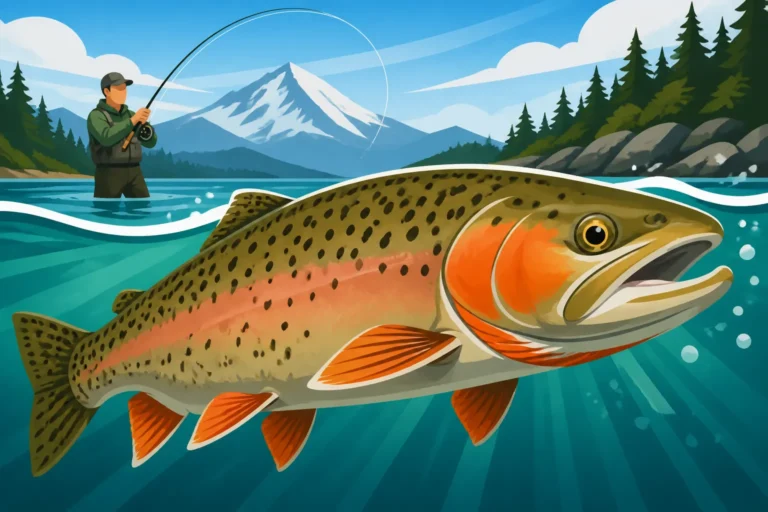
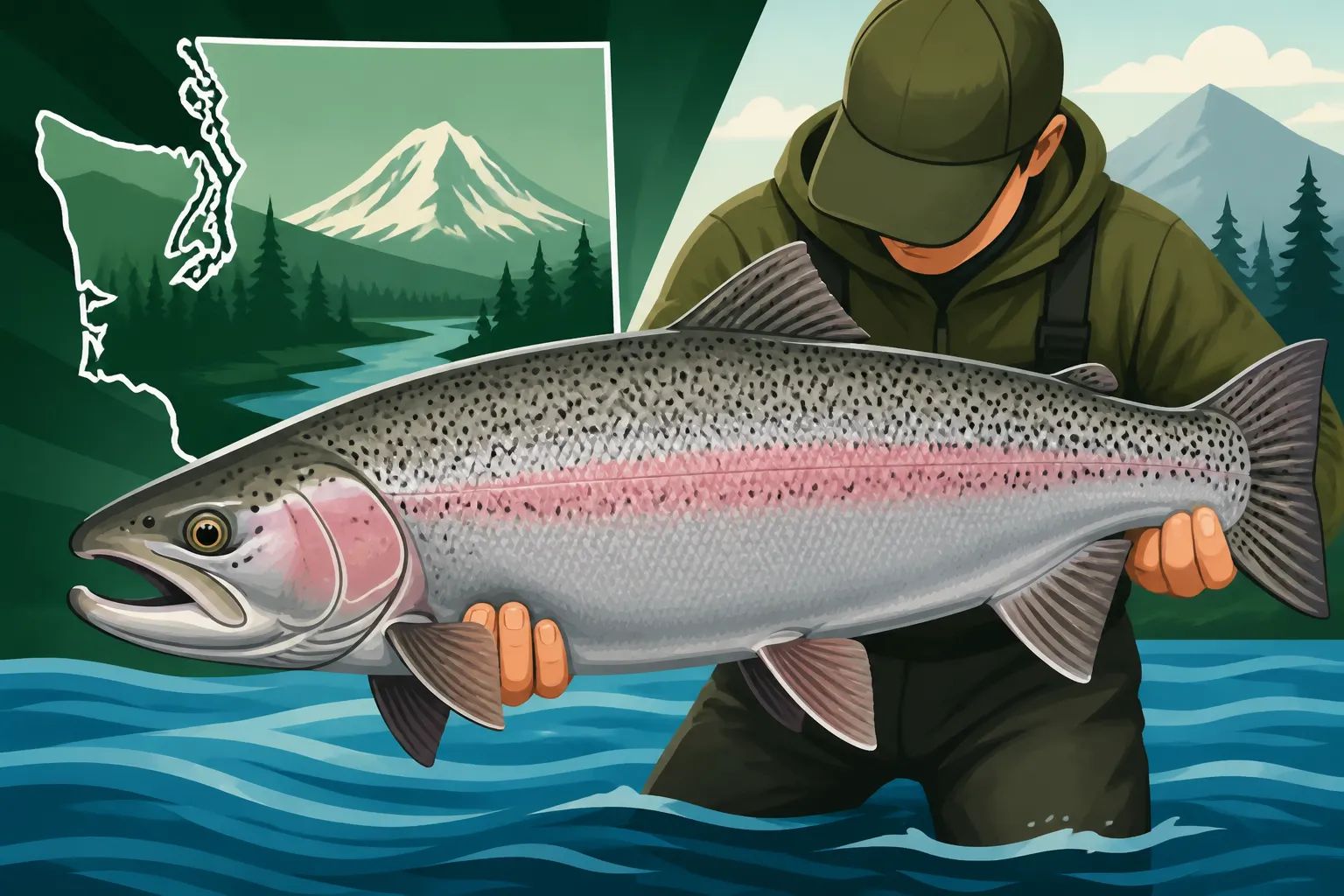
A typical steelhead caught in Washington rivers might range from 24 to 36 inches in length, often weighing between 6 and 15 pounds. However, it's not uncommon to encounter fish well over 40 inches and pushing into the 20-pound class, especially in certain river systems or during specific runs. These larger specimens are often older fish that have spent multiple years in the ocean, gorging themselves on rich marine forage before returning to their natal rivers to spawn. When you're out on the river, having a reliable measuring tape is crucial, and you can find many great options on Amazon to ensure you're accurately recording your catches before releasing them safely.
Wild Steelhead vs. Hatchery Steelhead Size
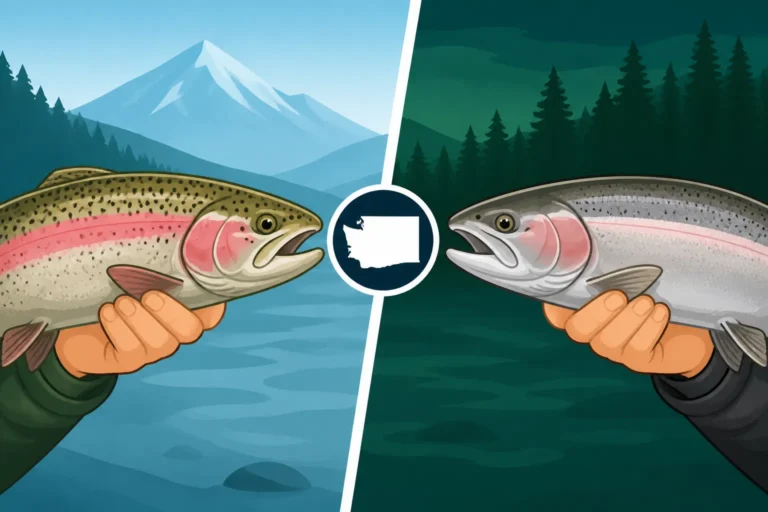
One of the most significant factors influencing steelhead size is whether the fish is wild or originates from a hatchery. There are distinct differences, and knowing how to tell them apart is not only interesting but often crucial for complying with regulations, as outlined in How to Tell Wild Steelhead From Hatchery Steelhead.
Wild steelhead, particularly those that are repeat spawners, tend to grow larger on average than their hatchery counterparts. They often have a deeper body, more robust fins, and a lean, powerful build from their extended time in the ocean and the genetic imperative to survive and reproduce in the wild. These fish might spend two, three, or even more years in the ocean before returning, and some even survive multiple spawning cycles, heading back to the ocean to feed and grow even larger before returning again. This extended time in prime feeding grounds allows them to pack on significant size. You can learn more about these incredible fish in Steelhead: Washington's Ocean-Run Rainbow Trout.
Hatchery steelhead are typically raised for specific harvest opportunities and often return after a shorter period in the ocean, usually one or two years. While still powerful and impressive fighters, their average size can be slightly smaller than that of older wild fish. They are also often fin-clipped (usually the adipose fin) to distinguish them from wild fish, which is a key part of selective fisheries where anglers are only allowed to retain hatchery-reared fish. This difference in size and identification is vital for understanding Wild Steelhead vs Hatchery Steelhead in Washington and fishing within the rules.
Winter Steelhead vs. Summer Steelhead Size
The timing of their return to freshwater also plays a role in the size of Washington steelhead, leading to distinctions between winter and summer runs. These differences are generally tied to how long they've been feeding in the ocean and when they enter the river. For a deeper dive, check out Winter vs Summer Steelhead Runs in Washington, Explained.
Winter steelhead typically enter rivers from late fall through spring. These fish often enter the river systems in prime condition, carrying a lot of weight from their recent ocean feeding. They are renowned for their girth and power, often representing the largest steelhead you'll encounter. They've usually spent at least two full years in the ocean, sometimes more, before their migration. Catching a big winter steelhead is a hallmark experience for many anglers in Washington.
Summer steelhead, on the other hand, enter rivers from late spring through early fall and hold in freshwater pools for many months before spawning the following spring. They are often described as being leaner and more acrobatic fighters. While still respectable in size, they generally average a bit smaller in terms of overall weight compared to their winter-run relatives. This is partly because they spend an extended period in the river without feeding heavily before spawning, gradually losing some of the condition they gained in the ocean. However, don't let the "smaller" average fool you; a strong summer steelhead can still be a formidable opponent on light tackle.
Key Factors That Influence Steelhead Growth
The journey of a steelhead from a tiny egg to a magnificent ocean-run fish is full of variables, and many of these contribute directly to its eventual size. It's a complex interplay of genetics, environment, and opportunity that shapes these incredible fish.
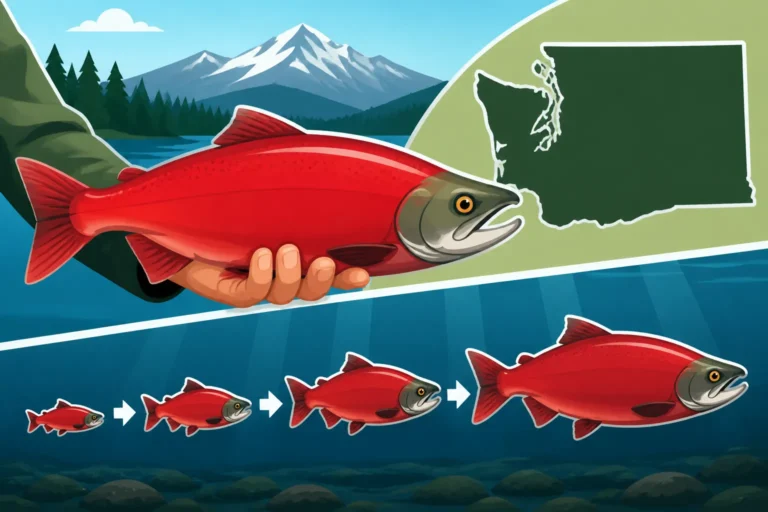
From the moment a steelhead smolt leaves its freshwater home and ventures into the vast Pacific, its potential for growth becomes immense. The ocean provides an incredibly rich larder of food, from krill and small baitfish to squid. The longer a steelhead can survive and thrive in this marine environment, the more opportunity it has to grow larger. However, every year they spend at sea also means another year facing predators and the challenges of the open ocean.
Genetics and Strain Variation
Just like people, steelhead have genetic predispositions that can influence their maximum size. Some strains of steelhead are naturally programmed to grow larger and live longer, while others might mature and return to spawn at a smaller size. This genetic diversity is a testament to the adaptability of the species and is one reason why certain rivers or regions might consistently produce larger fish. For example, some of the Olympic Peninsula rivers are famous for producing truly enormous wild steelhead, and their unique genetic heritage plays a significant role in this.
Conservation efforts often focus on protecting these diverse genetic strains to ensure the long-term health and size potential of wild steelhead populations. Understanding these genetic factors also helps fisheries managers make decisions about hatchery programs, aiming to select broodstock that can contribute to healthy, robust fish.
Ocean Foraging and Food Availability
The Pacific Ocean is a bounty for steelhead, and their time at sea is a critical feeding period. A steelhead that finds abundant, high-quality food sources in the ocean will naturally grow faster and larger than one facing scarcity. This means that ocean conditions, including water temperature, currents, and the health of baitfish populations, directly impact how much steelhead can eat and, consequently, how big they get. Years with strong ocean productivity often correlate with larger average steelhead sizes returning to rivers.
Imagine a steelhead spending two or three years in the ocean, constantly consuming nutrient-rich prey. This consistent feeding is what allows them to transform from sleek, foot-long smolts into the deep-bodied, powerful fish anglers so admire. It's during this period that they accumulate the energy reserves needed for their long freshwater migration and the arduous spawning process.
Age and Repeat Spawning
One of the most fascinating aspects of steelhead is their ability to survive spawning and return to the ocean to feed and grow even larger, a phenomenon known as repeat spawning. Unlike Pacific salmon, which typically die after their first spawning run, many steelhead are iteroparous, meaning they can spawn multiple times throughout their lives. This ability is a major contributor to the existence of truly massive steelhead. You can learn more about this in Do Steelhead Die After Spawning Like Salmon?.
A steelhead that spawns once, survives the downstream migration, and returns to the ocean to feed for another year or two can add substantial size before returning for a second, or even third, spawning journey. These multi-year ocean residents and repeat spawners are often the fish that push the upper limits of size, becoming the "trophy" catches that anglers dream about. Identifying these older, larger fish is part of the thrill, and sometimes, careful handling is especially important for their continued survival and future spawning success. Investing in a quality scale, perhaps one found on Amazon with good reviews, can really help you get a better sense of the actual size of the fish you're catching and releasing.
Washington's Legendary Steelhead and State Records
While the average steelhead is an incredible fish in its own right, Washington is also home to stories and records of truly legendary steelhead that push the boundaries of what most anglers can imagine. These giants are rare, elusive, and the stuff of angling lore.
It's important to differentiate between average catches and those truly exceptional fish that make the record books. The state record steelhead represents the pinnacle of size, a fish of immense proportions that is a testament to the species' potential and the richness of Washington's waters. While the exact figures for state records can fluctuate and are subject to verification, these fish are typically well over 25 pounds, sometimes much heavier, and stretch beyond 40 inches in length.
The Thrill of a Trophy Catch
For many dedicated steelhead anglers, the pursuit of a trophy-sized fish is a lifelong quest. It requires patience, skill, and often, a bit of luck. Rivers like those on the Olympic Peninsula, such as the Hoh, Sol Duc, and Bogachiel, are particularly famous for producing these larger-than-life steelhead. These waters, combined with the wild genetics of their fish, offer some of the best opportunities for encountering a true giant. You can explore more about these specific rivers in Washington's Olympic Peninsula Rivers for Steelhead.
Landing one of these magnificent fish is an experience that stays with an angler forever. The sheer power, the explosive runs, and the enduring fight against strong currents make for an unforgettable battle. Such an encounter often validates years of learning, honing techniques like those described in Drift Fishing for Steelhead in Washington Rivers, and enduring countless cold, wet days on the river. Many anglers also like to keep a good camera on hand, and waterproof models available on Amazon are perfect for capturing those memorable moments with a big steelhead before a safe release.
Managing Expectations and Respecting Regulations
While it's thrilling to dream of a record-breaking steelhead, it's crucial to manage expectations and understand that these giants are extremely rare. The vast majority of steelhead caught, even healthy, powerful ones, will fall within the typical size ranges discussed earlier. Every steelhead is a prize, regardless of its exact weight or length.
More importantly, anglers must always be aware of and adhere to fishing regulations, especially concerning wild steelhead. In many river systems, wild steelhead are protected and must be released unharmed. There might be specific rules regarding the use of barbless hooks or even closures to protect vulnerable populations. Always check the current regulations for the specific river you plan to fish. Misidentifying or illegally retaining a wild steelhead can lead to significant Penalties for Keeping an Illegal Wild Steelhead in Washington. Furthermore, there might be Is There a Size Limit on Wild Steelhead in Washington? that need to be followed even if you can keep them.
Remember, the goal is not just to catch fish, but to participate responsibly and contribute to the conservation of these incredible resources for future generations. For those truly dedicated to chasing those larger fish, proper gear is essential. Checking out reviews for heavy-duty fishing rods and reels on Amazon can give you a head start, along with understanding what Best Line Weight for Washington Steelhead is suitable.
To give you a clearer picture, here's a general comparison of steelhead types and their typical size ranges in Washington:
| Steelhead Type | Typical Length Range (inches) | Typical Weight Range (pounds) | Key Characteristics |
|---|---|---|---|
| Wild Winter Steelhead | 24-36+ | 8-20+ | Deep body, powerful, potential repeat spawners, often unclipped. |
| Hatchery Winter Steelhead | 20-30 | 6-15 | More uniform size, fin-clipped (adipose) usually. |
| Wild Summer Steelhead | 20-30 | 5-12 | Often smaller, more slender, acrobatic, can be older repeat spawners. |
| Hatchery Summer Steelhead | 18-28 | 4-10 | Similar to wild but often smaller average, fin-clipped. |
It's also worth noting that external conditions like rain can impact not just fishing success but how fish behave, with Does Rain Improve Steelhead Fishing on Washington's Coastal Rivers? often being a common question among anglers seeking these powerful fish. If you're looking for literature on advanced steelhead fishing techniques, including tips for targeting larger fish, you'll find a wealth of books and guides on Amazon that can deepen your knowledge. Always make sure to consult Washington Fishing Regulations Every Angler Should Know before heading out.
Disclaimer
This article is for general informational purposes only and does not constitute professional advice. Laws, prices and regulations vary by location and change over time. Consult a qualified professional for guidance on your specific situation.