How Big Washington Rainbow Trout Get in Lakes
It's incredibly exciting to think about the size of fish lurking beneath the surface, especially when you're targeting Washington's beautiful rainbow trout in its many diverse lakes. Many anglers, myself included, often wonder what the realistic expectation is when they cast a line – are we talking pan-sized trout for dinner, or are there genuine lunkers out there capable of bending a rod in half? This guide will dive deep into the fascinating world of Washington's lake-dwelling rainbow trout, helping you understand their growth potential, where to find bigger fish, and what factors truly influence how large they can become.
Understanding Washington's Rainbow Trout Populations
Washington State is blessed with an abundance of lakes, from high alpine jewels to lowland reservoirs, and almost all of them hold rainbow trout. However, not all rainbows are created equal, and their size potential is heavily influenced by their origins and environment. It's not just about luck; it's about understanding the ecosystem you're fishing.
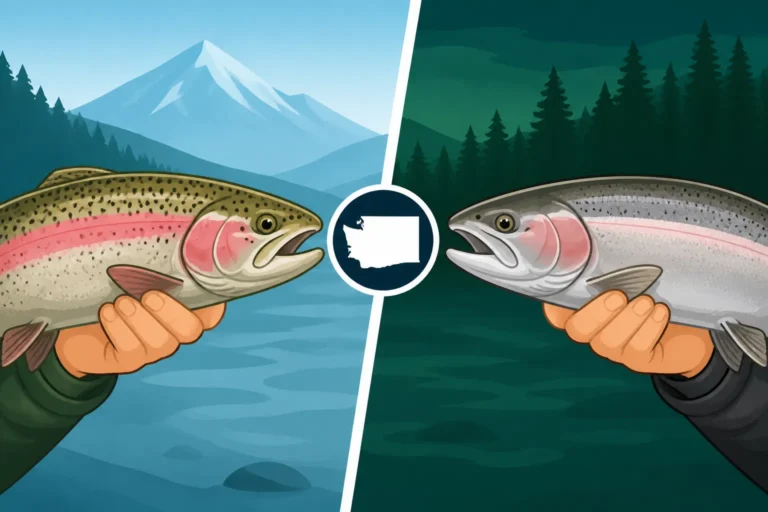
Wild vs. Hatchery Rainbow Trout
One of the biggest distinctions in trout populations is whether they are wild or hatchery-raised. This difference alone can tell you a lot about their potential size and fight.
Wild rainbow trout are fish that have successfully reproduced in their natural environment without human intervention. They are often progeny of generations of fish that have adapted to their specific lake or river system. These fish typically grow at a slower, more natural pace. Their size is directly tied to the availability of natural food sources, the length of the growing season, and genetic factors unique to their strain. While wild populations in some pristine, nutrient-rich lakes can produce surprisingly large fish, they generally don't reach the extreme sizes that some hatchery-supported programs achieve, simply because nature's balance keeps their numbers and growth in check. When you hook a wild rainbow, you're experiencing a piece of untouched nature, and they are often renowned for their vibrant colors and powerful fight, regardless of size.
Hatchery-raised rainbow trout, on the other hand, are bred in controlled environments and stocked into lakes by the Washington Department of Fish and Wildlife (WDFW) specifically for sport fishing. These fish are usually fed a high-protein diet in the hatchery, allowing them to grow quickly before release. Many stocked lakes receive "catchable-sized" trout, which are typically 8-12 inches long, sometimes even larger "jumbos" or "trophy" fish weighing several pounds. The goal with these stockings is often to provide immediate fishing opportunities and harvest. If these hatchery fish survive in the lake for an extended period, they become what we call "holdovers." These holdovers, having adapted to foraging for natural food, can continue to grow significantly, often surpassing their initial release size. The WDFW's extensive stocking programs are a major reason why so many Washington lakes offer such consistent trout fishing, and the potential for larger fish increases dramatically when these stocked trout find ample food and survive multiple seasons. You can often tell a hatchery fish by its clipped adipose fin, a small fleshy fin on its back near the tail. Triploid Rainbow Trout, Explained covers more on a specific type of hatchery fish.
Factors Influencing Trout Growth in Lakes
Beyond their origin, several critical environmental factors play a huge role in how large a rainbow trout can get in a Washington lake. These are the elements that determine whether a lake is a "grower" or just a "put-and-take" fishery.
Firstly, food availability is paramount. Lakes with an abundant supply of insects, crustaceans, smaller baitfish, and even zooplankton provide a rich buffet for trout, allowing them to pack on weight. Lakes that support healthy populations of scuds, damselfly nymphs, or even kokanee (which smaller trout will prey on) tend to produce larger rainbows. Conversely, lakes with sparse food resources will naturally yield smaller, leaner fish, even if they're stocked regularly. The sheer volume and diversity of food sources dictate how quickly and how large a trout can grow within a given timeframe.
Secondly, water quality and temperature are huge drivers. Optimal water temperatures for rainbow trout generally range from the mid-40s to the low 60s Fahrenheit. Lakes that maintain these cooler, oxygen-rich conditions for longer periods throughout the year provide a better environment for trout to feed and grow. Lakes that warm up too much in summer, or become de-oxygenated in deeper layers, will stress trout, limit their feeding, and hinder growth. Clean, clear water is also crucial for overall fish health, allowing trout to thrive and avoid disease, which can stunt growth or lead to mortality. When looking for gear that helps you monitor water conditions, you might find a variety of portable thermometers and oxygen meters on Amazon that serious anglers use.
Lastly, genetics and fishing pressure also play a role. Some strains of rainbow trout are genetically predisposed to grow larger than others, and WDFW often selects these larger strains for their trophy trout programs. Lakes that are less accessible or have regulations that promote catch-and-release, or restrict harvest, often allow more fish to survive to older ages, naturally increasing the average size. Over-harvesting, especially of larger fish, can remove the biggest and fastest-growing genetics from a population, potentially leading to a decrease in average size over time. Understanding these factors can help you predict which lakes are more likely to yield that trophy catch you're dreaming of.
Typical Sizes of Lake-Dwelling Rainbow Trout in Washington
So, what can an angler realistically expect when fishing Washington's lakes? The answer, as you might guess, depends heavily on the specific lake and the type of trout program it supports. But we can certainly talk averages and outliers.
Average Size Ranges in Stocked Lakes
For the vast majority of Washington's stocked lakes, especially those in lowland areas that receive regular infusions of hatchery fish, the average rainbow trout you'll encounter will be in the 8 to 14-inch range. These are the "catchable" trout that WDFW releases to provide abundant fishing opportunities. They're perfect for a family outing, a casual afternoon, or for introducing new anglers to the sport. They make excellent table fare, and while they might not pull the drag screaming off your reel, they still put up a respectable fight on light tackle.
Many lakes are stocked multiple times throughout the spring and early summer, meaning you might catch a recently stocked 8-inch fish right alongside a 12 or 14-inch "holdover" from a previous stocking. These holdover fish, having spent a year or more in the lake, adapting to natural forage, can be surprisingly robust and colorful, often appearing more like their wild counterparts. The WDFW often provides stocking reports, so you can see which lakes received larger "jumbo" trout (often 1.5 to 3 pounds) that provide an immediate boost to the average size. Keep an eye on these reports!
Trophy Trout: What to Expect in Specialized Lakes
If you're truly seeking a larger rainbow trout, Washington has several lakes managed specifically for "trophy" fish. These are the lakes where you have a legitimate shot at fish exceeding 20 inches and weighing 3 to 10 pounds or more. These programs often involve stocking fewer, but much larger, fish, or managing lakes to encourage holdovers to grow to impressive sizes.
Lakes like Lake Chelan, Lake Roosevelt, and specific high-mountain lakes are renowned for producing genuinely large rainbow trout. Lake Chelan, for example, is famous for its deep-water Mackinaw, but also harbors some very large rainbow trout, often caught while trolling. Lake Roosevelt, with its vast size and nutrient-rich waters, has a reputation for growing massive rainbows, especially those that survive for several years and switch to a diet of kokanee or other baitfish. These lakes often have different regulations, sometimes with special gear restrictions, size limits, or lower daily limits to protect the larger fish and promote their growth. Doing your homework on these specific fisheries is key to finding that truly memorable trout. When looking for specialized gear for trolling deep lakes, searching on Amazon for "downrigger setups" or "large trout trolling lures" might yield relevant results.
Triploid Rainbow Trout: The Big Eaters
A special mention must go to triploid rainbow trout. These are hatchery-raised fish that have been genetically altered to have three sets of chromosomes instead of the usual two, making them sterile. The advantage for fisheries managers and anglers is that because these fish don't expend energy on reproduction, they can put all their energy into growth. Triploid Rainbow Trout, Explained in more detail.
When stocked in a lake with ample food, triploid rainbows can grow at an incredibly fast rate and reach very impressive sizes. It's not uncommon for triploids to grow to 20 inches or larger within a couple of years, and they can exceed 5 pounds, sometimes even pushing 10 pounds or more in ideal conditions. These are the true "football-shaped" trout that provide exceptional fights and make for fantastic photos. WDFW often stocks triploids in specific lakes designated for trophy trout fishing, offering anglers a real opportunity to hook into a giant. They are often less common than standard catchable trout but are well worth targeting if you're looking for size.
Washington's State Record and How It Compares
Every angler dreams of catching a state record, and Washington certainly has some impressive entries in its record books. Understanding the record can help put the "typical" sizes into perspective.
The All-Time Biggest Rainbow Trout
The current Washington State record for rainbow trout is truly astounding. The record rainbow trout weighed in at a massive 29 pounds, 5 ounces. This fish was caught in Rufus Woods Lake, a section of the Columbia River, a body of water renowned for its huge triploid rainbow trout, often released from local hatcheries. This record-breaker, like many of the largest rainbows caught in Washington, likely benefited from the rich food sources and protected environment of a large reservoir. It highlights the incredible growth potential that these fish can achieve under optimal conditions, especially with the influence of hatchery programs and the right genetics. While this specific record was in a river-like section of the Columbia, it speaks volumes to the genetics and feeding opportunities available to these fish once they are released into Washington's waters. How Big Rufus Woods Rainbow Trout Grow gives more details on this specific fishery.
Realistic Expectations for Anglers
While the state record is awe-inspiring, it's crucial to set realistic expectations for your own fishing trips. For the average angler targeting rainbow trout in most Washington lakes, catching a fish in the 12-16 inch range is a very respectable day. Landing anything over 18 inches is often considered a "trophy" for most anglers, and a fish over 20 inches is truly a fish of a lifetime for many, outside of dedicated trophy waters.
The record books are filled with fish that are exceptional outliers, products of unique circumstances and often hundreds, if not thousands, of hours of dedicated angling. It's important to remember that fishing is as much about the experience as it is about the size of the catch. Enjoy the beautiful scenery, the challenge of the chase, and the simple pleasure of being on the water. If a monster trout happens to bite, that's just the icing on the cake!
Maximizing Your Chances for Larger Lake Trout
If your heart is set on catching a bigger rainbow trout in Washington, there are definitely strategies you can employ to increase your odds. It's about combining knowledge, technique, and a bit of persistence.
Choosing the Right Lakes
Your first and most important step is to research and select lakes known for producing larger fish. Don't just pick any lake; look for those with a history of trophy trout or specific management programs geared towards bigger fish.
Here’s a quick guide to help you narrow down your choices:
| Lake Type/Program | Typical Trout Size Expectation (inches) | Potential for Trophy Fish | Key Characteristics |
|---|---|---|---|
| General Stocked Lowland | 8-14 | Low to Moderate | Frequent WDFW stockings, high fishing pressure, good for numbers. Some holdovers get larger. |
| Designated Trophy Lakes | 15-25+ | High | Stocked with larger fish (e.g., triploids), often fewer in number, specific regulations, good natural forage. |
| Large Reservoirs/Deep Lakes | 15-30+ | High | Vast, deep water, abundant forage (kokanee, baitfish), less fishing pressure on specific areas, long growth potential. |
| High Mountain/Wild Lakes | 8-18 | Moderate | Native or long-established wild populations, slower growth, limited access, strong fighters. |
| Rivers (e.g., Columbia tribs) | 18-30+ | Very High | Specific sections of rivers known for large resident or migratory rainbows, often benefiting from hatchery releases upstream. |
Checking the WDFW website for "Trophy Trout Lakes" or "Quality Trout Waters" can be a great starting point. Lakes that receive "jumbo" or "triploid" stockings are prime candidates. Also, consider larger, deeper lakes that have abundant natural food sources like Lake Roosevelt, Lake Chelan, or some of the larger impoundments in Eastern Washington. These larger bodies of water often provide the space and food necessary for trout to grow to exceptional sizes. Many local tackle shops near these lakes can also provide invaluable, up-to-the-minute information on where the big ones are biting.
Effective Techniques and Gear for Bigger Trout
Once you've picked your lake, tailoring your fishing techniques and gear to target larger fish is essential. You're not just looking for any trout; you're looking for the biggest trout.
- Go Bigger with Bait and Lures: Larger trout often prefer a more substantial meal. Instead of tiny worms, try bigger nightcrawlers, clusters of PowerBait eggs, or even small baitfish if legal in your chosen lake. For lures, move up to larger spoons (like a five of diamonds or a Kastmaster), bigger spinners (e.g., Rooster Tails in larger sizes), or even crankbaits designed for bass, especially if you suspect the trout are feeding on other fish. Trolling with larger plugs or even whole herring can be incredibly effective in deep lakes. Trolling Wedding Rings for Kokanee could offer some crossover ideas, as larger rainbows often inhabit similar waters.
- Fish Deeper: Bigger trout, especially in warmer months, tend to retreat to deeper, cooler water. Invest in a good fish finder to locate schools of baitfish or trout holding near structure, drop-offs, or submerged creek channels. Use downriggers or heavy sinkers to get your lures or bait down to where these larger fish are cruising.
- Heavier Tackle: While you don't need saltwater gear, stepping up your line strength from 4-6 lb test to 8-10 lb test, and using a rod with a bit more backbone, will give you an advantage when fighting a larger fish. A strong drag system on your reel is also crucial for tiring out a big, powerful trout without breaking your line. Good quality braided lines are readily available on Amazon and can dramatically improve your hook-setting power and sensitivity.
Seasonality and Prime Fishing Times
Timing is everything when it comes to trophy trout. Different seasons and even times of day can offer better opportunities.
- Spring and Fall: These are often the prime seasons for larger trout in many lakes. In spring, as ice comes off (in Eastern Washington) and water temperatures begin to rise, trout become very active and hungry after a long winter. They'll move into shallower areas to feed more aggressively. In the fall, as water cools again, trout put on weight in preparation for winter or spawning, leading to another period of intense feeding activity.
- Early Morning and Late Evening: Just like many other fish, larger trout often feed most actively during low-light conditions. The first few hours after sunrise and the last few hours before sunset are often the most productive times. During these periods, trout feel more secure moving into shallower water to feed and are less wary of anglers.
- Pre-frontal Conditions: Keep an eye on the weather. Often, the day or two leading up to a major cold front or storm can trigger a strong feeding response in trout. They sense the change and feed heavily before the weather turns. Conversely, fishing during or immediately after a harsh cold front can be very tough.
By combining these strategies – choosing the right lake, employing effective techniques, using appropriate gear, and timing your trips wisely – you significantly increase your chances of hooking into one of Washington's truly impressive lake-dwelling rainbow trout. Tight lines!
Disclaimer
This article is for general informational purposes only and does not constitute professional advice. Laws, prices and regulations vary by location and change over time. Consult a qualified professional for guidance on your specific situation.