Triploid Rainbow Trout, Explained
Have you ever heard whispers about "triploid" trout and wondered what on earth that means for your next fishing trip in Washington? It can feel a bit like wading into a science textbook, but the truth is, these unique fish are a huge part of our state's recreational fisheries, and understanding them can seriously up your game. This guide will demystify triploid rainbow trout, explaining what makes them different, why they're stocked, and how you can target these often larger, feistier fish in Washington's beautiful waters.
What Exactly Are Triploid Rainbow Trout?
When we talk about triploid rainbow trout, we're diving into a fascinating area of fish biology that directly impacts the angling experience. Unlike the "regular" rainbow trout most of us are familiar with, which are diploid, triploids have an extra set of chromosomes. This might sound like a minor detail, but it actually has profound implications for their growth, behavior, and why they're so widely used in our state's stocking programs.
The Science Behind Triploidy
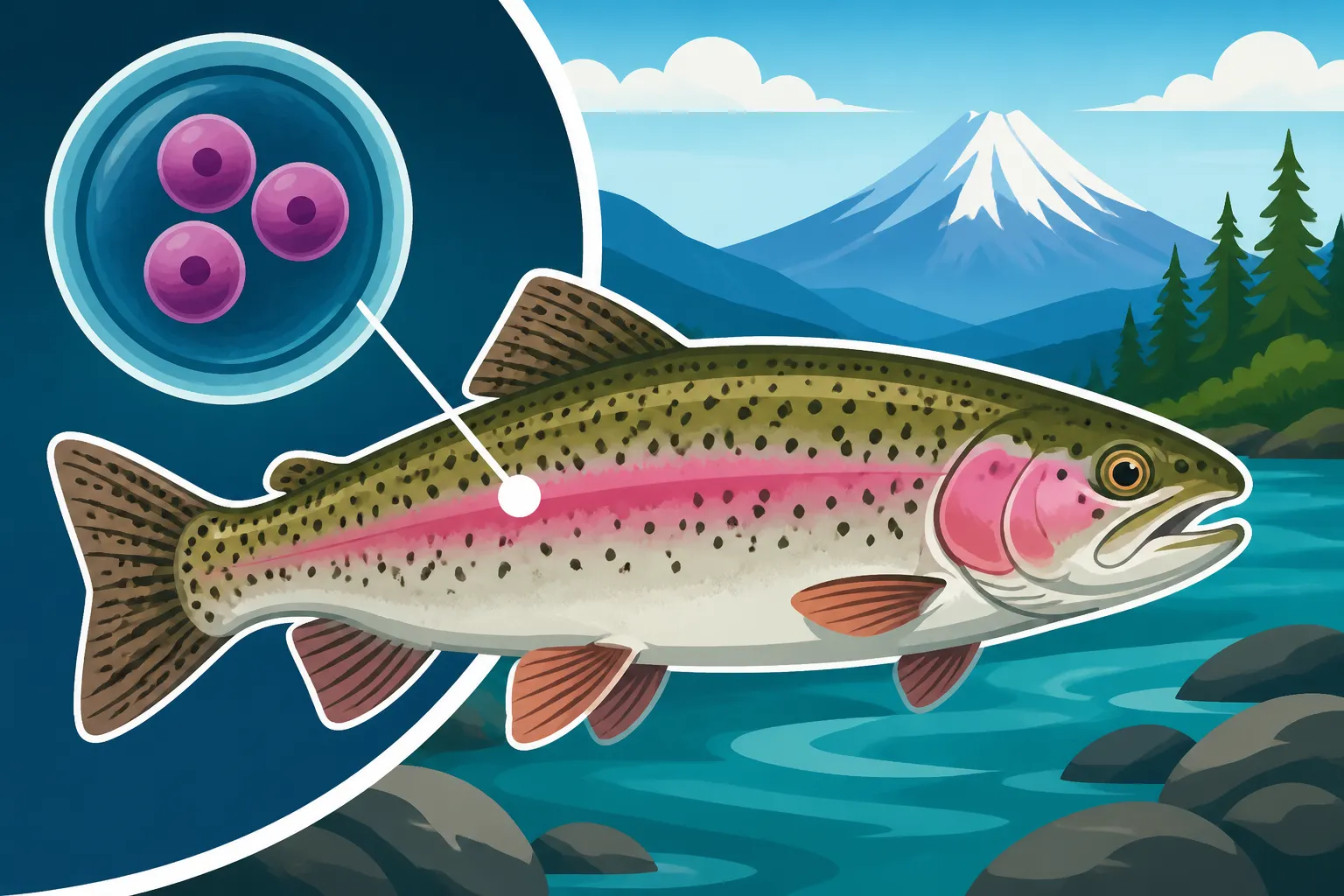
At its core, "triploid" refers to a creature having three complete sets of chromosomes in each cell, rather than the usual two (diploid). Think of chromosomes as the blueprints for an organism; having an extra set means their development takes a slightly different path. In rainbow trout, this genetic modification makes them sterile. They cannot reproduce. This sterility is the key to many of the benefits and unique characteristics associated with triploid trout, both for the fish themselves and for the ecosystems they inhabit. It means their bodies don't expend energy on developing reproductive organs or going through the rigors of spawning.
How They're Produced for Stocking Programs
The creation of triploid rainbow trout isn't a natural occurrence in the wild; it's a controlled process carried out in hatcheries. Typically, it involves applying a brief, precise shock to the trout eggs shortly after fertilization. This shock, which can be either a temperature change (often heat) or a pressure treatment, prevents the extrusion of the second polar body during cell division. This little trick essentially "traps" an extra set of chromosomes within the developing embryo, resulting in a triploid fish. It's a method that has been refined over the years to be highly effective and is a standard practice in many fish stocking programs, including here in Washington, to produce a specific type of trout for anglers to enjoy. These aren't genetically engineered in the lab sense; rather, it's a manipulation of a natural cellular process.
Why Washington Stocks Triploid Rainbow Trout
The decision to stock triploid rainbow trout across Washington isn't arbitrary; it's a strategic move with multiple benefits for both the angling community and the ecological balance of our waters. These fish offer solutions to several common challenges faced by fisheries managers, leading to more robust and enjoyable fishing opportunities.
Growth Potential and Angler Appeal
One of the biggest draws of triploid trout for anglers is their impressive growth potential. Since these fish are sterile, they don't channel precious energy and resources into developing eggs or milt for spawning. Instead, that energy is redirected into somatic growth – meaning they just keep getting bigger! This often translates into larger, heavier fish for anglers to target. Imagine reeling in a rainbow trout that's significantly chunkier and stronger than its diploid counterpart; that's the triploid advantage. They tend to live longer in the stocked waters as well, growing consistently throughout their lifespan rather than peaking and declining after a spawning cycle. This means a better chance at landing a trophy-sized trout, leading to some truly memorable days on the water. For many anglers, the prospect of tangling with a powerful, oversized trout is what keeps them coming back, and triploids deliver on that promise.
Ecological Benefits
Beyond the thrill for anglers, stocking triploid trout offers significant ecological advantages, especially in areas where protecting wild fish populations is paramount. Because triploids are sterile, there's no risk of them interbreeding with native, wild trout populations. This is incredibly important for maintaining the genetic integrity of Washington's wild strains of rainbow trout, Steelhead: Washington's Ocean-Run Rainbow Trout, or cutthroat. In some waters, introducing fertile hatchery fish could dilute the gene pool of wild fish, which are often better adapted to their specific environment. By stocking sterile triploids, fisheries managers can provide abundant angling opportunities without compromising the genetic health of vulnerable native stocks. This helps protect the unique characteristics that have allowed wild fish to thrive in specific rivers and lakes for generations. It’s a win-win: great fishing for us, and peace of mind for conservationists.
Hatchery Operations and Efficiency
From an operational standpoint, triploid trout also offer efficiencies for hatcheries. Since they don't mature sexually, hatcheries can manage their populations more predictably. They don't have to worry about unwanted or premature spawning in rearing ponds, which can impact water quality or result in stunted fish. The focus remains on growing healthy, large trout for release. This streamlined approach allows hatcheries to optimize their feeding and rearing protocols, ensuring a consistent supply of quality fish for stocking. It means fewer variables to manage and a more predictable outcome, allowing our Washington Department of Fish and Wildlife (WDFW) to allocate resources effectively to other important programs, such as supporting Hatchery Brood Stock Programs, Explained or managing Wild Steelhead Gene Bank Rivers, Explained.
Finding and Catching Triploid Trout in Washington
Now that we understand what triploid trout are and why they're stocked, the real fun begins: finding and catching them! These fish, while genetically unique, often behave similarly to their diploid cousins in terms of feeding and habitat preferences, but with a few nuances that can help you succeed.
Common Stocking Locations
In Washington, triploid rainbow trout are primarily stocked in lakes and ponds managed for recreational fishing. You'll often find them in urban waters, community fishing ponds, and larger lakes that receive regular plants from the WDFW. These are typically waters where the goal is to provide a "put-and-take" fishery, meaning anglers are encouraged to catch and keep the fish. Some of the Best Washington Lakes for Trout Fishing are prime candidates for triploid stockings. They thrive in environments with ample food and less competition, which is common in managed lakes. It’s less common to find them in wild, free-flowing rivers, as the goal there is often to protect native populations. Always check the current WDFW stocking reports and regulations for specific bodies of water before you head out, as stocking schedules and locations can change throughout the year.
Effective Fishing Techniques
Catching triploid trout isn't dramatically different from catching other rainbow trout, but their size and fighting spirit mean you'll want to be prepared. Many standard trout fishing techniques work exceptionally well.
- Bait Fishing: PowerBait in various colors (chartreuse, rainbow, pink), scented marshmallows, or good old-fashioned nightcrawlers are always excellent choices. These larger trout can be quite aggressive feeders. Rigging these baits off the bottom with a small split shot or a sliding sinker can be very effective. You can often find a wide array of PowerBait options and various hooks and weights for your terminal tackle on Amazon before your trip.
- Lure Fishing: Spinners like Rooster Tails, Mepps, or even small spoons can entice a strike. Cast them out and retrieve them at varying speeds to find what the fish prefer. The flash and vibration can be irresistible to a hungry triploid.
- Fly Fishing: If you're into fly fishing, nymphs (like prince nymphs, pheasant tails, or a BWO imitation), woolly buggers, or even small streamers can be highly effective. Triploids, especially in lakes, will often cruise shorelines or patrol drop-offs looking for insects and baitfish. Nymphing for Trout on Washington's Yakima River principles can sometimes be adapted for lake fishing for these larger trout, focusing on deeper presentations.
Remember that these fish are often stocked in waters with high angler pressure, so sometimes a subtle presentation or an unusual bait can make all the difference. Don't be afraid to experiment with different colors and retrieve speeds.
Tackle and Gear Recommendations
Given their potential for size and their often vigorous fight, it’s wise to choose your tackle carefully when targeting triploid rainbow trout.
- Rods and Reels: A medium-light action spinning rod, around 6 to 7 feet long, paired with a reliable spinning reel spooled with 6-8 pound monofilament or fluorocarbon line is a solid choice. This setup provides enough backbone to handle a larger fish while still offering sensitivity for lighter bites. For those looking for new gear, a quick search on Amazon can reveal many great options for trout fishing combos that fit this description.
- Terminal Tackle: A selection of hooks ranging from size 8 to size 4, a variety of split shot weights, and a few small bobbers will cover most bait fishing scenarios. Swivels are also handy to prevent line twist when using spinners.
- Nets: A good landing net is almost a necessity. Not only does it help you safely land a larger, thrashing fish, but it also minimizes stress on the fish if you plan to release it. Look for nets with rubberized or knotless mesh to protect the fish's slime coat.
- Other Essentials: Don't forget your Washington Fishing License Guide for Nonresidents (or resident license!), a pair of pliers for hook removal, a small tackle box (which you can easily find on Amazon), and a cooler with ice for your catch if you plan on keeping them. A comfortable backpack, also available on Amazon, to carry your gear is always a good idea for those longer walks to your favorite fishing spot.
Angler Experience: What to Expect
Fishing for triploid rainbow trout offers a distinct experience, setting them apart from many of their diploid counterparts. Their unique biology translates into specific characteristics that anglers will notice, from the moment they hook one to the moment they decide what to do with their catch.
Size and Fight Characteristics
One of the most noticeable differences when you hook into a triploid rainbow trout is its fight. Because they put all their energy into growing, triploids often grow significantly larger and develop a much more robust musculature than diploid trout of the same age. This means a stronger, more sustained fight when hooked. Expect powerful runs, head shakes, and sometimes even impressive jumps. These fish are often described as "mini-steelhead" due to their aggressive nature and stamina. They don't give up easily, providing an exhilarating challenge, especially when hooked on lighter tackle. It's not uncommon to hear stories of anglers being surprised by the sheer power of a triploid, often feeling like they've hooked something much bigger than just a stocked rainbow trout. If you're used to catching smaller, average-sized stocked trout, prepare for a more intense battle! These fish truly embody the phrase "bigger, faster, stronger" in the angling world.
Taste and Table Fare
When it comes to putting fish on the dinner table, triploid rainbow trout generally receive high marks. Their flesh is typically firm, flaky, and has a mild, pleasant flavor, much like other quality rainbow trout. Because they are often stocked in lakes with consistent food sources, their diet usually leads to good-tasting meat. Some anglers even suggest that because they don't engage in spawning, their flesh remains in peak condition year-round, without the seasonal declines in quality sometimes associated with spawning diploid fish. They are excellent baked, grilled, pan-fried, or even smoked. If you're keen on keeping your catch, triploids make for fantastic table fare, and their larger size means more delicious fillets to enjoy. They definitely stand up well in the discussion of Best-Eating Fish in Washington Waters.
Distinguishing Triploids from Diploids
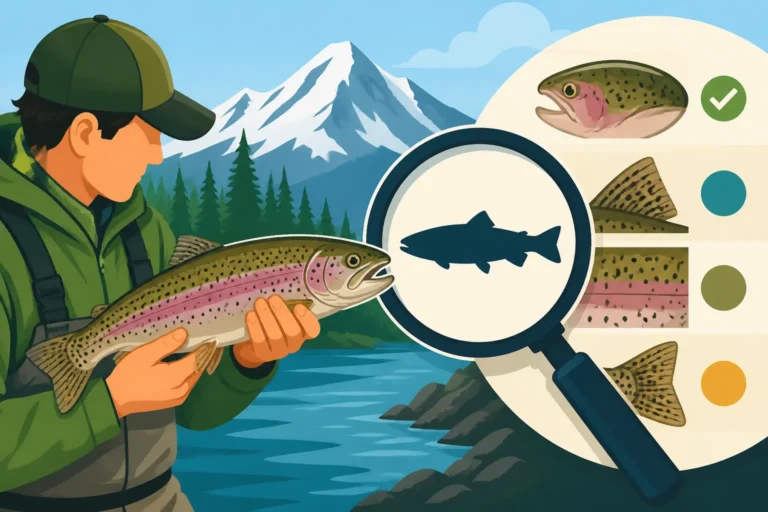
For the average angler, telling a triploid rainbow trout from a diploid (normal) one in the field can be quite challenging, if not impossible, without specific biological testing. They look outwardly identical in terms of color patterns, spots, and fin structure. The primary way fisheries managers help anglers identify stocked triploids is through an adipose fin clip. The adipose fin is a small, fleshy fin located on the fish's back between the dorsal fin and the tail. If a fish has a clipped adipose fin, it usually indicates it's a hatchery-reared fish, and in many cases, especially for larger stocked trout, it will be a triploid. However, not all hatchery fish are triploids, and not all triploids are clipped. The best way to know if you're fishing for triploids is to check the WDFW stocking reports for the specific lake or pond you are visiting. These reports will typically specify if triploid rainbows were stocked. Always refer to the current regulations, especially for specific waters, as some rules, such as those regarding Slot Limits and Why Some Fish Must Go Back, might apply differently to wild vs. hatchery fish, even if the fish themselves look similar.
| Feature | Triploid Rainbow Trout | Diploid (Normal) Rainbow Trout |
|---|---|---|
| Chromosome Sets | Three (3N) | Two (2N) |
| Reproduction | Sterile; cannot reproduce | Fertile; can reproduce |
| Growth Rate | Often faster and larger | Standard growth rate |
| Energy Use | Redirects energy to somatic growth | Spends energy on reproduction |
| Longevity | Tends to live longer in stocked waters | Natural lifespan, often shorter after spawning |
| Fight | Generally stronger, more vigorous | Standard fight, varies by size |
| Appearance | Outwardly identical to diploid | Outwardly identical to triploid |
| Identification | Often adipose fin-clipped; check stocking reports | May or may not be adipose fin-clipped |
| Ecological Impact | No interbreeding with wild fish | Potential to interbreed with wild fish |
Disclaimer
This article is for general informational purposes only and does not constitute professional advice. Laws, prices and regulations vary by location and change over time. Consult a qualified professional for guidance on your specific situation.