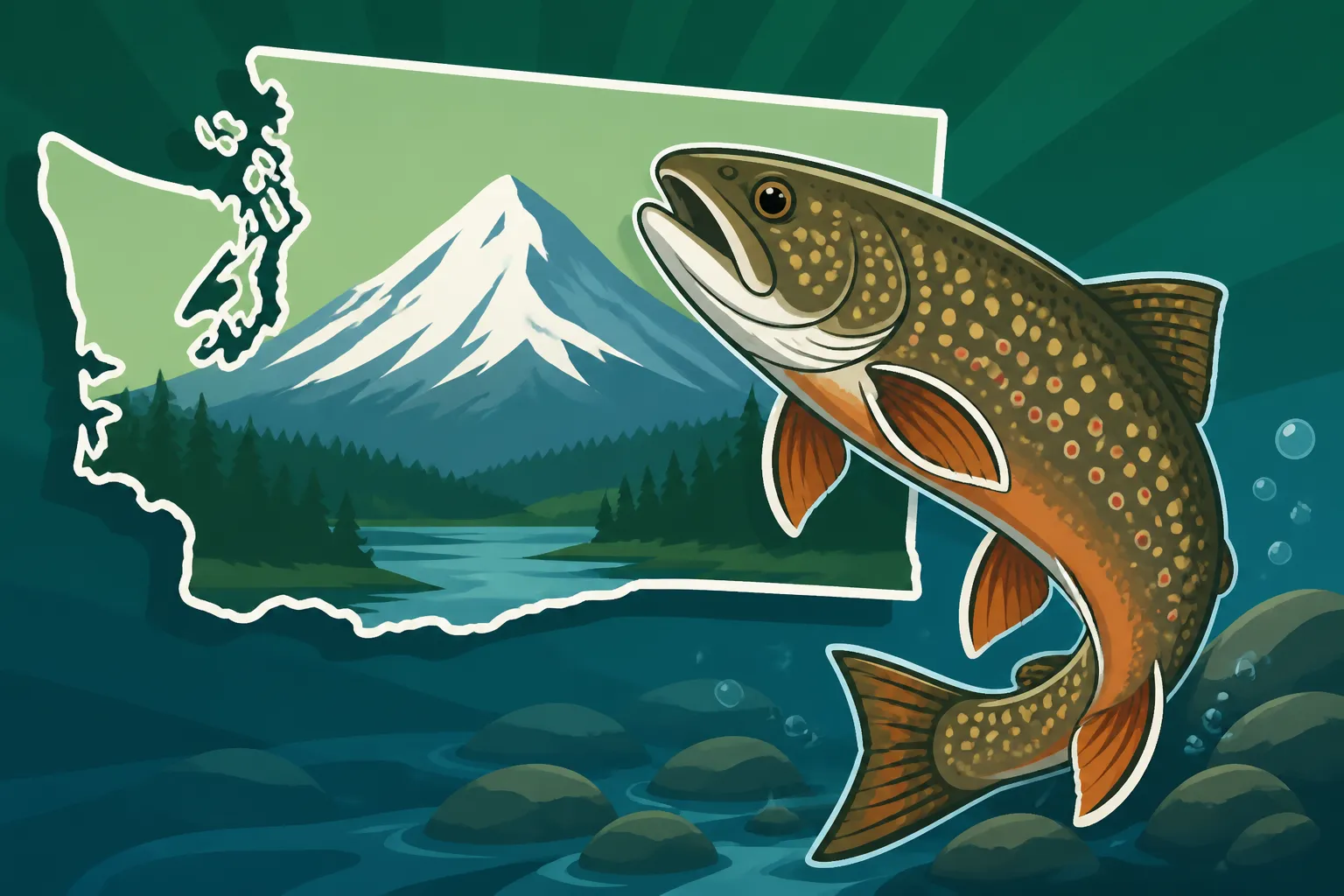
Are Brook Trout Native to Washington?
It's a question many of us anglers ponder when we're out on the water, especially when we reel in one of those stunning, jewel-toned brook trout: are these beautiful fish truly native to our beloved Washington State? The truth is, it's a bit more nuanced than a simple yes or no, and understanding their origins is key to appreciating their role in our waters and how we should approach fishing for them. This guide will dive deep into the fascinating history of brook trout in Washington, helping you understand where they came from and what it means for our fisheries today.
The Curious Case of the Brook Trout in Washington
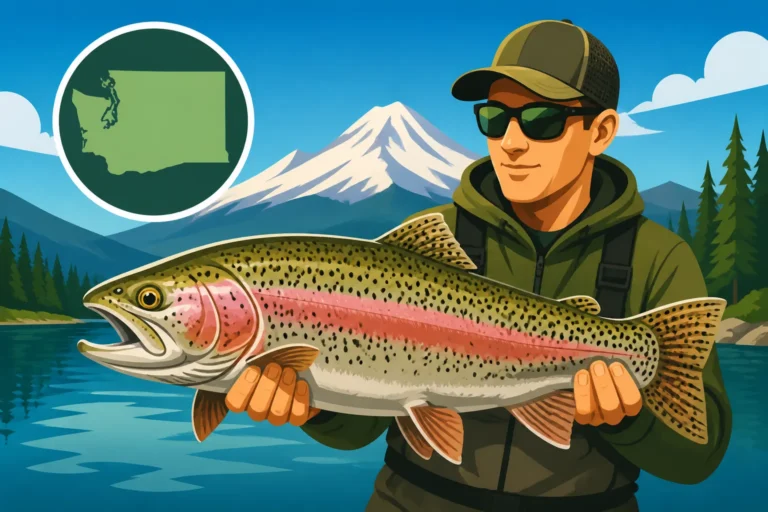
When you think of pristine mountain streams and vibrant, eager-to-bite trout, the brook trout often comes to mind. They're undeniably gorgeous fish, with their distinctive vermiculations (worm-like markings) on a dark olive-green back, brilliant red spots often haloed with blue, and those striking white leading edges on their lower fins. They can bring immense joy to an angler, especially a new one, but their presence in Washington waters tells a story that stretches far beyond our state's borders.
Tracing Their Ancestry: Where Brook Trout Are Native
Let's clear the air right away: brook trout, scientifically known as Salvelinus fontinalis, are not native to Washington State. Their ancestral home lies thousands of miles to the east, across the vast North American continent. Imagine the cold, clear streams and lakes of the Appalachian Mountains, the Great Lakes region, and extending northward into Canada – that's where brook trout evolved naturally. In these native habitats, they are a vital part of the ecosystem, thriving in oxygen-rich, cool waters, feeding on insects, crustaceans, and smaller fish, and in turn, serving as prey for larger predators.
Their native range is characterized by specific environmental conditions: generally, stable flows, abundant cover, and water temperatures that rarely exceed 68°F (20°C). They are, in essence, cold-water specialists. In these eastern waters, they have co-evolved with other native species for millennia, forming a balanced ecological web. This intricate balance is why their introduction into new environments, like Washington, can sometimes lead to unforeseen complications. They are a treasure in their original landscape, but things can get a little complicated when they're moved elsewhere.
How Brook Trout Arrived in Washington State
So, if they're not native, how did these eastern beauties end up painting our western waters with their vibrant colors? The story is a familiar one across North America: human intervention. In the late 19th and early 20th centuries, as settlers moved westward, there was a widespread desire to enhance local fisheries and introduce popular game fish from other regions. Brook trout, being hardy, adaptable, and a favorite sport fish in the east, were an obvious choice for stocking programs.
State and federal agencies, often with the best intentions, actively introduced brook trout into many of Washington's lakes and streams. These stocking efforts were primarily aimed at providing more recreational fishing opportunities, especially in high mountain lakes and remote areas that were often naturally barren of fish or only held smaller, less desirable species from a sport fishing perspective at the time. The thought was simple: more fish means more fishing. Hatcheries across the country facilitated these transfers, and brook trout found new homes in waters that, while cold and clear, were ecologically quite different from their native haunts. They were, in a sense, pioneer fish, sent out to colonize new territories for the enjoyment of anglers. These early introductions were so successful that brook trout established self-sustaining populations in many areas, spreading beyond their initial release points to colonize connecting waterways.
Understanding Brook Trout's Impact on Washington's Ecosystems
While the brook trout is undeniably beautiful and a joy to catch, their non-native status in Washington means their presence isn't without ecological considerations. It's a classic case of what happens when you introduce a new player into an established game – sometimes it’s a harmonious addition, and sometimes it creates ripples through the existing lineup. For Washington's native fish populations, the arrival of brook trout has often meant facing some tough new competition.
The Ecological Niche: Competition with Native Species
When brook trout establish themselves in Washington waters, they don't just exist in a vacuum; they interact directly with the species that are native here. Our state boasts incredible native trout like the coastal cutthroat and various strains of rainbow trout (including the ocean-going steelhead), not to mention bull trout which are a protected species. Brook trout often compete with these native fish for crucial resources like food and habitat.
Imagine a small mountain stream that naturally supports a delicate balance of native cutthroat trout. When brook trout are introduced, they can move into the same feeding lanes and consume the same aquatic insects and invertebrates. In some cases, brook trout can even outcompete native species due to certain reproductive advantages. They often spawn earlier in the fall than many native trout, meaning their fry hatch earlier in the spring, giving them a head start in growth and access to food before native fry emerge. This can create a significant disadvantage for our indigenous fish, leading to reduced growth rates, lower survival, and even displacement of native populations from their preferred habitats. This competition can be a real headache for fishery managers trying to maintain healthy native ecosystems.
Management Strategies for Non-Native Brook Trout
Given their impact on native fish, the Washington Department of Fish and Wildlife (WDFW) has developed specific management strategies for brook trout. Unlike native species, which often have strict bag limits and size restrictions to protect their populations, brook trout in many Washington waters are managed to encourage harvest. This means you'll often find regulations allowing for higher daily limits, and sometimes even no size or bag limits at all, especially in certain high-mountain lakes or streams where they are particularly prevalent and their impact on native species is a concern.
The goal behind these liberal regulations isn't to eradicate brook trout entirely from Washington's diverse fishing opportunities, but rather to control their populations and reduce competitive pressures on vulnerable native species. When you go fishing for brook trout and decide to keep your catch, you're actually contributing to the conservation efforts of native fish. It’s a win-win: you get to enjoy a delicious meal, and you're helping maintain the ecological balance. Always, always check the current WDFW regulations for the specific body of water you plan to fish, as rules can vary greatly. You can often find the most up-to-date regulations by checking the WDFW website or picking up a pamphlet, which you can keep handy in a tackle box, perhaps one you picked up from Amazon.
Brook Trout as a Sport Fish: The Angler's Perspective
Despite their non-native status and the management challenges they present, there's no denying the appeal of brook trout from an angler's perspective. They are truly beautiful fish, renowned for their vibrant colors and distinctive patterns, often earning them the nickname "brookies." They're also typically eager biters, which makes them incredibly fun to catch, especially for beginners or families looking for an enjoyable day on the water without the frustration of finicky fish.
Many of Washington's high mountain lakes and remote streams, where brook trout have established themselves, offer stunning scenery and a true sense of wilderness. The journey to these spots often involves a beautiful hike, adding to the overall experience. For many, catching a stringer of brook trout in such a setting is a quintessential outdoor adventure. Their willingness to strike a variety of lures and flies also makes them a fantastic target for different angling styles, from traditional bait fishing to fly fishing with tiny dry flies. So, while we acknowledge their ecological role, we can also appreciate their value as a readily available and exciting sport fish, particularly when we keep in mind the responsible harvest advocated by WDFW. Remember, every brook trout you legally keep helps our native fish thrive, making your angling efforts doubly rewarding.
Where You Can Find and Fish for Brook Trout in Washington
So, you're ready to head out and try your hand at catching some of these beautiful, albeit non-native, brook trout in Washington? Fantastic! They're definitely worth pursuing, and knowing where to look and how to identify them will make your trip much more successful and enjoyable. Washington's diverse landscapes offer many opportunities, from high alpine lakes to smaller streams.
High Mountain Lakes and Remote Streams
If you're looking for brook trout, your best bet is often to head for higher elevations. They thrive in the cold, clear, well-oxygenated waters of Washington's high mountain lakes and the remote tributary streams that feed them. You'll find strong populations scattered throughout the Cascade Mountain range, both on the western and eastern slopes, as well as in parts of the Olympic Mountains and various ranges in Eastern Washington.
These locations often require a hike, sometimes a significant one, to access. This means you're not just going fishing; you're embarking on a full outdoor adventure. The solitude, the breathtaking views, and the pristine environment are all part of the brook trout experience. Lakes like those found deep within the Alpine Lakes Wilderness, parts of the Okanogan-Wenatchee National Forest, or the Colville National Forest, can hold abundant brookies. Always remember to check current regulations for these specific areas before you go. Sometimes, even within a general region, a particular lake or stream might have unique rules, especially concerning bait bans or specific gear restrictions. The rewards of hiking into one of these spots and catching wild brook trout are immense, offering a connection to nature that’s hard to beat. If you're planning a backpacking trip, make sure you have all your essential gear, perhaps a reliable backpack or a compact fishing kit you browsed for on Amazon.
Identifying Brook Trout vs. Native Washington Trout
Accurate fish identification is not just a point of pride; it's a critical part of being a responsible angler, especially in a state like Washington with varied regulations for different species. Brook trout, while distinct, can sometimes be confused with other trout species, particularly juvenile rainbow or cutthroat trout. Knowing the key visual cues is paramount.
Here’s a quick guide to help you tell them apart:
| Feature | Brook Trout | Rainbow Trout (Native) | Cutthroat Trout (Native) |
|---|---|---|---|
| Body Shape | More stout, torpedo-shaped | Sleeker, often more streamlined | Similar to rainbow, but often more elongated |
| Coloration | Dark olive/green back, often worm-like markings | Greenish-blue to silver, often with a pink/red stripe | Greenish-silver to bronze, often with dark spots |
| Spots | Small, pale spots, red spots with blue halos | Small, dark spots, often uniform and numerous | Numerous dark spots, especially on tail; red/orange slash under jaw |
| Tail Fin | Square or slightly forked | Slightly forked | Slightly forked to square |
| Leading Fin Edges | White leading edge on pectoral, pelvic, anal fins | No white leading edges | No white leading edges |
| Mouth | Smaller mouth, typically not extending past eye | Moderate mouth, often extending to middle of eye | Moderate to large mouth, often extending beyond eye |
The most telling characteristic of a brook trout is usually those distinctive worm-like markings (vermiculations) on its back and dorsal fin, combined with the bright white leading edges on its lower fins. These features are unique among trout species in Washington. If you're ever unsure, it's always best to assume it's a protected native species and release it unharmed. A good waterproof field guide can be an invaluable tool to keep in your vest, and you can often find excellent options for regional fish identification on Amazon. Understanding these differences also highlights why careful management, like encouraging harvest of brook trout, is so important for protecting Cutthroat Trout vs Rainbow Trout in Washington and other native populations.
Fishing Techniques for Washington Brook Trout
Catching brook trout in Washington is usually a delightful experience because they're generally not shy! They're eager biters, which makes them a fantastic target for a variety of angling techniques. You don't always need highly specialized gear, making them accessible to almost anyone.
For gear, ultra-light spinning setups are perfect. A light rod (5-6 feet) paired with a small spinning reel spooled with 2-4 pound test line is usually plenty. This setup allows for good casting control of light lures and provides a thrilling fight even from a smaller brook trout. When it comes to lures, small spinners in sizes 0 or 1, like Mepps or Panther Martin, are incredibly effective. Their flash and vibration mimic small baitfish or insects, and brookies just can't resist them. Small spoons, such as Kastmasters or Little Cleos, also work wonders.
If you prefer bait fishing, worms (nightcrawlers or garden worms) are a classic and highly successful choice. A small piece of worm under a tiny bobber or simply drifted along the bottom can be irresistible. PowerBait, particularly in bright colors like rainbow or chartreuse, can also be very effective, especially in stocked lakes. When using bait, consider using a single, small hook to minimize harm if you plan to release any fish, though remember that for brook trout, responsible harvest is often encouraged to aid native species. You can find a huge selection of these baits and lures on Amazon to stock your tackle box.
Fly fishing for brook trout is another incredibly rewarding experience. They are often opportunistic feeders, so a wide range of fly patterns can work. Dry flies, imitating common insects like caddis, mayflies, or grasshoppers, are exhilarating when a brookie rises to the surface. Nymphs, such as Hare's Ear or Prince Nymphs, fished under an indicator or on a tight line, are also deadly, especially when fish are feeding sub-surface. For high-country lakes, small streamers can also entice larger brook trout. Don't be afraid to experiment with different patterns and presentations. If you're new to fly fishing, a basic 3 or 4-weight fly rod is ideal for these smaller, spirited fish. You can learn more about general fly fishing strategies in our guide Fly Fishing Washington's Rivers and Lakes.
Whether you're spinning, bait fishing, or fly fishing, the key with brook trout is often to present your offering in areas with cover – near submerged logs, rocks, undercut banks, or around weed beds. They love to ambush their prey from hiding spots. And remember, while they are not native, these fish provide a fantastic opportunity for anglers to connect with nature and enjoy Washington's beautiful outdoors, all while supporting native fish conservation through responsible harvest where regulations allow. Make sure to consult the most recent regulations as you plan your trip, especially concerning How Bag and Possession Limits Work in Washington for trout.
Disclaimer
This article is for general informational purposes only and does not constitute professional advice. Laws, prices and regulations vary by location and change over time. Consult a qualified professional for guidance on your specific situation.