Why Is Chinook Called King Salmon in Washington?
If you've spent any time at all around Washington's bustling marinas, tackle shops, or riverbanks, you've probably heard anglers excitedly talk about "King Salmon." This isn't just a casual nickname; it's a deeply ingrained part of the local fishing vernacular, and it speaks volumes about the awe and respect this particular fish commands. For newcomers or those just curious, it can be a bit confusing to hear "King Salmon" when the official species name is Chinook. This guide will clarify exactly why Chinook salmon earned their majestic title here in Washington and what makes them such a prized catch.
The Regal Roots: Why Chinook Earned the "King" Title
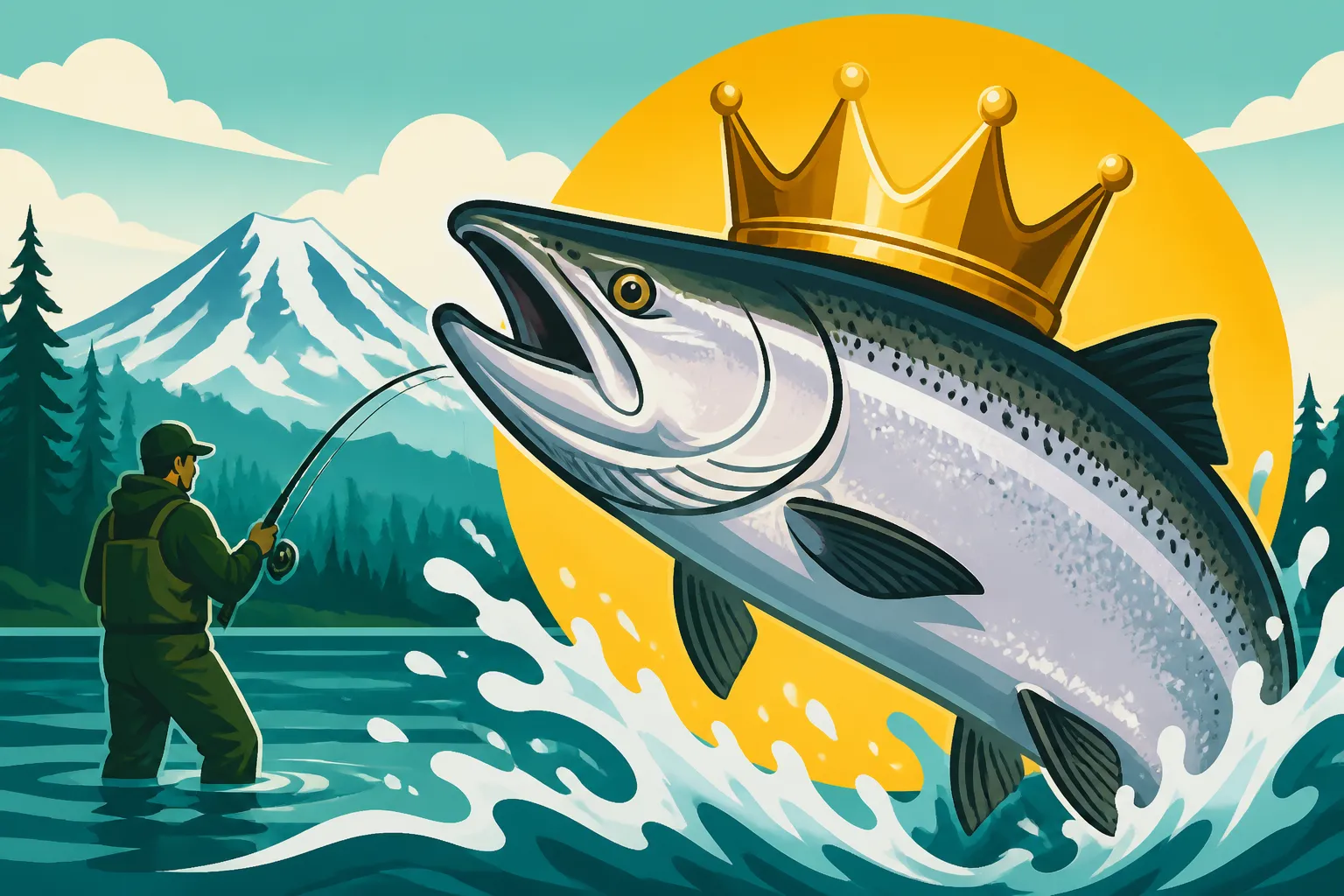
The reason Chinook salmon are so often referred to as "King Salmon" is fairly straightforward, yet deeply rooted in their biology, behavior, and the experience of pursuing them. It's a title that's been bestowed out of sheer admiration for their impressive characteristics. When anglers talk about a "King," they're not just using a fancy word; they're acknowledging a fish that truly stands apart.
Unmatched Size and Power
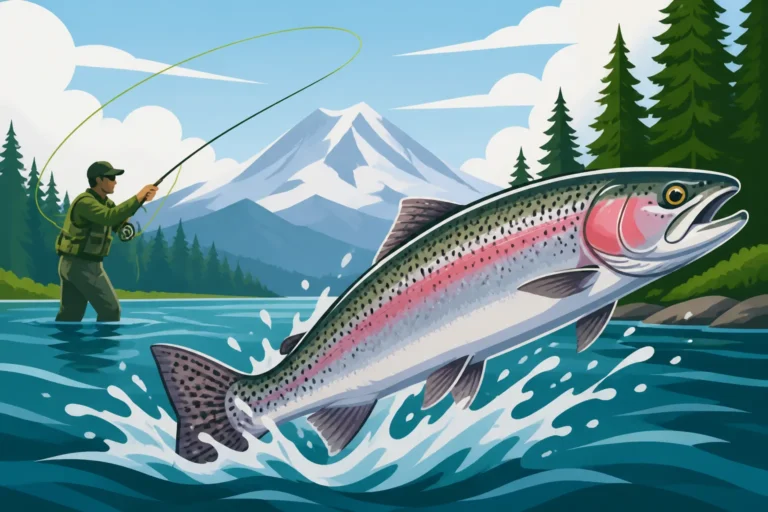
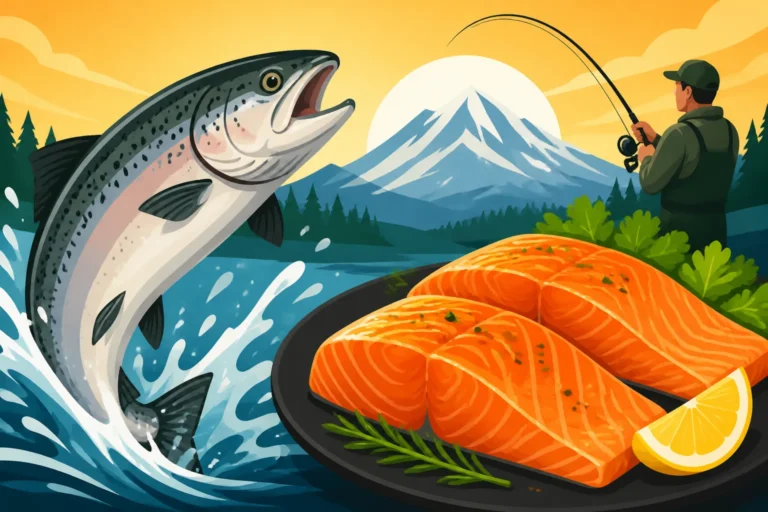
One of the most immediate and undeniable reasons Chinook are called Kings is their sheer size. These are the largest of all Pacific salmon species. While other salmon, like Coho or Sockeye, are certainly respectable catches, a mature Chinook can dwarf them, often reaching weights well over 30 pounds, and occasionally pushing past 50, 60, or even 70 pounds in some rivers and marine areas. Imagine hooking into something that big—it’s not just a fish; it’s a force of nature. This substantial size makes them incredibly powerful fighters, earning them a reputation for long, hard runs and head-shaking dives that can truly test an angler's skill and tackle. Hooking into a large King is an experience etched into memory, often requiring specialized gear designed to handle their immense strength. If you're wondering How Big Washington Chinook Get?, the answer is, quite impressively large!
Their power isn't just about their weight. It's also about their incredibly strong musculature, built for epic migrations from the ocean back to their natal streams, often hundreds of miles inland. This power translates directly to an unforgettable battle on the end of a line. When you're out Trolling for Salmon in Washington's Puget Sound or trying Bank Fishing Techniques for Washington Salmon, and your rod suddenly doubles over with the unmistakable thump of a big Chinook, you instantly understand why "King" is the only fitting title. It’s a challenge, a test, and ultimately, a triumph.
A Taste That Reigns Supreme
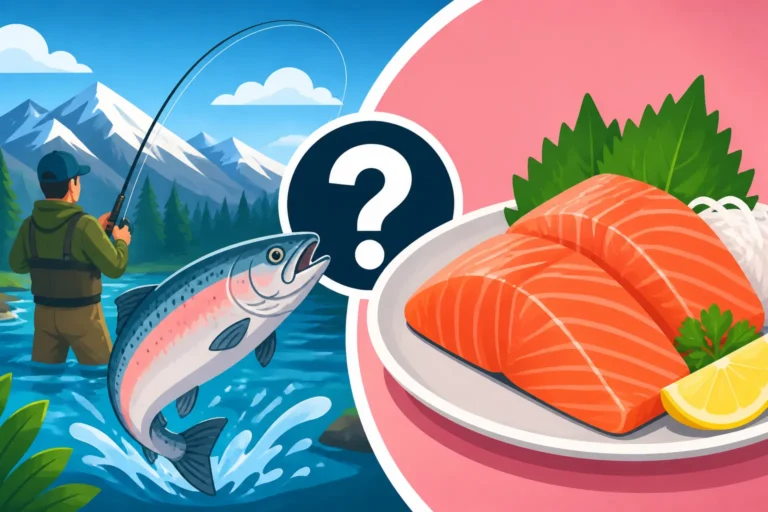
Beyond their impressive fight, Chinook salmon are also widely celebrated for their superior culinary qualities. Their flesh is rich, oily, and boasts a vibrant orange-red hue. This high oil content is a direct result of their long migrations and the energy reserves they build in the ocean, making their meat exceptionally flavorful and tender. Compared to other salmon species, Chinook often have a richer, more buttery texture that appeals to even the most discerning palates.
Many consider Chinook salmon to be among the Best-Eating Fish in Washington Waters. Whether grilled, baked, smoked, or pan-fried, the quality of King Salmon meat is consistently outstanding. This desirability at the dinner table further solidifies its "King" status. It's not just a trophy fish; it's a gourmet meal waiting to happen. The effort put into catching one is often rewarded tenfold by the deliciousness of the fillets. When you’re preparing a King Salmon, you’re not just cooking dinner; you’re celebrating a successful hunt and enjoying one of nature's finest offerings.
The Thrill of the Fight
Let's be honest, part of the allure of fishing is the challenge, and Chinook deliver this in spades. They aren't always the easiest fish to fool, and when they do bite, they put up an incredible fight. Their powerful runs can strip line from your reel at an astonishing pace, and their determined dives can make you feel like you're trying to stop a freight train. This incredible athleticism is a huge part of why anglers hold them in such high esteem.
Catching a King Salmon isn't just about luck; it often requires skill, patience, and the right gear. From selecting the perfect lure or bait to setting the hook properly and then expertly playing the fish to the net, every step of the process is a test. The anticipation of a bite, the adrenaline rush of the hook-up, and the sheer effort required to bring a large Chinook to hand—these are the moments that create lasting memories and cement its royal reputation. This deep respect for their fighting prowess means that even if you're targeting other species, the hope of accidentally hooking into a "King" is always there, adding an extra layer of excitement to any fishing trip.
Beyond the Moniker: Identifying Washington's King Salmon
While the "King Salmon" moniker is well-deserved, understanding the specific characteristics that define Chinook is crucial for any Washington angler. Knowing how to identify them, where they typically reside, and when they are most abundant will greatly enhance your fishing success and appreciation for this magnificent species. It's not just about knowing a name; it's about understanding the fish itself.
Key Physical Characteristics
Identifying a Chinook salmon isn't terribly difficult once you know what to look for, but it's important to distinguish them from other salmon species, especially since regulations can vary. The most prominent feature of a Chinook is often its large size, but there are other, more definitive markers.
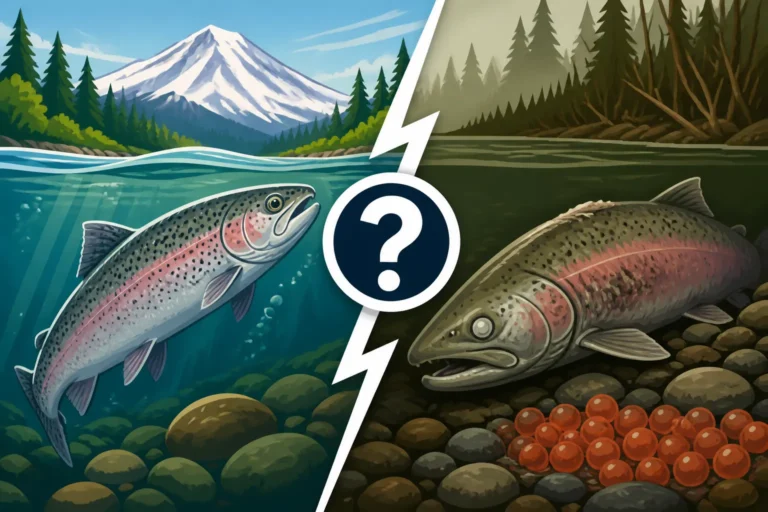
One key characteristic is the presence of black spots on both lobes of its caudal (tail) fin, along with a dark, often black, mouth and gum line. Other salmon species might have spots on their tail, but typically not on both lobes, and their gum lines are often lighter. Chinook also tend to have a more streamlined, torpedo-shaped body compared to the deeper body of a Coho or the more humped back of a spawning Chum. Their scales are typically larger and more pronounced than those of a Pink salmon. When fresh from the ocean, they boast a vibrant silver color with a bluish-green back, which can darken significantly as they approach spawning grounds. For a quick comparison, check out How to Tell a Chinook From a Coho, as these two are often confused by newer anglers.
Where and When to Find Them
Chinook salmon are found throughout Washington's waters, from the vast expanse of the Pacific Ocean to the intricate network of rivers and estuaries that feed into Puget Sound and the Columbia River system. They are an anadromous fish, meaning they hatch in freshwater, migrate to the ocean to grow, and then return to freshwater to spawn.
In marine areas, particularly Puget Sound, you'll find them feeding on baitfish, often around structural features like kelp beds, drop-offs, and current lines. Coastal areas like Westport and Ilwaco are famous for their ocean Chinook fisheries. As they begin their spawning migration, they enter major river systems. Iconic rivers like the Columbia, Cowlitz, Skagit, and others see substantial Chinook returns. Each river system has its unique run timing, but generally, you can find Chinook in Washington from late spring through late fall, with specific peaks depending on the run. For instance, if you're fishing Puget Sound, knowing When Chinook Salmon Run in Washington's Puget Sound is essential for planning your trip. They are a resilient species, but their populations are carefully managed, so always check the specific regulations for the area and time you plan to fish.
Why "Blackmouth" is a Local Chinook Term
Another common term you might hear, especially in the Puget Sound area, is "blackmouth." This refers to immature Chinook salmon that are still residing in saltwater and have not yet begun their spawning migration. They are typically smaller than the mature Kings that are returning to rivers, but still a highly prized catch due to their firm, red meat and energetic fight. The name "blackmouth" comes directly from their distinctive black mouth and gum line, which, as mentioned earlier, is a key identifying feature of the species. These resident Chinook spend more time growing in the saltwater environments of Puget Sound before maturing and eventually heading to freshwater to spawn. Catching a blackmouth is a fantastic way to experience the thrill of Chinook fishing, especially during times when the larger, migratory runs are not present.
Cultural Significance and Fishing Legacy
The Chinook salmon isn't just a fish; it's an icon, deeply woven into the fabric of Washington's natural heritage, economy, and recreational culture. Its presence has shaped communities, traditions, and the very landscape of fishing in the Pacific Northwest.
A Pillar of Washington's Fisheries
For centuries, Chinook salmon have been a foundational resource for indigenous tribes throughout the Pacific Northwest, providing sustenance, cultural identity, and economic stability. Today, they remain a cornerstone of both commercial and recreational fisheries in Washington State. The pursuit of Chinook Salmon: Washington's King of Fish draws countless anglers from across the state and beyond, contributing significantly to local economies through tackle sales, charter bookings, lodging, and more. Local tackle shops thrive on selling specialized gear for these powerful fish, and you can often find a wide array of high-quality rods, reels, and lures on platforms like Amazon designed specifically for targeting Kings.
The opening of a major Chinook salmon season is often met with great anticipation, akin to a holiday for many dedicated anglers. These seasons are meticulously managed by the Washington Department of Fish and Wildlife (WDFW) to ensure sustainable populations, balancing conservation needs with fishing opportunities. This careful stewardship highlights the immense value placed on King Salmon, underscoring its role not just as a catch, but as a vital component of Washington's ecological and cultural identity. Always be sure to understand How Bag and Possession Limits Work in Washington before heading out, as these rules are critical for conservation.
Challenges and Conservation Efforts
Despite their regal status, Chinook salmon face numerous challenges, including habitat loss, climate change, and impacts from dams. These pressures have led to declining populations in many areas, prompting significant conservation efforts. Hatchery programs play a crucial role in supplementing wild populations, while habitat restoration projects aim to improve spawning and rearing grounds in freshwater rivers and streams.
Anglers are also key partners in conservation. Adhering to strict regulations, understanding Emergency Rule Changes: Why Washington's Rules Shift Mid-Season, and practicing responsible catch-and-release techniques where required are all vital contributions. Reporting your catch accurately using your The Washington Catch Record Card and What It Requires or electronic methods also provides critical data for fisheries managers. The commitment to preserving King Salmon for future generations is strong, reflecting a deep respect for this magnificent creature and the understanding that its future depends on collective action. Many organizations and government agencies are working tirelessly to ensure these majestic fish continue to thrive.
Preparing and Preserving Your Royal Catch
Landing a King Salmon is a memorable achievement, and properly handling your catch ensures you get to savor that incredible flavor for as long as possible. Once you've successfully landed and dispatched your Chinook, it's crucial to bleed it immediately to enhance the quality of the meat. This involves making a cut near the gills to allow the blood to drain, resulting in cleaner, better-tasting fillets.
After bleeding, keep your fish on ice in a cooler to maintain its freshness. When you get home, you have several options for processing. Many anglers prefer to fillet their Kings, removing the bones and skin. These fillets can then be portioned and vacuum-sealed for freezing, which is an excellent way to preserve the quality for months. You can find high-quality vacuum sealers and freezer bags on Amazon to help with this process. Smoking is another popular method, transforming the rich, oily meat into a delectable delicacy. If you're looking to share your catch or take it home after a trip, understanding How to Ship Fish Home From Washington is also important to ensure it arrives in perfect condition. Whatever method you choose, taking care of your King Salmon after the catch is just as important as the chase itself, allowing you to fully appreciate the "King" of Washington's waters.
| Characteristic | Chinook Salmon (King) | Coho Salmon (Silver) | Sockeye Salmon (Red) |
|---|---|---|---|
| Size | Largest Pacific salmon (20-60+ lbs) | Medium-sized (8-15 lbs) | Small to medium (4-8 lbs) |
| Mouth/Gum Line | Black mouth and gums | White mouth, black gums | White mouth, white gums |
| Tail Spots | Spots on both upper and lower tail lobes | Spots primarily on upper tail lobe | No prominent spots on tail |
| Body Shape | Streamlined, torpedo-like | Slightly deeper body than Chinook | Very streamlined, somewhat slender |
| Meat Color | Deep red/orange, high oil content | Orange/red, moderate oil content | Deep red, firm, lower oil content |
| Common Nickname | King, Blackmouth (immature in saltwater) | Silver | Red |
| Diet | Larger fish, squid, crustaceans | Herring, anchovies, small fish | Primarily zooplankton (in ocean) |
Disclaimer
This article is for general informational purposes only and does not constitute professional advice. Laws, prices and regulations vary by location and change over time. Consult a qualified professional for guidance on your specific situation.