Cutthroat Trout in Washington’s Rivers and Lakes
Oh, the humble cutthroat trout! So often, anglers in Washington state get caught up in the pursuit of giant Chinook salmon or the elusive winter steelhead, completely overlooking one of our most beautiful and tenacious native fish. But let me tell you, there's a whole world of excitement and challenge waiting for you when you target cutthroat, whether they're darting through a high mountain stream or patrolling the saltwater estuaries. This comprehensive guide is going to strip away the mystery and dive deep into how you can successfully find, identify, and catch these incredible fish across Washington's diverse landscapes, offering tips, techniques, and the local knowledge you need to make your next cutthroat adventure a roaring success.
Understanding Washington's Cutthroat Trout: A Diverse Species
When we talk about cutthroat trout in Washington, we're actually referring to a couple of distinct subspecies, each adapted to its unique environment. They all share that tell-tale reddish or orange "slash" under their jaw (hence the name!), but their habits, sizes, and preferred habitats can differ quite a bit. Understanding these differences is key to knowing where and how to pursue them.
Coastal Cutthroat: The Sea-Run Warrior
The Coastal Cutthroat ( Oncorhynchus clarkii clarkii) is perhaps the most famous and widespread cutthroat subspecies in Washington. What makes them truly special is their anadromous nature – much like salmon, many Coastal Cutthroat spend part of their lives in saltwater, growing larger and feistier before returning to freshwater to spawn. This sea-run behavior allows them to access a richer food source, leading to impressive growth. You'll find these fish in virtually every coastal stream and river that flows into Puget Sound or the Pacific Ocean. They move between estuaries, bays, and rivers with the tides and seasons, offering year-round angling opportunities for those who know their rhythms. They're often mistaken for small steelhead or even coho salmon, but those tell-tale red slashes are usually a dead giveaway. To learn more about identifying them specifically, check out What a Sea-Run Cutthroat Looks Like.
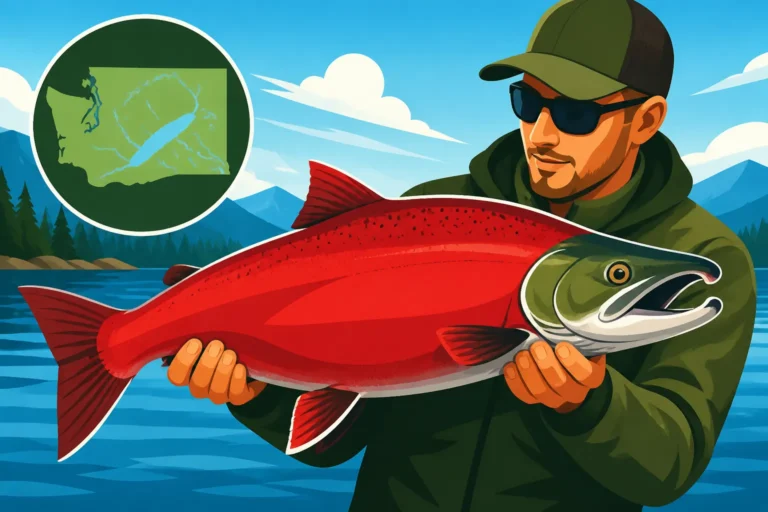
When they're in freshwater, especially smaller streams, Coastal Cutthroat tend to be a beautiful olive-green to bronze color, often with dark spots concentrated towards their tail. Their sea-run cousins returning from the salt can appear much more silvery, almost chrome, mirroring the salmon they often share waters with, before they darken as they prepare to spawn. These fish are opportunistic feeders, preying on everything from aquatic insects and small fish to marine invertebrates like shrimp and baitfish when in saltwater. Their adaptability is truly remarkable, allowing them to thrive in varied environments from the bustling waters of Puget Sound to the tranquil headwaters of an Olympic Peninsula stream.
Westslope Cutthroat: High-Country Dwellers
Venture further inland, particularly into the eastern slopes of the Cascade Mountains and throughout Eastern Washington's higher elevations, and you'll encounter the Westslope Cutthroat ( Oncorhynchus clarkii lewisi). Unlike their coastal relatives, Westslopes are typically freshwater-resident, meaning they complete their entire life cycle in rivers, streams, and high mountain lakes. These fish are often smaller than the sea-run Coastal Cutthroat, but what they lack in size, they more than make up for in striking beauty and willingness to bite. Their coloring is often more vibrant, with brilliant gold, orange, and even rosy hues, especially during spawning season. Their spotting tends to be more even and widespread across their bodies, not just concentrated at the tail.
Westslope Cutthroat are a true gem of Washington's alpine environments. They thrive in cold, clear, oxygen-rich waters and are often found in breathtaking settings, making the fishing experience as much about the scenery as it is about the catch. They are fierce predators, eager to strike at a well-presented fly or lure, making them a favorite among fly anglers. While they may not reach the trophy sizes of some sea-run cutthroat, catching a brightly colored Westslope in a pristine mountain lake or stream is an experience that truly connects you with Washington's wild heart. Understanding the subtle differences between these native trout, like those between Cutthroat Trout vs Rainbow Trout in Washington, is crucial for proper identification and appreciating the unique ecological niches they fill.
Where to Find Cutthroat Trout in Washington: Habitats and Hotspots
Washington state is an absolute paradise for cutthroat trout, offering an incredibly diverse range of habitats for both resident and sea-run populations. Knowing where to focus your efforts is half the battle, and once you understand their preferred environments, you'll be well on your way to locating these feisty fish.
Coastal Streams and Estuaries
If you're looking for Coastal Cutthroat, your best bet is to explore the countless rivers and streams that flow into Puget Sound and the Pacific Ocean. These fish are masters of migration, moving between the freshwater rivers where they spawn and the brackish estuarine zones and nearshore saltwater areas where they feed and grow. During different times of the year, you can find them in different parts of these systems. In spring, after spawning, they'll drop back into the estuaries and often into saltwater. Throughout summer and fall, they patrol these brackish waters, feeding heavily on baitfish, shrimp, and other marine invertebrates. As winter approaches, many will move further up into the rivers, preparing for the next spawning cycle.
Think of rivers like the Humptulips, Chehalis, and Willapa Bay tributaries on the coast, or the Green, Puyallup, and Snohomish river systems flowing into Puget Sound. The lower stretches of these rivers, especially those with good tidal influence and adjacent marshy areas, are prime cutthroat territory. Look for ambush points like logjams, undercut banks, and current seams where they can hide and dart out to intercept food. Access can sometimes be tricky on private land, but public access points, parks, and WDFW access sites often provide great opportunities. Remember to always check local regulations, as rules can vary greatly by river section and season.
High Mountain Lakes and Rivers
For Westslope Cutthroat, you'll want to head for the hills, quite literally. These beautiful trout thrive in the colder, purer waters of Washington's mountain ranges, including the Cascades and the Selkirks. High alpine lakes, often requiring a hike to reach, are frequently stocked or hold self-sustaining populations. These lakes are typically characterized by clear, cold water and rocky or gravelly bottoms, providing excellent insect hatches and ideal conditions for trout. Think about areas around Stevens Pass, Snoqualmie Pass, or even further afield in the Okanogan National Forest for some truly pristine lake fishing.
Beyond the lakes, the headwaters and upper stretches of many rivers also hold Westslope Cutthroat. Rivers like the Methow, the Kettle, and tributaries of the Yakima River, particularly in their more remote, higher-elevation sections, are fantastic for these fish. Look for sections with plenty of riffles, runs, and small pools, especially those with boulders, downed timber, or overhanging vegetation that provide cover and insect drop zones. These environments are often less pressured than lower-elevation fisheries, offering a peaceful and incredibly rewarding experience. When planning such a trip, consider the gear needed for Fly Fishing Washington's Rivers and Lakes as these areas are often ideal for fly anglers.
Puget Sound and Nearshore Areas
One of the most exciting and unique opportunities for Coastal Cutthroat fishing in Washington is right in Puget Sound itself. These are the truly sea-run individuals, often referred to as "resident" cutthroat when they're not in the rivers. They patrol the vast, nutrient-rich waters of the Sound, especially in the nearshore environments. Think about sandy beaches, rocky points, and kelp beds in various marine areas. They follow baitfish like herring, sandlance, and juvenile salmon, making them a prime target for anglers who enjoy "beach fishing" or fishing from small boats or kayaks.
Popular areas include the beaches and points around Whidbey Island, Camano Island, and various spots along the Kitsap Peninsula. Even urban areas like Seattle have productive spots if you know where to look. The key here is to fish during moving tides, especially the incoming tide, which brings baitfish closer to shore. Overcast days or early mornings and late evenings are often most productive, as cutthroat are less wary under lower light conditions. Fishing these open waters offers a thrilling challenge, with the chance to hook into some surprisingly large and powerful cutthroat that have spent time packing on weight in the saltwater. You can check Puget Sound Salmon Closures: What Washington Anglers Need to Know for rules related to these marine areas, as salmon regulations often overlap or influence fishing for other species.
Recognizing Cutthroat Trout: Key Identification Features
Being able to correctly identify a cutthroat trout is important for both adherence to regulations and simply appreciating the specific fish you've caught. While their name gives a strong hint, there are several other characteristics that distinguish them from other trout species common in Washington.
The Signature Red Slashes
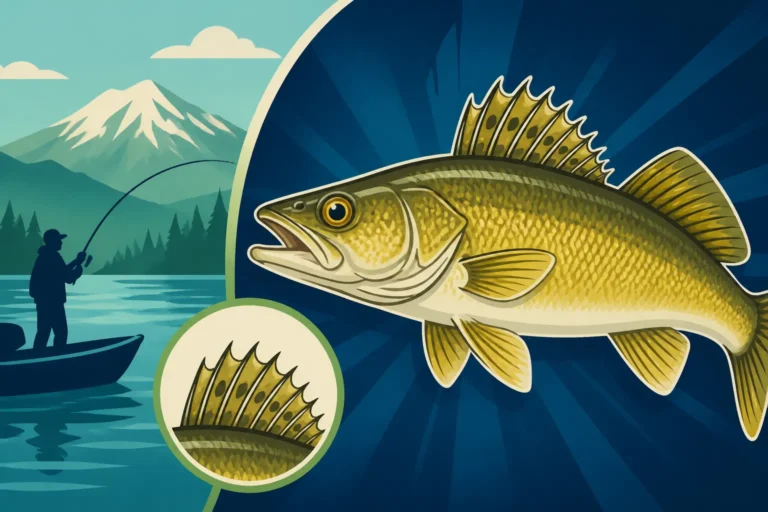
The most defining feature of a cutthroat trout, the one that gives it its name, is the presence of red, orange, or sometimes yellow-orange streaks or "slashes" in the folds of skin under their lower jaw. These slashes can vary in intensity and length depending on the subspecies, individual fish, and even their current mood or spawning phase. On some fish, particularly those fresh from the ocean or in certain lighting conditions, these slashes might be very faint and require a closer look to spot. On others, especially brightly colored Westslopes or fish preparing to spawn, they can be strikingly vibrant.
It's important to remember that these slashes are under the jaw, in the membrane. Sometimes, a rainbow trout might have a faint pinkish tint on the outside of its gill plate, which can be confusing. However, the true cutthroat slash is internal to the jawline. This feature is consistent across all cutthroat subspecies, making it the primary diagnostic for identification. While other trout like rainbow trout or even some kokanee can have red or pink lateral lines, none possess this distinct under-jaw marking. This is one of the key indicators to use when trying to determine How to Tell Cutthroat From Rainbow Trout.
Spotting Patterns and Fin Characteristics
Beyond the distinctive slashes, cutthroat trout exhibit specific spotting patterns and fin characteristics that help differentiate them. Generally, cutthroat tend to have spots that are more concentrated towards the tail, gradually becoming less dense or absent towards the head. The spots themselves are often small and irregularly shaped. This contrasts with many rainbow trout, which often have more evenly distributed spots across their entire body, including the head and gill plates. However, spotting can be highly variable, so this isn't a foolproof method alone.
Their fins are also worth noting. Cutthroat typically have somewhat smaller, more rounded fins compared to some other trout species. The adipose fin (the small, fleshy fin on their back near the tail) is present, which distinguishes them from clipped hatchery fish if you're ever in doubt. The shape of their head and mouth can also be slightly different; cutthroat often have a more conical head and a mouth that extends to or slightly past the eye, particularly in larger specimens, hinting at their predatory nature. Taking a moment to observe these details, along with the slashes, will greatly improve your ability to correctly identify your catch.
Size and Coloration Variations
The size and overall coloration of a cutthroat trout can vary dramatically based on its subspecies, age, diet, and habitat. Coastal Cutthroat that spend time in saltwater can grow significantly larger than their purely freshwater counterparts. While a stream-resident Westslope might typically be 8-14 inches, a sea-run Coastal Cutthroat can easily reach 18-20 inches, with some exceeding 24 inches. The color, too, changes. Sea-run cutthroat returning to rivers from saltwater are often silvery or chrome, much like a salmon, before they develop more muted, olive-brown tones and brighter slashes as they spend more time in freshwater. You can read more about How Big Sea-Run Cutthroat Get for an idea of their potential.
Westslope Cutthroat, residing exclusively in freshwater, often display a more vibrant and consistent coloration. They can range from a golden-olive to a coppery bronze on their flanks, with bellies that are often yellow or orange. Their spots are typically more pronounced against this colorful background. In high mountain lakes, they might be darker, almost blackish on the back, providing camouflage against dark lake bottoms. These variations are part of the beauty and charm of cutthroat trout, making every catch a unique experience. Observing these subtle differences makes identifying your catch both a fun challenge and a valuable skill for any angler.
Essential Gear for Washington Cutthroat Fishing
Approaching cutthroat trout requires specific gear, but thankfully, much of it overlaps with what you might already own for other trout or light salmon fishing. The key is to match your tackle to the size of the fish and the specific environment you'll be fishing, whether that's a tight brushy stream or the wide-open expanse of Puget Sound.
Fly Fishing Setups
Fly fishing is arguably one of the most rewarding ways to target cutthroat, especially in rivers and high mountain lakes. For most freshwater cutthroat fishing, a 4-weight or 5-weight fly rod, 8.5 to 9 feet long, is a perfect all-around choice. This setup offers enough backbone to handle a decent-sized trout while still being light enough to enjoy the fight of smaller fish. For sea-run cutthroat in larger rivers or estuaries, a slightly heavier 6-weight rod might be preferred to cast larger flies and battle fish that can surprise you with their strength. A matching fly reel with a smooth drag and appropriate weight-forward floating line (or an intermediate sinking line for estuaries) completes the primary setup. Don't forget a tapered leader, usually 7.5 to 9 feet long with a 3x to 5x tippet, depending on the size of fish and water clarity.
When it comes to flies, cutthroat are generally not overly picky, making them a great target for both beginners and experienced fly casters. For river and lake fishing, classic dry flies like Elk Hair Caddis, Adams, Parachute Adams, and various terrestrials (like grasshopper or ant patterns) are often effective, especially during hatches. Nymphs such as Prince Nymphs, Hare's Ear, Pheasant Tail, and various stonefly patterns are excellent subsurface choices. For sea-run cutthroat, streamers are king. Think about patterns that imitate baitfish: Clouser Minnows, Deceivers, Woolly Buggers (especially olive or black), and various sculpin patterns. Having a good selection of these in different sizes and colors, easily found on Amazon, will cover most situations.
Spin Fishing Gear
For anglers who prefer spin fishing, cutthroat trout are equally accessible and exciting. A light to medium-light action spinning rod, typically 6 to 7.5 feet long, paired with a matching spinning reel spooled with 4-8 pound test monofilament or fluorocarbon line, is an ideal setup. This provides the sensitivity needed for subtle bites and the casting distance for various lures, while still offering a good fight. For heavier sea-run cutthroat in larger water, you might step up to a medium action rod with 8-10 pound line, especially if you're casting heavier spoons or spinners.
Lure selection for spin fishing cutthroat is diverse and effective. Small spinners like Mepps Aglias, Panther Martins, and Rooster Tails in sizes #0 to #3 are perennial favorites, especially in gold, silver, or black/yellow combinations. Small spoons such as Kastmasters, Little Cleos, or Dick Nites also work wonders, imitating baitfish with their wobbling action. Soft plastics rigged on small jig heads, like grub tails or minnow imitations, can be deadly when retrieved slowly near structure. For estuary and saltwater fishing, small twitching jigs or even floating minnow plugs can be incredibly effective when cutthroat are chasing bait. Carrying a variety of these, organized in a small tackle box from Amazon, will ensure you're prepared for whatever the cutthroat are biting on.
Waders, Boots, and Safety Essentials
Regardless of whether you fly fish or spin fish, proper wading gear is often essential for accessing prime cutthroat habitat. Breathable chest waders are ideal, keeping you dry and comfortable in colder water, particularly during cooler seasons. Pair these with sturdy wading boots that offer good ankle support and excellent grip on slippery rocks or river bottoms. Felt soles are great for river rock, while rubber soles with studs perform well in muddy or mixed environments. Remember, safety first: always wade carefully, especially in moving water, and consider a wading belt for added security.
Beyond wading gear, a few other essentials will make your cutthroat fishing trip more enjoyable and successful. A quality fishing vest or pack will help organize your tackle, flies, leader material, and tools. Polarized sunglasses are absolutely crucial for spotting fish and reading the water, not to mention protecting your eyes from errant hooks. A hat, sunscreen, insect repellent, and plenty of water are also must-haves, especially for longer days on the water. Finally, a small net with a rubberized mesh is invaluable for safely landing and releasing fish, minimizing harm to these beautiful trout. Finding a comfortable and durable set of waders and boots on Amazon can be a game-changer for extending your time on the water.
Effective Techniques for Catching Washington Cutthroat
Cutthroat trout are generally aggressive and opportunistic feeders, which means they can be caught using a variety of techniques. However, understanding their behavior and presenting your offering correctly will significantly increase your success rate.
Fly Fishing Strategies: Dries, Nymphs, and Streamers
Fly fishing for cutthroat offers a wonderfully dynamic experience, allowing you to adapt to their feeding habits throughout the day or season.
Dry Fly Fishing: When cutthroat are actively feeding on the surface, or when there's a visible insect hatch, dry flies are incredibly effective. This is often the case in high mountain lakes and calmer river sections during warmer months. Present your dry fly with a delicate cast upstream, allowing it to drift naturally with the current, mimicking an insect floating on the surface. Look for rises, even subtle dimples, which indicate fish feeding. If they're not overtly rising, try casting near structure like logjams or undercut banks where cutthroat often hold. A precise, drag-free drift is often the key to enticing a strike. For specific tactics, consider exploring resources on Dry Fly Fishing Washington's Rivers.
Nymphing Techniques: When cutthroat are feeding subsurface, which is most of the time, nymphing is your most consistent strategy. Use an indicator (a small bobber) to suspend your nymph at the appropriate depth, letting it drift along the bottom of the river or lake. Vary your depth until you find where the fish are holding, often in deeper runs, riffles, or slower pools. For river fishing, a common method is to cast upstream and mend your line to ensure a natural, dead-drift. In lakes, a slow retrieve or a still presentation can work. Don't be afraid to experiment with different nymph patterns and sizes until you find what the fish are keying in on. Techniques for Nymphing for Trout on Washington's Yakima River can often be adapted for cutthroat in other river systems.
Streamer Fishing: For aggressive cutthroat, particularly the larger sea-run varieties or those in estuaries and lakes, streamer fishing can be incredibly effective. Streamers imitate baitfish or larger aquatic invertebrates, triggering a predatory response. Cast your streamer across or downstream and retrieve it with varying speeds and jerky strips, mimicking a wounded baitfish. In rivers, swinging streamers across current can also be deadly. In saltwater or large lakes, stripping streamers along drop-offs or near structure can provoke explosive strikes. Olive, black, white, and baitfish-colored streamers are excellent choices. A popular fly that imitates many different types of prey is a Woolly Bugger, and having a few different colors and weighted options on hand is always a good idea.
Spin Fishing Tactics: Lures, Baits, and Presentation
Spin fishing provides a versatile approach to cutthroat, allowing for powerful casts and varied presentations, especially useful in larger waters or when wind makes fly casting difficult.
Casting Lures: Spinners and spoons are go-to lures for cutthroat. Cast them across or slightly upstream and retrieve with a steady pace that allows the lure to spin or wobble naturally. Vary your retrieve speed and add pauses or twitches to make the lure appear more erratic and appealing. In rivers, focus on casting into current seams, behind rocks, or into pools. In lakes and estuaries, fan cast to cover water, paying attention to drop-offs, weed lines, and areas where baitfish might congregate. Remember, cutthroat are ambush predators, so making your lure's action look like an easy meal is key. This approach is similar to how many anglers target other river species, and you can pick up tips from guides like Drift Fishing for Steelhead in Washington Rivers and adapt them for cutthroat.
Using Baits: While many anglers prefer artificials, natural baits can be incredibly effective, especially for resident cutthroat in lakes and slower-moving rivers. Worms, salmon eggs, and even small pieces of shrimp (especially in saltwater or estuaries) can entice strikes. Rigging baits under a bobber allows for a natural drift in current or suspended presentation in still water. For bottom fishing, use a small weight to keep your bait near the bottom where cutthroat often forage. Live bait, like small minnows, can also be used where legal, but always check current regulations as bait rules vary widely by waterbody in Washington.
Reading the Water and Approach: No matter your chosen method, successfully catching cutthroat trout hinges on your ability to read the water and approach it stealthily. Cutthroat, especially in clear, shallow waters, can be easily spooked. Move slowly, avoid sudden movements, and dress in natural colors. Look for classic trout holding water: current seams where fast water meets slow, the heads and tails of pools, undercut banks, logjams, large boulders, and areas with overhanging vegetation. In saltwater, focus on moving tides around rocky points, kelp beds, and sandy flats where baitfish congregate. Observe the water for signs of feeding fish, such as rises or darting baitfish, and adjust your presentation accordingly. Often, the first cast into a promising spot is your best chance, so make it count.
Conservation and Responsible Angling Practices
Fishing for cutthroat trout in Washington is a privilege, and it comes with the responsibility of ensuring these beautiful fish and their habitats remain healthy for future generations. Responsible angling isn't just about following the rules; it's about adopting an ethical mindset every time you're on the water.
Understanding Regulations: Catch and Release
Washington's fishing regulations for cutthroat trout can be complex and vary significantly by location and season. This is particularly true for Coastal Cutthroat, which have different rules depending on whether they are in freshwater, estuaries, or Puget Sound marine areas. Some areas might be open for retention with specific size and bag limits, while others are strictly catch-and-release, especially for wild, unclipped fish. It's common to see slot limits in place, meaning you can only keep fish within a certain size range, or a limit on how many wild versus hatchery fish you can keep. Always, always consult the current Washington Sport Fishing Regulations Pamphlet or the WDFW website before you head out. These resources are indispensable for understanding Washington Fishing Regulations Every Angler Should Know and avoiding unintentional violations.
For wild cutthroat, especially in sensitive river systems or high mountain lakes, catch-and-release is often encouraged or even mandated. When practicing catch-and-release, handle the fish as little as possible, keep it in the water, and use wet hands if you must touch it. De-barbing your hooks is a simple yet incredibly effective way to minimize harm and reduce release time. If the fish is deeply hooked, cut the line as close to the hook as possible rather than trying to rip it out. These small actions make a huge difference in the survival rates of released fish, contributing to the health of the population. Understanding Catch-and-Release Rules During Wild Steelhead Closures provides a good framework for how sensitive fish should be handled, which applies directly to wild cutthroat.
Protecting Wild Stocks and Habitats
Wild cutthroat populations are a valuable natural resource, and their survival is intrinsically linked to the health of their habitats. One of the biggest threats to wild cutthroat, particularly Coastal Cutthroat, is habitat degradation from urbanization, logging, and agricultural runoff. As anglers, we can play a role in advocating for and supporting habitat restoration efforts. This includes being mindful of our own impact on the environment: properly disposing of trash, avoiding disturbing stream banks or spawning beds, and limiting the spread of invasive species by cleaning our gear between different waterbodies.
Furthermore, minimizing interactions with spawning fish is crucial. Cutthroat typically spawn in the spring. If you see fish on redds (gravel nests where they lay eggs), avoid fishing directly over or near them. Disturbing spawning fish or walking on redds can destroy eggs and significantly impact future generations. By respecting these natural processes, we help ensure that there will be healthy cutthroat populations for years to come. Actively seeking out Where to Find Current Washington Fishing Rules helps us stay informed and contribute to better conservation practices.
Ethical Angler Behavior
Beyond specific regulations, ethical angler behavior encompasses a broader set of principles that contribute to a positive fishing experience for everyone and the well-being of the fish. This includes respecting other anglers, giving them space, and being courteous on the water. Avoiding excessive noise, especially in serene environments, enhances the experience for all. Respecting private property by only fishing where you have legal access is also paramount. Many fishing spots in Washington are near homes or private land, and maintaining good relations with landowners ensures continued access for everyone.
Sharing your knowledge and passion for conservation with new anglers, especially younger generations, is another way to promote ethical practices. Teach them not just how to catch fish, but how to respect the resource, understand the rules, and practice responsible catch-and-release. By being stewards of Washington's cutthroat fisheries, we help preserve the legacy of these incredible native trout and the beautiful wild places they call home. When planning any trip, always remember that obtaining the correct Freshwater vs Saltwater vs Combination Licenses in Washington is the first step in being a responsible angler.
Seasonal Considerations for Cutthroat Fishing in Washington
Just like any other fish, cutthroat trout behavior, location, and feeding patterns are heavily influenced by the seasons. Understanding these shifts can drastically improve your chances of success, guiding you to the right places with the right techniques at the right time of year.
Spring: Post-Spawn Opportunities
Spring in Washington brings melting snow, rising water levels, and the cutthroat spawning season. For Coastal Cutthroat, spawning typically occurs from late winter into early spring, depending on the specific river system. After spawning, these fish, often referred to as "kelts" (though this term is more commonly associated with salmon and steelhead), are usually skinny and eager to feed as they recover and drop back down to estuaries or saltwater. This post-spawn period can offer excellent fishing, as cutthroat are highly aggressive and opportunistic, trying to regain their strength. Look for them in slower runs, pools, and the margins of rivers before they exit into the salt. Small nymphs, worms, or streamer patterns that imitate small baitfish or leeches can be very effective.
For Westslope Cutthroat in higher elevation lakes and rivers, spring often means ice-out in lakes and slightly warmer water temperatures in rivers, leading to increased insect activity. These fish will also be moving out of deeper wintering holes and into shallower feeding areas. Early spring can be excellent for targeting them with subsurface flies like nymphs or small streamers, as insects are still primarily aquatic. As the water warms, you'll start to see more surface activity, signaling the beginning of dry fly opportunities. Remember that some high-country lakes might not be accessible until later in the spring or even early summer due to snowpack.
Summer: High Country and Estuary Action
Summer is arguably the most popular time for cutthroat fishing in Washington, offering a diverse range of opportunities. In the high country, Westslope Cutthroat fishing truly shines. With full access to alpine lakes and headwater streams, anglers can enjoy prolific dry fly action as terrestrial insects like grasshoppers and ants become available, along with various aquatic hatches. Focus on early mornings and late evenings when fish are most active, and target shaded areas during the heat of the day. Hiking into more remote lakes can often yield less pressured fish and a more serene experience.
For Coastal Cutthroat, summer is prime time in the estuaries and nearshore saltwater areas of Puget Sound and the coast. These fish are actively feeding on abundant baitfish, shrimp, and other marine life, growing fat and powerful. This is when beach fishing for cutthroat can be incredibly productive, especially during incoming tides or low-light conditions. Trolling or casting streamers from small boats or kayaks along kelp beds, rocky points, and sandy flats can also be very effective. The aggressive nature of summer cutthroat makes for thrilling strikes and strong fights. This is also a good time to pursue sea-run cutthroat in lower river sections as they patrol for food before committing to their upstream migration later in the year.
Fall/Winter: Sea-Run Movements and River Fishing
As autumn colors paint the landscape, the fishing for cutthroat shifts again. In the high country, Westslope Cutthroat become incredibly active, feeding heavily in preparation for winter. Dry fly fishing can still be good during Indian summer days, but nymphing and streamer fishing often become more productive as water temperatures drop and insects are less active on the surface. These fish will eventually move to deeper pools and slower water as winter approaches.
Winter is primarily the domain of the Coastal Cutthroat, particularly the sea-run variety. As salmon runs decline, many of these cutthroat move into freshwater river systems from estuaries and saltwater, often following the salmon to feed on their eggs. This can lead to incredible fishing opportunities in the lower and middle sections of rivers. They are still aggressive, though their metabolism slows slightly in colder water. Drift fishing with small baits like cured salmon eggs (where legal) or back-bouncing small jigs can be highly effective. Fly anglers will find success with nymphing tactics, especially egg patterns, and larger streamers that imitate baitfish or juvenile salmon. Remember to dress warmly and be prepared for Washington's variable winter weather. Always consult regulations for specific rivers, as Washington Sport Fishing Seasons and Emergency Closures can heavily impact fishing opportunities during these colder months.
| Subspecies | Typical Habitat | Primary Diet | Average Size (WA) | Key Identification | Best Season to Target |
|---|---|---|---|---|---|
| Coastal Cutthroat | Coastal rivers, estuaries, Puget Sound, Pacific coast | Baitfish, shrimp, insects, salmon eggs | 10-20 inches (sea-run), 6-14 inches (resident) | Silvery-to-olive, spots concentrated on tail, red slashes | Year-round (seasonal shifts) |
| Westslope Cutthroat | High mountain lakes, clear, cold rivers, Eastern WA | Aquatic and terrestrial insects | 8-14 inches | Golden-olive to bronze, spots evenly distributed, red slashes | Spring, Summer, Fall |
Disclaimer
This article is for general informational purposes only and does not constitute professional advice. Laws, prices and regulations vary by location and change over time. Consult a qualified professional for guidance on your specific situation.