How Big Columbia River Smallmouth Bass Get
Many anglers hitting Washington's vast Columbia River might be dreaming of salmon or steelhead, but if you're like me, you also wonder about the feisty smallmouth bass lurking beneath the currents. We often hear whispers of giant bass, but what's the real story? How big do these bronze-backed fighters truly get in this incredible waterway? It’s a common question, and understanding the actual size potential, along with what influences it, is key to managing your expectations and, more importantly, boosting your chances of landing a memorable fish. This comprehensive guide will peel back the layers on Columbia River smallmouth bass size, diving into average catches, trophy potential, the environmental factors that shape their growth, and the specialized tactics you can employ to pursue those impressive, oversized specimens.
The Truth About Columbia River Smallmouth Bass Size
Let's get right to it: the Columbia River is absolutely a premier smallmouth bass fishery, and these fish can grow to impressive sizes. When you're fishing the Columbia, you'll find that the average smallmouth bass you'll encounter typically falls into a very respectable range, certainly larger than what many other fisheries might offer.
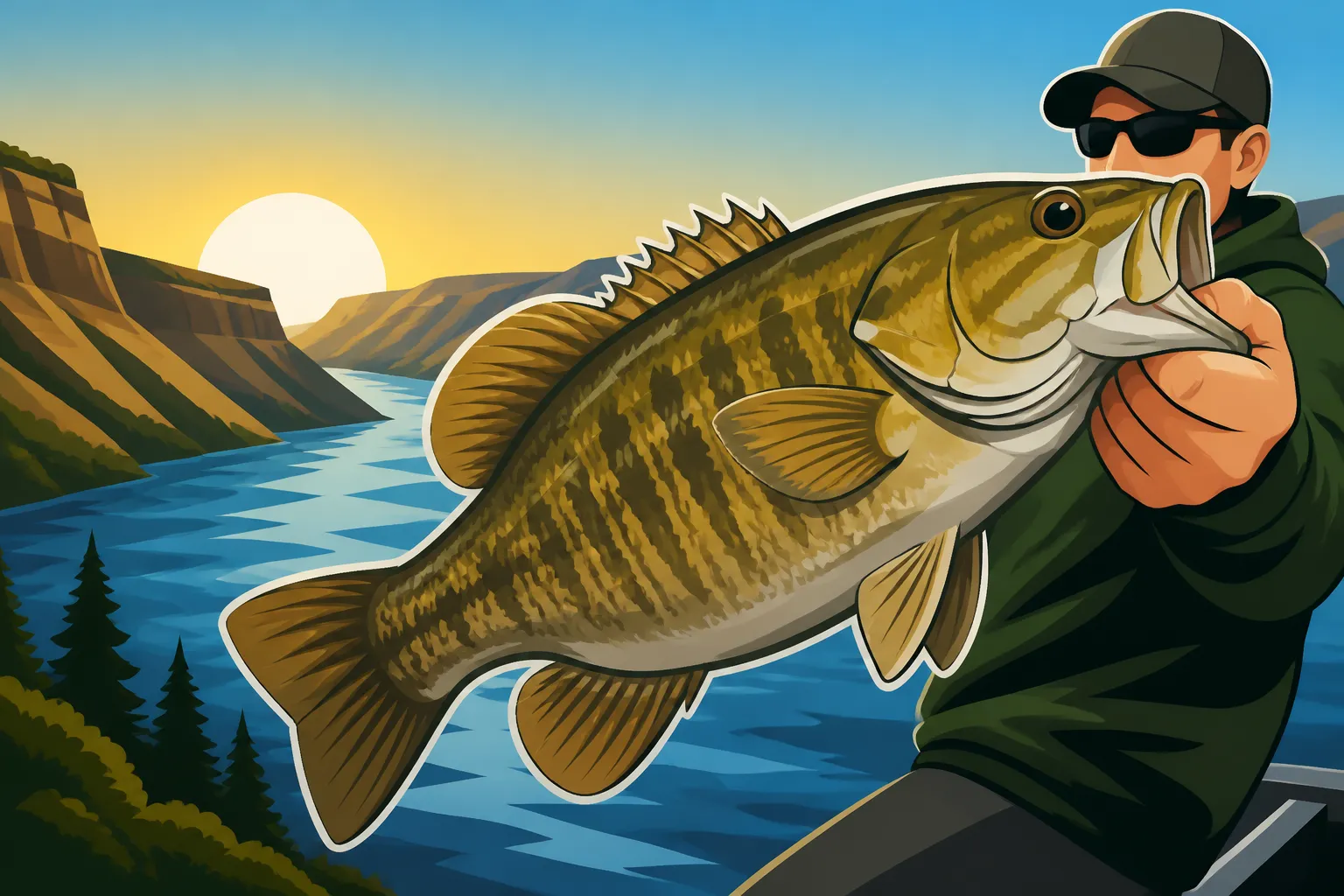
Most anglers can expect to consistently catch smallmouth in the 10-to-14-inch range, with many fish weighing between 1 and 2.5 pounds. These are solid, healthy fish that put up a fantastic fight. They're strong, aggressive, and make for an exhilarating day on the water, whether you're casting from shore or from a boat. However, the true magic of the Columbia lies in its ability to produce genuine giants, the kind that make your reel sing and your heart pound. It's not uncommon for experienced anglers to land smallmouth pushing 3 to 4 pounds, and the river definitely holds fish that can exceed the 5-pound mark. A smallmouth bass over 5 pounds from the Columbia River is a legitimate trophy in any angler's book, and fish approaching or even surpassing 6 pounds are caught here every year, though they are much rarer and often the result of dedicated effort and a bit of luck. The sheer volume of water and abundant forage in the Columbia creates an environment where smallmouth can truly thrive and pack on the pounds. For more general information on these fish, check out Smallmouth Bass on Washington's Columbia and Snake Rivers.
Average Catches and What to Expect
When you spend a day fishing the Columbia, especially in sections known for smallmouth, you'll likely reel in plenty of bass in that common 1 to 2.5-pound range. These are the workhorses of the fishery – vibrant, healthy, and plentiful. They are perfect for honing your techniques and ensuring a fun, active day. If you’re a beginner, don’t underestimate the thrill of catching these "average" fish; they fight hard and are incredibly rewarding. I've had countless days where these smaller, yet feisty, bass kept my rod bent and my spirits high. They're often schooling, so once you find one, you're likely to find more.
For those targeting a good meal, these average-sized smallmouth also make for excellent table fare, though many anglers practice catch-and-release to protect the fishery. Remember, while the average is good, the potential for a personal best is always lurking just beneath the surface, driving many of us to keep casting.
Trophy Potential: How Big Can They Really Get?
The Columbia River has a well-deserved reputation for producing trophy smallmouth bass. While a 5-pound smallmouth is considered a true monster in many parts of the country, the Columbia occasionally spits out fish that dwarf that benchmark. Smallmouth in the 6-to-7-pound class are caught by anglers who dedicate serious time and effort to understanding the river's nuances. These aren't everyday catches, mind you, but they are certainly within the realm of possibility. When you talk to guides or seasoned locals, they'll often recount tales of "the one that got away" that was easily over 7 pounds. The river's incredible productivity, its vast stretches of suitable habitat, and the long growing season contribute to this impressive trophy potential. Landing one of these giants usually involves specific tactics, a deep understanding of bass behavior, and sometimes, a little help from specialized gear found on platforms like Amazon.
To give you a better idea of the potential, here’s a quick overview:
| Category | Typical Columbia River Smallmouth | Trophy Columbia River Smallmouth |
|---|---|---|
| Length (Inches) | 10-14 inches | 18 inches and up |
| Weight (Pounds) | 1-2.5 pounds | 4-6+ pounds |
| Age (Approx.) | 3-5 years | 7+ years |
| Primary Diet | Crayfish, minnows, insects | Larger forage fish, bigger crayfish |
| Habitat Preference | Rocky banks, current breaks, submerged structure | Deeper ledges, current seams, abundant large structure for ambush |
| Fishing Method | Versatile, various lures | Specific presentations, larger baits, patience |
Factors Influencing Smallmouth Bass Growth in the Columbia
The Columbia River is a dynamic and complex ecosystem, and several key factors contribute to the impressive size of its smallmouth bass population. It's not just one thing; rather, it's a perfect storm of environmental conditions that allow these fish to reach their full potential. Understanding these factors can help you predict where and when to find the bigger fish.
Abundant Forage and Diet
One of the primary drivers of growth in any fish species is a rich and consistent food source. The Columbia River offers an absolute smorgasbord for smallmouth bass. Their diet primarily consists of crayfish, which are incredibly abundant throughout the river system. Crayfish are high in protein and fat, providing the necessary nutrients for rapid growth and bulk. Beyond crayfish, smallmouth also feast on a variety of baitfish, including sculpins, juvenile salmon, and various minnow species. The sheer volume and diversity of these prey items mean that smallmouth bass rarely go hungry, allowing them to put on weight quickly and efficiently.
Moreover, the vastness of the Columbia provides ample hunting grounds. These fish aren't competing for limited resources in a small pond; they have miles of river and countless hiding spots to ambush their prey. This leads to less stress, more eating, and ultimately, bigger fish. For insights into other Columbia River species, you might find How Big Columbia River Walleye Get interesting as well.
Water Temperature and Growing Season
Washington's climate might be known for rain, but the Columbia River basin experiences a long and productive growing season for warmwater species like smallmouth bass. While the river itself is fed by mountain snowmelt and can be quite cool, many sections, especially reservoirs and slower-moving areas, warm up sufficiently during the spring, summer, and early fall. Smallmouth bass are most active and feed most aggressively when water temperatures are in their optimal range, typically between 60 and 70 degrees Fahrenheit. The prolonged periods of these ideal temperatures mean bass have an extended window to feed heavily, digest efficiently, and grow larger.
The consistent flow and depth of the Columbia also provide thermal refuges where bass can retreat during extreme temperature fluctuations, minimizing stress and maximizing energy allocation towards growth. This combination of ample food and a long, favorable growing season is a recipe for big bass.
Habitat Diversity and Structure
The Columbia River is not just a wide, open channel; it's incredibly diverse in its underwater landscape. Smallmouth bass absolutely love structure, and the Columbia provides it in spades. We're talking about extensive rocky banks, submerged rock piles, boulders, current breaks created by islands and points, underwater ledges, and even man-made structures like bridge pilings and rip-rap. These areas offer ideal ambush points for hunting prey, protection from predators, and crucial current breaks where bass can conserve energy.
Larger smallmouth, especially, tend to gravitate towards more complex and deeper structures, often holding in seams where slower water meets faster current. They use these positions to wait for unsuspecting prey to drift by. The immense scale of the Columbia means there are literally endless miles of this prime habitat, giving bass plenty of room to spread out and establish territories where they can grow undisturbed. The health and abundance of such diverse habitats are crucial for supporting a thriving population of both average and trophy-sized smallmouth bass.
Targeting Bigger Smallmouth: Techniques and Gear for Trophy Fish
If your goal is to land one of those true Columbia River giants, you'll need to adjust your approach. While general smallmouth tactics will catch you plenty of fish, consistently catching the biggest ones requires a bit more finesse, power, and understanding of their behavior.
Lures and Baits for Large Bass
Big bass often require bigger meals. While smaller soft plastics and crankbaits will catch plenty of average fish, when you're specifically hunting for a trophy, consider scaling up your offerings. Large soft plastic tubes (3.5-4 inches), substantial creature baits or jigs that mimic crayfish, and bigger swimbaits are often key. My go-to for really big smallmouth is a heavy football jig with a stout trailer, fished slowly along the bottom near deep structure. Lipless crankbaits, deep-diving crankbaits, and even large topwater baits (like poppers or walking baits) can also entice aggressive strikes from larger fish, especially during low light or when fish are shallow. Don't be afraid to experiment with colors that mimic the local forage, like browns, greens, and oranges for crayfish. You can find a vast selection of these on Amazon. For more specific lure advice, check out Best Lures for Washington Smallmouth Bass.
Rods, Reels, and Line Selection
Landing a 5+ pound smallmouth in strong Columbia River current demands serious tackle. You'll want a medium-heavy to heavy power spinning or baitcasting rod, typically in the 7-to-7.5-foot range. This length provides the leverage needed for long casts and the backbone to control large fish. Pair that with a high-quality reel known for its smooth drag and strong retrieve. For line, I personally prefer 10-15 lb fluorocarbon or braided line with a fluorocarbon leader (12-17 lb test). Fluorocarbon is less visible and has excellent abrasion resistance, which is vital around all the rocks and structure. Braid offers incredible sensitivity and casting distance, but a leader is crucial to prevent spooking wary fish. Having the right setup not only increases your chances of landing a big fish but also minimizes the risk of breaking off a trophy. When you're fishing in Washington, it's also smart to check Barbless Hook Requirements on Washington Rivers, as some areas have specific rules that apply.
Strategic Fishing Locations and Presentations
Big smallmouth are often solitary and prefer specific, high-percentage ambush points. Focus your efforts on deep current breaks, major rock outcroppings, submerged islands, and eddies behind large structures. These are places where the current brings food to them, and they can expend minimal energy. Target the slower seams right next to faster water, or the deep side of a significant drop-off. For successful presentations, slow and methodical is often the name of the game. For jigs and soft plastics, "dragging" or "stroking" them along the bottom, mimicking a crayfish, can be incredibly effective. Pay close attention to subtle bites, as larger bass can sometimes be surprisingly gentle.
Don't neglect bank fishing opportunities; many trophy smallmouth are caught by anglers fishing from the shore, especially near accessible rocky points or areas of strong current that have nearby deep water. Remember to understand the differences when Fishing From Boats vs Banks: Different Rules in Washington. Vary your retrieve speed and depth until you figure out what the fish want on a given day. Sometimes, a subtle twitch is all it takes to trigger a strike from a monster smallmouth.
Understanding Columbia River Smallmouth Bass Habitats and Hotspots
The Columbia River is a massive system, and while smallmouth can be found throughout, certain sections and types of habitat consistently produce larger fish. Knowing where to focus your efforts can drastically improve your chances of success.
Key Habitat Features for Big Bass
Big smallmouth bass are not randomly distributed; they have specific preferences that offer them a strategic advantage for feeding and survival. Look for areas with significant current breaks. This could be behind large boulders, points of land, islands, or even bridge pilings. The calmer water allows them to rest while waiting for prey to be swept by in the faster current. Deeper water adjacent to these current breaks is also crucial, especially during brighter days or colder water temperatures. Ledges, humps, and submerged rock piles provide vertical structure that big bass love to relate to. They can sit on the bottom and dart up to ambush prey, or use the structure for cover.
Riprap banks, which are man-made rock structures used for erosion control, are also fantastic smallmouth habitat. These rocky edges create endless nooks and crannies for crayfish to hide and for smallmouth to lurk. When you're scouting, look for changes in depth, areas where the current slows down, and abundant rocky structure – these are the playgrounds of big Columbia River smallmouth. If you're planning any fishing trip in the state, it's always a good idea to remember What to Check Before Every Washington Fishing Trip.
Productive Sections of the Columbia River
While I can't name specific honey holes (anglers rarely share those freely!), I can point you towards general areas of the Columbia that are renowned for their smallmouth fishing. The reservoir sections, formed by the various dams along the river, often provide excellent opportunities. For example, Lake Umatilla (behind McNary Dam) and Lake Wallula (behind McNary Dam as well, but upstream) are known for holding robust populations of smallmouth bass, including some large specimens. These areas often have extensive rocky shorelines, islands, and submerged structure that provide ideal bass habitat. The slower current in these reservoir pools allows the bass to grow big and fat.
Further downstream, below the dams, the main stem of the Columbia, particularly around the Tri-Cities area (Richland, Pasco, Kennewick) and extending towards the gorge, also offers fantastic fishing. Here, you'll find more riverine conditions with stronger currents, but also abundant rocky banks, points, and current breaks that hold big smallmouth. Anglers often fish from boats to access these prime spots, but there are also numerous public access points for bank fishing. Understanding the overall dynamics of Fishing the Columbia River in Washington: A Complete Overview will greatly assist in finding your own hotspots. Keep an eye on local fishing reports and forums, as anglers often share general areas where the bite is hot, though specific locations are usually kept under wraps.
The Seasonal Approach to Columbia River Smallmouth Bass
Just like any other fish, smallmouth bass behavior and location on the Columbia River vary significantly with the seasons. Understanding these shifts is vital if you're serious about consistently landing larger fish.
Spring: Post-Spawn and Recovery
Spring is an exciting time for Columbia River smallmouth. As water temperatures begin to rise, usually from April into May and June, smallmouth move from their deeper winter haunts into shallower, rockier areas to spawn. While you should always be mindful of disturbing spawning fish, the post-spawn period is absolutely prime for targeting big bass. After the rigors of spawning, these fish are often ravenous, actively feeding to regain their strength.
During this time, look for them around rocky points, shallow flats adjacent to deeper water, and protected coves. They’ll be aggressive and willing to chase a variety of baits. Topwater lures can be incredibly effective early in the morning or late in the evening, producing explosive strikes. Jigs, crankbaits, and soft plastics fished slowly along the bottom will also tempt these hungry fish. Pay attention to water temperature; once it hits the mid-50s to low-60s, the bite can really turn on. This is a fantastic window to catch some of the biggest smallmouth of the year.
Summer: Deep and Current-Oriented
As summer progresses and water temperatures soar into the 70s, Columbia River smallmouth, especially the larger ones, will often move deeper to find cooler, more comfortable water. They'll still relate to structure, but that structure will likely be in deeper sections of the river. Look for them holding on ledges, deep points, submerged rock piles, and current seams in 15 to 30 feet of water, or even deeper in some areas.
Drop-shot rigs, Carolina rigs, and heavy football jigs become highly effective during the summer months. Vertical jigging with tubes or even metal jigs can also produce excellent results when you pinpoint a school of fish holding tight to structure. The key is to find those cooler, oxygenated zones where baitfish also congregate. Even during summer, they'll occasionally move shallower during low light conditions or if there's significant current to bring food their way. Remember that How Many Rods You Can Fish at Once in Washington might apply differently depending on the specific regulations of the section of the Columbia you are fishing.
Fall: The Pre-Winter Feast
Fall is another fantastic season for trophy smallmouth on the Columbia. As water temperatures start to drop, bass go into a pre-winter feeding frenzy, trying to pack on as much fat as possible before the cold sets in. They become incredibly aggressive and will chase down baitfish with vigor. This is a great time to throw larger crankbaits, swimbaits, and spinnerbaits, as the bass are actively hunting.
They'll often be found transitioning between their summer deep-water haunts and shallower areas where baitfish are schooling. Look for them on prominent points, ledges, and rocky flats. The bite can be consistent throughout the day, often peaking in the warmer parts of the afternoon. As the water cools further, they'll eventually retreat to their deep winter holding areas, but until then, fall offers some of the most action-packed smallmouth fishing the Columbia has to offer. Make sure your tackle box is stocked with a variety of lures, perhaps from Amazon, to match the feeding mood of these autumn giants.
Disclaimer
This article is for general informational purposes only and does not constitute professional advice. Laws, prices and regulations vary by location and change over time. Consult a qualified professional for guidance on your specific situation.