Does Washington Have Both Summer and Winter Steelhead in the Same River?
One of the most common questions I hear from anglers, especially those new to the steelhead scene in Washington, is about how these incredible fish manage their runs. It can feel like a riddle sometimes, trying to figure out if you're fishing for a summer-run or a winter-run, or if both might even be in the same river at different times, or even simultaneously. It's confusing because the calendar often feels like it gives mixed signals. This guide is here to untangle that confusion, explain the unique life cycles of these magnificent fish, and tell you which Washington rivers are special enough to host both of these distinct steelhead populations.
Understanding Steelhead Runs: A Seasonal Dance
When we talk about "steelhead," we're really talking about ocean-going rainbow trout. What makes them so fascinating, and sometimes so perplexing for anglers, is their incredible diversity in life history. Unlike salmon that typically die after spawning, steelhead can, and often do, return to the ocean multiple times to spawn again. Their return migration patterns are what define them as "summer-run" or "winter-run," and understanding this is the first step to unlocking Washington's steelhead fisheries.
The Core Difference: Summer vs. Winter Steelhead
The primary distinction between summer and winter steelhead lies in when they enter fresh water from the ocean and their state of maturity upon arrival. It's not just a casual difference; it dictates their behavior, their diet, and where you'll find them.
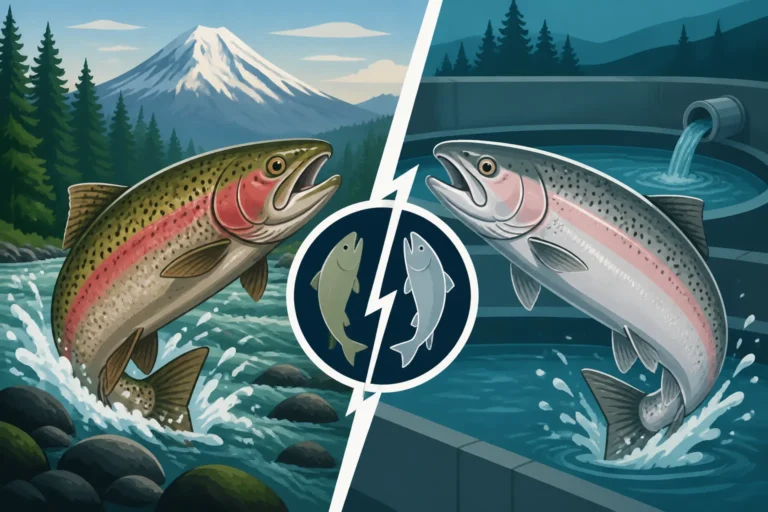
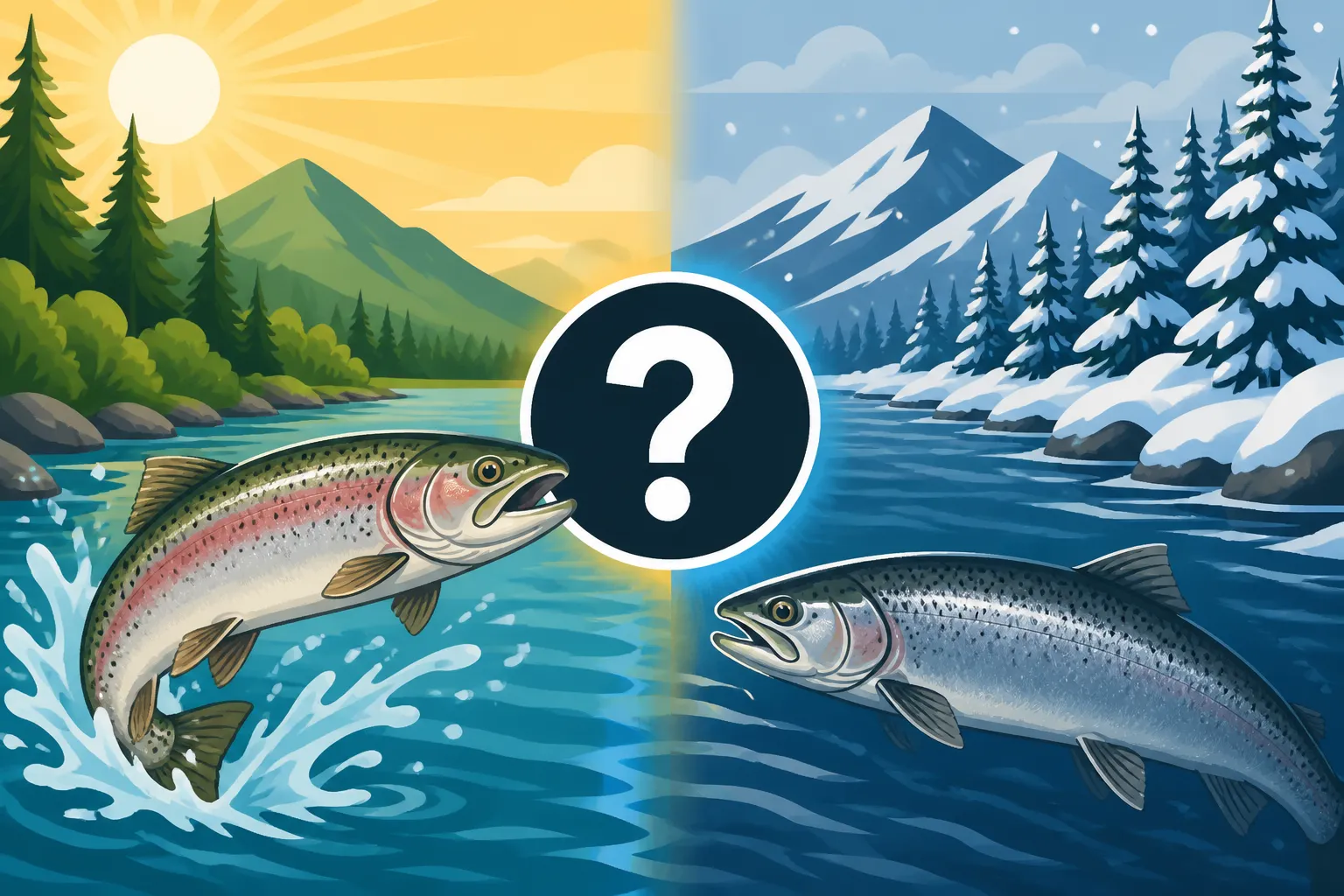
Summer steelhead, true to their name, typically enter Washington's rivers during the warmer months, roughly from late spring through early fall. When they first arrive, they are usually not yet sexually mature. This means they spend months holding in deeper, cooler pools, often traveling significant distances upstream, where they will "overwinter" and mature before spawning the following spring. Think of them as marathon runners who arrive early to scout the course and rest up before the big event. They're often lean, aggressive, and sometimes more willing to chase a swung fly or a drifted bait because they have a longer time to fast and burn off energy before spawning. You might find yourself searching for new gear on Amazon to tackle these active fish.
Winter steelhead, on the other hand, enter rivers during the colder months, generally from late fall through early spring. Critically, these fish are usually much closer to sexual maturity when they arrive from the ocean. They don't typically spend months holding in the river system like their summer counterparts; instead, their journey upstream is more directly tied to spawning readiness. They're often heavier, packing on pounds in the ocean to fuel their immediate spawning needs. Because they're focused on reproduction, they can be a bit more finicky, requiring a more precise presentation of bait or artificials. Their presence often coincides with higher, colder water conditions, which can make for challenging but incredibly rewarding fishing experiences. Winter vs Summer Steelhead Runs in Washington, Explained goes into even greater detail about these fascinating distinctions.
Why the Confusion? Overlapping Seasons and River Systems
The confusion for many anglers often stems from a few key factors. First, the "seasons" aren't always a hard stop and start. There can be periods, especially in late fall or early spring, where the tail end of one run might overlap with the vanguard of another. A river that sees a late summer-run fish pushing up might also start to see the first winter-run fish entering its lower stretches.
Secondly, Washington is a big state with an incredible diversity of rivers. What holds true for a river on the Olympic Peninsula might be very different for a river flowing into the Columbia. Some rivers simply have the habitat and conditions to support both types of runs, while others might favor one over the other due to factors like water temperature, gradient, or the presence of hatchery programs. Add to this the complexity of emergency rule changes and selective fisheries, and it's easy to see why anglers need to stay on their toes. It’s always crucial to check the current Washington Sport Fishing Seasons and Emergency Closures before heading out.
Rivers That Host Both Steelhead Runs in Washington
The short answer to the core question is a resounding yes, Washington absolutely has rivers that host both summer and winter steelhead runs. These rivers are truly special, offering year-round steelhead opportunities, though the specific timing and location for each run will differ.
Key Examples: Where the Magic Happens
Several Washington rivers are renowned for supporting both distinct runs of steelhead. These are often larger river systems with diverse habitats, ample holding water, and sometimes, the benefit of well-managed hatchery programs.
One of the most iconic examples is the Columbia River system and its tributaries. While the main stem Columbia is a massive migration corridor, many of its tributaries, especially those with good anadromous fish passage, will see both runs. Rivers like the Cowlitz River are classic examples, known for robust hatchery programs that supplement both summer and winter runs. The Cowlitz is practically a proving ground for steelhead anglers, offering different challenges depending on the season. Further up the Columbia system, rivers like the Kalama and Lewis also see both populations, with anglers often targeting summer fish during low flows and winter fish when the rains swell the river.
On the Olympic Peninsula, while many rivers are famous for their wild winter steelhead, some of the larger systems, particularly those with hatchery influence or longer stretches, can host summer runs as well. The Skykomish River and the Green River near Seattle are other prime examples where you can encounter both summer and winter steelhead. These rivers, relatively close to major population centers, are often heavily fished, but for good reason – they offer consistent opportunities for both types of fish. Keep an eye on reports and regulations for specific stretches, as rules can vary greatly.
Here's a simplified look at the characteristics:
| Feature | Summer Steelhead | Winter Steelhead |
|---|---|---|
| Entry into Rivers | Late spring through early fall (warmer months) | Late fall through early spring (colder months) |
| Maturity on Entry | Immature; will hold and mature for months | Near maturity; ready to spawn sooner |
| Spawning Time | The spring after their river entry | The spring of their river entry |
| Typical Size | Often leaner, but can be powerful | Generally heavier, thicker-bodied |
| River Conditions | Lower, clearer water generally | Higher, often colder, off-color water |
| Aggression | Often more aggressive, willing to chase | Can be more subtle, requiring precise presentation |
This table provides a quick reference, but remember, individual fish can always surprise you!
The Importance of River Dynamics and Hatcheries
The ability of a river to support both summer and winter steelhead runs often comes down to a combination of factors. River dynamics play a huge role. Rivers with long stretches of cool, deep holding water are essential for summer steelhead, allowing them to rest and mature over many months. Rivers with good spawning gravel and adequate flow are critical for both, but particularly for winter fish which are closer to their spawning mission.
Hatchery programs are also a significant component, especially for sustaining consistent fishing opportunities. Many of the rivers known for both runs have robust hatchery supplementation. These hatcheries often operate distinct programs for summer and winter steelhead, releasing smolts timed to return as adults at the appropriate seasonal windows. While hatchery fish provide critical angling opportunities and can buffer wild populations from fishing pressure, it's also why discussions around Wild Steelhead vs Hatchery Steelhead in Washington are so important. Understanding the role of hatcheries, both positive and negative, is key to being a responsible angler.
Navigating the Seasons: What Anglers Need to Know
Fishing for steelhead in Washington, regardless of the season, requires diligence, adaptability, and a deep respect for the resource. With both runs potentially present in a single river system, it's even more important to be prepared.
Checking Regulations and Emergency Rules
I cannot stress this enough: always, always check the current Washington Department of Fish and Wildlife (WDFW) regulations before you head out. This is not just a suggestion; it’s a non-negotiable part of ethical and legal fishing. The rules for summer steelhead might be vastly different from winter steelhead in the same river, even on the same day. There might be specific gear restrictions, bait bans, or even closures that apply only to one run or one section of the river.
Emergency rule changes are a constant reality in Washington fishing, especially for sensitive species like steelhead. These changes can occur mid-season due to unforeseen circumstances like low returns, poor water conditions, or conservation concerns. So, that pamphlet you picked up at the sporting goods store or ordered online from Amazon last year? It’s a great general guide, but it's not enough on its own. You need to check the WDFW website for the most up-to-date information. Emergency Rule Changes: Why Washington's Rules Shift Mid-Season explains why these unexpected shifts happen and how to stay informed. A quick search for "Washington fishing regulations" on your phone or computer before every trip should be standard practice. If you still prefer a physical copy for general reference, consider checking Reading the Washington Sport Fishing Regulations Pamphlet to understand how to best use it in conjunction with online updates.
Gear and Tactics for Each Run
The differing behaviors of summer and winter steelhead mean that your gear and tactics will often need to adapt.
For summer steelhead, which are often more aggressive and residing in lower, clearer water, lighter gear can sometimes be employed. Techniques like swinging flies, drifting small baits or beads, or casting spinners and spoons can be highly effective. Because they've been in the river longer, they can be a bit more "educated" and might respond well to subtle presentations. Many anglers favor a more active approach, covering water to find fish that are willing to strike. If you're looking to stock up on a variety of lures, Amazon has an endless selection.
For winter steelhead, which are closer to spawning and often encountered in higher, colder, and potentially murkier water, different strategies shine. Drift fishing with bait (like roe bags or worms) or larger artificials (like weighted jigs under a float, or large yarnies and beads) is a very popular and effective method. Plunking can also be productive in certain river sections, especially during high water. The focus is often on getting your presentation down to the fish's level and keeping it in their strike zone for as long as possible. Heavy-duty rain gear and waders become your best friends. Drift Fishing for Steelhead in Washington Rivers offers more in-depth advice on this popular technique. Understanding these nuanced differences, and having the right gear, can significantly increase your success rates.
The Bigger Picture: Conservation and Management
While chasing steelhead is a passion for many, it's impossible to discuss these fish without touching on the critical aspects of conservation and management. Washington's steelhead populations, both wild and hatchery, face numerous challenges, and anglers play a vital role in their future.
Wild vs. Hatchery Considerations
The presence of both wild and hatchery steelhead in the same river systems creates a complex management scenario. Wild steelhead are those born and raised in the river, completing their life cycle without human intervention. They are the backbone of healthy ecosystems and are often the focus of strict conservation measures. When you encounter a wild steelhead, particularly a large, chrome-bright specimen, it's a testament to the resilience of nature. Most wild steelhead in Washington are protected and must be released unharmed, often under specific Wild Steelhead Release Rules on Washington's Olympic Peninsula Rivers. Being able to correctly identify a wild fish (often by the presence of an adipose fin) is crucial. How to Tell Wild Steelhead From Hatchery Steelhead provides excellent guidance on this.
Hatchery steelhead are bred and raised in facilities and released into rivers to supplement natural populations and provide angling opportunities. They are typically marked (e.g., adipose fin clipped) to distinguish them from wild fish. Many fisheries in Washington specifically target hatchery fish, allowing anglers to retain them while protecting wild stocks. This balanced approach is designed to provide recreational fishing while safeguarding the genetic integrity and abundance of wild populations.
The Future of Washington Steelhead Fishing
The future of steelhead fishing in Washington hinges on careful management, habitat restoration, and responsible angling practices. Rivers with both summer and winter runs highlight the incredible biological diversity and the need for adaptable strategies. Efforts to improve fish passage, restore riparian habitats, and manage water quality are ongoing and essential.
As anglers, our role extends beyond just catching fish. It includes being informed about regulations, practicing ethical catch-and-release when required, minimizing our impact on sensitive spawning areas, and advocating for healthy aquatic environments. Whether you're targeting a powerful summer-run taking a swung fly or a chrome-bright winter-run responding to a drifted bead, each encounter with a steelhead is a privilege. By understanding their distinct life cycles and supporting conservation efforts, we can help ensure that future generations will also have the opportunity to experience the thrill of catching these iconic Washington fish. Remember, continuous learning, like reading up on Steelhead: Washington's Ocean-Run Rainbow Trout, will make you a more effective and responsible angler.
Disclaimer
This article is for general informational purposes only and does not constitute professional advice. Laws, prices and regulations vary by location and change over time. Consult a qualified professional for guidance on your specific situation.