How Big Columbia River Walleye Get
Few things are as frustrating as heading out to fish a legendary water body like the Columbia River, only to wonder if the fish you’re after are actually living up to their reputation. Many anglers hear tales of massive walleye but aren't sure what's realistic to expect in terms of size from this iconic Washington fishery. This guide is here to shed some light on just how big Columbia River walleye get, what contributes to their impressive growth, and what you can realistically hope to encounter on your next fishing adventure.
The Columbia River: A Walleye Paradise for Growth
The sheer scale and ecological richness of the Columbia River create an ideal environment for walleye to not just survive, but to truly thrive and reach impressive sizes. It’s not just a big river; it’s a dynamic system that provides everything these fish need to grow into formidable specimens. Understanding this ecosystem is key to appreciating the potential of its walleye population.
Understanding Their Habitat and Forage Base
The Columbia River is a massive system, and its vastness is one of the primary reasons walleye can get so large here. It offers diverse habitats, from deep channels and rocky drop-offs to expansive flats and current breaks, all providing excellent cover and ambush points. Walleye are ambush predators, and these structural elements are crucial for their hunting success. They can tuck themselves away, waiting for unsuspecting prey to drift by, expending minimal energy while maximizing feeding opportunities.
But habitat is only half the story; a consistent, high-quality forage base is what truly fuels rapid growth. The Columbia River is incredibly rich in baitfish. Key among these are juvenile salmon and steelhead, as well as abundant populations of shad and smelt. These prey species are high in protein and fat, providing the caloric intake necessary for walleye to pack on pounds quickly. Imagine a walleye living in a grocery store that's constantly restocked with prime cuts of meat – that's essentially the life of a Columbia River walleye. The sheer quantity of these forage fish means that walleye rarely have to exert themselves too much to find a meal, allowing them to conserve energy and dedicate more resources to growth. This constant food supply, combined with ample space and diverse structure, sets the stage for some truly big fish.
The Role of Water Conditions and River Flow
Beyond food and cover, the specific water conditions and flow dynamics of the Columbia River also play a significant role in walleye growth. The river is regulated by numerous dams, which create vast reservoirs and impoundments. These sections of slower-moving water often warm more efficiently in the spring and summer, extending the feeding season for walleye. Warmer water generally means higher metabolism, which translates to more frequent feeding and faster growth rates, especially when food is plentiful.
Furthermore, the continuous flow of the Columbia ensures a constant influx of nutrients and maintains good water quality. While walleye are adaptable, consistent oxygen levels and stable water temperatures (within their preferred range) reduce stress and allow them to focus on feeding and growing. The varied current also concentrates baitfish in certain areas, making it even easier for walleye to find dense schools of food. Anglers often find success by targeting these current breaks and eddies, understanding that where the bait gathers, the bigger walleye won't be far behind. Knowing the river’s unique characteristics, like where fish stage due to current, can make a huge difference in your fishing strategy, whether you're fishing from a boat or the bank. For tips on navigating these dynamic waters, you might want to read Fishing From Boats vs Banks: Different Rules.
Unpacking the Size Spectrum: From Average Angler's Catch to Trophy Potential
When you talk about "how big," it's important to distinguish between what an average angler typically catches and what constitutes a true trophy. The Columbia River offers both in spades, providing exciting opportunities for everyone from casual weekend warriors to dedicated trophy hunters.
Average Sizes You Can Expect on the Columbia
For the everyday angler hitting the Columbia, a "good day" often means encountering walleye in the range of 16 to 22 inches. These fish are healthy, feisty, and make for excellent table fare. They typically weigh anywhere from 2 to 4 pounds, offering a solid fight on appropriate tackle. These are the workhorse fish of the Columbia, making up the bulk of the population and providing consistent action. Many anglers target these mid-sized walleye for their exceptional taste and the sheer enjoyment of a productive day on the water.
You'll find these fish in a variety of spots, often holding in structure near current seams or over rocky bottom where they can ambush prey. While they might not be headline-grabbing giants, landing several walleye in this size class is a testament to the Columbia's robust fishery. When you're out there, having a reliable digital scale (many excellent, waterproof options are available on Amazon) can help you accurately gauge your catch and track your progress. Knowing these typical sizes helps manage expectations and makes every larger fish you hook feel like a special bonus.
The Allure of the Trophy Walleye
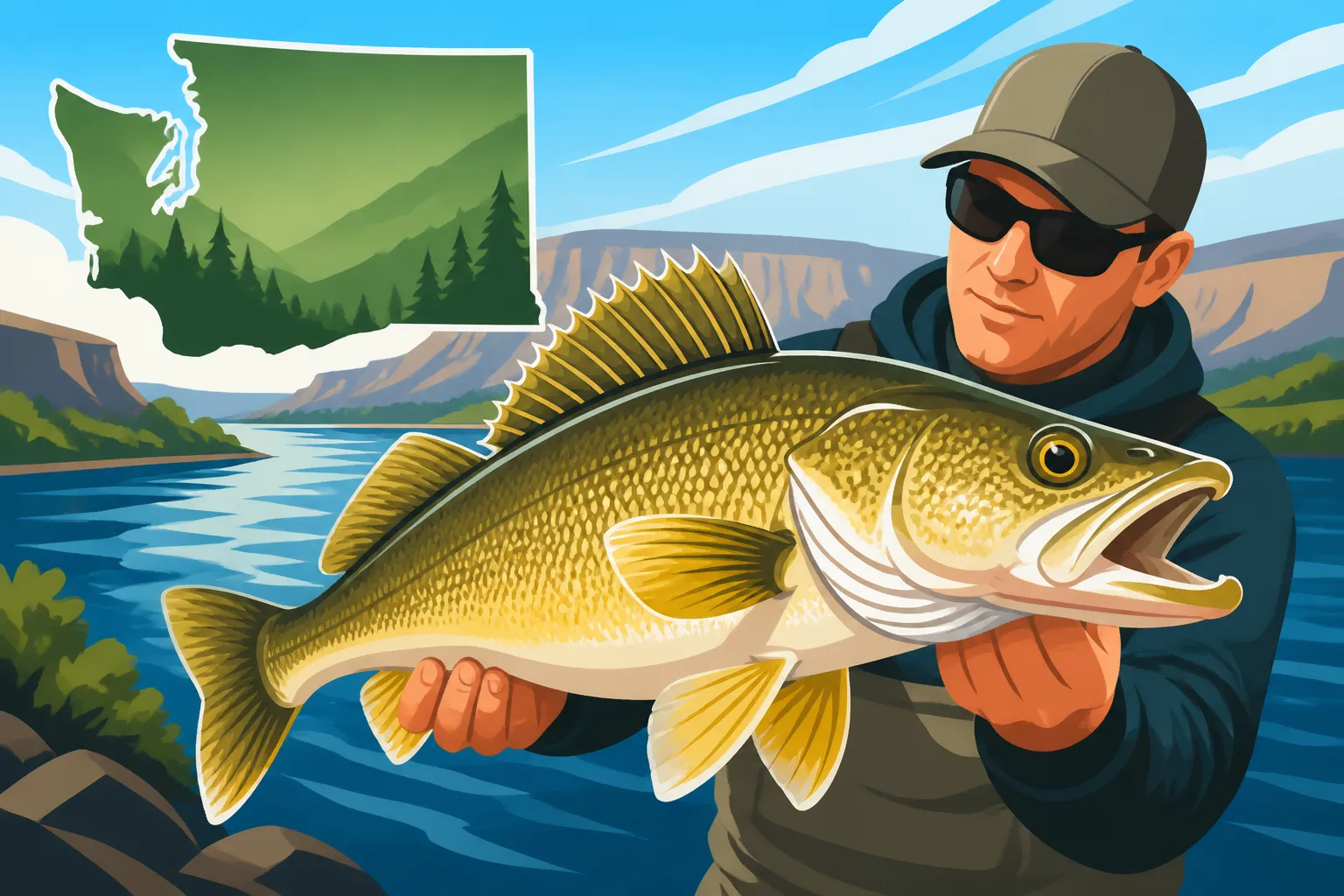
Now, for the really exciting part: the true giants. The Columbia River is renowned for producing trophy walleye that regularly push and exceed the 10-pound mark. These are the fish that dreams are made of, often stretching over 28 inches, and sometimes well into the low 30-inch range. Fish in this category are typically much older, having spent years gorging on the river's rich forage. A walleye of 8 pounds or more is generally considered a significant trophy, while anything over 10 pounds is truly exceptional and puts you in an elite class of anglers.
While specific state records fluctuate, it's not uncommon for Washington's walleye record to be a fish well over 15 pounds, sometimes even approaching 20 pounds! These behemoths are usually caught by anglers who specifically target them, often using larger baits or techniques designed to entice bigger fish. Landing one of these monsters requires patience, skill, and a bit of luck. The thrill of feeling that powerful head shake and seeing a massive walleye emerge from the depths is an experience that keeps anglers coming back to the Columbia year after year. For those aiming for such a prize, investing in a quality, sturdy landing net or lip gripper (you can find robust models on Amazon) is non-negotiable, as wrestling a double-digit walleye to the boat can be quite a challenge.
Here's a quick look at what you might generally expect when it comes to walleye sizes on the Columbia:
| Category | Typical Length Range (inches) | Typical Weight Range (pounds) | Notable Characteristics |
|---|---|---|---|
| Small/Eater | 14-18 | 1-2.5 | Abundant, great for frying, common catch |
| Good/Average | 18-22 | 2.5-5 | Strong fighters, excellent table fare, consistent action |
| Large/Trophy | 22-28 | 5-10 | Impressive size, powerful fight, highly sought after |
| Exceptional | 28+ | 10+ | Potential state record contenders, rare, lifetime fish |
What Makes a Walleye Grow Big: Key Contributing Factors
Several factors intertwine to dictate how large a walleye can ultimately become in the Columbia River. It's not just about luck; it's a complex interplay of biology, environment, and even how fishing pressure impacts the population. Understanding these elements can help you refine your approach and increase your chances of connecting with a larger specimen.
Age and Diet: The Building Blocks of Size
Just like humans, walleye need time and proper nutrition to grow to their maximum potential. Older walleye have simply had more seasons to feed, put on weight, and increase their length. In the Columbia, the abundance of high-protein forage means that walleye can grow at an accelerated rate compared to other, less productive fisheries. Juvenile salmon, steelhead smolts, and especially abundant shad provide a rich, consistent diet that allows these fish to develop thick bodies and long frames. Think of it like a bodybuilder's diet – constant access to high-quality protein makes a huge difference.
A walleye that lives for many years and consistently finds plenty of food will naturally become a much larger fish. This is why targeting areas known for holding older, larger fish, or fishing during seasons when larger forage is present, can be a smart strategy. For instance, focusing your efforts during the peak migration of a specific baitfish species might put you in front of more actively feeding, larger walleye. If you're looking for more details on specific techniques, you might find How to Fish for Walleye on the Columbia helpful. Keeping your bait presentation enticing to bigger, hungrier fish is key.
Fishing Pressure and Genetics
Fishing pressure also plays an interesting role in the size distribution of walleye. In heavily fished areas, smaller, more aggressive fish might be caught more frequently, leaving fewer individuals to reach trophy size. However, the Columbia River's immense size and diverse fishing opportunities often spread out pressure, allowing many fish to mature. Some sections of the river might see more attention, while others remain relatively undiscovered, harboring populations of larger, less pressured fish.
Genetics also contribute to a walleye's ultimate growth potential. While environmental factors are huge, some walleye are simply predisposed to grow bigger and faster due to their genetic makeup. These "super growers" are the fish that end up pushing the upper limits of the size spectrum. It's a combination of being in the right place (the Columbia River), at the right time (having plenty of food and ideal conditions), with the right genes, that produces those truly colossal walleye. While you can't control genetics, you can definitely focus on putting yourself in areas with less pressure and abundant forage to increase your odds. Knowing When Washington's Sport Fishing Seasons and Emergency Closures might apply to walleye fishing can also influence where and when you decide to cast your line, potentially helping you avoid crowded areas.
The Experience: Catching and Enjoying Columbia River Walleye
Beyond the statistics of length and weight, the experience of catching a Columbia River walleye, especially a big one, is what truly captivates anglers. These fish are not only a blast to catch but also provide some of the finest table fare available.
The Thrill of the Fight
Let me tell you, a Columbia River walleye, particularly one in the trophy class, delivers a fight that can be surprisingly powerful. They're often mistaken for other hard-fighting species due to their deep-water habits and robust bodies. When you hook into a larger walleye, you'll feel solid head shakes and strong, determined runs, especially in the swift currents of the Columbia. They're not always aerial acrobats like some salmon or trout, but their sheer power and refusal to give up until they're at the boat can be truly exhilarating.
The battle is often a game of tug-of-war, with the fish trying to use the current to its advantage and dig deep. This means you need stout enough gear to handle both the fish and the river itself. A good medium-heavy rod with a strong backbone and a reel with a smooth drag system are essential. The anticipation as you slowly gain line, wondering just how big the fish on the other end might be, is a huge part of the appeal. It's a truly engaging experience that builds incredible memories, especially when you finally get that magnificent, golden-eyed fish to the net.
Table Fare: Beyond Just Their Size
One of the greatest rewards of catching Columbia River walleye, regardless of whether it's an average eater or a respectable trophy, is their incredible quality as table fare. Walleye are widely considered one of the finest-eating freshwater fish, and those from the cold, clean waters of the Columbia are no exception. Their flesh is firm, white, flaky, and has a mild, sweet flavor that's hard to beat. There's very little "fishy" taste, making them a favorite even among those who are sometimes hesitant about eating freshwater species.
While the smaller to mid-sized walleye (the 16-22 inch range) are often preferred for their perfect portion sizes and ease of filleting, larger walleye also provide substantial, delicious fillets. Many anglers will keep a few "eater" sized fish and perhaps photograph and release the true giants to ensure the future of the fishery. Proper handling and immediate icing of your catch are crucial for maintaining that pristine flavor. Investing in a good cooler (you can find top-rated coolers and fish bags on Amazon) and a sharp fillet knife (there are many high-quality, durable fillet knives available on Amazon) will ensure your culinary experience is as good as your fishing experience. The enjoyment of a freshly caught, perfectly cooked walleye dinner after a day on the Columbia is truly the perfect cap to any fishing trip. For more on what species are good to eat, you might be interested in Best-Eating Fish in Washington Waters.
Disclaimer
This article is for general informational purposes only and does not constitute professional advice. Laws, prices and regulations vary by location and change over time. Consult a qualified professional for guidance on your specific situation.