What to Bring on a Washington Fishing Charter
Heading out on a Washington fishing charter is an incredible experience, but the excitement can quickly turn to anxiety when you start wondering, "What exactly do I need to bring?" It’s a common frustration, especially with Washington’s famously unpredictable weather and specific regulations. This guide is here to cut through the confusion and ensure you're perfectly prepared for a fantastic day on the water, whether you're chasing salmon in Puget Sound or halibut off Westport.
The Essentials: Documents and Money
When you’re heading out with a fishing charter in Washington, there are a few non-negotiable items that you absolutely cannot leave behind. These aren't just recommendations; they are legal necessities that will dictate whether you even get to drop a line. Missing one of these can mean watching your buddies fish while you sit dejectedly, or worse, facing a fine.
Your Washington Fishing License and Endorsements
Imagine driving to the airport, excited for your vacation, only to realize you left your passport at home. That's precisely the feeling of showing up to a charter without your fishing license. It's the most critical piece of paper—or digital proof—you need. Every angler, regardless of age (though there are exceptions for very young children and some seniors, so always check the current rules), needs a valid Washington fishing license. This isn't just about paying a fee; it's about contributing to the conservation efforts that keep our fisheries healthy and ensuring you're legally entitled to participate.
Beyond the basic license, you might need specific endorsements depending on where you're fishing and what you're targeting. For instance, if you plan to fish for salmon or steelhead in the mighty Columbia River, you'll need a Columbia River Salmon and Steelhead Endorsement. Similarly, if you dream of fishing with two rods in freshwater, the Two-Pole Endorsement is a must. Don't assume your charter will have extras; they can't legally provide them. Always double-check your license type and any necessary endorsements well in advance of your trip. You can find comprehensive information on acquiring these permits in our guide, Washington Fishing License Guide for Nonresidents. It’s easy to buy them online, or you can pick one up at a licensed dealer, but don't wait until the last minute.
The Washington Department of Fish and Wildlife (WDFW) has made it convenient to carry your license digitally on your phone through the MyWDFW app, or you can print a paper copy. Both are legally acceptable, but having a physical backup or a fully charged phone is always a smart move. Imagine your phone dying in the middle of a check by a WDFW enforcement officer – not ideal! For more details on carrying your license, check out Carrying Your Washington Fishing License: Paper, Phone or the MyWDFW App.
Identification and Cash for Incidentals
While your fishing license proves you're allowed to fish, a valid form of personal identification confirms who you are. Most often, this will be your driver's license or a state-issued ID card. This isn't just for purchasing your license (if you're doing it in person), but also for verifying your identity with WDFW officers or even with the charter captain, especially if there are any discrepancies or if you’re a nonresident. Always carry it with you, preferably in a waterproof wallet or secured pouch, distinct from your fishing license.
Cash, while less common in our increasingly digital world, is still king on a fishing charter. The most significant reason is for tipping your deckhand and captain. These hard-working individuals put in long hours, often starting well before dawn, to ensure you have a safe and successful trip. A customary tip, typically 15-20% of the charter fee, is a huge part of their income and a sign of your appreciation for their service – from baiting hooks and netting fish to filleting your catch and cleaning the boat. Don't forget that if you booked your trip through a platform like FishingBooker, the tip is almost always handled separately and isn't included in the initial booking fee.
Beyond tips, having a bit of cash on hand can be useful for unexpected incidentals. Maybe the charter offers some extra snacks or drinks for sale, or you want to grab a coffee at the dock before departure. Sometimes, fish processing services (like vacuum sealing or freezing beyond basic filleting) might be offered for a small cash fee. It's better to have it and not need it than to need it and not have it.
Your Catch Record Card (CRC): Don't Forget It!
If you're targeting salmon or steelhead in Washington waters, your fishing license is only half the battle. You also need a Catch Record Card (CRC). This isn't just a suggestion; it's a legal requirement designed to help WDFW track harvests and manage fish populations. Forgetting your CRC, or failing to properly fill it out, can result in significant fines and penalties. It’s essentially a logbook for your kept salmon and steelhead.
The moment you retain a salmon, steelhead, or halibut (and in some areas, sturgeon or Dungeness crab), you are legally obligated to immediately record it on your CRC. This means noting the species, date, and location (marine area or river section) before you do anything else – no waiting until you get back to the dock. This immediate recording ensures accuracy and prevents accidental over-harvesting. It also means you need a pen or pencil that works in wet conditions!
CRCs are often issued with your annual license, but you can also pick them up separately at license vendors. Just like your license, you need to have it physically on your person or accessible via the Fish Washington app on your phone. Even if you're on a charter and the crew helps with the catch, the responsibility for filling out your individual CRC falls squarely on you, the angler. Before your trip, take a moment to understand The Washington Catch Record Card and What It Requires and familiarize yourself with When a Catch Record Card Is Required in Washington so there are no surprises on the water.
Dress for Success: Layering for Washington Weather
Washington weather is famously unpredictable. You can start your day under brilliant sunshine and end it battling a cold, driving rain, sometimes all within the span of a few hours. When you're out on the water, exposed to the elements, proper clothing isn't just about comfort—it's about safety. Layering is your best friend.
The Art of Layering: Staying Warm and Dry
The golden rule for dressing in Washington, especially on a boat, is layering. This allows you to adapt to changing temperatures and conditions throughout the day. Think of it as three distinct components:
-
Base Layer: This is what goes directly against your skin. Its primary job is to wick moisture (sweat) away from your body to keep you dry. Synthetic materials like polyester or polypropylene, or natural fibers like merino wool, are excellent choices. Avoid cotton at all costs! Cotton absorbs moisture and holds it against your skin, making you feel cold and clammy even if the air temperature isn't that low. A good base layer helps regulate your body temperature, whether you're working up a sweat reeling in a big one or simply enduring a cold morning breeze.
-
Mid-Layer: This is your insulation layer, designed to trap warm air and keep you warm. Fleece jackets, wool sweaters, or insulated vests are perfect for this. Depending on the forecast, you might bring one thicker mid-layer or a couple of lighter ones for more versatility. If you're on a Puget Sound salmon charter in the dead of winter, you'll likely want a substantial mid-layer, perhaps even two, to stay comfortable for hours on end.
-
Outer Layer: This is your protective shell, and it needs to be both waterproof and windproof. On a boat, you'll inevitably encounter spray, rain, or both. A good quality fishing jacket and bib-style pants (or full rain pants) are essential. Look for materials like Gore-Tex or similar waterproof-breathable fabrics that keep the wet out while allowing some moisture from your body to escape. Even on a seemingly calm day, the wind created by the boat's movement can be chilling, so a windproof outer layer is crucial. Being wet and cold is a surefire way to cut your fishing trip short and make you absolutely miserable.
Footwear and Headwear: Protecting Your Extremities
Your feet and head are surprisingly important for regulating your overall body temperature, and they're also highly exposed on a boat. Neglecting them can lead to discomfort or even mild hypothermia.
For your feet, waterproof, non-slip boots are an absolute must. Deck boots, rubber boots, or even sturdy waterproof hiking boots will do the trick. The deck of a fishing boat is almost always wet, whether from fish slime, water spray, or cleaning. Slippery surfaces are dangerous, so good traction is paramount. Pair these boots with warm, moisture-wicking socks, again, preferably wool or synthetic. Having a spare pair of socks in a dry bag isn't a bad idea either, just in case your feet get soaked. Nothing is quite as miserable as cold, wet feet.
When it comes to headwear, consider bringing two options. A brimmed hat (like a baseball cap or sun hat) is great for sunny days to protect your face and neck from harmful UV rays, which are amplified by reflection off the water. On colder, windier, or rainy days, a warm beanie or stocking cap made of wool or fleece will make a huge difference in retaining body heat. Much of your body heat can escape through your head, so keeping it covered is vital for overall warmth. For some, a balaclava might even be appropriate if the weather is truly gnarly, especially on early morning ocean trips.
And don't forget your hands! While many charters provide gloves, having your own fingerless fishing gloves can offer warmth and grip while still allowing dexterity for tying knots or handling your reel. For truly cold or wet conditions, full waterproof gloves are a lifesaver.
Avoiding Seasickness: Proactive Measures
Seasickness is a real issue, and it can turn a dream fishing trip into a nightmare faster than anything else. It's often worse on ocean charters, like those heading out of Westport or Neah Bay for halibut or tuna, but even choppy Puget Sound waters can make some people queasy. The key is to be proactive, not reactive.
There are several over-the-counter medications that can help prevent seasickness, such as Dramamine or Bonine. These are most effective when taken before you board the boat, usually an hour or so beforehand. Read the instructions carefully, as some can cause drowsiness. Natural remedies like ginger (in capsules, chews, or ginger ale) also work for many people. Acupressure wristbands are another popular option. No single solution works for everyone, so if you're prone to motion sickness, it's wise to experiment with remedies before your trip, perhaps even on a ferry ride, to see what works best for you.
On the boat, try to stay on deck in the fresh air and focus on the horizon. Avoid going below deck or staring at your phone or a book. Stay hydrated with water or clear liquids, but avoid excessive alcohol, caffeine, or sugary drinks, which can dehydrate you or upset your stomach. Eat a light, non-greasy meal before you leave – a heavy, fatty breakfast is a recipe for disaster. If you start to feel unwell, let the crew know immediately; they often have tricks or can suggest a position on the boat that might help, usually amidship where the motion is least pronounced. Don't let pride ruin your day!
Gear and Gadgets: What to Bring (and What the Charter Provides)
One of the great advantages of booking a fishing charter is that the captain and crew typically provide all the necessary fishing gear. However, there are still a few personal items and gadgets that can significantly enhance your experience. Knowing what’s provided versus what you should bring is key.
Personal Tackle: When to Bring Your Own
For the vast majority of anglers, especially those new to charter fishing, you absolutely do not need to bring your own rod and reel or tackle. Charter boats are specifically outfitted with high-quality, properly rigged gear designed for the target species and local conditions. This gear is maintained by the crew, and they know exactly what works best. Using their equipment ensures consistency and often prevents issues that can arise from unfamiliar or inappropriate tackle. When you book a trip, for example, through FishingBooker, the listing usually specifies what's included.
However, if you are a seasoned angler with a strong preference for your own specific rod, reel, or lucky lure, you might consider bringing it. But here’s a crucial caveat: always, always clear this with your charter captain beforehand. Space on a boat can be limited, and they might have specific requirements for hook types (like barbless hooks for certain fisheries, as discussed in Barbless Hook Requirements on Washington Rivers) or line weights that your personal gear might not meet. Bringing your own gear without prior approval could lead to it being stowed away or, worse, not allowed on deck. If you're going after something specialized, like fly fishing for sea-run cutthroat with a specific setup, a dedicated fly fishing guide would be a better choice than a general charter.
Sun Protection: Beyond the Forecast
Even on a cloudy Washington day, UV rays can be intense, especially on the water where they reflect off the surface, effectively hitting you twice. Sunscreen is not optional. Choose a broad-spectrum, water-resistant sunscreen with an SPF of at least 30 and apply it generously to all exposed skin before you even leave the dock. Don't forget often-missed spots like the tops of your ears, neck, and the backs of your hands. Reapply every few hours, especially if you're sweating or getting wet.
Polarized sunglasses are another essential. They protect your eyes from harmful UV rays and, even better, they cut glare off the water, allowing you to see deeper into the water. This can be surprisingly helpful for spotting marine life, structure, or even seeing your line more clearly. Plus, they offer a layer of protection against rogue hooks or flying sinkers, though safety glasses are even better if you’re particularly concerned. Finally, don't forget lip balm with SPF to protect your lips from sun and windburn. A day of chapped lips is no fun.
Food, Drinks, and Snacks: Fueling Your Adventure
A day of fishing can be long and physically demanding, especially when battling a big fish. Keeping your energy levels up and staying hydrated is critical for comfort and focus. Most charters do not provide meals, though some might offer basic drinks or light snacks. Assume you need to bring your own.
Pack easy-to-eat, non-messy snacks and a hearty lunch. Think sandwiches, fruit, granola bars, nuts, and crackers. Avoid anything that requires extensive preparation or that's difficult to eat with one hand. As mentioned when discussing seasickness, fatty or overly sugary foods can sometimes exacerbate motion sickness, so opt for bland, easily digestible options if you're prone to queasiness.
Bring plenty of water and non-alcoholic beverages. Staying hydrated is key to warding off fatigue and seasickness. A small, personal cooler is perfect for keeping your food and drinks chilled, and most charters are happy to let you bring one aboard, provided it's not oversized and can be stowed safely. Just be mindful of space and don't bring a cooler designed for a week-long camping trip!
Comforts and Contingencies: Extras for a Better Trip
While licenses, proper clothing, and basic sustenance cover the necessities, a few additional items can significantly enhance your comfort, document your memories, and ensure a smooth experience from start to finish. These are the little extras that make a big difference.
Camera and Phone: Capturing Memories and Staying Connected
You're going to make some incredible memories on your Washington fishing charter, and you'll want to capture them! Your phone is likely your primary camera, so bringing it along is natural. However, boats and water are not friends to electronics. Invest in a waterproof case or a small dry bag for your phone. You'll thank yourself when that prize Chinook comes aboard and the boat is suddenly awash with excitement (and water).
Be mindful when using your phone. The deck can be slippery, and a phone slipping from wet hands is a quick way to lose it overboard. Consider a lanyard to keep it secure around your neck. A portable power bank is also a wise addition, as long hours of taking photos and being out of cellular range can drain your battery. Remember, the Fish Washington App can also serve as an electronic catch record card, so keeping your phone charged is extra important if you rely on that feature. While it's great to snap photos, try not to spend the entire trip glued to your screen; immerse yourself in the experience!
For serious photographers, a dedicated waterproof action camera like a GoPro can be fantastic for capturing dynamic footage of the action without risking your primary phone. Just ensure it's securely mounted or tethered.
Small Personal Bag: Keeping Essentials Accessible
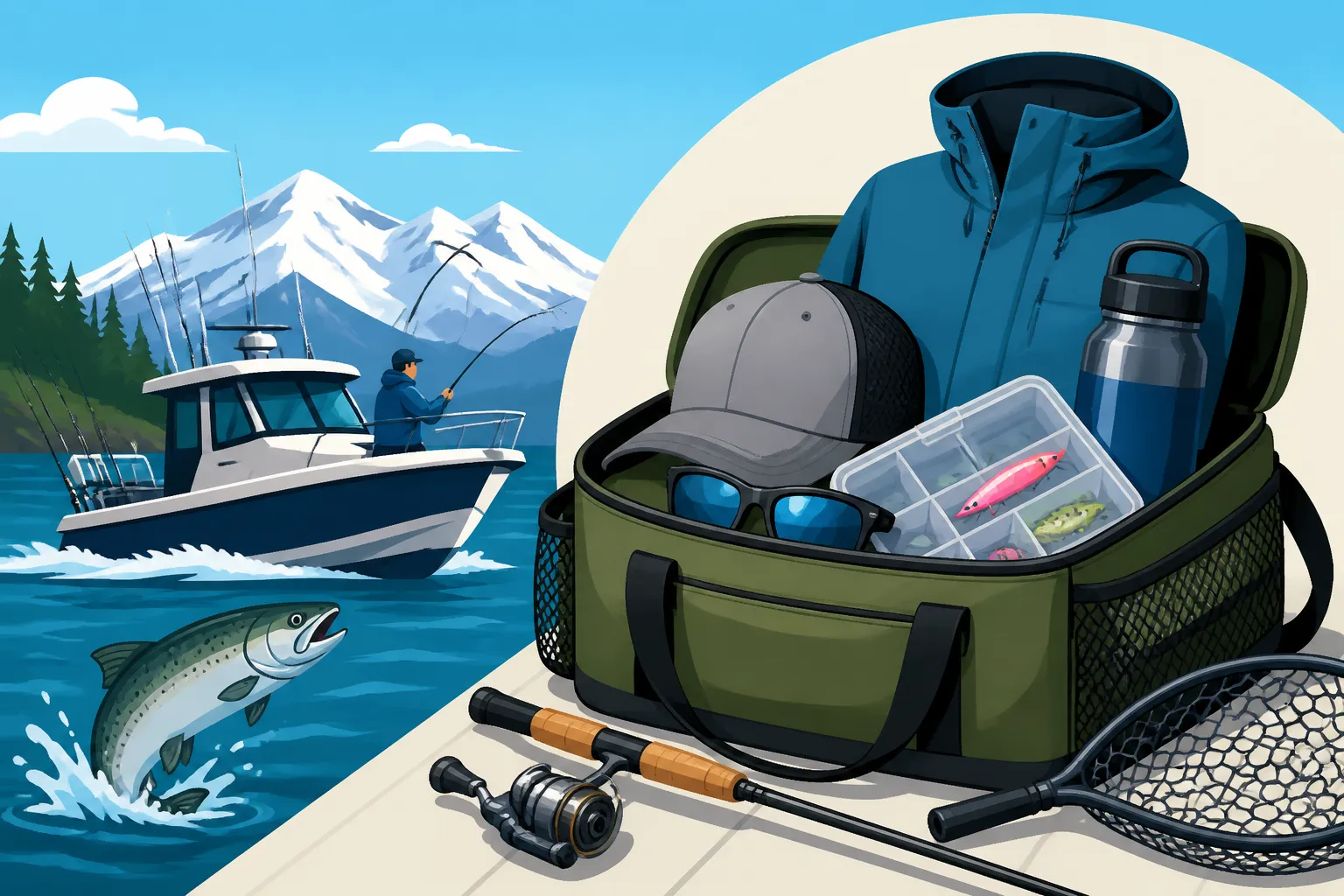
Rather than having various items scattered or buried in multiple pockets, a small, waterproof personal bag or dry bag is incredibly useful. This can hold your wallet, keys, phone, fishing license, CRC, any medications you need (like seasickness pills), a spare pair of gloves, and small snacks. The key here is small and waterproof. You want something that can be easily stowed out of the way, won't get soaked by spray, and allows you quick access to your essentials without rummaging.
A compact backpack or a sturdy shoulder bag made from marine-grade material is ideal. Many anglers opt for a roll-top dry bag, which offers excellent protection from water. This keeps your valuables secure and dry, preventing the frantic search for your license when a WDFW officer pulls alongside, or the panic of realizing your car keys are drenched.
Post-Trip Plans: Fish Processing and Transport
The moment of truth arrives when you've landed your limit (or even a single prize fish) and the trip is winding down. What happens next? Most charters will offer basic fish cleaning and filleting services, often for a small additional fee (remember that cash for incidentals!). The crew are usually experts at this, making quick work of your catch. Clarify with your captain beforehand what their service includes and if there's a charge.
Once your fish is filleted, you'll need a way to get it home. Bring a cooler filled with ice to leave in your vehicle. As soon as you step off the boat, transfer your fillets to this cooler. Proper chilling is crucial for maintaining the quality and freshness of your catch. If you have a long drive ahead, consider packing extra ice or even frozen gel packs.
For those traveling a significant distance or flying home, consider the logistics of transporting your catch. You might want to get your fish vacuum-sealed and frozen. Some marinas or charter operations offer this service, or you might find a local seafood processor. Flying with fish requires specific packaging to comply with airline regulations; generally, it needs to be frozen solid and packed in a leak-proof container like a soft-sided cooler within a hard-sided one. Read our detailed guides, How to Ship Fish Home From Washington and Can You Fly Home With Fish From Seattle?, for specific tips on preserving and transporting your hard-earned fillets.
Common Mistakes and How to Avoid Them
Even seasoned anglers can make mistakes, and when it comes to charter fishing in Washington, some slip-ups can range from annoying to trip-ending. Knowing what to avoid is just as important as knowing what to bring.
Forgetting Your License or CRC
This is, hands down, the biggest rookie mistake you can make. It's also the most frustrating because it's entirely preventable. We’ve already hammered this home, but it bears repeating: no license, no fishing. If a WDFW officer checks and you don't have a valid license and all necessary endorsements, you will be cited, and you won't be allowed to fish. The same goes for your Catch Record Card if you're targeting salmon or steelhead.
Imagine waking up early, driving to the dock, paying for your trip, and then being told you can't participate because you left a crucial document at home. It's a waste of money, time, and enthusiasm. To avoid this heartache, create a checklist and double-check it the night before and again before you walk out the door. Keep your license and CRC with your ID, perhaps in that small waterproof bag you packed. It's such a simple step that saves a world of trouble.
Underdressing for the Weather
Washington's climate is notoriously fickle. A sunny forecast at 6 AM can quickly turn into a chilly, drizzly, and windy afternoon. Being underdressed is a recipe for misery. Cold and wet anglers are not happy anglers, and they're certainly not effective anglers. Hypothermia, even mild forms, can creep up, affecting your judgment and motor skills.
The biggest culprit here is often cotton clothing. Cotton gets wet, stays wet, and rapidly wicks heat away from your body. Avoid cotton jeans, sweatshirts, and t-shirts as your primary layers. Instead, embrace the layering system with synthetics and wool. Always bring more layers than you think you'll need. You can always take off a jacket, but you can't magically conjure one up if you're shivering. Think about the conditions on a Puget Sound salmon charter in February versus a Westport halibut trip in August; the needs are vastly different, but layering remains paramount.
Not Communicating with Your Charter
Your charter captain and crew are there to help you have a great trip, but they can't read your mind. A lack of communication is a common source of minor frustrations or missed opportunities. Don't be shy about asking questions beforehand. This is particularly easy when booking through platforms like FishingBooker, where you can often message the captain directly.
Here are some things you should absolutely confirm before your trip:
- What's included in the price? Does it cover bait, tackle, and fish cleaning?
- What time exactly do we need to be at the dock? "Early morning" can mean different things to different people.
- What should I specifically bring? While this guide is comprehensive, captains sometimes have unique recommendations based on their vessel or recent conditions.
- What are their policies on seasickness? Do they have remedies on board, or prefer you take something beforehand?
- Are there any specific regulations I should be aware of for our target species or marine area? Rules can change quickly, as highlighted in Emergency Rule Changes: Why Washington's Rules Shift Mid-Season.
By asking these questions, you'll feel more prepared, the crew will appreciate your proactivity, and you'll minimize any unwelcome surprises. A well-informed angler is a happy angler.
| Category | Essential Items | Recommended Extras | What Charters Typically Provide |
|---|---|---|---|
| Documentation | Valid Washington Fishing License & Endorsements, Photo ID, Catch Record Card | Pen/Pencil (waterproof ink) | Nothing – Your responsibility |
| Clothing | Layered clothing (base, mid, waterproof/windproof outer), Waterproof non-slip boots, Warm socks, Brimmed hat & Warm beanie | Waterproof gloves, Neck gaiter, Spare socks | Some might have extra rain gear |
| Health & Safety | Seasickness medication (if prone), Personal medications | Small first-aid kit, Hand sanitizer | Basic first-aid on board |
| Personal Gear | Polarized sunglasses, Sunscreen, Lip balm with SPF, Small waterproof personal bag, Water/non-alcoholic drinks, Snacks/Lunch | Camera (waterproof case), Portable phone charger, Small cooler for food/drinks | Basic tackle (rods, reels, bait) |
| Post-Trip | Cooler with ice (for vehicle) | Bags for fillets | Fish cleaning/filleting (often extra fee) |
Disclaimer
This article is for general informational purposes only and does not constitute professional advice. Laws, prices and regulations vary by location and change over time. Consult a qualified professional for guidance on your specific situation.