What Happens If You Don’t Catch Anything on a Washington Charter
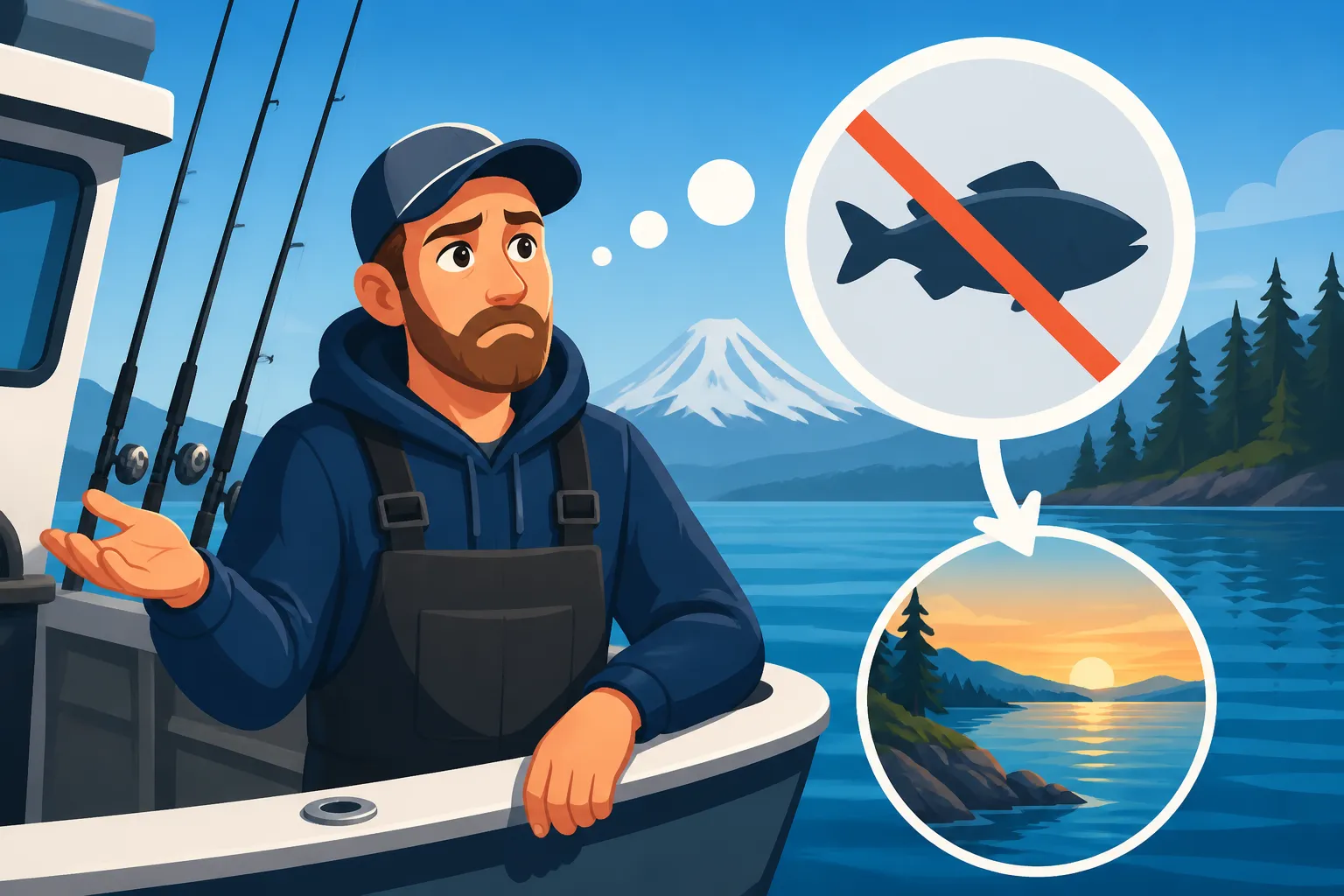
It’s a common worry for anyone booking a fishing charter in Washington: you've spent your hard-earned money, planned for weeks, woken up before dawn, and then, after hours on the water, you come back empty-handed. That feeling of disappointment can be a real damper on what should have been a fantastic day, and it’s a perfectly valid concern. This guide is here to walk you through what to expect if the fish aren't biting in Washington, what your charter likely covers (and doesn't), and how to make the absolute most of your trip regardless of the catch.
The Harsh Reality: Fishing Isn't a Guarantee
Let's face it, fishing is called "fishing," not "catching," for a reason. While Washington state boasts some incredible fisheries and world-class guides, the wild nature of the sport means there are no absolutes. It's easy to get swept up in the excitement of a potential trophy salmon or a boatload of halibut, but understanding that success isn't always measured in fillets is the first step to enjoying your time on the water.
Why Even the Best Guides Can Come Up Empty
Washington's fishing guides are professionals for a reason. They spend countless hours studying patterns, tides, currents, river flows, and fish behavior. They often have years, if not decades, of experience on specific waters, like Puget Sound for salmon or the Columbia River for steelhead. They invest in top-notch gear, maintain their boats meticulously, and work tirelessly to put you on fish. Yet, even with all this expertise, there are days when the fish simply aren't cooperating. It could be a sudden weather change, an unexpected shift in water temperature, or a million other subtle factors that make the bite turn off. A guide's job is to maximize your chances, not to guarantee a specific outcome. Think of them as expert navigators through a complex, ever-changing environment.
The Factors Beyond Anyone's Control
Many elements influence a fishing trip's success, and most of them are entirely out of human hands. We're talking about Mother Nature here. For instance, an unexpected emergency rule change from the Washington Department of Fish and Wildlife (WDFW) can suddenly close a prime fishing area or restrict gear, completely altering a planned trip. Emergency Rule Changes: Why Washington's Rules Shift Mid-Season covers just how unpredictable these can be. Water levels on rivers can rise or fall dramatically with rainfall or dam operations, affecting fish migration and where they hold. Ocean conditions, like heavy swells or thick fog, might make it impossible to reach offshore halibut grounds, or even just make it too uncomfortable to fish effectively. Then there's the fish themselves: they might be holding deeper, spread out more than usual, or simply not in a feeding mood. They don't check the calendar or your booking confirmation!
Charter Policies: Understanding the Fine Print
When you book a fishing charter, you're entering into an agreement for a service, not a guarantee of fish. Knowing what that service entails, and what happens if things don't go according to plan, is crucial. It saves a lot of headaches later on.
Catch Guarantees: Fact vs. Fiction
Let's be blunt: legitimate, ethical Washington fishing charters generally do not offer "catch guarantees" in the sense that you get a full refund if you don't land a fish. If a guide offers this, it should raise a red flag. Why? Because it's impossible to guarantee a wild animal. What reputable charters do guarantee is that they will provide a safe, equipped boat, experienced guidance, proper gear, and their best effort to put you on fish. They guarantee the opportunity to fish, not the fish itself. They will work diligently, move spots if necessary, change tactics, and use their knowledge to maximize your chances. That's the core of their service. Many bookings, whether directly or through platforms like FishingBooker, will clearly state this in their terms and conditions.
Refund and Reschedule Options for No Catch
If the fish aren't biting, the vast majority of Washington charters do not offer refunds solely for a lack of fish. You've paid for the guide's time, expertise, boat, fuel, and gear for the duration of the trip. However, there are specific situations where refunds or rescheduling might be on the table.
- Weather Cancellations: This is the most common reason for a charter to be cancelled or rescheduled. If the guide deems conditions unsafe or unfishable (e.g., high winds, severe storms, dangerous swells), they will often offer to reschedule your trip or provide a refund if rescheduling isn't possible. This is for your safety and the quality of the experience. It's a good idea to review What Happens If Weather Cancels a Washington Charter? before you book.
- Mechanical Issues: While rare with well-maintained boats, mechanical breakdowns can happen. If a charter has to be cut short or cancelled due to equipment failure on the guide's part, a partial or full refund or rescheduling is usually offered.
- Emergency Closures: Sometimes, WDFW will issue an in-season emergency closure for a specific area or species. If this closure impacts your scheduled trip, the guide will typically work with you to find an alternative date, target a different species in an open area, or provide a refund if no suitable alternative can be found. Keep an eye on Washington Sport Fishing Seasons and Emergency Closures as your trip approaches.
It's vital to discuss these possibilities upfront. A reliable charter will have clear Cancellation Policies for Washington Charters outlined, and you should make sure you understand them before committing.
What You Should Ask Before Booking
To avoid surprises, don't hesitate to ask these questions when you're looking to book a Washington fishing charter, whether you're calling a guide directly or using a service like FishingBooker:
- "What is your policy if we don't catch any fish?"
- "What happens if the weather is bad on our scheduled day?"
- "Are there any specific situations where a refund or reschedule would be offered?"
- "What fishing methods do you typically use, and how do you adapt if the bite is slow?"
- "What species will we be targeting, and what are the realistic expectations for a catch on those dates?"
Getting these answers in advance helps manage your expectations and confirms you're dealing with a transparent operation. How to Vet a Washington Fishing Guide has even more great questions to help you choose wisely.
The Value Beyond the Fish in the Cooler
Even if the fish aren't jumping into the boat, a Washington fishing charter offers a wealth of experiences and benefits that go far beyond just putting meat on the table. It's about the adventure, the scenery, and the knowledge gained.
The Experience of Being on the Water
Imagine this: you're out on the vast expanse of Puget Sound, the Olympic Mountains rising majestically in the distance, or drifting down a pristine river like the Skagit, surrounded by towering evergreens. The crisp Washington air, the sound of the gulls, the gentle rocking of the boat – these are all parts of the experience you paid for. You get to see parts of Washington's incredible natural beauty that you wouldn't otherwise. Maybe you'll spot an eagle soaring overhead, seals curiously popping up near the boat, or even an orca pod breaching in the distance. These moments are priceless, creating memories that last long after any fillets are eaten. Many anglers find immense peace and satisfaction just being immersed in nature, regardless of the rod tip bending.
Learning and Skill-Building Opportunities
A good guide isn't just a boat driver; they're a teacher. They're there to share their knowledge and passion for fishing. Even on a slow day, you can learn invaluable lessons:
- Technique: How to properly bait a hook, set a downrigger, read a fish finder, or execute a perfect cast.
- Gear: Understanding different lures, baits, and tackle, and when to use them.
- Conservation: Learning about Washington's complex regulations, catch-and-release practices, and the importance of ethical angling. For instance, understanding Slot Limits and Why Some Fish Must Go Back is crucial for the health of fish populations.
- Local Knowledge: Gaining insights into specific fishing grounds, seasonal patterns, and what makes certain areas, like Fishing the Columbia River in Washington: A Complete Overview, so productive.
Take advantage of your guide's expertise. Ask questions! Engage with them. You're essentially paying for a hands-on fishing clinic tailored to your interests. You'll likely leave a much more informed and capable angler, even if your cooler is lighter than hoped.
Memories Made, Even Without a Trophy
The stories you tell your friends and family won't always be about the biggest fish you caught, but often about the crazy things that happened, the beautiful scenery, or the camaraderie shared. A day on the water with loved ones, soaking in the Washington landscape, is a memory in itself. Sometimes, the most memorable trips are the challenging ones where you had to work for every bite, or where an unexpected wildlife encounter stole the show. Even if no fish makes it to the dinner plate, the shared experience of the chase, the anticipation, and the time spent together are worth their weight in gold.
Here’s a quick overview of what to expect from Washington charter policies:
| Aspect | Typically Guaranteed | Not Guaranteed (but often sought) |
|---|---|---|
| Boat & Crew | Safe, licensed boat; experienced, licensed captain | Specific boat model or crew member |
| Equipment | Rods, reels, tackle, bait/lures (often included) | Landing a fish with every cast; specific gear brands |
| Effort | Guide's best effort, knowledge, and experience | Catching a limit; specific size of fish |
| Safety | Compliance with safety regulations, safety equipment | Perfect weather; absence of seasickness |
| Refunds/Reschedules | For guide-initiated cancellations (weather, mech. issues) | For lack of fish caught; personal change of plans |
| Experience | Time on the water, scenic views, guidance, instruction | The "trophy shot" photo; immediate success |
Minimizing Disappointment and Maximizing Your Enjoyment
While you can't control the fish, you can certainly control your approach to booking and experiencing a Washington fishing charter. A little preparation and a flexible mindset go a long way.
Choosing the Right Charter and Time of Year
Doing your homework before you book is probably the single most effective way to manage expectations. Different charters specialize in different species and fishing styles. If you're dead-set on Chinook salmon, make sure you're booking during the peak When Chinook Salmon Run in Washington's Puget Sound season for that area. If it's steelhead you're after, target the right rivers and months, perhaps consulting a guide who specializes in Drift Fishing for Steelhead in Washington Rivers.
Consider using platforms like FishingBooker to compare different guides, read reviews, and see what past clients say about their experiences, especially regarding communication and effort. Look for guides who are transparent about what's included in What's Included in a Washington Puget Sound Salmon Charter and what isn't, and who openly discuss the current fishing conditions rather than making grand promises. Sometimes, paying a little more for a highly-rated, experienced guide can increase your chances of success, even if it doesn't guarantee fish. For instance, if you're a beginner, look for a charter specifically labeled as Finding a Guide for Beginners in Washington or Family-Friendly Fishing Charters in Washington.
Setting Realistic Expectations for Your Trip
This is perhaps the most important tip. Go into your Washington fishing trip with the mindset that you are paying for the experience of being on the water with a knowledgeable professional, rather than a guaranteed cooler full of fish. If you catch fish, that's a fantastic bonus and the cherry on top. If you don't, you've still had a day out in nature, learned something new, and made some memories.
Understand that fishing conditions can change rapidly. Check recent fishing reports, but don't obsess over them. Sometimes, what was hot yesterday is cold today. Be prepared for a day where you might not get many bites. Patience is a virtue in fishing, and it's a quality that will serve you well, even when the fish aren't cooperating.
Making the Most of a Slow Day
So, the fish aren't biting. What now? Don't let it ruin your day!
- Learn from your guide: This is your prime opportunity to ask questions, observe techniques, and pick up tips. "Why did you choose this spot?" "What would you normally do if the fish were here?" "What gear is best for this type of current?" Their answers will make you a better angler for your next trip, whether guided or DIY.
- Enjoy the scenery: Look around! Washington's natural beauty, whether it's the Puget Sound islands or the towering trees along a coastal river, is breathtaking. Take photos, breathe in the fresh air, and appreciate being disconnected from daily stresses.
- Socialize: If you're on a shared charter, chat with your fellow anglers. Share stories, tips, and build camaraderie. You might make a new fishing buddy!
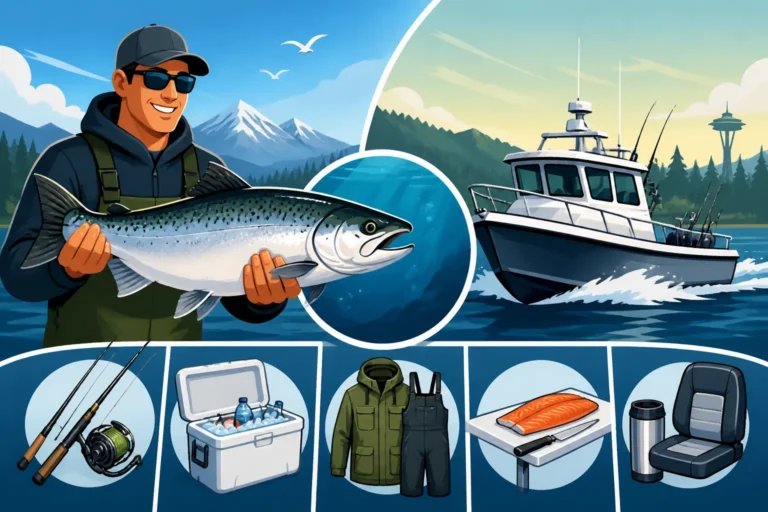
- Be prepared: Ensure you have the right clothing, snacks, and drinks to stay comfortable, regardless of the fishing action. What to Bring on a Washington Fishing Charter is a great resource. Comfort helps maintain a positive attitude, even if the fish aren't cooperating.
- Consider a different species: Sometimes, if the primary target isn't biting, the guide might have an alternative plan. Perhaps a different type of trout or bottomfish is more active. Be open to these suggestions; it’s another chance to experience Washington’s diverse fisheries.
Ultimately, a Washington fishing charter is an investment in an experience. While we all dream of limits and trophy fish, the true value often lies in the journey, the lessons learned, and the sheer joy of being out on the water.
Disclaimer
This article is for general informational purposes only and does not constitute professional advice. Laws, prices and regulations vary by location and change over time. Consult a qualified professional for guidance on your specific situation.