How to Vet a Washington Fishing Guide
Finding the right fishing guide in Washington can feel like navigating a maze, especially with so many options promising the trip of a lifetime. It’s easy to get overwhelmed trying to figure out who’s legitimate, experienced, and genuinely cares about your experience beyond just taking your money. This comprehensive guide will walk you through exactly how to vet a Washington fishing guide, ensuring you make an informed decision and set yourself up for an incredible day on the water.
Why Vetting a Fishing Guide Matters
Booking a fishing guide in Washington is more than just scheduling a boat ride; it's an investment in an experience, a memory, and hopefully, a successful day of fishing. Without proper vetting, you risk not only wasting your hard-earned money but also potentially putting your safety and enjoyment on the line.
Protecting Your Investment
Let's be honest, guided fishing trips aren't cheap. You're paying for expertise, equipment, local knowledge, and the convenience of not having to worry about all the details yourself. Imagine showing up, excited for that trophy salmon or steelhead, only to find a guide who's unprepared, lacks the right gear, or seems more interested in rushing through the day than ensuring you have a good time. That's a significant financial hit for a subpar experience. Vetting a guide helps protect this investment, ensuring you get the value you expect and deserve. It means you're more likely to spend your day with someone who is passionate about putting you on fish and making sure every moment counts, rather than just going through the motions.
Beyond the monetary aspect, your time is also an investment. Many folks travel a considerable distance, take time off work, or plan entire vacations around a guided fishing trip. To have that precious time ruined by an unprofessional or inexperienced guide is a real disappointment. A thorough vetting process minimizes these risks, ensuring that your valuable time is spent making positive memories instead of regretting your booking choice. It's about securing peace of mind and confidence in your adventure before you even cast a line.
Ensuring a Safe and Enjoyable Trip
Safety should always be paramount when you're out on the water, whether you're on a river, a lake, or Puget Sound. A good guide isn't just a fishing expert; they're also a skilled boat operator, a safety officer, and often, a first responder. They understand the nuances of the local waters, the ever-changing weather patterns, and how to handle emergencies, from a sudden squall to a hook embedded in a hand. An unvetted guide might cut corners on safety equipment, lack proper training, or simply be unaware of potential hazards in unfamiliar waters.
Beyond safety, the enjoyment factor is huge. A truly great guide is also a great host. They understand how to interact with different personalities, how to make beginners feel comfortable, and how to keep spirits high even if the fish aren't biting immediately. They share stories, offer tips, and create a positive atmosphere. Conversely, a guide who is grumpy, uncommunicative, or clearly burned out can quickly sour the experience, even if you do catch a few fish. Vetting helps you find someone who is not only skilled but also personable and genuinely dedicated to making your day fun and memorable.
Maximizing Your Chances of Success
While no guide can guarantee fish (that's just fishing!), a skilled and experienced guide significantly increases your odds of success. They spend hundreds, if not thousands, of hours on the water each year, constantly learning the patterns, movements, and preferences of the target species. They know the subtle seams on a river where steelhead hold, the deep structure in Puget Sound where lingcod hide, or the exact depth kokanee are schooling in Lake Chelan. This hyper-local knowledge is invaluable.
An experienced guide also understands the right gear, bait, and techniques for current conditions. They'll know when to switch from plugs to bait, when to go lighter on the leader, or when to move to a different spot entirely. They’ve seen it all and can adapt on the fly, saving you precious fishing time. Without this expertise, you might spend your day in unproductive water, using the wrong setup, and ultimately missing out on opportunities. Vetting helps ensure you're hiring someone with the proven track record and deep understanding necessary to give you the best possible chance at hooking into the fish you're dreaming of.
Essential Credentials and Licenses
In Washington, like anywhere else, fishing guides operate under specific regulations designed to ensure safety, professionalism, and conservation. Understanding these requirements is your first step in weeding out unqualified individuals from legitimate, responsible guides. Never hesitate to ask for proof of these credentials.
Washington State Guide Licensing
Any individual operating as a fishing guide in Washington State is generally required to possess specific state-issued licenses or endorsements. This isn't just a suggestion; it's a legal mandate to protect both the anglers and the resource. These licenses often include a base fishing license with a guiding endorsement, signifying that the individual has registered their commercial guiding operation with the state. This means they are on record and accountable to Washington's Department of Fish and Wildlife (WDFW).
A legitimate guide should be able to readily provide proof of their current Washington State guide license. This isn't just about legality; it indicates they've met baseline requirements and are operating within the established framework. This is a non-negotiable item, and if a guide seems evasive or unable to produce this, it's a major red flag. This also ensures they are familiar with Washington Fishing Regulations Every Angler Should Know and other critical rules.
Federal and Coast Guard Requirements
If your fishing adventure takes you onto certain navigable waters, specifically the larger rivers, estuaries, or Puget Sound, your guide will likely need federal licensing from the U.S. Coast Guard (USCG). This is particularly true for guides operating boats with paying passengers on waters designated as "navigable" by the federal government. These licenses, such as an Operator of Uninspected Passenger Vessels (OUPV) license, commonly known as a "Six-Pack" license, or higher Master's licenses, require extensive training, rigorous exams, and often drug testing and background checks.
A USCG licensed captain understands maritime law, navigation, boat handling, and emergency procedures far beyond what a state license might cover. For instance, any guide running trips for salmon in Puget Sound Salmon Closures: What Washington Anglers Need to Know or bottom fishing off Westport will almost certainly need this federal credential. This higher level of certification offers an additional layer of assurance regarding the guide's competency and safety knowledge on larger, more complex bodies of water. Always ask if they are USCG licensed, especially for saltwater or big river trips.
Insurance and Safety Certifications
Beyond licenses, a professional guide carries appropriate liability insurance. This is crucial for protecting both the guide's business and, more importantly, you as the client, in the event of an accident or unforeseen incident. A reputable guide will have this in place and won't hesitate to confirm it. If a guide is uninsured, it leaves you vulnerable if something goes wrong, making it a serious risk.
Furthermore, look for guides who have current certifications in First Aid and CPR. While we all hope for an incident-free day, accidents can happen quickly, even on the calmest water. Knowing that your guide is trained to handle medical emergencies provides immense peace of mind. Some guides even go a step further, obtaining advanced wilderness first aid or swiftwater rescue certifications, especially if they operate in remote river environments. These certifications demonstrate a commitment to client safety that goes above and beyond, indicating a truly professional operation. Don't be shy about asking about these critical safety measures; it shows you're a discerning client who values your well-being.
Researching a Guide's Reputation and Experience
Once you've confirmed a guide has the necessary paperwork, the next crucial step is to dig into their reputation and practical experience. A license is a bare minimum; a stellar reputation and deep experience are what truly set exceptional guides apart.
Online Reviews and Testimonials
In today's digital age, online reviews are a goldmine of information when you're looking to book a service like a fishing guide. Start by searching the guide's name or their business name on platforms like Google Reviews, Facebook, Yelp, and specialized fishing charter booking sites such as FishingBooker. Pay attention not just to the star ratings, but also to the content of the reviews. Are clients consistently praising their professionalism, their patience, their ability to find fish, and their overall demeanor? Or do you see recurring complaints about tardiness, poor communication, or a lack of effort?
Look for patterns in the feedback. A few isolated negative reviews might just be a disgruntled client, but a consistent theme of criticism is a red flag. Conversely, a long history of glowing reviews, especially those that mention specific positive experiences or consistently high catch rates, speaks volumes. These testimonials often offer insights into the guide's personality and guiding style, which can be just as important as their fishing prowess. Take your time reading through these, as they provide an unfiltered look at what you can expect on the water.
Years of Experience and Local Expertise
A guide’s longevity in the business often correlates directly with their skill and reliability. Someone who has been guiding for many years has weathered different fishing conditions, adapted to changing regulations, and built up an intimate knowledge of the local waterways and fish behaviors. Ask about their guiding history: how long have they been guiding specifically in Washington, and more importantly, in the particular area or for the species you're interested in? For example, a guide with a decade of experience on the Cowlitz River for steelhead will likely be more successful than someone new to the area.
Local expertise is paramount in Washington, where fishing conditions can vary wildly from one river system to the next, or from one marine area to another. A guide who specializes in Fishing the Columbia River in Washington: A Complete Overview will have a different skill set and knowledge base than one focused on Washington's San Juan Islands for Salmon and Lingcod. Ensure their claimed expertise aligns with the type of trip you want. They should be able to articulate why certain techniques work best in certain areas and demonstrate a deep understanding of the unique challenges and opportunities of those specific waters. Don't just ask about general "Washington fishing"; inquire about their specific local knowledge for your target species and location.
References and Word-of-Mouth
Before the internet made reviews ubiquitous, word-of-mouth was the ultimate endorsement for a fishing guide, and it still holds incredible weight today. If you know friends, family, or fellow anglers who have fished with guides in Washington, ask for their recommendations. Personal referrals often provide a level of trust and insight that online reviews sometimes lack. A friend can tell you about a guide's personality, how they handle tough days, and what makes them truly special.
Don't hesitate to ask the guide directly for references, especially if you're considering a higher-end or multi-day trip. A confident and reputable guide will often be happy to put you in touch with past clients who can share their experiences. When you speak to references, ask specific questions about the guide's professionalism, their ability to teach, the condition of their gear, and whether the trip met their expectations. This direct feedback can be incredibly valuable in making your final decision, helping you understand How to Book a Fishing Charter in Washington effectively.
What to Ask Before You Book
You’ve done your initial research, and you’ve narrowed down a few potential guides. Now it’s time to pick up the phone or send that email. Asking the right questions upfront can clarify expectations, prevent misunderstandings, and help you gauge a guide’s professionalism and suitability for your trip.
Trip Details and Inclusions
This is where you clarify exactly what you're paying for and what you need to bring. Don't assume anything! Start with the basics: What's the duration of the trip (half-day, full-day)? What time does it start and end? Where do you meet? Understanding the logistics from the outset prevents any confusion on the morning of your trip. You want to make sure the guide’s schedule aligns with yours and that the meeting point is convenient or at least clearly communicated.
Next, inquire about what's included in the price. Will the guide provide all the necessary fishing gear, such as rods, reels, bait, and tackle? Many guides do, but some might expect you to bring your own, especially for specialized techniques like fly fishing. It's also vital to ask about safety equipment, life jackets, and any other amenities like drinks or snacks. Knowing What to Bring on a Washington Fishing Charter is essential, and your guide should be transparent about what they provide versus what you're responsible for. If you're going after a specific species, confirm they have the appropriate gear for it.
Catch Policies and Expectations
It’s important to have a clear understanding of the guide's philosophy on catching fish and what happens once fish are caught. Are they primarily a catch-and-release operation, or do they encourage keeping fish within legal limits? Many anglers travel to Washington with the dream of taking home fresh salmon or halibut, so clarifying this is crucial. Ask about How Bag and Possession Limits Work in Washington for your target species, and confirm that the guide adheres strictly to these regulations.
Beyond catching, inquire about fish processing. Will the guide clean and fillet your catch, or is that your responsibility? Some guides offer this as a complimentary service, while others may charge an additional fee or expect you to handle it yourself, perhaps providing a location where you can do so. If you plan to fly home with your fish, ask if they offer any services or advice on packaging your catch for travel. Having these details sorted beforehand ensures there are no surprises or disappointments at the end of what you hope will be a successful day.
Contingency Plans and Cancellations
Washington weather is famously unpredictable, and mechanical issues can arise unexpectedly. A professional guide will have clear policies in place for these situations. Ask about their cancellation policy: what happens if severe weather makes the trip unsafe? Will you get a refund, or can you reschedule? Understanding Cancellation Policies for Washington Charters before you book is non-negotiable. Don't wait until the last minute to find out you've lost your deposit because of a sudden storm.
Also, ask about their plan if a mechanical issue arises with the boat or vehicle. Do they have a backup plan or another boat? While rare, these things happen, and a good guide will have contingencies in place to minimize disruption to your trip. Finally, consider asking about their "no fish" policy. While no guide can guarantee fish, some might offer a discount on a future trip or have a policy for particularly slow days. While not common, it can be a sign of a guide who genuinely cares about client satisfaction beyond just the financial transaction.
Understanding the Guide's Style and Focus
Every fishing guide has their own unique personality and approach to their craft. To ensure you have the best possible experience, it's worth digging a little deeper into their guiding style and what truly drives them on the water. This helps align their approach with your own preferences and expectations.
Guiding Philosophy and Approach
Do you prefer a guide who is an active teacher, patiently explaining techniques and offering constant pointers? Or do you lean towards someone more hands-off, letting you figure things out with minimal intervention? Some guides are high-energy, constantly moving to find the next bite, while others are more laid-back, enjoying the scenery and the calm of the water. There’s no right or wrong answer here, but it’s crucial to find a guide whose philosophy matches your personal style.
Ask the guide how they approach a typical day. Do they prioritize getting clients on fish at all costs, or do they value the overall experience, including the natural beauty and the learning aspect? If you're a complete beginner, a guide who enjoys teaching and is patient with novices will be a far better fit than one who expects you to be proficient with a rod. Conversely, if you're an experienced angler looking to refine specific techniques, you'll want a guide who can offer advanced tips and insights. Understanding their approach ensures you're both on the same page about the rhythm and goals of the day.
Target Species and Techniques
Washington offers an incredible diversity of fishing opportunities, from salmon and steelhead in rivers and Puget Sound to trout in high mountain lakes, and bottomfish and halibut on the coast. No single guide is truly an expert in everything. While some guides are versatile, many specialize in specific species or fishing techniques. It's essential to ensure your chosen guide's specialization aligns with your fishing goals.
For example, if your dream is to catch a giant Chinook salmon, you'll want a guide known for Chinook Salmon: Washington's King of Fish expertise, not someone who primarily targets trout. If you're keen on fly fishing the Yakima River, you need a guide with proven experience and gear for Fly Fishing Washington's Rivers and Lakes there, not a conventional gear guide. Ask them what species they primarily target and what techniques they excel at. This prevents the disappointment of showing up for a salmon trip with a guide who only really knows how to catch panfish. It’s about finding the right specialist for your particular angling ambition.
Boat, Gear, and Tackle
The condition and suitability of a guide's equipment speak volumes about their professionalism and commitment to their clients. While you don't need to be a boat mechanic, it's perfectly reasonable to inquire about their vessel and gear. Ask about the type of boat they run – is it comfortable, safe, and appropriate for the waters you'll be fishing? For river trips, a sturdy drift boat or jet sled is essential. For saltwater, a well-maintained ocean-going vessel is critical.
Beyond the boat, consider the fishing tackle. Are the rods and reels well-maintained and up-to-date? Are they high-quality and suitable for the species you're targeting? A good guide takes pride in their equipment, ensuring it's in top working order to maximize your chances of success and minimize frustrating gear failures. Don't hesitate to ask about their standard setup or if they have specific preferences. This also ties into asking Do Charters Provide Rods and Tackle?. The guide should be transparent about the quality and maintenance of their gear, as it directly impacts your comfort and your ability to land fish.
The Booking Process and What to Expect
Once you’ve done your homework and found a guide who seems like a perfect fit, the final steps involve understanding the booking process itself. A clear, professional booking experience sets the tone for a well-organized and enjoyable fishing trip.
Communication and Professionalism
The way a guide communicates with you during the initial inquiry and booking phase is a strong indicator of their overall professionalism. Do they respond promptly to your calls or emails? Are their answers clear, concise, and helpful? Or do you find yourself waiting days for a vague response, or struggling to get direct answers to your questions? Good communication is paramount, especially when coordinating travel, payment, and pre-trip details.
A professional guide will provide all the necessary information in an organized manner, perhaps with a clear booking form or confirmation email outlining all the details discussed. They should be patient with your questions and make you feel confident and excited about your upcoming trip. If you experience poor communication or a lack of professionalism during this initial stage, it's often a red flag for what the actual trip might entail. Trust your gut instinct here; if something feels off, it probably is.
Deposit, Payment, and Tipping
Before solidifying your booking, make sure you thoroughly understand the guide's payment structure. Most guides require a deposit to secure your date, with the balance due on the day of the trip. Clarify the amount of the deposit, whether it's refundable under certain conditions, and what payment methods they accept for both the deposit and the final payment. Some guides prefer cash for the balance, while others might take cards or digital payments. Knowing these details in advance helps avoid awkward moments on the water.
Furthermore, discuss tipping etiquette. While entirely at your discretion, tipping your guide is customary and greatly appreciated, especially for a job well done. Ask about Tipping Etiquette for Washington Fishing Guides if you're unsure, or clarify what they typically expect. A professional guide won't pressure you but can offer guidance. Having a clear understanding of all financial aspects upfront ensures a smooth transaction and allows you to budget properly for your adventure. Remember, a good guide earns their tip through hard work, expertise, and creating a fantastic experience.
Pre-Trip Communication
A truly excellent guide doesn't just take your booking and disappear until the day of the trip. They engage in proactive pre-trip communication to ensure you're fully prepared and that the trip has the best chance of success. This might include sending out a detailed email a few days prior with current weather forecasts, specific meeting instructions, what fishing license you'll need (Do You Need a License Before a Washington Charter Trip?), and a reminder of what to bring.
They might also call to discuss current fishing conditions, potential changes in target species due to unexpected closures or runs, or to answer any last-minute questions you might have. This level of attentiveness demonstrates that the guide is thinking ahead and actively working to make your trip successful and hassle-free. It’s another sign of a guide who genuinely cares about their clients and strives for excellence in every aspect of their service. This proactive approach should build your confidence and excitement for the adventure ahead.
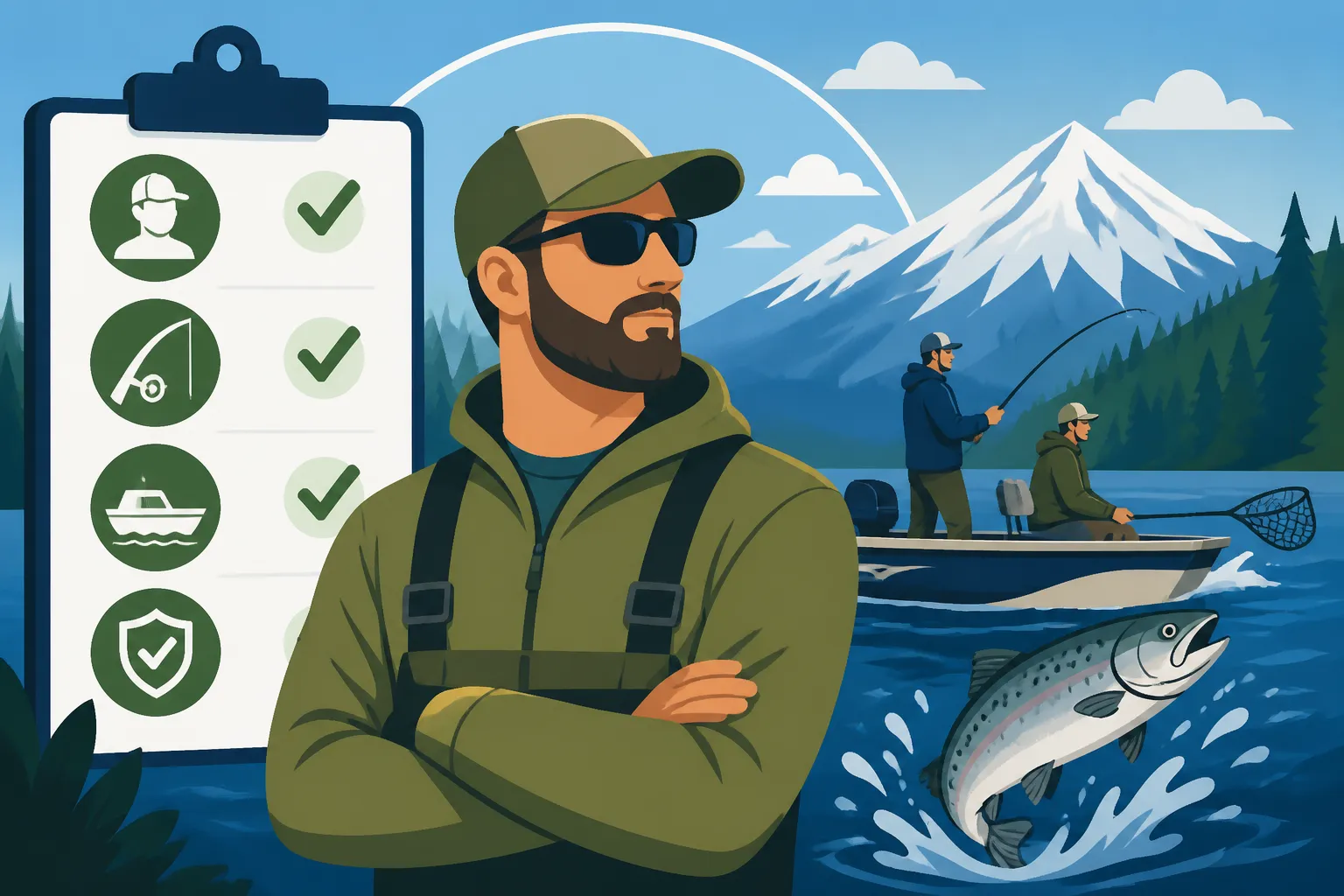
Choosing Your Washington Fishing Guide: A Checklist
To help you in your quest for the perfect Washington fishing guide, here's a handy checklist of questions and considerations.
| Category | Questions & Considerations |
|---|---|
| Credentials & Safety | – Does the guide possess a current Washington State guide license? (Do Washington Fishing Guides Need a Special License?) – Is the guide USCG licensed (if fishing navigable waters/saltwater)? – Do they carry liability insurance, and are they willing to confirm it? – Are they certified in First Aid and CPR? – Is all safety equipment (life jackets, flares, etc.) onboard and in good working order? |
| Reputation & Experience | – How many years has the guide been fishing/guiding in Washington, and specifically in your target area? – What do online reviews (Google, FishingBooker, Facebook, Yelp) say about their service? – Can they provide references from past clients? – Do they specialize in the species (e.g., salmon, steelhead, halibut) and techniques you're interested in? – Do they have a strong understanding of local regulations, such as Washington's Columbia River Salmon and Steelhead Endorsement, Explained or Puget Sound Salmon Closures: What Washington Anglers Need to Know? |
| Trip Details & Logistics | – What are the exact start/end times and meeting location? – What is included in the trip price (gear, bait, tackle, snacks, drinks)? (Do Charters Provide Rods and Tackle?) – What should I bring? (What to Bring on a Washington Fishing Charter) – What are the target species and specific methods used? – What is the policy regarding catch limits and keeping fish? (How Bag and Possession Limits Work in Washington) – Does the guide clean and package your fish? (Do Charters Clean and Package Your Fish?) – What is the policy on How Many Rods You Can Fish at Once in Washington? |
| Booking & Contingencies | – What is the total cost of the trip, including any potential additional fees? – What is the deposit amount, and what payment methods are accepted? – What is their cancellation policy for weather or other unforeseen circumstances? (Cancellation Policies for Washington Charters) – What happens if there's a mechanical issue with the boat? – What is their policy on tips? (Tipping Etiquette for Washington Fishing Guides) – How do they communicate pre-trip information and updates? |
| Guiding Style | – What is their general guiding philosophy (e.g., teaching-focused, trophy-focused, relaxed)? – How do they handle slow fishing days? – Are they patient with beginners or suitable for experienced anglers? – How do they interact with clients during the trip? |
Disclaimer
This article is for general informational purposes only and does not constitute professional advice. Laws, prices and regulations vary by location and change over time. Consult a qualified professional for guidance on your specific situation.