Do Halibut Charters Guarantee a Catch?
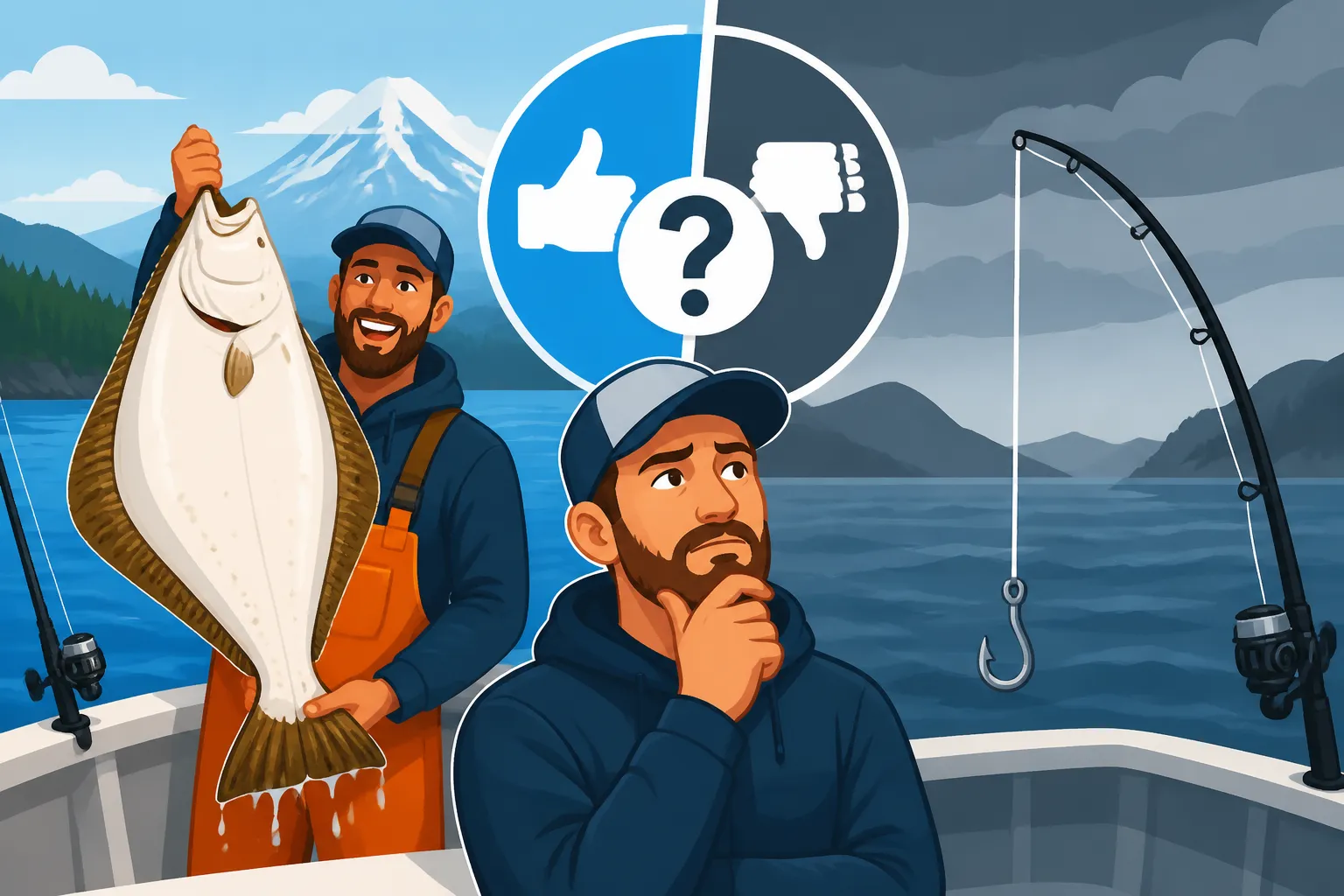
It's completely understandable to hope for a guaranteed catch when you're investing in a halibut charter, especially for a prized species like Pacific halibut off the Washington coast. After all, you're paying for expertise and equipment. However, the raw, beautiful truth of fishing is that it's an interaction with wild nature, and while a good charter will drastically increase your chances, no one can truly guarantee a fish in the cooler. This guide aims to set realistic expectations and show you what you can count on when you book a Washington halibut charter.
The Unpredictable Nature of Halibut Fishing
Let's be honest, we all dream of coming back to the dock with limits of massive halibut, feeling the satisfying ache in our arms. But the ocean is a vast, ever-changing environment, and halibut are wild creatures with minds of their own. This inherent unpredictability is a core part of fishing's charm, but it's also why a guarantee is simply not possible.
Understanding the Variables Beyond Control
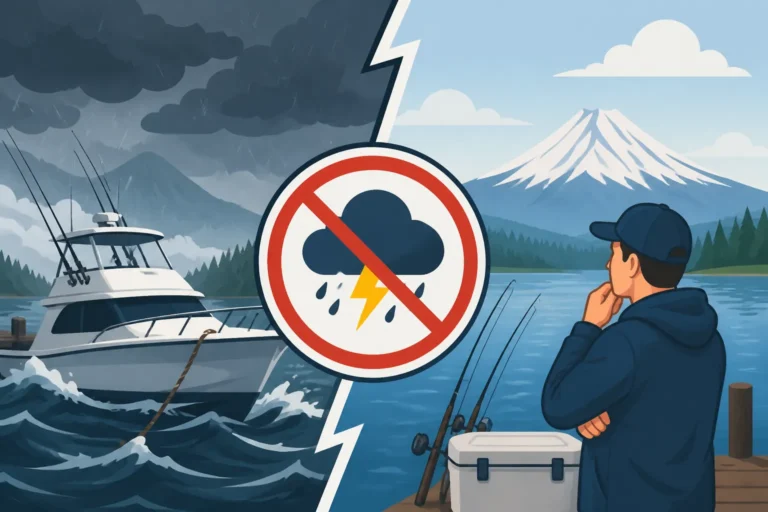
Think about it: even the most seasoned captain, with decades of experience on the waters off Westport or Neah Bay, can't control Mother Nature. One day the conditions are perfect – calm seas, light winds, and the fish are biting. The next, a rogue storm rolls in, the current rips, or the halibut simply decide to go on a hunger strike.
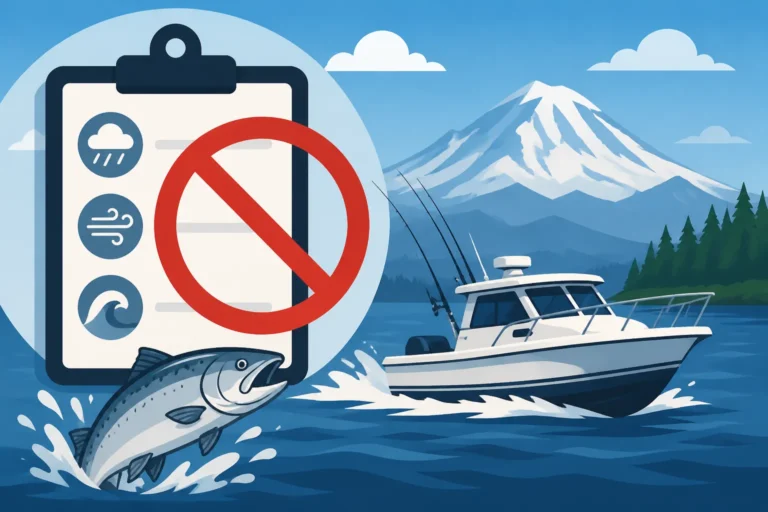
- Weather and Ocean Conditions: This is perhaps the biggest factor. Halibut charters operate on the open Pacific, where swells can be significant, and winds can make fishing uncomfortable or even unsafe. While guides constantly monitor forecasts, sudden changes can impact fish behavior and accessibility to prime spots. A strong current can make it incredibly difficult to keep your bait on the bottom where halibut live, and rough seas might mean an early return to port, cutting into valuable fishing time. These aren't just minor inconveniences; they directly influence how and where you can fish.
- Fish Behavior and Migration Patterns: Halibut are migratory and their feeding patterns can be mysterious. They might be in one area one day, and gone the next, following baitfish or moving to deeper waters. Spawning cycles, water temperature, and pressure changes can all affect their willingness to bite. Guides use their knowledge and technology to locate them, but fish don't always adhere to a schedule. Sometimes, even when you're directly over a school, they simply won't respond to any presentation.
- The "Luck" Factor: Yes, there's an element of luck. Even on a boat full of experienced anglers, one person might reel in multiple fish while another struggles, despite using identical gear and techniques. It's not always about skill; sometimes, it's just about being in the right place at the right time, or having a halibut pick your bait over someone else's. This is why it's called fishing, not catching.
What a Reputable Halibut Charter Truly Guarantees
While a guarantee of fish isn't on the table, a good Washington halibut charter does guarantee a host of invaluable things that contribute to a successful and memorable experience, regardless of how many fish end up in the box. When you book a trip, you're investing in much more than just a chance to catch a fish. You're buying expertise, safety, and a dedicated effort to make your day on the water the best it can be.
The Guide's Expertise and Equipment
This is where the real value of a charter shines. A professional guide brings an immense amount of knowledge and high-quality resources to your trip.
- Local Knowledge and Experience: A veteran Washington halibut captain has spent countless hours on the water, learning the intricacies of the local fishing grounds. They know the subtle underwater contours, the halibut highways, and where the fish tend to hold during different tides and seasons. They understand the patterns, even when they're unpredictable. This isn't knowledge you can gain from a quick internet search; it's earned through years of trial and error. They'll know which banks are productive, what depth to target, and how to adjust tactics if the bite is slow. This intimate knowledge of Pacific Halibut Fishing on the Washington Coast is what puts you in the best possible position to succeed.
- Top-Tier Equipment and Gear: You'll step aboard a vessel equipped with everything you need, from powerful, well-maintained boats with advanced navigation and fish-finding electronics to high-quality rods, reels, and terminal tackle. Halibut fishing requires heavy-duty gear to handle the depth and the sheer power of these fish. Charters provide specialized rigs, heavy sinkers, and durable baits that are optimized for success. You won't have to worry about buying expensive gear you might only use once or twice. This saves you a massive investment and ensures you're fishing with the right tools for the job.
- Safety First: This is paramount. Reputable charters adhere to strict safety regulations, ensuring their vessels are Coast Guard approved, properly maintained, and equipped with all necessary safety gear like life rafts, emergency beacons, and first-aid supplies. Your captain is trained in marine safety and first aid, prioritizing your well-being above all else. They understand the ocean and how to navigate it safely, which is crucial when heading out for Halibut Fishing Techniques for the Washington Coast in sometimes challenging offshore conditions.
A Dedicated Effort and Memorable Experience
Beyond the tangible gear and knowledge, a charter guarantees a committed effort from your guide and an experience designed to be enjoyable, fish or no fish.
- Unwavering Effort to Find Fish: Your guide's reputation depends on putting clients on fish, so they will work tirelessly throughout the day to find halibut. This often means moving from spot to spot, adjusting techniques, changing baits, and constantly monitoring conditions and fish finders. They're not just taking you for a boat ride; they're actively hunting, using every tool and trick in their arsenal to get a bite. They'll interpret the current conditions, use their intuition, and leverage their network of other guides to try and find where the fish are active.
- A Valuable Learning Opportunity: Even if the fish aren't cooperating, a charter is an incredible chance to learn. Guides are often happy to share their knowledge, explain techniques, and offer tips on everything from bait presentation to fighting a big fish. You'll gain insights into the local fishery, the habits of halibut, and general ocean fishing strategies that can serve you well on future trips. It's like a hands-on fishing seminar led by an expert.
- An Unforgettable Day on the Water: Regardless of the catch, spending a day on the vast Pacific off Washington is an experience in itself. The fresh air, the stunning coastal views, the camaraderie with fellow anglers, and the excitement of the unknown all contribute to a memorable adventure. Seeing whales, dolphins, or seabirds can be just as thrilling as a fish on the line. A good guide facilitates this experience, ensuring you're comfortable, engaged, and making memories. Many anglers, myself included, cherish these days whether they bring home a cooler full of fish or just a camera full of pictures.
Maximizing Your Own Odds on a Halibut Charter
While the charter can't guarantee a catch, you as an angler have a significant role to play in maximizing your chances of success and ensuring you have a fantastic time. Being prepared and actively participating can make a real difference.
Pre-Trip Preparation and Communication
The success of your trip starts long before you step foot on the boat. A little homework and good communication go a long way.
- Choose the Right Time: Halibut season in Washington is notoriously short and specific. Pay close attention to When Washington's Halibut Season Opens and plan your trip during prime windows. Later in the season, fish can sometimes be more spread out or less aggressive. Early season often sees a lot of eager anglers and fish that haven't seen as much pressure. Researching historical catch rates for specific periods can also inform your decision.
- Select a Reputable Charter: This is crucial. Don't just pick the cheapest option. Look for guides with strong reputations, positive reviews, and extensive experience fishing for halibut in your chosen area, whether it's out of Ilwaco or La Push. Websites like FishingBooker are excellent resources for comparing different charters, reading past client feedback, and understanding what each guide specializes in. A reputable guide won't promise a guarantee, but they will promise their best effort and a professional experience.
- Communicate Your Expectations: Before you book, have an honest conversation with the captain or booking agent about what you're hoping for. Are you solely focused on meat fishing, or are you hoping for a trophy? Are you okay with a potentially rough ride if it means better fishing? Are there any specific physical limitations your group might have? Setting clear expectations on both sides helps ensure a smoother trip.
- Prepare for the Conditions: The weather on the Pacific can change rapidly. Dress in layers, including waterproof outer shells, even if the forecast looks sunny. Bring seasickness medication if you're prone to it, and take it before you board. Pack plenty of water, snacks, and any personal items you might need. Check out guides on What to Bring on a Washington Fishing Charter for a comprehensive list. Being comfortable and feeling well means you can focus on fishing, not misery.
Onboard Etiquette and Active Participation
Once you're on the boat, how you conduct yourself and engage with the fishing process can significantly impact your experience and your chances of success.
- Listen to Your Guide: Your captain and deckhand are the experts on their boat and the local waters. Pay close attention to their instructions regarding rigging, bait presentation, and fighting fish. They're giving you advice based on years of experience, and ignoring it can hinder your success. If they tell you to drop your bait to a specific depth, there's a good reason for it.
- Practice Patience: Halibut fishing can often involve long periods of waiting between bites. These aren't always fast-paced, action-packed trips. Be prepared to soak your bait for extended periods. Enjoy the scenery, chat with your fellow anglers, and appreciate the time on the water. Impatience can lead to mistakes or frustration.
- Learn and Adapt: If the bite is slow, don't be afraid to ask your guide for tips or try different techniques they might suggest. Sometimes a slight change in how you jig your bait, or even a different color of skirt on your lure, can make all the difference. Be open to trying new things and learning from the pros. You might even discover a new favorite method for Halibut Fishing Techniques for the Washington Coast.
Setting Realistic Expectations for Your Halibut Trip
Ultimately, the most important thing you can bring on a halibut charter is a good attitude and realistic expectations. The goal isn't just to catch fish, but to enjoy the entire adventure.
The True Value of the Experience
Many anglers, after years of chasing various species, realize that the real joy comes from the process and the experience, not just the final tally.
- Embrace the "Fishing, Not Catching" Mindset: This old adage holds true, especially for challenging species like halibut. Focus on enjoying the crisp ocean air, the rocking of the boat, the thrill of the hunt, and the company of your fellow anglers. If the fish bite, it's a fantastic bonus. If they don't, you still had a day out on the majestic Pacific. Think of it as an adventure where the reward isn't just the fish, but the entire journey.
- Appreciate Nature's Spectacle: The Washington coast is breathtaking. Keep an eye out for diverse marine wildlife, from soaring eagles to breaching whales. These moments often become the most cherished memories of a trip, sometimes more so than the fish itself. The wildness of it all is a huge part of the allure of fishing in places like the outer coast.
- The Thrill of the Fight: Even if you only hook one halibut, the fight itself can be an incredible adrenaline rush. These fish are powerful, pulling hard and often making strong runs. The feeling of battling a large halibut from the deep is an unforgettable experience, and a testament to the strength and resilience of these magnificent creatures.
Post-Trip Considerations
Even after the lines are reeled in, your charter experience continues, with decisions to be made about your catch and your appreciation for the crew.
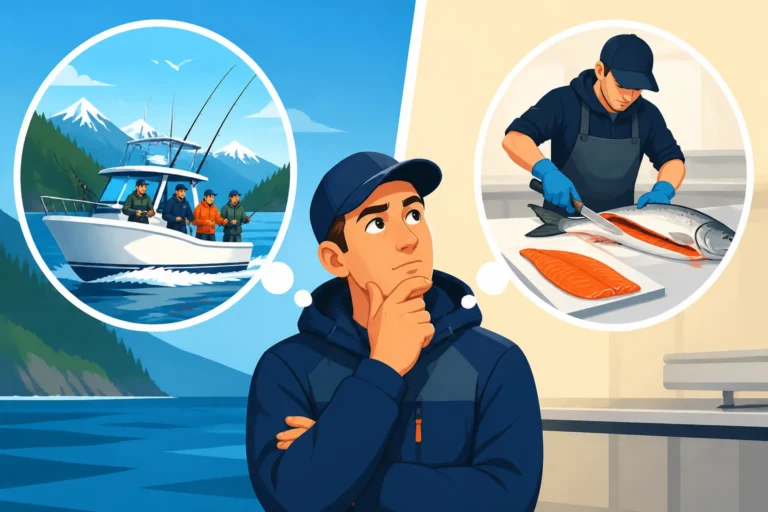
- Fish Processing: Understand what happens to your catch. Many charters will clean and bag your fish for you, and some ports have processors who can fillet, vacuum seal, and even ship your fish home. Discuss these options with your captain beforehand. Keep in mind the Halibut Possession Limit in Washington to ensure all your catch is legal.
- Gratuities: Don't forget about Tipping Etiquette for Washington Fishing Guides. These crews work incredibly hard before, during, and after your trip, from preparing bait and tackle to cleaning the boat and your fish. A tip is a reflection of your appreciation for their efforts and service, regardless of the size of your catch.
- Sharing the Story: Whether you come back with a cooler full of fillets or just some great tales, share your experience! Fishing is about community, and your stories inspire others. Remember, every trip, successful or not, adds to your personal fishing journey.
When you book a halibut charter in Washington, you're not purchasing a guaranteed fish. You're investing in an expertly guided, safe, and exciting adventure on some of the most productive waters in the Pacific Northwest. By going in with realistic expectations, a positive attitude, and a willingness to learn, you're guaranteed to have a memorable experience, and a great chance at hooking into a magnificent halibut.
Disclaimer
This article is for general informational purposes only and does not constitute professional advice. Laws, prices and regulations vary by location and change over time. Consult a qualified professional for guidance on your specific situation.