Do Washington Charters Split the Catch Among Anglers?
It's a really common question, and honestly, a point of confusion for many anglers heading out on a Washington fishing charter: "Who gets to keep what we catch?" The idea of sharing the day's bounty with strangers can feel a little odd if you're picturing your freezer full of fillets, but charter operations in Washington, especially for popular species like salmon and halibut, often have a specific way of handling the catch that might be different from what you expect. This guide is here to unravel the mystery of catch distribution on Washington fishing charters, helping you understand how it typically works and what to expect when you head out on the water.
The Reality of Catch Distribution on Washington Charters
When you step aboard a Washington fishing charter, you're not just buying a seat on a boat; you're often joining a collective effort. The captain and crew are working to put everyone on fish, and the regulations from the Washington Department of Fish and Wildlife (WDFW) play a huge role in how the final catch is divided amongst the anglers. It's rarely a simple "you caught it, you keep it all" scenario, especially on shared, open-boat trips.
Understanding "Boat Limits" vs. "Individual Limits"
This is perhaps the most crucial concept to grasp. While Washington state regulations establish an individual daily limit for most species – meaning each licensed angler can legally keep a certain number of fish – many charter operations also operate under what's often referred to as a "boat limit." A boat limit is essentially the collective total catch allowed for all anglers and crew aboard a vessel, based on a multiplier of the individual limit.
For example, if the individual daily limit for salmon is two fish, and you're on a charter with six paying clients, the boat's total potential catch is twelve fish (six anglers multiplied by two fish each). However, the actual process often means that the boat aims to fill its overall quota, and then that total catch is distributed evenly among the paying clients. This approach helps ensure fairness, especially when fishing can be unpredictable, and not every angler might be equally skilled or lucky. The goal is often for everyone to go home with some fish, rather than one or two anglers monopolizing the catch while others go home empty-handed.
Why Charters Often Pool the Catch
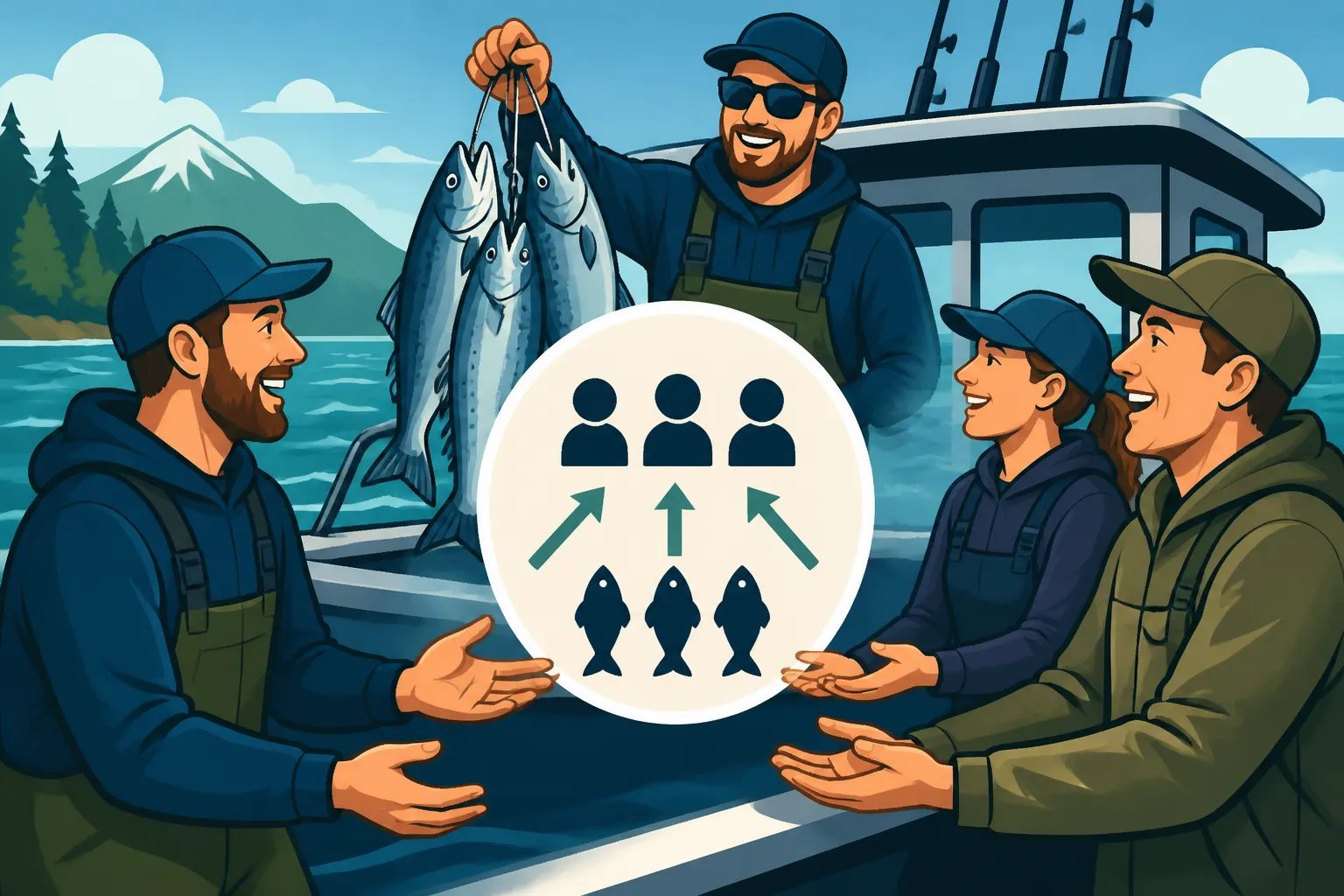
The primary reason many Washington charters pool their catch is to ensure a fair and equitable distribution among all paying clients. Imagine a scenario where one angler is on fire, landing fish after fish, while another struggles to get a bite. If it were strictly "you caught it, you keep it," the less fortunate angler might end up with nothing, despite paying the same fare. Pooling the catch ensures that everyone who paid for a seat gets an equal share of the day's bounty, regardless of individual success.
This method also simplifies things for the crew. Instead of meticulously tracking each fish to its catcher, they can focus on fishing, ensuring compliance with regulations, and making the experience enjoyable for everyone. After the trip, the entire catch is typically laid out, counted, and then divided equally by the number of paying clients. This communal approach fosters a sense of teamwork and mutual enjoyment, rather than competition, which is often the spirit of a good charter experience.
The Role of Washington State Regulations
Above all else, Washington's fishing regulations dictate what can and cannot be kept. Charter captains are expert navigators of these often-complex rules, including Washington Sport Fishing Seasons and Emergency Closures, daily limits, size restrictions, and specific area rules. They must ensure that the boat's total catch, and thus the distributed catch to each angler, remains strictly within legal parameters. This means that if the daily limit for a certain salmon species is one fish, no angler will ever go home with two of that particular species, even if the boat collectively caught more.
Regulations also cover specific endorsements, like the Washington's Columbia River Salmon and Steelhead Endorsement, Explained, and the mandatory use of The Washington Catch Record Card and What It Requires. While the charter might handle the fish on board, it's ultimately your responsibility as an angler to ensure your portion of the catch is legally possessed and recorded correctly on your personal catch record card. The captain will guide you through this, but the final accountability often falls to you.
Navigating Different Catch Scenarios
Understanding how fish are distributed means thinking beyond just your own rod. On a charter, it's a team effort with shared outcomes. Let's look at a few common scenarios you might encounter and how catch splitting typically plays out.
When Everyone Catches Their Limit (or close to it)
This is the ideal scenario for any charter: everyone on board gets their individual limit. For instance, if the daily limit for hatchery Chinook salmon in a Puget Sound marine area is two per angler, and all six anglers on a shared charter manage to land two legal Chinook each, then everyone has personally caught their own fish. In this situation, the catch is usually still processed communally but with the understanding that "your fish are your fish" because everyone hit their personal quota. However, it's still common practice for the crew to clean and bag the fish together, and then distribute the processed fillets in equal portions. This avoids any squabbling over larger or smaller individual fish and ensures an even weight of fillets for everyone.
Even in these banner days, the communal handling ensures efficiency and speed in getting everyone's catch ready for transport. The focus remains on a smooth operation and everyone going home happy, rather than trying to figure out which specific fillet came from which specific salmon. You still get your legal limit of fish, just perhaps not the exact fish you personally reeled in.
What Happens with Uneven Catches?
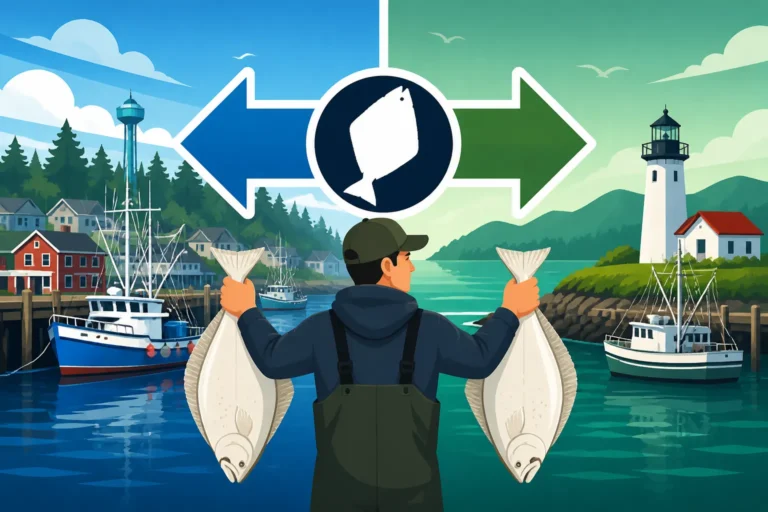
More often than not, fishing isn't perfectly uniform. Some days, one side of the boat is hotter, or one angler just has the golden touch. This is where the "pooled catch" system truly shines and why it's so common. If, for example, on a four-person halibut charter off Westport, the total boat limit of four halibut is caught, but only two anglers reeled them in, the four halibut will typically be divided equally among all four paying anglers. Each angler would go home with one halibut, even if they didn't personally fight one.
This arrangement is standard precisely to prevent disappointment. The idea is that everyone contributes to the success of the trip through their booking and presence, and therefore everyone shares in the outcome. Charters operate as a business to provide a fishing experience and a chance at fresh fish; they aren't usually set up as competitive events where only the "best" angler gets a reward. It's a pragmatic solution that ensures customer satisfaction across the board, making the experience inclusive rather than exclusive.
Private Charters and Custom Arrangements
While most open-boat, shared charters default to the pooled catch method, private charters offer more flexibility. When you book a private charter, you're chartering the entire boat for your group, whether that's a family, a group of friends, or a corporate outing. In these cases, you might be able to negotiate specific catch distribution arrangements with the captain before your trip.
For instance, your group might decide that each person keeps what they catch, up to their individual limit, and if any extra fish are caught (within the boat's legal limits), they can be distributed as the group decides. Or, the group might still opt for a pooled catch for simplicity, especially if there are new anglers. The key here is explicit communication with the captain well in advance. Tools like FishingBooker allow you to communicate directly with charter operators, making it easy to discuss these preferences before you commit to a booking. This way, you can tailor the experience, including catch handling, to your group's specific desires.
Your Responsibilities as an Angler
Stepping onto a charter means trusting the captain and crew, but it doesn't absolve you of your own responsibilities as an angler. Being informed and prepared makes for a much smoother and more enjoyable trip for everyone involved.
Pre-Trip Communication is Key
The best way to avoid any surprises regarding catch distribution is to ask specific questions before you book your trip. Don't assume anything. When you're inquiring about a charter, especially if you have strong feelings about keeping exactly what you catch, explicitly ask:
- "How do you handle the fish we catch on your shared trips?"
- "Is the catch pooled and then divided, or do individuals keep their specific fish?"
- "What is your policy if one angler catches more than another?"
A reputable charter operator will be transparent about their policies. This information is often available on their website or booking platform. For instance, when looking at charters on FishingBooker, you can often find details about what's included and how the catch is handled in their FAQs or trip descriptions. If it's not clear, send them a message! Clear communication upfront prevents misunderstandings later on.
The Importance of the Washington Catch Record Card
Regardless of how the fish are distributed on the boat, your individual The Washington Catch Record Card and What It Requires is your personal responsibility. Any salmon, steelhead, or halibut you take home, whether you caught it yourself or received it as part of a shared boat catch, must be immediately recorded on your catch record card. The captain and crew will certainly remind you and provide guidance, but ultimately, it's up to you to accurately and legibly fill out the card before you depart the vessel.
Failing to properly record your catch can lead to fines and penalties. Remember, this card is a vital tool for WDFW to monitor fish stocks and manage fisheries effectively, ensuring sustainable fishing opportunities for future generations. Keep your card dry, clean, and accessible, and make sure you understand How to Fill Out a Washington Catch Record Card before you even step on the boat.
Respecting the Resource and Other Anglers
Fishing charters are often shared experiences, bringing together people from different backgrounds with a common goal: enjoying the outdoors and, hopefully, catching some fish. Respect for the natural resource, the crew, and your fellow anglers is paramount. Even if you're an experienced angler, remember that others on board might be novices. Be patient, be friendly, and celebrate shared successes.
When it comes to the fish itself, always adhere to catch-and-release best practices for any fish that are out of season, undersized, or simply not intended for retention. The captain will instruct you on how to handle these fish to maximize their survival. If the catch is pooled, avoid trying to pick out the "best" fish; trust the crew to make a fair division. Everyone is there to have a good time, and a positive attitude contributes immensely to the overall experience.
Choosing the Right Charter for Your Catch Expectations
Finding the perfect charter isn't just about the biggest boat or the cheapest price; it's about aligning your expectations with what the charter offers. Since catch distribution is such a common point of inquiry, it pays to do your homework.
Researching Charter Policies
Before you even start comparing prices, delve into the charter's website, online profiles, or booking platform listings. Many reputable Washington charters clearly state their catch policy, especially for salmon and halibut trips, due to the high volume of questions they receive. Look for sections on "What to Expect," "FAQs," or "Our Philosophy."
If you find multiple charters that fit your general criteria, make a quick comparison of their catch policies. Some might explicitly say "all catch pooled and divided," while others might imply an individual catch scenario if everyone limits out. This initial research will quickly narrow down your options to those that align with your personal preferences. Don't be shy about utilizing all the information provided by booking sites like FishingBooker which often feature detailed descriptions and customer reviews that can shed light on these practices.
Here's a quick table to help you compare potential policies:
| Policy Aspect | Individual Catch Model (Less Common on Shared Charters) | Pooled Catch Model (Most Common on Shared Charters) |
|---|---|---|
| Who keeps the fish? | Angler keeps the fish they personally reel in. | Total boat catch is divided equally among paying anglers. |
| Fairness in Uneven Catch | Anglers with fewer catches may go home with less or no fish. | All anglers receive an equal share, regardless of individual fishing success. |
| Crew Processing | May be done individually, or each angler's fish tagged separately for processing. | Entire catch processed together, then divided. Simplifies crew workload. |
| Legal Limits | Each angler responsible for their personal daily/possession limits. | Total boat catch must adhere to boat limits; individual distribution respects individual limits. |
| Common Scenarios | More common on private charters or very small groups where individual tracking is easy. | Standard practice on most open, shared salmon, halibut, and bottom fishing charters. |
Questions to Ask Before Booking
If the charter's policy isn't clearly stated, or if you just want to be absolutely sure, pick up the phone or send an email. Asking direct questions ensures there are no surprises on the dock. Here are a few key questions:
- "For a shared trip with X number of anglers, how is the total catch divided at the end of the day?"
- "If one angler catches their limit and another doesn't, how does that impact the distribution?"
- "What's your process for cleaning and filleting the fish once we're back at the dock?" (Often, this is included, but it's good to confirm if Do Charters Clean and Package Your Fish? is a service they provide).
- "Do you provide bags or coolers for us to transport our fish home, or should we bring our own?"
These questions not only clarify the catch splitting but also show you're a prepared and considerate client. The answers will help you decide if that particular charter is the right fit for your fishing adventure.
Finding Charters with Specific Catch Philosophies
Some anglers specifically seek out charters that prioritize individual catch, while others appreciate the pooled approach. The good news is, Washington has a diverse fleet of charter operators. If you absolutely want to keep only the fish you personally caught, look for smaller, perhaps more specialized guides that might run one or two-person trips. These operations are often more conducive to individual catch tracking. For instance, a fly fishing guide on the Yakima River for trout might operate differently than a large Puget Sound salmon charter.
Conversely, if you value the communal experience, the guarantee of going home with some fish, and the camaraderie of a shared effort, then the standard larger shared charters will likely be a perfect match. Many anglers find the pooled approach quite refreshing, removing the pressure of individual performance and allowing them to simply enjoy the act of fishing. Websites and booking platforms, including FishingBooker, allow you to filter and compare operators, helping you find a charter that aligns with your specific expectations and preferences for your Washington fishing trip.
Disclaimer
This article is for general informational purposes only and does not constitute professional advice. Laws, prices and regulations vary by location and change over time. Consult a qualified professional for guidance on your specific situation.