Are There Non-English Speaking Guide Options in Seattle?
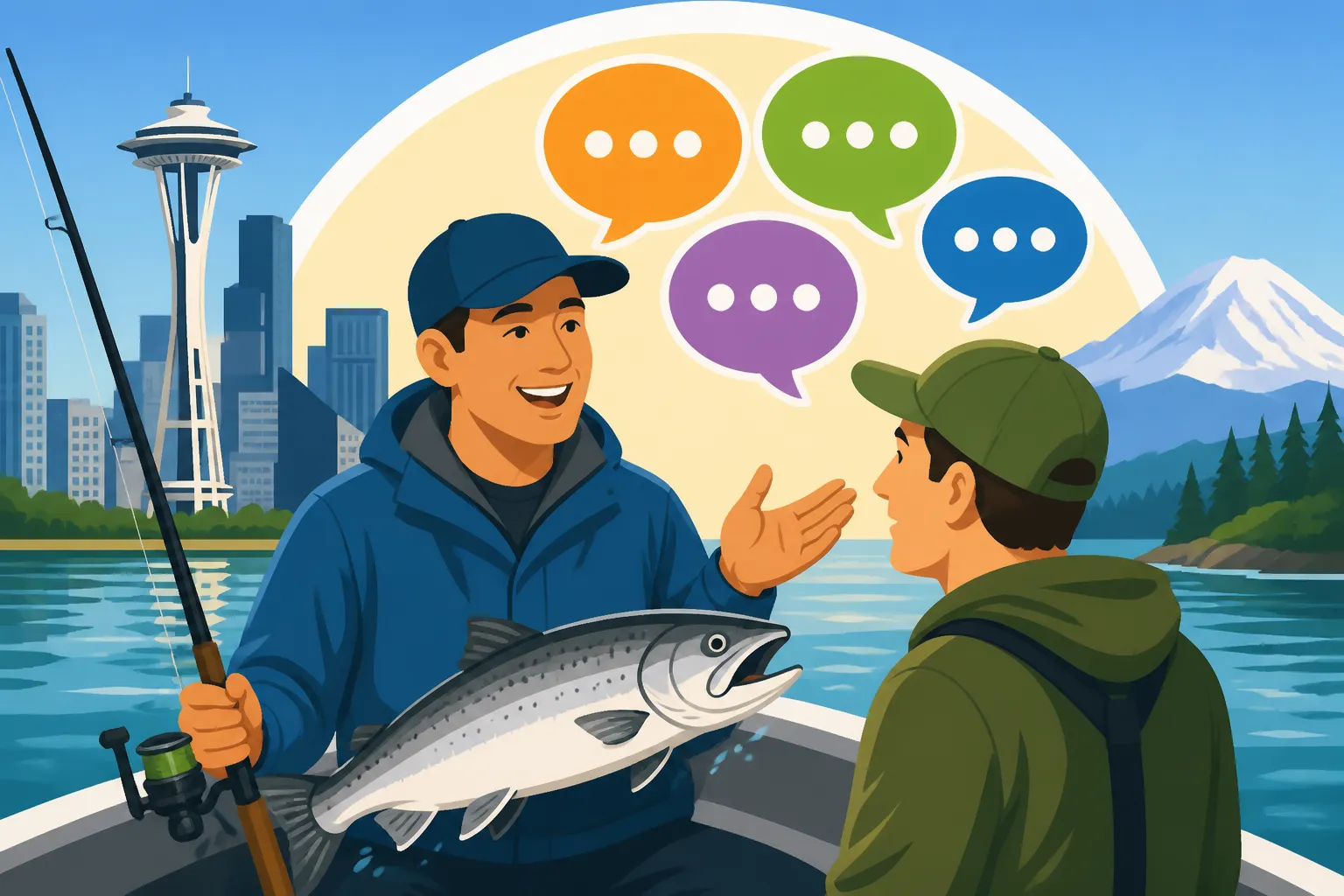
It's completely understandable to feel a bit lost when trying to plan a fishing adventure, especially when you're looking for a guide who speaks a specific language other than English. The thought of being out on the water, excited for a catch, but struggling to communicate with your captain or understand crucial instructions can definitely dampen the experience. This guide will walk you through the practical steps and considerations for finding fishing guides in Seattle who can speak languages other than English, helping you ensure a clear and enjoyable trip.
The Challenge of Language Barriers in Fishing
Fishing is often about connection—connection with nature, with the fish, and importantly, with your guide. When there's a language barrier, that connection can feel strained, leading to potential misunderstandings and a less fulfilling experience overall. It’s a real and valid concern for many anglers visiting or living in the diverse Seattle area.
Why Language Matters on the Water
Communication is paramount, especially when you're dealing with safety, strategy, and even the nuances of how to handle a specific type of fish. Imagine being on a charter boat in Puget Sound, the engine roaring, and the captain trying to yell instructions over the wind. If those instructions aren't in a language you fully grasp, it can create anxiety and even put a damper on your safety. Guides need to convey critical information like "watch that wave," "reel up fast," or "don't touch the leader." This isn't just about catching fish; it's about staying safe and understanding the rules.
Beyond safety, effective communication is key to a successful fishing trip. A good guide doesn't just put you on fish; they teach you how to fish, explaining techniques, reading the water, and understanding the behavior of the target species. If you're trying to learn how to troll for salmon or decipher the subtle bite of a bottomfish, and you can't fully understand the explanation, you're missing out on a huge part of the guided experience. It's about empowering you as an angler, and language is the bridge to that knowledge.
Then there are the legal aspects. Washington fishing regulations can be complex, covering everything from specific How Bag and Possession Limits Work in Washington to particular gear requirements like Barbless Hook Requirements on Washington Rivers. Your guide is responsible for ensuring everyone on board adheres to these rules. If they explain a slot limit for lingcod, or a catch-and-release rule for wild steelhead, and you don't fully comprehend it, you could inadvertently violate a regulation, leading to fines or even losing your fishing privileges. A clear understanding of these rules is not just helpful, it's mandatory.
The Angler's Perspective: Frustration and Missed Opportunities
From an angler's point of view, a language barrier can lead to genuine frustration. You've invested time and money into this experience, perhaps dreaming of a trophy Chinook or a fun day out with friends or family. If you can't ask questions about the local fishing spots, inquire about a specific technique, or simply share in the excitement with your guide, it can feel isolating. The joy of the catch is enhanced by the shared experience and the stories exchanged, and language is at the heart of that.
Many anglers travel from different parts of the world to fish in Washington's renowned waters. For them, finding a guide who speaks their native tongue isn't just a convenience; it's often a necessity for enjoying their vacation fully. Imagine flying thousands of miles to fish the mighty Columbia River for salmon, only to find you can't connect with your guide on a personal level because of a language gap. It detracts from the cultural exchange and the memorable moments that make such trips special.
Ultimately, miscommunication can lead to missed opportunities on the water. Maybe the guide is trying to tell you to let your lure sink deeper, or that a specific type of bait is outperforming others, but you don't quite get it. This can result in fewer bites, lost fish, or simply not optimizing your chances. The goal of a guided trip is to maximize your success and learning, and that relies heavily on clear, effective communication between you and your expert guide.
Finding Guides Who Speak Your Language in Seattle
While Seattle is a diverse city, actively seeking out guides who speak specific non-English languages requires a bit of focused effort. It's certainly possible, but it might take a different approach than simply searching for "fishing guides Seattle."
Online Platforms and Directories
One of the most efficient starting points is using large online booking platforms or directories specifically designed for fishing charters. Services like FishingBooker often have detailed profiles for their listed captains and boats. When you're browsing these platforms, look for sections in a guide's profile that mention languages spoken. Many guides will list English and sometimes Spanish, but you might occasionally find others. The key is to check each profile thoroughly.
What makes these platforms particularly useful is their communication tools. Even if a specific language isn't explicitly listed, many platforms allow you to send a direct message or inquiry to the guide before booking. This gives you the perfect opportunity to ask, "Do you or anyone on your crew speak [your language]?" Be clear and concise in your question. You might be surprised to find that while the captain may only speak English, a deckhand might be fluent in another language, which could be perfectly adequate for your needs.
When using such sites, remember that their search filters might not always include every possible language spoken by every guide. So, while you can filter by location and species, you might need to manually review profiles for language information. Don't be shy about reaching out directly through their messaging system. It's the best way to get a definitive answer and start a conversation about your needs. Consider this the first and most critical step in your search for a guide.
Local Fishing Communities and Networks
Beyond online booking sites, tapping into local fishing communities can be incredibly effective, especially if you're looking for a less common language. Seattle is home to vibrant communities from all over the world, many of whom have strong fishing traditions. Think about seeking out ethnic community centers, cultural associations, or even specialty grocery stores that cater to specific cultural groups. They might have bulletin boards, local newspapers, or simply word-of-mouth networks that can connect you to guides or experienced anglers who speak your language.
Another avenue is to explore local fishing forums or social media groups. Many cities have active online communities for anglers, and Seattle is no exception. Join these groups and post an inquiry clearly stating your need: "Looking for a salmon fishing guide in Seattle who speaks Vietnamese," for example. The power of community can often connect you with individuals or small independent guides who might not be listed on larger commercial platforms. Remember to be respectful of group rules and post your request clearly.
Word-of-mouth is still a powerful tool. If you know people in Seattle who share your linguistic background and also enjoy fishing, ask them for recommendations. They might have firsthand experience with guides who are multi-lingual or know someone who does. Sometimes the best guides are those known within their own community, offering a more personalized and culturally resonant experience. This approach can be slower, but often yields very specific and reliable results.
Inquiring with Larger Charter Operations
Larger charter companies, especially those operating multiple boats or with a diverse staff, are another excellent resource. While their primary marketing might be in English, they often employ individuals from various backgrounds. It's worth calling their booking office directly and explaining your language requirements. Don't assume they don't have someone on staff just because it's not advertised on their website.
For instance, a company offering Washington's Puget Sound Salmon Charters: What to Expect might have a fleet of captains and deckhands. One of their deckhands might be perfectly fluent in a language like Russian or Tagalog, even if the captain primarily speaks English. This can be a great compromise, as the deckhand can facilitate communication between you and the captain for most of the trip. Always ask specifically about crew members' language skills, not just the captain's.
When you contact these operations, have a clear list of what you're looking for and be prepared to explain why it's important to you. They may not always be able to accommodate every language, but often they're willing to try and match you with the best possible option if they have the resources. This proactive approach ensures you're not just hoping for the best but actively seeking a solution. It's also a good idea to confirm important details like Do Charters Provide Rods and Tackle? and Do Charters Clean and Package Your Fish? in your preferred language beforehand.
Practical Steps for Securing a Multi-Lingual Guide
Once you've identified potential guides or services, the next phase involves careful planning and communication to ensure your trip goes smoothly. It's about setting clear expectations and leaving no room for misunderstanding.
Pre-Booking Communication is Key
Before you commit to booking, make sure you have explicit confirmation of the language spoken. Don't just assume based on a name or a brief mention on a profile. Send an email or make a phone call, clearly stating, "I'm looking for a guide who can communicate effectively in [your language]. Can you confirm that you or a member of your crew is fluent in this language and will be available on the day of my trip?" Getting this in writing is always a good idea.
If you're using an online platform like FishingBooker, take advantage of their messaging system to initiate this conversation. It creates a record of your communication and allows the guide to respond at their convenience. If your initial inquiry needs to be translated, use a reliable online translation tool to craft your message, and perhaps even state that you're using one so the guide understands. This level of transparency helps avoid any misunderstandings from the outset.
Beyond just confirming the language, discuss specific topics that are critical to your trip. Ask how safety instructions will be delivered, how they'll explain fishing techniques, and how they handle How Bag and Possession Limits Work in Washington or other regulatory details. A good guide will be prepared to address these concerns and demonstrate their ability to bridge any language gap, ensuring you feel comfortable and confident before you ever step foot on the boat.
Preparing for Your Trip
Once you've booked a guide who confirms they speak your desired language, a little preparation on your end can go a long way to ensure a seamless experience. One highly effective strategy is to create a small, laminated card or note with key fishing terms and phrases in both your language and English. This could include words like "bite," "hook," "reel in," "line out," "fish on," "left," "right," "stop," and specific fish names. This visual aid can be invaluable in moments of high action or when quick communication is needed.
Furthermore, make sure to discuss what specific forms of identification you might need for your Washington Fishing License Guide for Nonresidents or resident license, and if there are any specific local rules for carrying your license, such as Carrying Your Washington Fishing License: Paper, Phone or the MyWDFW App. Even if the guide speaks your language, having this information clear helps prevent any issues with authorities. Clarity on regulations like Barbless Hook Requirements on Washington Rivers is also vital.
Finally, think about any personal preferences or needs you have that might need explaining. Do you have dietary restrictions you need to communicate for lunch on the boat? Are you sensitive to motion sickness and need a quiet space? The more information you can provide and clarify beforehand, the better your guide can tailor the experience to you. This preparation helps build rapport and ensures a more enjoyable, stress-free day on the water.
Alternatives and Considerations
Sometimes, despite your best efforts, finding a guide fluent in a specific non-English language might be challenging. In such cases, there are still ways to have a fantastic fishing trip in Seattle, often by adapting your approach or bringing along a little extra help.
Bringing Your Own Translator
One of the most straightforward solutions, if you can't find a dedicated multi-lingual guide, is to bring your own translator. This could be a friend or family member who is fluent in both English and your native language. This option offers the most reliable communication, as you'll have someone on board who understands both you and the guide perfectly. It allows for spontaneous conversation, detailed explanations, and a comfortable feeling of being understood.
However, there are practical considerations for bringing an extra person. First, ensure the guide and charter company are comfortable with an additional person on board. Boats have capacity limits, and some guides prefer a specific number of anglers for optimal fishing space and safety. Always confirm this ahead of time when you are considering How to Book a Fishing Charter in Washington. There might also be an additional fee for an extra person, even if they aren't actively fishing, as they still occupy space and use resources.
Another point to consider is the cost. If you're hiring a professional translator, that will be an additional expense. If it's a friend or family member, ensure they are also interested in the fishing experience or at least comfortable spending the day on the water. The goal is to enhance your trip, not to create an uncomfortable situation for your companion or the guide. It's a fantastic solution for communication, but one that requires careful planning regarding logistics and cost.
Focusing on Non-Verbal Communication and Demonstrations
Fishing, at its heart, often transcends language. Many skilled guides are adept at communicating through gestures, demonstrations, and visual cues, even with anglers who speak a different language. Think about it: showing someone how to cast, how to reel, or how to set the hook can often be done more effectively by demonstration than by words alone. If you're fishing for salmon in Washington's Puget Sound Fishing Spots for Salmon and Bottomfish, a guide can show you exactly how to jig or troll.
When booking your trip, you might inquire with guides about their experience working with non-English speaking clients. Many professional guides, regardless of their linguistic abilities, have developed strategies for clear non-verbal communication. They might use hand signals, point to gear, or physically guide your hands to show you the correct technique. This approach requires a bit more patience from both the angler and the guide, but it can absolutely lead to a successful and enjoyable day.
This method works particularly well for anglers who are visually oriented or learn best by doing. You might not get a deep philosophical discussion about fish behavior, but you'll get the critical "how-to" instructions that lead to catching fish. It's important to go into this kind of trip with an open mind and a willingness to observe and imitate. Often, the shared joy of landing a fish becomes a universal language that needs no translation. Just remember to still carry your Washington Fishing License Guide for Nonresidents and be aware of key rules like Possession Limits vs Daily Limits in Washington to avoid any issues.
Finding a Multi-Lingual Fishing Guide in Seattle: A Comparison
| Method | Pros | Cons | Key Considerations |
|---|---|---|---|
| Online Platforms | Wide selection, direct messaging, potentially filters for languages. | Language options might not be comprehensive; manual profile review often needed. | Explicitly ask guides about language fluency before booking; use messaging tools for written confirmation. Check if the platform is like FishingBooker, which makes this easier. |
| Local Communities | Specific language connections, word-of-mouth reliability, cultural resonance. | Slower process, guides might be less formally advertised, may require physical visits. | Connect with ethnic community centers or fishing clubs; post inquiries on relevant social media groups or forums. |
| Large Charter Operations | Diverse staff, potential for multi-lingual crew members, established businesses. | Guide (captain) might still be English-only; may not always be able to accommodate. | Call directly, explain your needs, and ask about any crew member who speaks your language. |
| Bring Your Own Translator | Most reliable communication, comfortable experience. | Extra person on boat (space/cost), potential added expense if professional. | Confirm boat capacity and any extra fees with the charter company beforehand; ensure translator is comfortable with the trip. |
| Non-Verbal Focus | Effective for hands-on learning, universal fishing language. | Less in-depth explanation, requires patience and keen observation. | Inform guide of language barrier in advance; prepare to learn by watching and doing; confirm understanding through gestures. |
No matter what approach you take, planning ahead and communicating your needs clearly are your best tools for finding a fishing guide in Seattle who can help you have an amazing and well-understood experience on the water.
Disclaimer
This article is for general informational purposes only and does not constitute professional advice. Laws, prices and regulations vary by location and change over time. Consult a qualified professional for guidance on your specific situation.