Washington Nonresident Fishing License Cost
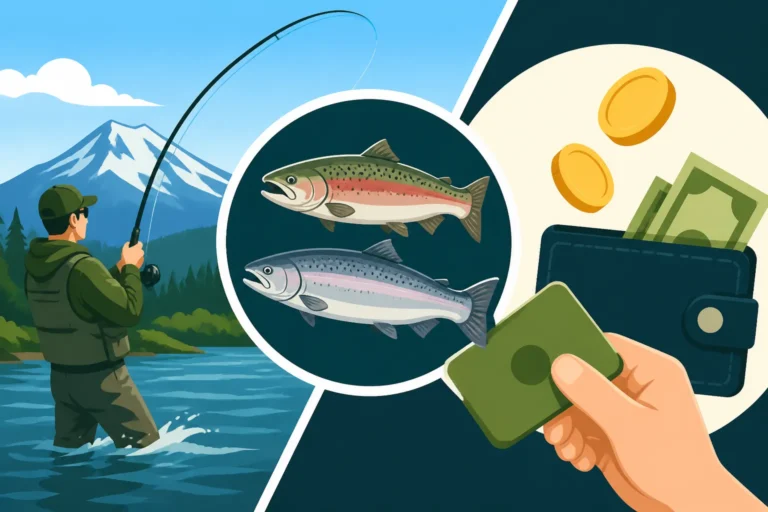
Planning a fishing trip to Washington State can be incredibly exciting, but for those of us coming from out of state, one of the first and often most confusing hurdles is figuring out the exact cost and requirements for a fishing license. It's easy to get lost in the various options, endorsements, and regulations, leading to unnecessary stress even before your line hits the water. This comprehensive guide is here to break down the Washington nonresident fishing license cost, helping you understand all your options and make an informed decision so you can focus on the thrill of the catch.
The Essentials of Nonresident Fishing Licenses in Washington
Navigating the licensing landscape as an out-of-state angler can feel like deciphering a secret code. Washington State, with its incredible diversity of fisheries, from vast rivers like the Columbia to the intricate Puget Sound and countless mountain lakes, has a system designed to cover all bases. For nonresidents, this means a few distinct options that cater to different fishing preferences and trip durations. Understanding these foundational categories is your first step toward a smooth, legal, and enjoyable fishing experience.
Understanding the Core License Categories
Before you even look at a price tag, it's crucial to grasp the fundamental types of fishing licenses available to nonresidents. Washington offers three main categories that dictate where you can wet a line: Freshwater, Saltwater, and a convenient Combination. Each is designed for specific environments, and picking the right one depends entirely on your target species and preferred fishing grounds.
A Freshwater Fishing License allows you to fish in Washington's myriad lakes, rivers, and streams. This is your go-to if you're dreaming of chasing trout in high mountain lakes, battling salmon or steelhead in the mighty Columbia River, or casting for bass in eastern Washington's reservoirs. If your itinerary involves any inland waters, this is the core license you'll need. It's perfect for those serene mornings spent by a peaceful lake or the adrenaline-pumping action of a river steelheading trip.
Conversely, a Saltwater Fishing License grants you access to the expansive marine waters of Puget Sound, the Washington coast, and the Pacific Ocean. This license is essential for anyone hoping to tangle with Puget Sound salmon, pursue bottomfish like lingcod and rockfish, or head out for the legendary halibut and tuna offshore. If your vision of a Washington fishing adventure involves the salty spray of the ocean and big, hard-fighting marine species, the saltwater option is a must-have.
Finally, the Combination Fishing License is the most comprehensive choice, covering both freshwater and saltwater fishing activities, along with shellfish harvesting. For many nonresident anglers who want the flexibility to fish diverse environments or who aren't sure exactly where their fishing journey might take them, this is often the most practical and cost-effective solution. Imagine being able to chase salmon in the morning and then head upriver for some trout in the afternoon without worrying about separate licenses – that's the beauty of the combination license. It simplifies your planning immensely, especially if you have a multi-day trip planned or want to explore different types of fisheries. It's important to note that all recreational fishers, including nonresidents, also need to know about Washington Fishing Regulations Every Angler Should Know.
Annual vs. Short-Term License Options for Nonresidents
Once you've decided on your fishing environment (freshwater, saltwater, or both), the next consideration is the duration of your license. Washington State recognizes that not every nonresident is planning a year-long angling odyssey. Many are visiting for a weekend, a week-long vacation, or a specific seasonal run. To accommodate this, the state offers both annual and short-term licenses, each with its own advantages and cost implications.
An Annual Fishing License is valid for a full year from the date of purchase, or more commonly, from April 1st through March 31st of the following year, aligning with the state's licensing year. While the initial outlay is higher, this option provides unlimited fishing opportunities within its category for 12 months. If you plan on making multiple trips to Washington within a year or staying for an extended period, the annual license will almost always be the most economical choice. It removes the hassle of repurchasing licenses for each visit, allowing you to simply grab your gear and go whenever the fishing bug bites. You can find more details on Washington's Annual, Short-Term and Combination License Options.
For those planning shorter visits, Washington offers Short-Term Licenses, specifically a 1-day or a 3-day option. These are perfect for a quick weekend getaway or a targeted, brief fishing expedition. The 1-day license is exactly what it sounds like: valid for 24 hours from a specified start time. The 3-day license provides three consecutive days of fishing. Both short-term options are combination licenses, meaning they cover freshwater, saltwater, and shellfish harvesting, which adds incredible value for their price point. This flexibility is a huge boon for travelers, allowing them to participate in a guided salmon trip one day and maybe try for some panfish in a nearby lake the next, all under one affordable short-term license. When considering a short trip, you might also be interested in the Best Washington License for a Weekend Trip.
The decision between an annual and a short-term license really boils down to your travel plans. If you're coming for a specific, isolated trip, the 1-day or 3-day license offers excellent value. However, if you foresee yourself making several trips to Washington within the year, or perhaps extending a single trip beyond a few days, the annual license will quickly pay for itself. Weighing these options carefully against your anticipated fishing time is key to optimizing your Washington fishing investment.
Detailed Breakdown of Nonresident License Costs
Let's get down to the numbers, because understanding the actual costs involved is often the primary concern for nonresident anglers. Washington's licensing fees are structured to reflect the resources and opportunities provided, but they can vary significantly depending on the license type and any necessary endorsements. It’s not just about the basic license; there are often additional requirements that contribute to the total investment for your trip.
Current Pricing for Annual Licenses for Nonresidents
For those committed to exploring Washington's diverse fishing scene throughout the year, an annual license is the way to go. These licenses, as of early 2024, generally run from April 1st to March 31st of the following year, offering a full year of access. Here’s what nonresidents can expect to pay for the primary annual options:
- Nonresident Annual Freshwater Fishing License: This license currently costs approximately $84.50. It grants you the ability to fish in all of Washington's inland waters, including its many rivers, streams, and lakes. This is ideal if your primary focus is on species like trout, bass, walleye, or river-run salmon and steelhead where saltwater isn't a factor. For example, if you're planning several trips to target trout in the Yakima River or bass in Banks Lake, this annual freshwater option is designed for you.
- Nonresident Annual Saltwater Fishing License: For those whose passion lies in the vast marine environment, the saltwater license comes in at roughly $55.00. This covers Puget Sound, coastal waters, and the Pacific Ocean for species like salmon, halibut, and bottomfish. If your dream trip involves multiple Puget Sound salmon charters or bottomfishing expeditions out of Westport, this license will be your core requirement.
- Nonresident Annual Combination Fishing License: This is the most versatile option, covering both freshwater and saltwater fishing, plus shellfish harvesting (like crabbing or clamming). The current cost for this comprehensive license is around $118.00. For many nonresidents, especially those who want maximum flexibility or are uncertain about sticking to just one type of fishery, the combination license offers the best value. It's essentially buying both the freshwater and saltwater licenses at a slightly discounted bundled rate, along with shellfish privileges. This is often the recommended choice for a general fishing vacation where you might dabble in various types of fishing.
These prices are set by the Washington Department of Fish and Wildlife (WDFW) and are subject to change, so always double-check the official WDFW website or a licensed vendor before purchasing. When you compare Resident vs Nonresident Fishing Licenses in Washington, you'll notice nonresidents pay a higher fee, reflecting their less direct contribution to the state's conservation efforts through local taxes.
Short-Term License Costs: 1-Day and 3-Day Options
For the angler passing through for a brief visit, or testing the waters of Washington fishing for the first time, the short-term licenses are a fantastic, budget-friendly choice. These licenses are specifically designed to provide convenience and flexibility without the commitment of an annual purchase.
- Nonresident 1-Day Fishing License: This option will cost you approximately $11.30. For this modest fee, you get 24 hours of fishing access, and here’s the best part: it’s a combination license. This means it covers freshwater, saltwater, and shellfish harvesting. If you're on a road trip and decide last minute to drop a line in a lake, or join a charter for a single day of salmon fishing in Puget Sound, this license is your ticket. It's an incredibly cost-effective way to get a taste of Washington's diverse fisheries.
- Nonresident 3-Day Fishing License: Stepping up slightly, the 3-day license is priced at about $20.00. Like the 1-day option, this is also a combination license, granting you three consecutive days of freshwater, saltwater, and shellfish privileges. This is an excellent choice for a long weekend trip, allowing you to explore different fishing opportunities without breaking the bank. For instance, you could spend a day crabbing in the Hood Canal, a day chasing bass in a local lake, and another day targeting salmon in the Sound, all covered by this single, affordable license.
Both short-term licenses offer tremendous value because of their combination nature. They remove the guesswork of whether you need a freshwater or saltwater license for a brief period, providing comprehensive coverage for a minimal cost. This makes them highly popular among tourists and casual anglers visiting the state.
Essential Endorsements and Add-ons
Beyond the basic license, Washington State often requires additional endorsements for specific fishing activities or areas. These aren't optional if you plan on participating in certain fisheries, so it's critical to factor their costs into your total budget.
The most common and important endorsement for many nonresident anglers, particularly those targeting highly sought-after species, is the Columbia River Salmon and Steelhead Endorsement. This endorsement costs about $8.70 and is mandatory for all anglers, regardless of residency or age, when fishing for salmon or steelhead in the mainstem Columbia River and its tributaries. Even if you intend to catch and release these fish, you still need this endorsement. Given the Columbia River's status as a premier salmon and steelhead fishery, this is an endorsement many nonresidents will need to purchase. It ensures vital conservation efforts for these iconic fish. More information on Washington's Columbia River Salmon and Steelhead Endorsement, Explained is available.
Another common add-on is the Two-Pole Endorsement, which costs around $20.20. This endorsement allows you to fish with two fishing poles simultaneously in most freshwater lakes, ponds, and certain streams and rivers where two poles are permitted. It's a fantastic way to increase your chances, especially when still fishing for trout or kokanee. However, it's very important to remember that this endorsement is not typically valid for salmon, steelhead, or halibut fishing, or in marine waters unless specifically allowed by emergency rule. Always check the regulations pamphlet or the WDFW website for specific waterbody rules, as Washington's Two-Pole Endorsement and Who Needs One can be nuanced.
Finally, while not a direct cost at the point of sale, a Catch Record Card is often required and is issued free of charge with your fishing license when targeting certain species like salmon, steelhead, sturgeon, halibut, and Puget Sound Dungeness crab. While free, it's a mandatory document that must be carried, filled out correctly, and returned to WDFW. Failure to do so can result in penalties, so always ensure you understand The Washington Catch Record Card and What It Requires.
Here's a quick summary table of nonresident fishing license costs and common endorsements for 2024 (prices are approximate and subject to change by WDFW):
| License/Endorsement Type | Nonresident Cost (Approx.) | What it Covers | When You Need It |
|---|---|---|---|
| Annual Freshwater | $84.50 | All freshwater fishing (lakes, rivers, streams) | Year-long access to inland waters |
| Annual Saltwater | $55.00 | All saltwater fishing (Puget Sound, coast) | Year-long access to marine waters |
| Annual Combination | $118.00 | Freshwater, Saltwater, & Shellfish | Year-long access to all fishing types |
| 1-Day Combination | $11.30 | Freshwater, Saltwater, & Shellfish | Single 24-hour period |
| 3-Day Combination | $20.00 | Freshwater, Saltwater, & Shellfish | Three consecutive days |
| Columbia River Salmon/Steelhead Endorsement | $8.70 | Salmon/steelhead fishing in Columbia River & tributaries | Mandatory for any salmon/steelhead fishing in this area |
| Two-Pole Endorsement | $20.20 | Use of two poles in designated freshwater areas | For increasing catch potential in specific freshwater fisheries |
| Catch Record Card | Free | Tracking specific catches (salmon, steelhead, halibut, sturgeon, Dungeness crab) | Mandatory when targeting these species |
As you can see, a successful and legal fishing trip to Washington as a nonresident requires careful consideration of not just the basic license fee, but also any necessary endorsements specific to your chosen quarry and location.
Factors Influencing Your Total Investment
Beyond the base price of the license and any mandatory endorsements, there are several other practical considerations that can influence your overall financial outlay for a Washington fishing trip as a nonresident. Understanding these can help you budget more accurately and avoid any unwelcome surprises.
Trip Duration and Target Species
The length of your stay in Washington and the type of fish you hope to catch are primary drivers of your total license cost. A nonresident angler planning a single-day trip targeting panfish in a local lake will have a drastically different expense than someone planning a week-long multi-species adventure across several regions.
For a short, focused trip—say, a weekend spent exploring Fishing the Cowlitz River for Steelhead and Salmon in Washington—the 3-day combination license for $20.00 is likely your best bet, plus the $8.70 Columbia River Salmon/Steelhead Endorsement if you're fishing that specific river system for those species. Your total license cost would be under $30.00, which is incredibly reasonable for three days of diverse fishing opportunity.
However, if your goal is a two-week fishing odyssey that includes Puget Sound salmon, a few days chasing trout in Eastern Washington, and maybe a crabbing excursion, the annual combination license at $118.00 will be more economical than trying to string together multiple 3-day licenses. For example, six 3-day licenses would cost $120.00, already exceeding the annual combination price, without even considering the flexibility. You also have to consider the specific season you're visiting. If you're coming during peak salmon runs, you might also need to be aware of Puget Sound Salmon Closures: What Washington Anglers Need to Know, which could influence your planning.
Target species also plays a huge role. If you only plan to fish for warm water species like bass in a lake that doesn't require a Two-Pole Endorsement and isn't a salmon/steelhead river, your costs stay at the base freshwater license. But if you're venturing into the highly regulated world of salmon and steelhead, particularly on the Columbia River, that mandatory endorsement adds to the bill. Similarly, certain species, like halibut, require a catch record card which, while free, is an additional administrative step. It’s all about tailoring your license purchases to your specific angling ambitions.
Additional Requirements Beyond the Basic License
While we've covered the Columbia River Salmon/Steelhead and Two-Pole endorsements, there are other considerations that can subtly impact your total investment, even if they don't involve a direct purchase from WDFW. These are often about preparedness and avoiding fines.
One often overlooked 'requirement' is proper identification. When purchasing any Washington fishing license, especially as a nonresident, you'll need to provide valid identification, usually a driver's license or state ID. While this isn't a direct cost, failing to have proper ID can prevent you from purchasing a license, effectively costing you your fishing trip. If you're buying online or from a retailer like a sporting goods store, having this information readily available is crucial.
Another critical requirement, as mentioned, is the Catch Record Card. Although it's free, properly filling it out and returning it is mandatory for tracking highly managed species. Failing to properly manage your Catch Record Card, or not returning it by the deadline (typically January 31st of the following year), can result in penalties or even fines, essentially adding an indirect cost to your trip. It's a small but vital piece of the regulatory puzzle. You can learn more about how to correctly fill out your card here: How to Fill Out a Washington Catch Record Card.
Finally, consider the gear and tackle specific to Washington's diverse fisheries. While not a license cost, a nonresident angler traveling light might need to invest in some specific lures, baits, or even rain gear suitable for Washington's often unpredictable weather. You can often find a wide variety of fishing tackle, appropriate rain jackets, and other essentials on platforms like Amazon, ensuring you’re well-equipped for whatever conditions you encounter on your trip. While this isn't part of the license purchase itself, it's an undeniable part of the overall "investment" in a successful fishing trip. Being prepared means you're not scrambling at the last minute and potentially spending more on overpriced items.
Smart Ways for Nonresidents to Save (or Plan Better)
No one wants to feel like they're spending more than necessary, especially when you're traveling from out of state for a passion like fishing. Fortunately, with a little foresight and understanding of Washington's licensing system, nonresidents can make smart choices to maximize their fishing time while minimizing their expenses.
Deciding Between Annual vs. Short-Term Licenses: A Cost-Benefit Analysis
This is perhaps the biggest decision point for nonresident anglers when it comes to saving money. The key is to honestly assess your plans for the next 12 months.
If you anticipate making only one trip to Washington State, and that trip is three days or less, the 1-day ($11.30) or 3-day ($20.00) combination license is unequivocally the most cost-effective option. For a quick weekend fishing expedition to, say, Fishing Lake Sammamish, Washington for Kokanee and Bass, a 3-day license covers you for freshwater, saltwater, and shellfish, providing incredible value. Even if you extend your stay slightly, two 3-day licenses (six days total) would cost $40, which is still well under the annual combination license price of $118.00.
However, if your plans involve multiple trips within a 12-month period, or a single trip that lasts more than five or six days, the annual combination license ($118.00) usually becomes the smarter investment. Let's do some quick math:
- One 1-day license: $11.30
- One 3-day license: $20.00
- Two 3-day licenses (6 days total, perhaps two separate weekend trips): $40.00
- Three 3-day licenses (9 days total): $60.00
- Four 3-day licenses (12 days total): $80.00
- Six 3-day licenses (18 days total): $120.00
As you can see, once you're approaching two weeks of fishing or more over the course of a year, the annual combination license quickly offers better value. Moreover, it provides immense flexibility – you don't have to keep track of license expirations for each short trip, allowing for spontaneous fishing opportunities. It's also often easier to manage, as you only need to carry Carrying Your Washington Fishing License: Paper, Phone or the MyWDFW App once for the year.
If you're strictly fishing either freshwater OR saltwater and not both, the annual freshwater ($84.50) or saltwater ($55.00) license could be cheaper than the annual combination, but remember the short-term licenses are always combination licenses, so they still represent a great deal for brief, focused trips.
Planning Ahead for Endorsements and Purchases
Beyond the core license, proactive planning around endorsements and where you purchase your license can also save you time, stress, and potentially money.
First, know your target waters and species well in advance. If you're coming to Washington specifically to fish for salmon or steelhead in the Columbia River or its tributaries, that $8.70 Columbia River Salmon and Steelhead Endorsement is non-negotiable. Don't wait until you're on the riverbank to realize you need it. Purchasing it alongside your main license ensures you're fully compliant from the start. The same goes for the Two-Pole Endorsement if you plan on using two rods in legal freshwater areas. Understanding Washington Fishing Regulations Every Angler Should Know for your specific area is crucial.
Second, consider where and how you purchase your license. While you can certainly buy your Washington fishing license from numerous licensed dealers across the state, including many sporting goods stores, bait shops, and even some grocery stores, purchasing online through the WDFW website or via their Does Washington Have a Mobile Fishing License App? is often the most convenient method for nonresidents. This allows you to secure your license and all necessary endorsements from the comfort of your home before you even start your journey. It eliminates the need to track down a vendor upon arrival, especially if you're traveling directly to a remote fishing location. You can find more detail on Where and How to Buy a Washington Fishing License.
Finally, leverage online resources for gear and information. As a nonresident, you might not have access to local tackle shops before your trip. Using online retailers like Amazon to research and purchase specific gear, baits, or fishing lines suitable for Washington's fisheries can be a smart move. You can read reviews, compare prices, and have items shipped directly to your door, ensuring you arrive fully prepared. This proactive approach not only saves time but can also prevent impulse purchases of inappropriate or overpriced gear once you're in the state. By taking the time to plan your license and gear purchases, you're setting yourself up for a much smoother, more enjoyable, and ultimately more cost-effective fishing adventure in Washington State.
Disclaimer
Please note that fishing regulations and license costs in Washington State are subject to change. The information provided in this guide is based on data available as of 2026 and is intended for general informational purposes only. Always consult the official Washington Department of Fish and Wildlife (WDFW) website or the current year's Sport Fishing Regulations pamphlet for the most up-to-date and accurate information before purchasing your license or heading out to fish. It is the angler's responsibility to know and adhere to all current regulations.