What to Check Before Every Washington Fishing Trip
There's nothing quite like the excitement of planning a Washington fishing trip, but that anticipation can quickly turn to frustration when you arrive at your favorite spot only to find the rules have changed overnight, or you've forgotten a crucial piece of paperwork. The truth is, fishing in Washington State, while incredibly rewarding, demands diligence due to its dynamic regulations. This comprehensive guide is here to walk you through every essential check you need to make before heading out, ensuring your next angling adventure is legal, safe, and stress-free.
The Ever-Changing Landscape: Why You Can't Just "Wing It"
It’s a common scenario: you fished a river last year, had great success, and assume the rules will be the same this season. Unfortunately, in Washington, that's rarely the case. Fisheries management is a complex dance between conservation, harvest goals, and environmental factors, leading to frequent adjustments. Ignoring these changes can lead to fines, confiscated gear, and a ruined day on the water – trust me, I've seen it happen to folks who thought they knew it all.
Understanding Emergency Rule Changes
One of the biggest culprits for angler confusion is the dreaded emergency rule change. Just when you've got your calendar marked and your gear prepped, the Washington Department of Fish and Wildlife (WDFW) can drop an emergency rule that alters seasons, gear restrictions, or bag limits with little notice. These aren't arbitrary decisions; they're often triggered by real-time data from test fisheries, updated run forecasts, or environmental conditions like low water flows or unusually warm temperatures. For example, a predicted strong run of Chinook salmon on the Columbia River might suddenly be downgraded, leading to immediate closures or reduced retention limits. Conversely, an unexpectedly robust return could open up opportunities where none were planned. You simply cannot rely on last week's, let alone last year's, regulations. It's truly a headache if you're not prepared, which is why understanding Emergency Rule Changes: Why Washington's Rules Shift Mid-Season is absolutely vital for any serious angler.
These changes are designed to protect fish stocks, especially vulnerable populations like wild steelhead or specific salmon runs, and ensure sustainable fishing opportunities for future generations. While they can be inconvenient for us anglers, they are a necessary part of responsible fisheries management. Imagine planning a trip for a specific weekend only to learn the night before that the river is now catch-and-release only for the species you planned to target. It happens, and it's why checking for these updates is non-negotiable.
Navigating Seasonal Openings and Closures
Beyond emergency rules, Washington has a vast and varied landscape of fishing opportunities, each with its own specific seasons. Lakes open for trout in the spring, salmon runs hit Puget Sound in summer and fall, and certain rivers see winter steelhead runs. But these seasons aren't uniform. Marine Area 9 for salmon, for example, might have different open dates and bag limits than Marine Area 10, even though they're relatively close. Tributaries of the Columbia River often have rules distinct from the mainstem.
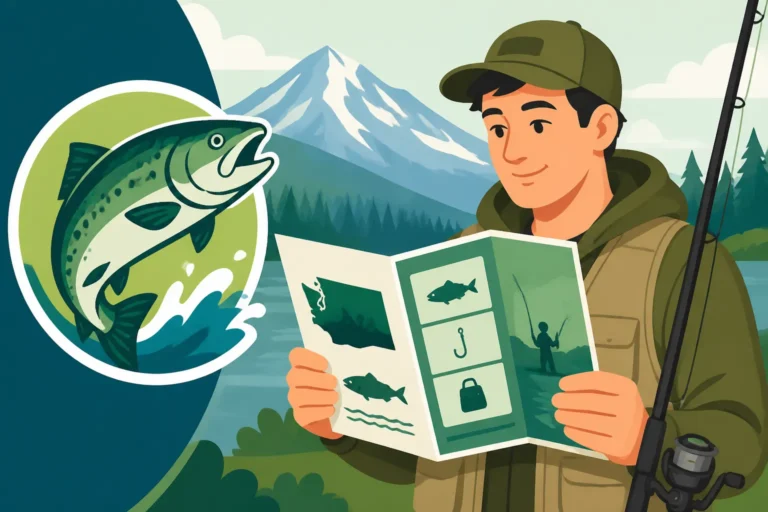
This complexity means you need to consult the WDFW's annual fishing regulations pamphlet – often referred to as "the regs" – before every trip. This comprehensive document outlines the general statewide rules as well as specific regulations for individual rivers, lakes, and marine areas. It’s where you’ll find information on Washington Sport Fishing Seasons and Emergency Closures for your target species and location. For instance, the general statewide trout season usually opens on the last Saturday in April, but many lowland lakes have different openers, and high-mountain lakes might not be accessible until well into summer. If you're planning a trip to the Skykomish River for winter steelhead, you need to know not only if the river is open, but also which sections are open and what the gear restrictions might be. The devil, as they say, is in the details, and with Washington fishing, those details can change the entire legality of your trip.
Your Essential Pre-Trip Checklist: Licenses, Endorsements, and Catch Cards
Once you've wrapped your head around the potential for rule changes and the general seasons, it's time to make sure your personal documentation is in order. This isn't just about avoiding a ticket; it’s about contributing to the conservation efforts that keep Washington’s fisheries vibrant.
Confirming Your License and Endorsements are Valid
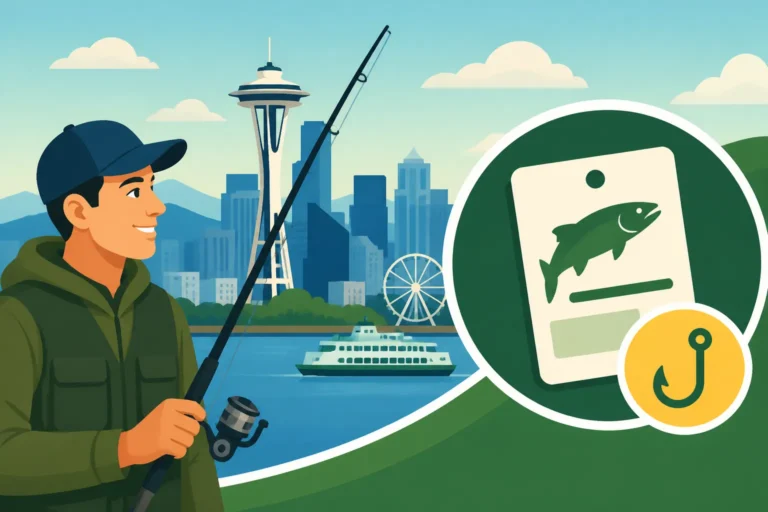
The absolute first thing on your checklist should be your fishing license. Is it current? When does it expire? Washington fishing licenses typically run for a calendar year, from January 1st to December 31st, regardless of when you purchase them. Many anglers mistakenly buy one in July and think it's good for a full year, only to realize it expires at the end of December. You can check your license validity easily through the WDFW website or the MyWDFW app. If you're unsure, it's always better to err on the side of caution and double-check. Don't be that person scrambling to buy a license on their phone at a remote boat launch with no cell service.
Beyond the basic license, many fishing opportunities in Washington require additional endorsements. If you’re targeting salmon or steelhead in the Columbia River system, you’ll need the Washington's Columbia River Salmon and Steelhead Endorsement, Explained. If you plan to fish with two poles – a popular choice for still-water trout fishing or sometimes for salmon in specific areas – you’ll need a Washington's Two-Pole Endorsement and Who Needs One. These endorsements are not optional; they are a legal requirement for specific activities and neglecting them is just as serious as fishing without a basic license. Make sure you've purchased all the necessary endorsements for the type of fishing you're planning. This is especially true if you're traveling from out of state; Washington Fishing License Guide for Nonresidents can help clarify those specific requirements.
Preparing Your Catch Record Card
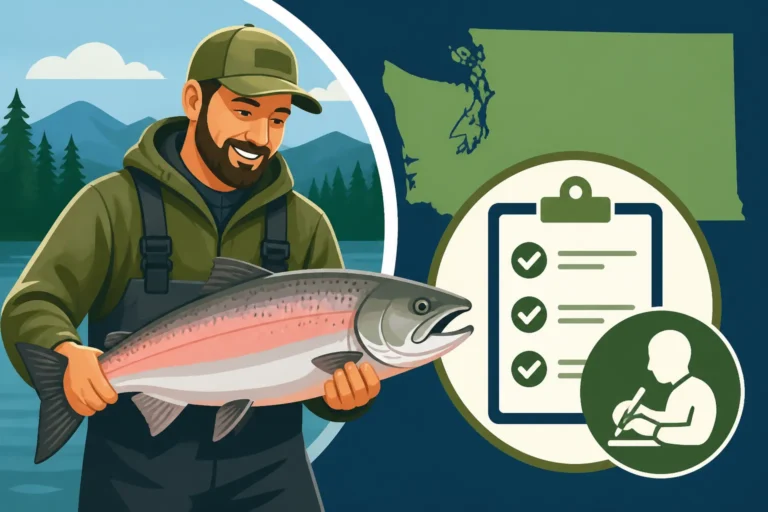
For many of Washington's most prized species – salmon, steelhead, and halibut – a Catch Record Card (CRC) is not just a good idea, it's a mandatory legal document. These cards are crucial for WDFW to collect harvest data, which directly influences future seasons and management decisions. Failing to possess one when required, or failing to properly record your catch, is a violation.
Before you even leave the house, make sure you have your CRC, and that it's the correct one for the current year. They are issued annually and can be physical cards or digital via the Fish Washington app. When you catch a salmon, steelhead, or halibut, you must immediately record the date, species, and location (marine area or river name) on your card. Not after you get home, not after you clean your fish, but immediately upon retention. For instance, if you land a beautiful Chinook in Puget Sound, the first thing you do after dispatching it and getting it into your cooler is pull out that CRC and punch out the date and circle the correct species. For more detailed information, check out The Washington Catch Record Card and What It Requires. This small piece of paper (or digital entry) is your contribution to scientific data collection, and it’s a non-negotiable part of responsible angling in Washington. Having a pen or pencil readily available (and a backup!) is always a good idea.
Gear, Bait, and Species-Specific Regulations
Just because you have a valid license and know the general season doesn't mean you're ready to cast a line. Washington has very specific rules about what gear you can use, what bait is allowed, and how many fish you can keep. These rules are often highly localized and can change frequently.
Hook Types, Bait Restrictions, and Gear Limits
This is where many anglers, even seasoned ones, can stumble. Different rivers, and even different sections of the same river, can have varying rules regarding hooks and bait. For example, many of Washington's prime steelhead rivers, particularly those on the Olympic Peninsula, require single-point, barbless hooks to reduce harm to wild fish destined for spawning. You might be targeting hatchery steelhead in a different river that allows barbed hooks, but then travel to another river for the next trip and forget to switch your gear, putting you in violation. Knowing about Barbless Hook Requirements on Washington Rivers is critical.
Bait restrictions are another common area of confusion. Some rivers or marine areas might be "fly-fishing only," or prohibit bait entirely, allowing only artificial lures. This is often done to protect sensitive runs of fish or manage catch-and-release fisheries. Imagine showing up to the Yakima River with a container of worms, only to find out it's a fly-fishing-only section. It's frustrating and a waste of your time. Always confirm Washington Bait Bans and When They Apply for your specific fishing location. Furthermore, there are limits on how many rods you can fish simultaneously. While a two-pole endorsement allows you to use two rods in many lakes, river fishing is typically restricted to one pole. Don't assume; always verify the gear regulations for your exact spot. It’s not uncommon to see wardens checking these things, especially in popular fishing areas.
Knowing Your Daily and Possession Limits
"How many can I keep?" seems like a simple question, but in Washington, the answer is often complex. Every species has a "daily limit" – the number of fish you can retain in a 24-hour period. But there's also a "possession limit," which is the total number of fish you can have on your person, in your cooler, or in your vehicle, whether fresh or processed. For many species, the possession limit is twice the daily limit, allowing you to go out for two days of fishing and keep two daily limits, but not always.
Moreover, limits can vary wildly by species, location, and even within the season. A Puget Sound Chinook salmon limit might be one fish of a certain size during an early season, then change to two fish of a different size later in the year. Some fish, like hatchery steelhead, have specific size restrictions or must have a clipped adipose fin to be legal to keep. Wild steelhead, in many areas, are strictly catch-and-release. You need to know Understanding Washington's Daily Bag Limits by Species and clearly differentiate between Possession Limits vs Daily Limits in Washington for your target. These rules are literally written in black and white in the regulations pamphlet, so take the time to read them for your specific fishing area. It's not worth the hefty fines and potential loss of fishing privileges to guess.
Weather, Water, and Access Considerations
Beyond the regulatory minutiae, practical considerations about the environment and accessibility are paramount for a successful and safe trip. Washington’s diverse geography means conditions can vary dramatically from one region to another, and even day-to-day.
Monitoring Conditions and River Flows
The weather in Washington is notoriously unpredictable, especially on the coast and in the mountains. A sunny morning can quickly turn into a torrential downpour or heavy snow in the winter. Before you head out, always check the local weather forecast for your specific destination. Dress in layers, and always bring quality rain gear. Being cold and wet can ruin a trip faster than anything else.
For river anglers, checking river flows and levels is absolutely crucial. A river that was perfectly wadeable last week might be a raging torrent after heavy rains, making it dangerous or unfishable. Conversely, extremely low flows can make fish spooky and concentrated in deep pools, changing your approach entirely. Websites like the USGS National Water Information System provide real-time data for many Washington rivers. Water clarity is another factor; a river "blown out" with muddy water is often not worth fishing, while low, clear water demands a stealthier approach. Knowing How Water Clarity Affects Steelhead Fishing can seriously inform your trip planning. You might even find useful information on river conditions from local Facebook fishing groups or online forums, but always cross-reference with official data. If you’re heading out to fish for Walleye on the Columbia, understanding how river levels might affect their bite is a game-changer.
Access Points and Local Considerations
Finally, consider your access to the water and any local restrictions. Many popular fishing spots have public boat launches or bank access points, but some areas might be private property, tribal lands with specific rules, or require special permits (like a Discover Pass for state parks). Always verify where you can legally park and access the water. For instance, while some areas on the Cowlitz River offer extensive bank access, other stretches might be entirely private.
Tide charts are indispensable for saltwater anglers. Puget Sound salmon fishing, crabbing, or clam digging are heavily influenced by the tides. An incoming tide might bring baitfish closer to shore, while a low tide is essential for accessing clam beds. Failing to check tides can mean missing the best fishing window or, worse, getting stranded.
When packing, think about more than just your fishing gear. Do you have a first-aid kit, extra water, snacks, a fully charged phone, and a backup power bank? If you're going into remote areas, consider carrying a satellite communication device. For any necessary gear upgrades or last-minute essentials, a quick browse on Amazon can often save the day, especially if you're looking for specialized items like specific fishing lures or a better headlamp. Many seasoned anglers keep a small, waterproof dry bag packed with these emergency essentials that can be tossed into any boat or backpack.
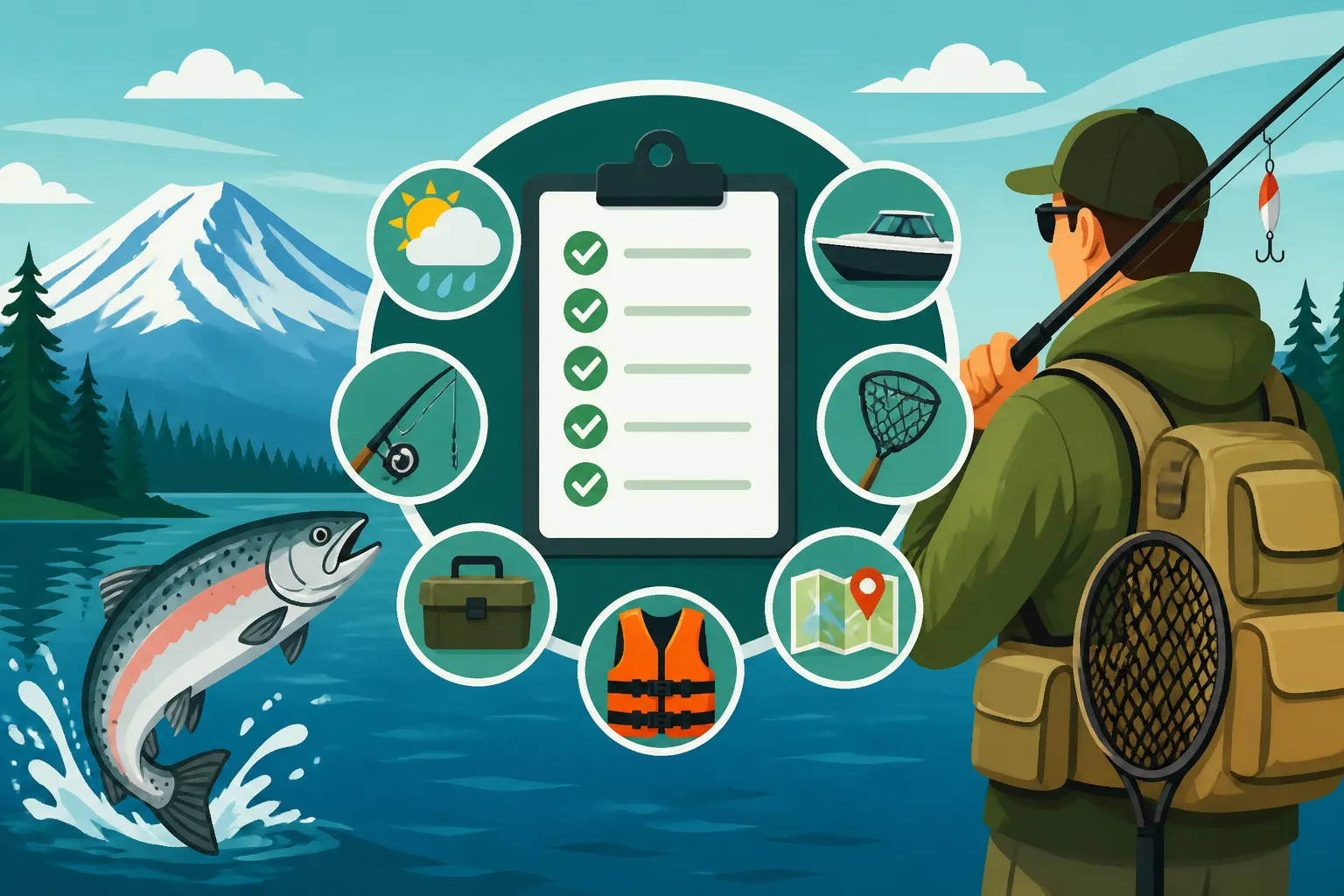
Here’s a handy table to help you keep track of your pre-trip checks:
| Category | Item to Check | How to Check | Why It's Important |
|---|---|---|---|
| Regulations | Emergency Rule Changes | WDFW website/app, Hotline, Local Tackle Shops | Rules can change daily, avoid fines. |
| Season Openers/Closures | WDFW Regulations Pamphlet, Online | Ensure your target species is open at your location. | |
| Gear Restrictions (Hooks, Bait, Poles) | WDFW Regulations Pamphlet, Specific Rule Sheets | Avoid illegal gear, protect fish. | |
| Daily & Possession Limits | WDFW Regulations Pamphlet | Stay within legal harvest limits. | |
| Licenses & Docs | Current Fishing License | MyWDFW App, Physical License | Mandatory for all fishing activities. |
| Required Endorsements (2-pole, Columbia R.) | MyWDFW App, Physical License | Legal requirement for specific fishing types/locations. | |
| Catch Record Card | Physical Card, Fish Washington App | Mandatory for salmon, steelhead, halibut; crucial for data. | |
| Conditions | Weather Forecast | NOAA, Local Weather Apps | Safety and comfort, dress appropriately. |
| River Flows/Levels | USGS, WDFW River Reports, Local Apps | Safety, fishability, access. | |
| Water Clarity | Visual observation, WDFW reports | Affects fish behavior and lure selection. | |
| Tide Charts (Saltwater) | NOAA, Marine Apps | Crucial for salmon, bottomfish, crabbing, clamming. | |
| Access & Safety | Public Access Points | WDFW Maps, Google Maps, Local Knowledge | Ensure legal entry and parking. |
| Discover Pass/Permits | Washington State Parks Website | Required for parking at state parks/recreation areas. | |
| Emergency Gear | Check your pack | First-aid, water, communication, layers. |
By taking the time to go through these critical checks before every single Washington fishing trip, you're not just adhering to the rules; you're setting yourself up for a much more enjoyable, productive, and responsible day on the water.
Disclaimer
The information provided in this article is for general guidance only and is subject to change. Fishing regulations in Washington State are dynamic and can be updated frequently by the Washington Department of Fish and Wildlife (WDFW) through emergency rule changes. Always consult the official WDFW website, current regulation pamphlets, and any emergency rule updates immediately before your trip to ensure compliance. Failure to do so may result in penalties.