Willapa Bay’s Salmon and Crab Fishery in Washington
For anglers and crabbers in Washington, the quest for that perfect, abundant spot can often feel like a never-ending riddle, fraught with crowded ramps and ever-shifting regulations. Many of us dream of a place where the scenery is as rich as the harvest, and where you might just find a bit more elbow room. That's where Willapa Bay truly shines, offering a distinct and incredibly rewarding experience for those looking to immerse themselves in Washington's vibrant salmon and crab fisheries. This comprehensive guide will walk you through everything you need to know to make your trip to Willapa Bay a smashing success, from understanding its unique ecosystem to mastering the techniques that put fish and crab in your cooler.
Understanding Willapa Bay: A Unique Estuary Ecosystem
Willapa Bay isn't just another body of water on Washington's coast; it's a dynamic, shallow estuary that offers a completely different experience from the deep, vast Puget Sound or the mighty Columbia River. Nestled on the southwest coast of Washington, it’s a haven of rich mudflats, expansive eelgrass beds, and intricate channels, all profoundly shaped by the ebb and flow of the Pacific tides.
The Bay's Geography and How It Affects Fishing
Imagine a giant, sprawling bowl, much wider than it is deep, with a relatively narrow entrance to the ocean. That's Willapa Bay. This unique geography means the bay is heavily influenced by tidal currents, which can be incredibly strong, particularly near the mouth and in the main channels. The incoming tide brings in baitfish and, crucially, salmon from the ocean, while the outgoing tide helps carry nutrients and smaller organisms out. Understanding these tidal flows is paramount to success here. If you're planning a trip, checking the tide charts isn't just a suggestion; it's a non-negotiable part of your pre-trip planning. High tide often means salmon are moving in and can be found over shallower flats, while lower tides concentrate fish in the deeper channels, making them easier to target.
The expansive mudflats, particularly those that emerge at low tide, are the backbone of Willapa Bay's immense productivity. These flats are teeming with shellfish, worms, and other invertebrates, forming a rich buffet for migrating salmon, resident bottomfish, and, most importantly, Dungeness crab. The eelgrass beds, found in shallower areas, provide critical habitat and nursery grounds for juvenile fish and invertebrates, further enriching the food web. This complex interplay of habitats supports the thriving fisheries that draw anglers and crabbers from across the region. You'll find that navigating these shallow waters requires a good chart plotter or intimate knowledge of the area, as unmarked oyster beds or sudden shallow spots can surprise an unprepared boater.
Why Willapa Bay Stands Out for Salmon and Crab
What truly sets Willapa Bay apart is its somewhat sheltered nature and its incredible productivity for both salmon and crab. While Puget Sound might offer more dramatic deep-water fishing, and the Columbia River boasts immense runs, Willapa Bay provides a more intimate, often less crowded experience with excellent opportunities, especially for Coho and Chinook salmon, and arguably some of the best Dungeness crabbing on the Washington coast.
For salmon, the bay acts as a staging ground. As salmon migrate down the coast, they often hold in the bay, feeding and acclimating before continuing their journey up the various rivers that feed into it, such as the Naselle, Willapa, and Palix Rivers. This means you can intercept these powerful fish while they are still bright, feisty, and actively feeding. Unlike river fishing where specific gear or techniques might be mandatory, the bay allows for a broader range of methods.
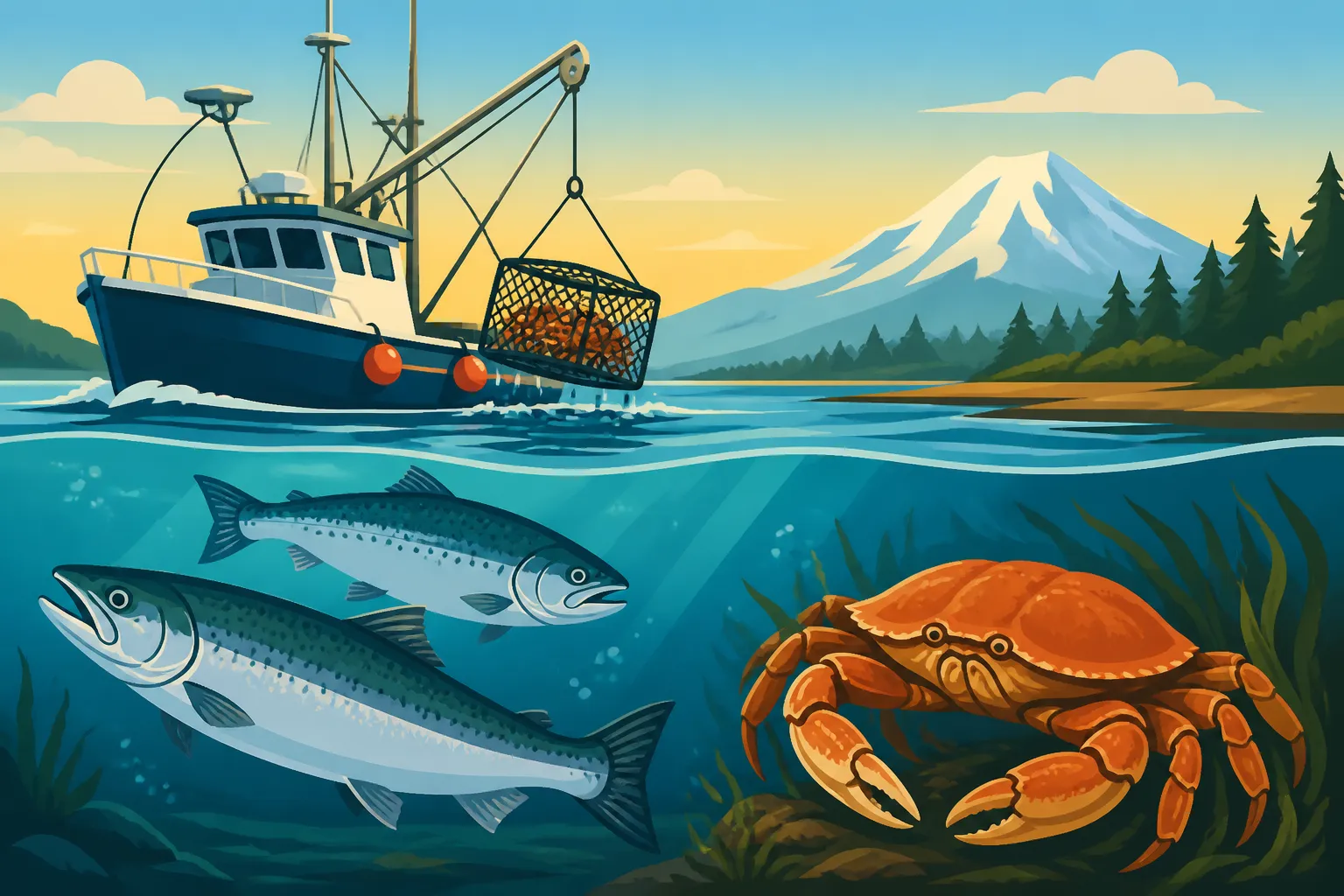
But if there’s one thing Willapa Bay is truly famous for, it’s its Dungeness crab. The sheer volume and quality of Dungeness crab here are legendary. The vast, nutrient-rich mudflats and eelgrass provide an ideal environment for these crustaceans to thrive. Crab seasons are often generous, and the catch rates can be phenomenal, making it a prime destination for families or groups looking to fill a pot with delicious crab. Many anglers combine a morning of salmon fishing with an afternoon of crabbing, making for a truly bountiful day on the water.
Chasing Salmon in Willapa Bay: What to Know
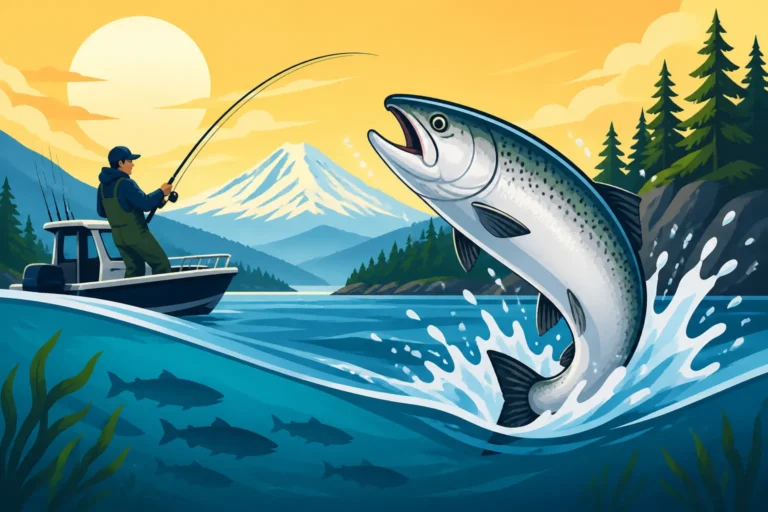
Fishing for salmon in Willapa Bay can be an incredibly rewarding experience, offering opportunities for both Chinook (King) and Coho (Silver) salmon. However, it's a fishery with its own quirks and demands, distinctly different from river fishing or open ocean trolling.
Chinook and Coho Opportunities
Willapa Bay sees strong runs of both Chinook and Coho salmon, though the specific timing and regulations can vary each year. Typically, the Chinook season in the bay kicks off in late summer, often in August, and can extend into early September. These are primarily hatchery-bound fish, meaning you’ll want to pay close attention to the Washington Department of Fish and Wildlife (WDFW) rules regarding adipose fin clips and retention. The Chinook here are typically bright, hard-fighting fish that are actively feeding as they prepare to ascend the bay's tributaries. They'll often be found in the deeper channels or along the edges of drop-offs, especially on incoming tides as they push into the bay.
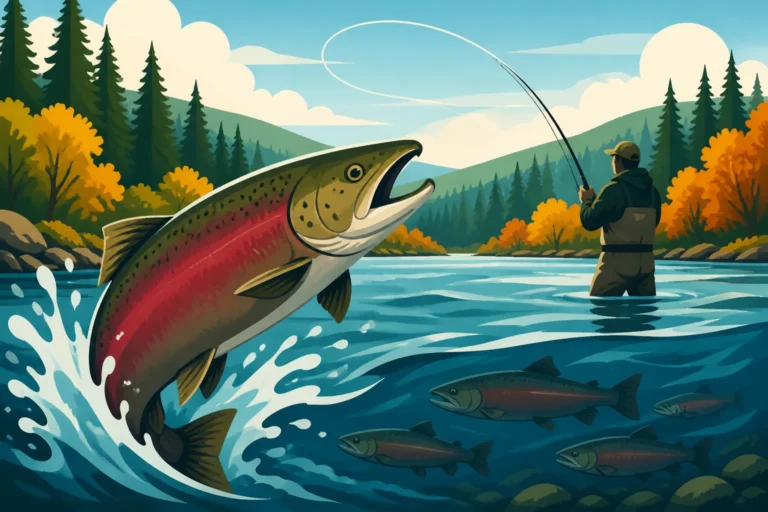
As for Coho, their run usually follows the Chinook, with peak opportunities from late August through September and often into October. Coho salmon are renowned for their acrobatic fights and aggressive takes, making them a favorite target for many anglers. Like Chinook, they use the bay as a staging area, but they are often found in shallower water than Chinook, particularly around the eelgrass beds and near the mouths of the tributary rivers on high tides. The excitement of a Coho strike is something truly special, and Willapa Bay offers some prime chances to experience it. Keep a close eye on the When Coho Salmon Run in Washington guide for more detailed timing.
Essential Salmon Fishing Techniques and Baits
When it comes to techniques for salmon in Willapa Bay, trolling is king, particularly for covering water and finding active fish. Given the bay's relatively shallow and often turbid water, presentation and scent are key.
-
Trolling: Most successful anglers here troll with downriggers or divers to get their gear to the correct depth. Flashers and dodgers are almost always used to attract attention, paired with a variety of lures or baits.
- Cut-plug herring: This is a classic and highly effective bait for both Chinook and Coho. Rigging it correctly to spin naturally is crucial. The scent trail it leaves is often irresistible to salmon.
- Scented artificial baits: Spoons, hoochies (squid skirts), and Brad's Killerfish or similar plugs are all effective, especially when tipped with a piece of herring, prawn, or a healthy dose of scent like Pro-Cure Bait Scents. The vibrant colors and action of these lures can trigger strikes, particularly from aggressive Coho.
- Trolling speed: Generally, a slower troll speed (1.5-2.5 mph) is effective in the bay, allowing your gear to work optimally and giving salmon more time to react. However, sometimes a faster speed can trigger a chase, especially for active Coho. It pays to experiment.
-
Jigging: While trolling is dominant, jigging can also be effective, especially when you mark schools of fish on your sonar. Heavy metal jigs like Buzz Bombs or Point Wilson Darts can be dropped down and retrieved with a snapping motion to entice strikes. This method is often best near deeper channels or structure.
-
Anchoring/Drift Fishing: Sometimes, if fish are really concentrated, anchoring on a productive drift or in a channel and casting spinners or bait can work. This is less common than trolling but can be a good option in specific situations, especially if you prefer a more stationary approach.
Regardless of your chosen technique, always keep a watchful eye on your depth sounder. Identifying bait balls, submerged structure, or schools of salmon holding in certain areas will significantly increase your chances. Also, remember that water clarity can vary greatly with tides and rainfall, so adjust your lure colors and presentations accordingly – brighter, more contrasting colors in turbid water, and more natural, subtle presentations in clearer conditions.
Crabbing in Willapa Bay: A Pacific Coast Delicacy
If there’s one reason many people flock to Willapa Bay, it’s for the Dungeness crab. This estuary boasts an incredibly productive and reliable Dungeness crab fishery, often opening before or having more generous seasons than other areas, making it a prime destination for recreational crabbers.
Best Practices for Dungeness Crabbing
Crabbing in Willapa Bay isn't overly complicated, but a few best practices will significantly improve your catch rates and ensure you're compliant with regulations.
-
Gear Selection: Most crabbers use either crab pots (traps) or crab rings.
- Crab Pots: These are generally more effective as they hold the crab inside once they enter. Look for pots with a good weight to prevent them from drifting in strong currents, and escape rings of the correct size to allow undersized crabs to escape. You'll need sturdy rope (at least double the deepest water you'll be crabbing in) and a buoy clearly marked with your WDFW license number.
- Crab Rings: Less effective for large catches but great for quick checks and for kids. They lie flat on the bottom, and you pull them up quickly to net any crabs that are feeding on your bait.
- You can learn more about the pros and cons in our guide on Crabbing With Pots vs Rings in Puget Sound.
-
Baiting Your Gear: The right bait is crucial. Dungeness crab are scavengers and are attracted to strong, oily scents.
- Fish Carcasses: Salmon heads, rockfish carcasses, or lingcod frames are excellent. Ask your local fish processor or charter for discards.
- Chicken or Turkey: Chicken legs, backs, or raw turkey parts are also highly effective and readily available. Secure your bait in a bait cage or sack within the pot to prevent crabs from consuming it too quickly.
- Commercial Crab Bait: Many sporting goods stores, including larger retailers like Cabela's or smaller local tackle shops around Willapa Bay, offer pre-made crab bait scents and pellets that can be added to your primary bait for an extra boost. For more specific recommendations, check out our piece on Best Bait for Washington Dungeness Crab.
-
Soaking Time and Location:
- Soaking: For pots, a soak time of 2-4 hours is usually sufficient, though some experienced crabbers will leave them overnight. In Willapa Bay, given the strong currents and potential for other boats, longer overnight soaks might increase the risk of losing gear if not properly weighted and marked.
- Location: Target the edges of channels, near eelgrass beds, or over sandy/muddy bottoms at depths ranging from 15 to 40 feet, depending on the tide. Pay attention to how the tide runs and try to place your pots where the current will carry the scent of your bait. Avoid placing them directly in the main navigation channels.
Rules and Regulations for Crabbing
Washington state regulations for Dungeness crab are strict and are designed to ensure a sustainable fishery. Ignorance of the rules is not an excuse for violations, and penalties can be steep.
- Size Limits: You can only keep male Dungeness crab that measure at least 6 ¼ inches across the widest part of their shell (caliper measurement, not including points). It's a good idea to bring a crab gauge with you.
- Sex: Only male crabs may be kept. Females must be immediately returned to the water unharmed. You can easily tell the difference by looking at the abdomen (tail flap) on the underside of the crab – males have a narrow, pointed abdomen, while females have a broad, rounded one.
- Daily Limit: The daily limit in Washington is typically 5 Dungeness crab per person. This applies to your "possession limit" as well, meaning you can't have more than this number of crab in your possession once you leave the area, regardless of how many days you've been crabbing. This is similar to the Possession Limits vs Daily Limits in Washington for fish.
- Shellfish/Seaweed License: A valid Washington shellfish/seaweed license is required for crabbing.
- Catch Reporting: While Dungeness crab don't require a catch record card like salmon or steelhead, it's still good practice to be aware of how many you've caught to stay within your limits.
- Emergency Rule Changes: Like all fisheries in Washington, crab regulations can change mid-season due to emergency rule changes. Always check the WDFW website or consult the current fishing regulations pamphlet right before your trip to ensure you have the most up-to-date information.
Navigating Regulations and Seasons
Washington's fishing and crabbing regulations can sometimes feel like a labyrinth, and Willapa Bay is no exception. It's crucial to stay informed, as rules can change frequently due to conservation efforts, run forecasts, and in-season updates.
Key Regulations for Salmon and Crab
Before you even launch your boat or set a pot, make sure you're legally prepared.
- Fishing License: Every angler (15 years or older) needs a valid Washington fishing license. For salmon, you'll need a freshwater, saltwater, or combination license. If you're only crabbing, a shellfish/seaweed license is sufficient, but if you're doing both, you'll need the appropriate combination. You can find out more about your options in our guide on Washington Fishing License Guide for Nonresidents or Resident vs Nonresident Fishing Licenses in Washington. You can buy your license online through the WDFW website or at various license vendors, including many local tackle shops and sporting goods stores like those found in nearby Long Beach or Raymond.
- Catch Record Cards: If you are fishing for salmon, you absolutely need a Washington Catch Record Card. This card is free with your annual fishing license and is essential for tracking salmon catches. You must record your catch immediately upon retention, noting the species, date, and location. This data is vital for WDFW to manage fish populations effectively. Failing to accurately fill out and return your catch card can result in fines. For a detailed rundown, see The Washington Catch Record Card and What It Requires and When You Must Record a Salmon You Keep.
- Species Identification: Be absolutely certain you can correctly identify Chinook and Coho salmon, especially regarding adipose clips for hatchery fish. Wild (unclipped) Chinook and Coho are often protected or have specific release requirements. Familiarize yourself with how to identify these species correctly before you head out.
- Gear Restrictions: Pay attention to any gear restrictions specific to Willapa Bay. For salmon, this generally means single-point barbless hooks are usually required when fishing for salmon in marine areas, including Willapa Bay. This helps minimize harm to wild fish that must be released.
- In-Season Rule Changes: This cannot be stressed enough. Fisheries management in Washington is dynamic. What's open today might be closed tomorrow, or bag limits might change. Always check the WDFW website for emergency rule changes just before your trip. This is especially true for salmon, where seasons can be shortened or extended based on actual returns. Our guide on Emergency Rule Changes: Why Washington's Rules Shift Mid-Season explains why these changes happen.
Typical Salmon and Crab Seasons
While specific dates and bag limits are always subject to change, here's a general idea of when you can expect to target salmon and crab in Willapa Bay:
- Chinook Salmon: Typically, the main Chinook season runs from late July or early August through Labor Day, sometimes a bit longer. These are generally fall Chinook destined for the various rivers flowing into the bay.
- Coho Salmon: Coho fishing often begins in late August, overlapping with Chinook, and extends well into September and sometimes early October. This provides a great late-season salmon opportunity.
- Dungeness Crab: Willapa Bay often has one of the earliest Dungeness crab openers on the Washington coast, sometimes as early as June or July, and can remain open for extended periods, even year-round in some parts, but always check current regulations. This is often an incredibly productive fishery.
Always consult the official WDFW fishing regulations pamphlet, which you can pick up at any license vendor or view online. It's your bible for a legal and successful trip.
Gear and Techniques for a Successful Trip
Having the right gear and understanding the specific techniques that work best in Willapa Bay can make all the difference between a productive trip and a frustrating one.
Salmon Rods, Reels, and Terminal Tackle
For salmon fishing in Willapa Bay, you’ll want a setup that can handle powerful, ocean-fresh fish in variable conditions.
- Rods: A medium-heavy to heavy action salmon rod, typically 8.5 to 10.5 feet in length, is ideal. This length provides good leverage for fighting fish and is suitable for trolling with downriggers or divers. Look for rods rated for 15-30 lb line. Brands like Lamiglas, G. Loomis, or Daiwa offer excellent options that are popular among Washington anglers.
- Reels: A sturdy levelwind baitcasting reel, capable of holding at least 300 yards of 20-30 lb monofilament or braided line, is essential. Key features to look for include a smooth drag system, a durable retrieve, and a reliable clicker for when you're trolling. Shimano Tekota or Penn Warfare models are solid choices that stand up well to saltwater environments.
- Line: Many anglers prefer braided main line (30-50 lb) for its sensitivity and strength, paired with a monofilament or fluorocarbon leader (20-30 lb test) for stealth and abrasion resistance. When using braid, remember to use a shock absorber or a longer leader to compensate for its non-stretch properties.
- Downriggers/Diver Systems: Willapa Bay is often fished with downriggers to get your gear to precise depths. If you don't have downriggers, diving planes like a Dipsy Diver or a Jet Diver can be used effectively to get your lure down without lead. For deeper presentations, you might also consider lead cannonballs or banana weights.
- Terminal Tackle: Always carry a variety of flashers (e.g., Hot Spot, Pro-Troll) and dodgers (e.g., Gibbs, Les Davis) in different colors and sizes. For lures, pack an assortment of spoons (e.g., Silver Horde, Coyote), hoochies (squid skirts), and plugs (Brad's Killerfish). And of course, plenty of fresh or brined herring or other bait. Don't forget swivels, snap swivels, and leader material.
Crabbing Equipment Essentials
For crabbing, simplicity and durability are key.
- Crab Pots/Rings: As discussed, ensure your pots are heavy enough to stay put. If using rings, make sure they are collapsible for easy storage. You'll want bright, identifiable buoys for your pots, clearly marked with your WDFW license number.
- Rope and Line: Heavy-duty rope that sinks is preferable to floating rope, which can get tangled in propellers. Ensure your rope is long enough for the deepest water you anticipate crabbing in, plus extra slack for tidal swings.
- Bait Containers: Use sturdy bait cages or mesh bags to secure your bait inside your pots. This keeps the bait from washing out and makes it harder for crabs to eat it too quickly.
- Crab Gauge: This is a non-negotiable item. You need a reliable gauge to measure your crabs accurately to ensure they meet the legal size.
- Gloves and Cooler: Heavy-duty gloves (like rubber-coated fishing gloves) are essential for handling crabs, as their pincers can deliver a painful pinch. A large cooler filled with ice is necessary to keep your catch fresh.
- Descender Device: While not strictly required for crab, it's a good practice to have a descending device if you also plan to do any bottomfishing, especially for rockfish, as it helps release fish at depth.
Planning Your Willapa Bay Adventure
A successful trip to Willapa Bay involves more than just knowing where and how to fish; it requires careful planning, especially when dealing with the coastal environment.
Launch Ramps and Access Points
Willapa Bay offers several public launch ramps that provide access to its waters.
- South Bend: Located on the northern end of the bay, South Bend offers good access with public ramps. It's a convenient starting point for exploring the upper bay and the lower reaches of the Willapa River.
- Bay Center: Situated on the eastern side, Bay Center provides access to prime crabbing grounds and salmon holding areas. This area is particularly popular during crab season.
- Long Beach/Ilwaco Area: While Ilwaco is technically on the Columbia River, its proximity to the mouth of Willapa Bay makes it a potential base for some, particularly if combining a trip with ocean fishing. However, for direct bay access, the ramps within the bay are more suitable.
- Nahcotta Dock: Provides a simple dock for launching smaller boats and is popular for crabbing.
Always check ramp conditions, especially during low tides, as some ramps can become very shallow. Local marinas and bait shops can often provide up-to-date information on launch conditions.
Booking a Guide or Charter
If you’re new to Willapa Bay or want to maximize your chances of success, especially for salmon, booking a local guide or charter is an excellent idea. Local guides possess invaluable knowledge about the bay’s ever-changing conditions, salmon movements, and prime crabbing spots. They typically provide all the necessary gear, bait, and often process your catch.
- Benefits: A guide can save you hours of trial and error, get you to the most productive spots quickly, and help you understand the nuances of fishing and crabbing in this unique environment. This is especially true if you're targeting elusive Chinook or trying to navigate specific tidal currents for Coho. Many guides also offer combination trips, allowing you to fish for salmon and drop crab pots.
- Finding a Guide: You can find reputable guides through local tackle shops in towns like South Bend, Raymond, or Long Beach. Online platforms like FishingBooker are also great resources for finding and booking experienced Washington fishing guides. When booking, ask about their experience in Willapa Bay specifically, what species they target, and what's included in the trip. Our How to Book a Fishing Charter in Washington guide has more tips.
Essential Safety and Comfort Tips
The Pacific Coast can be unpredictable, so safety should always be your top priority.
- Weather: Always check the marine weather forecast before heading out. Willapa Bay can get windy, and choppy conditions can develop quickly, especially near the mouth.
- Tides and Currents: Reiterate the importance of tide charts. Strong currents can be dangerous and affect boat handling. Be aware of extreme tidal swings, especially during new and full moons.
- VHF Radio: Carry a working VHF radio in addition to your cell phone. Cell service can be spotty in some areas of the bay.
- Life Jackets: Ensure everyone on board has a properly fitting life jacket, and children under 12 must wear them at all times when the vessel is underway.
- Sun Protection: Even on cloudy days, UV exposure can be high. Bring sunscreen, hats, and sunglasses.
- Rain Gear: This is Washington, after all. Always pack waterproof rain gear, even if the forecast looks clear. Conditions can change rapidly.
- Food and Water: Bring plenty of snacks and water to stay hydrated and energized throughout your day on the water.
- First Aid Kit: A well-stocked first aid kit is essential for any outing.
By combining an understanding of Willapa Bay's unique ecosystem with the right gear, techniques, and a healthy respect for its regulations and conditions, you're well on your way to a memorable and productive salmon and crab fishing adventure on Washington's stunning southwest coast.
Disclaimer
Fishing regulations and seasons, including those for Willapa Bay's salmon and crab fisheries, are subject to change by the Washington Department of Fish and Wildlife (WDFW) without prior notice. This guide is for informational purposes only and should not be considered a substitute for the official WDFW regulations pamphlet or website. Always consult the most current WDFW rules and emergency updates before planning and embarking on any fishing or crabbing trip. Adherence to all local, state, and federal laws is the responsibility of the individual angler.