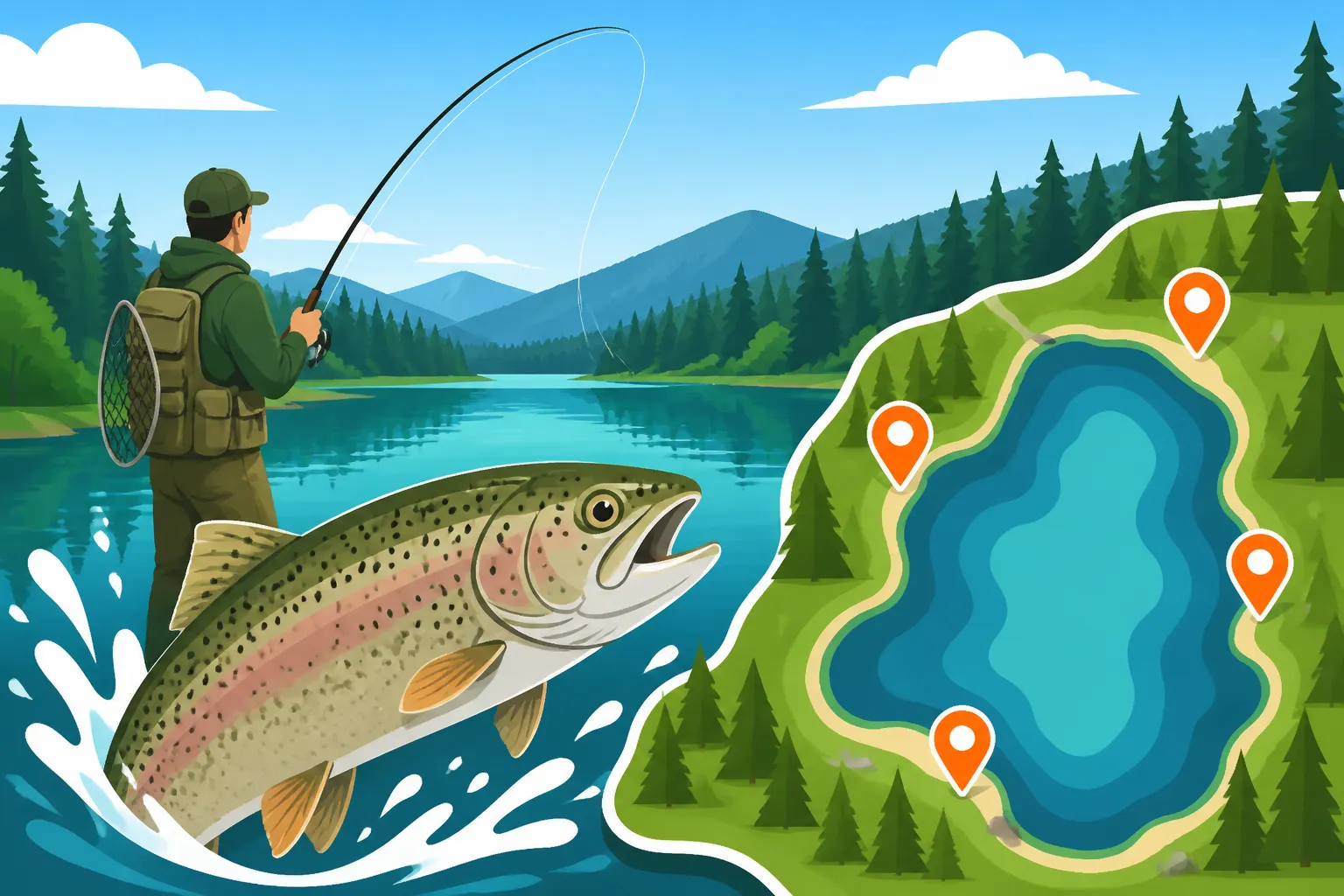
Where to Fish Cottage Lake for Trout
Many anglers, especially those new to the area or looking for a convenient spot near Seattle, often wonder where to find reliable trout fishing without venturing too far off the beaten path. It can be frustrating to drive all the way out to a lake only to find it overfished or simply not producing. Cottage Lake, nestled right in Woodinville, offers a fantastic, accessible option that’s regularly stocked, but knowing the best spots and strategies can truly make all the difference. This guide will dive deep into where to fish Cottage Lake for trout, ensuring you make the most of your next outing and avoid those disappointing blank days.
Understanding Cottage Lake's Appeal for Trout Anglers
Cottage Lake isn't just another pretty body of water in King County; it's a genuinely productive and incredibly accessible trout fishery that holds a special place in the hearts of local anglers, from seasoned veterans to families with young kids. Located just a stone's throw from the bustling communities of Woodinville, Bothell, and Redmond, it offers a quick escape into nature without requiring a full day's drive. This convenience is a huge draw for those of us who juggle busy schedules but still crave that tug on the line.
The lake itself is a relatively shallow, bowl-shaped body of water, covering about 63 acres. What makes it such a consistent performer for trout is the Washington Department of Fish and Wildlife (WDFW) stocking program. Year after year, WDFW plants thousands of catchable-sized Rainbow Trout here, turning it into a fantastic "put-and-take" fishery. This means you don't have to be an expert to find success; the fish are there, often hungry, and ready to bite. It's a fantastic spot for teaching beginners the ropes or simply enjoying a relaxing day on the water with a high probability of action. The ease of access, combined with its consistent stocking, truly solidifies Cottage Lake's reputation as a go-to trout destination in Western Washington.
Location and Accessibility
Cottage Lake is situated in the heart of Woodinville, a vibrant community known for its wineries and natural beauty. For city dwellers in Seattle, Bellevue, or Everett, it’s an incredibly easy drive, usually less than 30 minutes, depending on traffic. This means less time in the car and more time with a line in the water, which is always a win in my book. The primary public access point is the Cottage Lake Park, managed by King County Parks. This park offers amenities like picnic areas, restrooms, and, crucially for anglers, a fishing dock and plenty of shoreline access.
While motorboats are allowed, only electric motors are permitted, maintaining a peaceful atmosphere that’s perfect for tranquil fishing. This restriction also means no roaring engines to spook the fish or disturb other anglers, making it a very pleasant experience for everyone. The presence of ample parking and well-maintained pathways leading to the lake ensures that anglers of all mobility levels can comfortably reach the water's edge.
Why Cottage Lake is a Family-Friendly Gem
Beyond its accessibility and consistent trout stocking, Cottage Lake shines as an ideal spot for family fishing trips. The calm waters and electric-motor-only rule create a safe environment for kids to learn and play. The public fishing dock provides a secure platform for youngsters to cast their lines without the challenges of navigating uneven shorelines. Imagine the joy on a child's face as they reel in their first trout, a memory that will last a lifetime.
The surrounding park also offers plenty for families to do beyond fishing, including playgrounds and open grassy areas for picnicking. It’s not just about the fish; it’s about the whole experience. Many parents find that the consistent action on Cottage Lake helps keep younger anglers engaged and enthusiastic, fostering a love for the outdoors and the sport of fishing. It truly is one of the Best Washington Lake for a Family Trip you can find in the Puget Sound area.
Prime Fishing Spots and Techniques on Cottage Lake
Knowing where the fish tend to congregate and what lures them in is half the battle on any lake, and Cottage Lake is no exception. While it's relatively small, certain areas and techniques consistently outperform others, especially when targeting those freshly stocked rainbows or the occasional holdover. You don't want to just cast anywhere and hope for the best; a little strategy goes a long way.
The lake's layout, with its public park, dock, and varying depths, offers distinct advantages depending on whether you're fishing from shore or a boat. Understanding these nuances will dramatically increase your chances of success and help you pinpoint exactly where to drop your line for the best results.
The Accessible Shoreline Hotspots
For many anglers, especially those without a boat, the shoreline access at Cottage Lake Park is your best friend. The main public fishing dock is a fantastic starting point. It extends out into slightly deeper water, giving you an advantage over casting from the immediate bank. Early in the season, right after a stocking, trout will be cruising all around the dock area, making it a hotspot for bait fishing. PowerBait, especially in bright colors like rainbow or chartreuse, suspended a few feet off the bottom with a small egg sinker, is often irresistible to these hatchery fish. Garden worms or corn also work wonders.
Beyond the main dock, explore the shoreline to the east and west within the park boundaries. You'll find areas where the bank gradually slopes into the water, allowing for good casting distance. Keep an eye out for any visible structure, like submerged logs or weed lines, which can provide cover for trout. Casting small spinners (like Rooster Tails or Mepps) or spoons (like Kastmasters) parallel to these weed edges can provoke strikes from more active, cruising fish. Remember, trout often patrol these edges looking for insects or smaller baitfish.
Tactics for Boat Anglers
If you have access to a kayak, float tube, or a small boat with an electric motor, Cottage Lake opens up considerably. The ability to cover more water and reach areas inaccessible from shore is a huge advantage. Trout in Cottage Lake, especially during warmer months, will often retreat to deeper, cooler water in the center of the lake.
Trolling is a highly effective technique here. Using a small wedding ring spinner tipped with a piece of worm, or a small spoon like a Dick Nite, behind a dodger or small flasher, can entice bites as you slowly cruise the lake. Vary your depth until you find where the fish are holding, typically anywhere from 8 to 20 feet, depending on the time of year and water temperature. Don't be afraid to experiment with different trolling speeds and lure colors.
Still-fishing from a boat also works well. Anchor up near the center or over any identifiable submerged structure (if you have a fish finder) and send down bait. A sliding sinker rig with a worm or PowerBait can be incredibly effective when fished right on the bottom. Pay attention to any subtle changes in your line; sometimes a trout bite can be very soft, almost imperceptible.
Here’s a quick overview of popular spots and techniques:
| Fishing Location | Recommended Technique(s) | Ideal Bait/Lure | Best Time of Year | Notes |
|---|---|---|---|---|
| Public Fishing Dock | Still-fishing | PowerBait (rainbow, chartreuse), Worms, Corn | Spring, Fall | Excellent for beginners and families. |
| East/West Shorelines | Casting, Still-fishing | Small Spinners (Rooster Tail), Spoons (Kastmaster), Worms | Spring, Fall, Early Summer | Target weed lines and submerged structure. |
| Mid-Lake (Boat) | Trolling, Still-fishing | Wedding Ring (with worm), Small Spoons, PowerBait | All Seasons | Cover more water, access deeper fish. Electric motors only. |
| Inlets/Outlets | Fly fishing, Drifting | Small nymphs, Woolly Buggers, dry flies (seasonal) | Spring, Fall | Often holds active fish during insect hatches. |
Seasonal Strategies for Catching Trout in Cottage Lake
Fishing for trout in Cottage Lake isn't a one-size-fits-all affair throughout the year. The behavior of trout, their preferred depths, and their feeding patterns shift dramatically with the changing seasons. What works brilliantly in April might barely get a sniff in August. Understanding these seasonal changes is crucial for consistent success and helps you adapt your approach rather than sticking to a tactic that's no longer effective.
Thinking about the water temperature, available food sources, and the recent stocking schedule will give you a significant edge. Don't fall into the trap of using the same method all year round; Mother Nature, and the fish, demand a more dynamic strategy.
Spring and Early Summer Success
Ah, springtime at Cottage Lake! This is arguably the most popular and productive season for trout, especially from March through May. As the weather warms and the WDFW ramps up its stocking efforts, the lake becomes a trout angler's paradise. The fish are often aggressive and eager to bite, having just been introduced to their new home. This is when you'll see many limits caught.
During this period, the water temperature is still cool, meaning trout are comfortable and active throughout the entire lake, often cruising closer to the surface and along the shorelines. This is the prime time for bank anglers to shine. Bait fished off the bottom or suspended under a bobber works exceptionally well. Casting and retrieving small, flashy spinners or spoons from shore can also be very effective, especially on sunny days when the lure's flash attracts attention.
For boat anglers, trolling at shallow to mid-depths (5-15 feet) will put you in the strike zone. Think about covering water and finding those hungry schools. As the days lengthen into early summer, fish might start to spread out a bit more, but they'll generally remain active as long as the water doesn't get too warm. This period is also when you're most likely to observe insect hatches, making it an exciting time for fly anglers to present small nymphs or emergers. For more on general trout openings, check out our guide on When Washington's Lake Trout Season Opens.
Beating the Mid-Summer Slump
Once the dog days of summer hit, usually from late June through August, trout fishing on Cottage Lake can become a bit more challenging. The surface waters warm up significantly, sending the trout seeking refuge in deeper, cooler, and more oxygenated parts of the lake. If you try to fish the same shallow spots you did in spring, you're likely to come up empty-handed, leading to a lot of frustration.
To combat the mid-summer slump, you need to adjust your strategy. From shore, your best bet is to focus on early mornings or late evenings, often an hour after sunrise or an hour before sunset. During these cooler periods, trout might briefly venture into shallower water to feed. Otherwise, try casting further out into deeper sections from the dock.
For boat anglers, a fish finder becomes invaluable. Concentrate your efforts on the deepest parts of the lake, often towards the center. Troll your lures and baits at depths of 15-25 feet, or even deeper if your electronics indicate fish are holding there. Using a downrigger or weighted lines can help you consistently reach these deeper zones. Still-fishing with bait directly on the bottom in these deep pockets can also be very productive. Remember, patience is key in summer, and being willing to adapt to the trout's behavior will set you apart from those who leave disappointed.
Essential Gear and Regulations for Cottage Lake Trout
Heading out to Cottage Lake without the right gear or a clear understanding of the rules can quickly turn a fun day into a frustrating one, or worse, lead to a violation. Nobody wants to be caught off guard by a WDFW officer, especially when all you wanted was a peaceful day of fishing. While trout fishing can seem straightforward, a few key pieces of equipment and a solid grasp of local regulations are absolutely essential for a successful and legal outing.
This section will walk you through the tackle that works best for Cottage Lake's trout and highlight the crucial regulations you need to know. It's about being prepared and responsible, which ultimately enhances your entire fishing experience.
Recommended Tackle for Trout Anglers
For trout fishing at Cottage Lake, you don't need highly specialized or expensive gear. A light to ultralight spinning rod and reel setup is perfect. This type of rod offers the sensitivity needed to detect subtle trout bites and provides ample sport when reeling in even a modest-sized rainbow.
- Rod and Reel: A 6 to 7-foot light action spinning rod paired with a 1000 or 2000 series spinning reel is ideal. This setup is versatile enough for casting lures from shore, still-fishing with bait, or light trolling from a boat.
- Line: Spool your reel with 4 to 6-pound monofilament or fluorocarbon line. Monofilament is a good all-around choice, while fluorocarbon offers greater invisibility underwater, which can be a huge advantage in clear lake conditions. A clear or low-visibility line color is usually best.
- Terminal Tackle:
- Hooks: Size 8 or 10 single salmon egg hooks or baitholder hooks are perfect for PowerBait, worms, or corn.
- Sinkers: A small egg sinker (1/8 to 1/4 ounce) for bottom fishing, or split shots for suspending bait under a bobber.
- Swivels: Small barrel swivels prevent line twist, especially when using spinners.
- Bobbers: Small slip bobbers are great for suspending bait at specific depths, particularly useful from the dock or a still boat.
- Lures: Pack an assortment of small spinners (e.g., Rooster Tail, Mepps, Panther Martin in sizes 0-2), spoons (e.g., Kastmaster, Dick Nite in 1/8 to 1/4 oz), and perhaps some small twitching jigs. Bright colors and natural patterns both have their days.
- Bait: PowerBait (in dough form or nuggets) in various colors (chartreuse, rainbow, orange are popular), fresh worms (nightcrawlers or garden worms), and canned corn are all highly effective.
- Fly Fishing Gear (Optional): If you're into fly fishing, a 3-5 weight fly rod with a floating line is generally sufficient. Carry a selection of small nymphs (Prince Nymph, Hare's Ear), Woolly Buggers, and seasonal dry flies for matching hatches. Many of the techniques discussed in our How to Nymph for Trout on the Yakima guide can be adapted for lake environments.
Navigating Washington's Fishing Regulations for Cottage Lake
This is where many anglers can get tripped up, and it's essential to stay informed. Washington fishing regulations can be complex, but for Cottage Lake, the rules are generally straightforward for trout.
- Fishing License: First and foremost, anyone 15 years or older needs a valid Washington State fishing license to fish in Cottage Lake. This applies whether you're a resident or not. If you're new to the state or just visiting, be sure to consult our Washington Fishing License Guide for Nonresidents for all the details on obtaining the correct license. Even if you're only planning to catch and release, a license is still required.
- Catch Limits: The general statewide daily limit for trout (excluding Steelhead and Dolly Varden/Bull Trout) in lakes is typically five fish, with a minimum size of 6 inches. However, always check the current WDFW Sport Fishing Rules pamphlet for King County, as special rules or emergency closures can occur. Our guide on Washington Fishing Regulations Every Angler Should Know is a great resource, and remember that these limits are part of the broader Washington River Trout Limit guidelines, even for lakes.
- Barbless Hooks: While not always mandatory for general trout fishing in lakes, WDFW often implements barbless hook rules for specific fisheries or during certain periods, especially on rivers. It’s a good practice to use barbless hooks or crimp down the barbs on your hooks anyway, as it makes for easier and less harmful release of fish you don't intend to keep.
- Catch Record Cards: For trout fishing in Cottage Lake, you generally do not need a Catch Record Card. These are primarily required for Salmon, Steelhead, Sturgeon, and Halibut. So, one less piece of paperwork to worry about!
- Boat Rules: As mentioned, only electric motors are allowed on Cottage Lake. This rule is strictly enforced, so make sure your gas motor is trimmed up and not in use.
Always, always double-check the latest WDFW regulations for King County before heading out. Rules can change seasonally or due to emergency provisions. You can find up-to-date information on the WDFW website or by checking their weekly regulation updates. Learning How to Check for Emergency Rule Changes in Washington is a skill every angler should master.
Disclaimer
Fishing conditions and regulations in Washington state can change rapidly. Always consult the official Washington Department of Fish and Wildlife (WDFW) regulations pamphlet and emergency rule updates before heading out on any fishing trip. This guide is for informational purposes only and does not supersede official WDFW regulations.