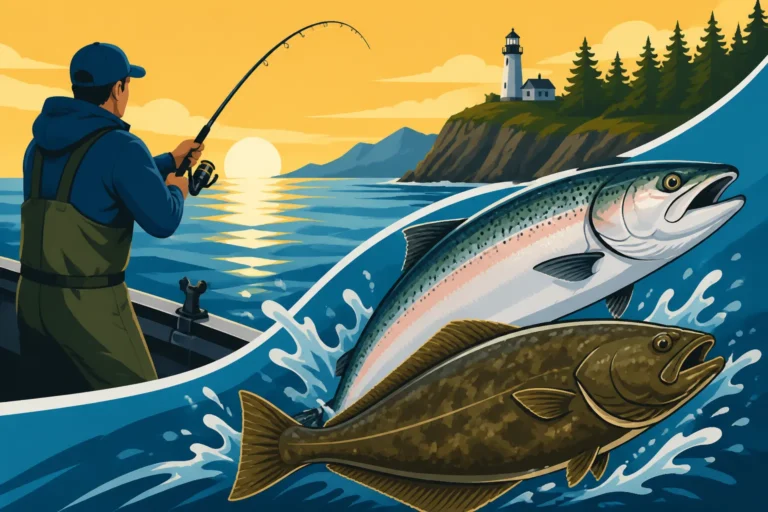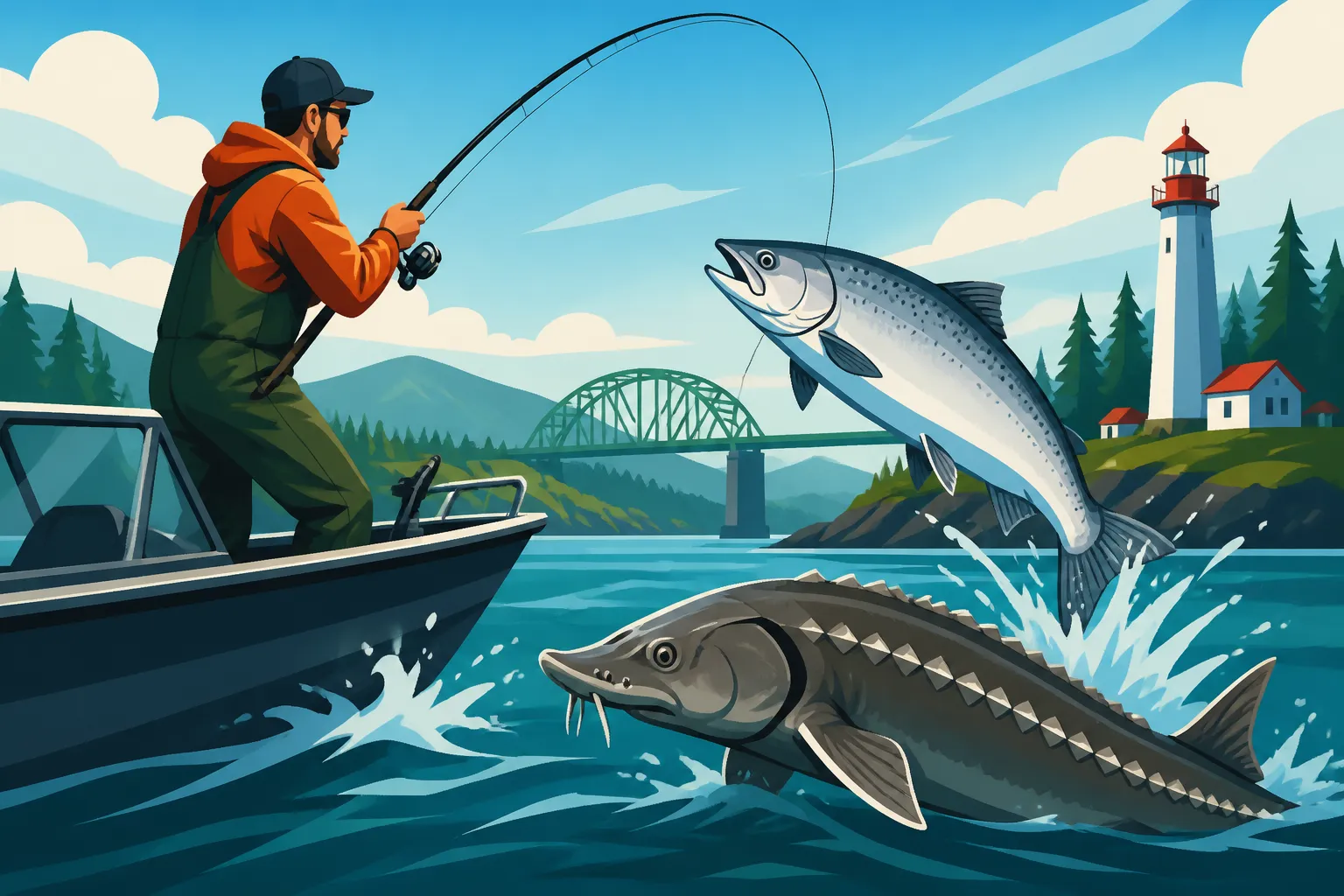
Fishing Grays Harbor, Washington for Salmon and Sturgeon
Trying to figure out where and how to tackle the fantastic fishing opportunities in Grays Harbor can feel a bit overwhelming, right? With its sprawling estuary, diverse runs of salmon, and the allure of those prehistoric sturgeon, it’s a lot to take in. This comprehensive guide is here to untangle all that complexity, giving you the inside scoop on how to make your next Grays Harbor fishing adventure a truly memorable one, focusing specifically on salmon and sturgeon.
Understanding Grays Harbor: An Angler's Overview
Grays Harbor isn't just another body of water; it's a dynamic, ever-changing ecosystem that serves as a vital artery for many of Washington's most sought-after fish species. For anglers, understanding its unique characteristics is the first step toward consistent success. It’s a place where freshwater rivers meet the Pacific Ocean, creating a fertile feeding ground and a critical migration corridor.
The Unique Estuary Environment
Grays Harbor is a large, shallow estuary on Washington's Pacific coast, fed by several significant rivers including the Chehalis River, Humptulips River, and Wynoochee River. This mix of fresh and saltwater creates a brackish environment that’s incredibly rich in nutrients, making it an ideal nursery for baitfish and a prime stopover for anadromous species like salmon and sturgeon as they transition between the ocean and their spawning grounds. The constantly shifting sands and mudflats, combined with deeper channels, offer a variety of habitats that different fish species utilize throughout the year. It's a place where understanding the local geography and how it interacts with the tides is paramount.
The sheer size of Grays Harbor can be intimidating. It's a massive bay, covering hundreds of square miles at high tide, and much of it is quite shallow. This means that access and fishing strategy are heavily influenced by the tide. You'll often find anglers working the incoming and outgoing tides, which concentrate baitfish and provide currents that salmon and sturgeon use for travel. Unlike the deep, clear waters of Puget Sound, Grays Harbor can often be turbid, especially after heavy rains, which means different presentations and gear choices might be necessary.
This unique environment also means that fish behavior can be different here compared to other systems. Salmon, for instance, might stage for longer periods in the estuary, feeding heavily before making their final push upstream into the rivers. Sturgeon, being bottom feeders, thrive in the silty, nutrient-rich waters. The constantly changing salinity levels and water temperatures throughout the harbor influence everything from baitfish movements to the activity levels of the target species. It’s a system that rewards observation and adaptability.
Key Fishing Zones Within the Harbor
Grays Harbor can be broken down into several key fishing zones, each with its own characteristics and best times to fish. The inner harbor, particularly near the mouth of the Chehalis River and areas like Johns River, is a prime location for salmon as they prepare to run upriver. These areas often have deeper channels and eddies where fish will hold, especially on slack tides. The river mouths themselves, such as the Humptulips and Wynoochee, become hot spots as fish begin to push into freshwater.
Moving further out, the main channel that leads to the ocean, often referred to as the Grays Harbor Bar, is a crucial corridor. This is where many ocean-bound salmon first enter the system or where returning salmon stage before committing to the harbor. However, fishing this area can be challenging due to strong currents and rough bar conditions, making it more suitable for experienced boaters. The outer reaches of the harbor, closer to Westport and Ocean Shores, also see action, particularly for transient salmon and sometimes even bottomfish depending on the specific location and depth.
Beyond the main channels, there are numerous shallower flats and sloughs that, while not always productive for salmon, can hold significant populations of sturgeon. These areas are often targeted by anglers using anchored boats, waiting patiently for a sturgeon to pick up their bait. Specific landmarks like the "South Channel," "North Channel," or "Elbow" are often referenced by local anglers and can be found on detailed marine charts. Knowing these specific zones and understanding what species frequent them at different times of the year is key to maximizing your success.
Tidal Influences and Their Impact
Fishing Grays Harbor without understanding the tides is like trying to navigate a maze blindfolded – it's just not going to work out. The tidal exchange in Grays Harbor is substantial, often creating powerful currents that dictate where fish hold, where bait is concentrated, and even where it’s safe to run your boat. An incoming tide brings fresh ocean water, often carrying new fish into the system, and can trigger feeding activity. An outgoing tide, conversely, flushes out the estuary, often concentrating baitfish in specific channels or eddies, making them easier targets for predatory fish.
Many experienced Grays Harbor anglers plan their trips meticulously around the tide tables. For salmon, the last few hours of an incoming tide and the first few hours of an outgoing tide are often considered prime time. This is when the currents are typically at their strongest, moving bait and making salmon more active. For sturgeon, which are often less affected by rapid movements but do benefit from current-concentrated food, fishing the slower periods of a tide change or just after slack tide can be productive, allowing your bait to settle on the bottom without being swept away.
Beyond just fish activity, tide also heavily influences navigation and access. Many areas of Grays Harbor become extremely shallow at low tide, making them impassable for boats. Launching and retrieving can also be tricky if you're not paying attention to the tide schedule. Always consult a current tide chart for Westport or Aberdeen before heading out, and consider how changing water levels will affect your ability to get to and from your chosen fishing spots. For more general guidance on understanding aquatic environments, you might find information on reading water helpful.
Chasing Grays Harbor Salmon: Species, Seasons, and Techniques
Grays Harbor is renowned for its salmon fisheries, attracting anglers from across the state and beyond. Knowing which species are present, when they typically arrive, and the most effective ways to target them is crucial for a successful trip.
Chinook Salmon: The Kings of Grays Harbor
Chinook salmon, often referred to as King salmon or Blackmouth when in their resident phase, are the prized catch in Grays Harbor. These powerful fish are known for their incredible fight and their large size. While some Chinook reside in the estuary as "blackmouth," the primary target for many anglers is the returning adult Chinook heading to the Chehalis, Humptulips, and Wynoochee rivers. The main run typically occurs in late summer and early fall, usually peaking from August through September, though exact timings can vary year to year based on water conditions and ocean returns.
When Chinook enter Grays Harbor, they are often still aggressive feeders, having spent months gorging themselves in the ocean. This makes them susceptible to a variety of techniques. Trolling with bait, especially cut-plug herring or anchovies, is incredibly popular. Anglers often use downriggers to get their gear to the desired depth, which can be anywhere from 20 to 60 feet or more, depending on where the fish are holding in the water column. Plugs like the Brads Killerfish or large spoons in various colors (greens, blues, and black with chartreuse are common favorites) can also be highly effective, mimicking baitfish moving through the murky water.
For those fishing from the bank or smaller boats, casting large spinners or spoons into known holding areas can yield results. Finding the deeper channels, current seams, and eddies where salmon tend to congregate as they move upstream is key. Remember that When Chinook Salmon Run in Washington's Puget Sound provides a general idea, but Grays Harbor specifics should always be confirmed with local WDFW regulations for precise dates and rules. The sheer strength of a Grays Harbor King demands robust gear, so don't skimp on heavy-duty rods and reels capable of handling powerful runs.
Coho Salmon: The Silver Bullet Run
Coho salmon, also known as silvers, are another major draw for Grays Harbor anglers. While often smaller than Chinook, Coho are incredibly acrobatic and feisty fighters, known for their aerial displays once hooked. Their runs typically start a little later than Chinook, usually peaking in September and October, extending well into November in some years, overlapping with the tail end of the Chinook season. These runs are often strong and provide excellent action for both boat and bank anglers.
Similar to Chinook, trolling is a highly effective method for Coho in the harbor. Smaller spoons, flashers with hoochies, or small herring can be deadly. Coho often feed higher in the water column than Chinook, so you might find success trolling shallower, sometimes even without downriggers, especially during low-light conditions. Their aggressive nature means they'll often hit lures hard, making for an exciting take. Many anglers will target both Coho and Chinook simultaneously, adjusting their gear depths as needed.
Bank anglers have fantastic opportunities for Coho, especially around the river mouths and publicly accessible tidewater areas. Casting spinners, twitching jigs, or float fishing with cured roe or prawns are all popular and effective techniques. The Chehalis River, in particular, offers extensive bank access for Coho. For more on where and When Coho Salmon Run in Washington, keep an eye on WDFW reports specific to Grays Harbor, as regulations can change frequently. Coho can be quite numerous, making for a fast-paced and rewarding fishing experience when they are in full swing.
Other Salmon Species: Chum and Pinks
While Chinook and Coho typically steal the spotlight, Grays Harbor also sees runs of Chum and Pink salmon, offering additional angling opportunities, especially in specific years. Chum salmon, sometimes called "dog salmon" due to their impressive teeth and coloration during spawning, typically arrive later in the fall, often peaking from October into November. While not always considered prime table fare once they've been in freshwater for a while, they offer a powerful fight and can be a blast to catch. Chum Salmon Identification and Where They Run in Washington can help you recognize these distinct fish.
Pink salmon, or "humpies," are the smallest of the Pacific salmon and are known for their strong biennial runs, primarily in odd-numbered years. When they do show up in Grays Harbor, usually in late summer (August-September), they can be incredibly numerous, offering non-stop action, particularly for light tackle anglers. They are enthusiastic biters and can provide a lot of fun, especially for families or beginners. Small pink-colored spinners, spoons, or flies are often highly effective for humpies.
Both Chum and Pink salmon are primarily targeted in the same areas as Chinook and Coho – river mouths, deeper channels, and areas where currents concentrate fish. Techniques like casting spinners, twitching jigs, or float fishing with bait are all viable. While they might not be the primary target for everyone, they represent fantastic opportunities for high-volume action and can be a great way to introduce new anglers to the sport. Always check the latest Washington Fishing Regulations Every Angler Should Know to ensure you are compliant with specific gear restrictions, daily limits, and open areas for these species.
The Thrill of Grays Harbor Sturgeon Fishing: What You Need to Know
Beyond salmon, Grays Harbor offers a compelling fishery for sturgeon, those magnificent, prehistoric bottom-dwellers. While largely a catch-and-release fishery, the sheer size and power of a hooked sturgeon make for an unforgettable experience.
Target Species: White Sturgeon and Green Sturgeon
In Grays Harbor, anglers primarily encounter two species of sturgeon: White Sturgeon and Green Sturgeon. White Sturgeon are the giants of the Pacific Northwest, capable of growing to immense sizes, often exceeding 10 feet in length and living for over a century. They are the largest freshwater fish in North America, and hooking into a big one can feel like trying to reel in a submerged log – until it decides to run or jump! White Sturgeon fishing in Grays Harbor is almost exclusively catch-and-release, especially for the larger "oversized" fish, which are vital for spawning. Slot limits are often in place to protect various size classes.
Green Sturgeon, while still substantial, are typically smaller than White Sturgeon, usually topping out around 7 feet. They are easily distinguished by their olive-green coloration and generally more pointed snout. What sets Green Sturgeon apart is their protected status; they are listed under the Endangered Species Act, and retaining any Green Sturgeon is strictly prohibited. If you catch a Green Sturgeon, it must be released unharmed immediately. Learning to properly identify these two species is critical for any sturgeon angler in Grays Harbor, and familiarity with White Sturgeon on Washington's Columbia River can provide a good baseline for general sturgeon knowledge, although Grays Harbor specific rules vary.
Both species are benthic feeders, meaning they forage along the bottom for food. This dictates the primary fishing techniques used to target them. They have excellent senses of smell and a unique mouth structure that extends to vacuum up food from the substrate. Understanding their feeding habits and conservation status is essential not only for successful fishing but also for responsible angling.
Prime Sturgeon Seasons and Locations
Sturgeon can be found in Grays Harbor year-round, but certain seasons and locations tend to be more productive. The spring and fall months are often considered prime time for White Sturgeon, as they are actively feeding after winter or before the colder temperatures set in. During the warmer summer months, they can also be found, though activity might slow down during the hottest parts of the day. Green Sturgeon are also present throughout these periods, often sharing the same habitat.
The key to finding sturgeon in Grays Harbor is to focus on deeper channels, drop-offs, and areas with slower currents where bait can settle on the bottom. The main stem of the Chehalis River, especially its lower sections and confluence with the harbor, is a known sturgeon hotspot. Other areas to explore include the deeper holes and bends in the harbor's main channels, particularly where there's good tidal flow but also areas of refuge. Some anglers also find success in the deeper pockets near bridges or other structures that create current breaks.
Local knowledge and up-to-date fishing reports are invaluable for pinpointing specific sturgeon holding areas, as their exact locations can shift with tides, water conditions, and food availability. It's often a patient game, anchoring in a promising spot and waiting for the fish to come to you. You'll want to ensure you have all your necessary licenses, including a Washington Fishing License Guide for Nonresidents if you're visiting from out of state, before heading out.
Effective Sturgeon Fishing Techniques
Sturgeon fishing in Grays Harbor revolves around presenting attractive bait on the bottom. The most common and effective method is anchoring your boat upstream of a promising hole or channel and deploying multiple heavy-duty bottom rigs. A typical sturgeon rig consists of a heavy pyramid or flat sinker (often 8-16 ounces or more, depending on current) to hold bottom, a leader of stout monofilament or fluorocarbon (80-150 lb test), and a large, strong circle hook (often 7/0 to 10/0). Circle hooks are preferred because they significantly reduce gut hooking, promoting healthy release.
When it comes to bait, variety is key, and fresh bait is always best. Popular choices include fresh or cured herring, anchovies, sand shrimp, squid, lamprey, and even chunks of salmon or steelhead carcasses (where legal and permissible). Many experienced sturgeon anglers will use a "cocktail" of baits, combining a few different options on one hook to create a more enticing scent trail. It's not uncommon to fish two or three rods per angler, spaced out to cover a wider area, but always be mindful of legal rod limits.
Patience is paramount in sturgeon fishing. You might sit for hours without a bite, then suddenly your rod tip will dip and bounce with the unmistakable "sturgeon tap." When you get a bite, resist the urge to immediately set the hook. Instead, let the fish take the bait, and the circle hook will typically do its job as the sturgeon swims away. Once hooked, prepare for a long, powerful fight that can test your endurance and gear. Always be ready to chase a larger fish with your boat if necessary, but remember, the goal is a safe and successful release.
| Species | Primary Season | Typical Locations | Recommended Bait/Lures | Key Regulation |
|---|---|---|---|---|
| Chinook Salmon | Late Summer – Fall | River mouths, deeper channels | Cut-plug herring, anchovies, large spoons/plugs | Check specific bag/size limits |
| Coho Salmon | Fall – Early Winter | River mouths, main channels, tidewater | Smaller spoons, flashers, hoochies, spinners, roe | Check specific bag/size limits |
| Chum Salmon | Late Fall | River mouths, shallow areas (overlaps Coho) | Spinners, jigs, flies, roe | Primarily catch-and-release by preference |
| Pink Salmon | Late Summer (Odd Years) | Throughout harbor, river mouths | Small pink spinners, spoons, flies | Check specific bag/size limits |
| White Sturgeon | Year-round (Spring/Fall peaks) | Deeper channels, holes, river bends | Sand shrimp, herring, squid, lamprey | Catch-and-release focus, slot limits often apply |
| Green Sturgeon | Year-round | Deeper channels (overlaps White Sturgeon) | Sand shrimp, herring, squid, lamprey | Absolutely no retention (ESA listed) |
Essential Gear and Tactics for Grays Harbor Success
Having the right gear makes all the difference when tackling the diverse fisheries of Grays Harbor. From the rods and reels to the baits and safety equipment, being prepared ensures you can adapt to various situations and species.
Rods, Reels, and Line Selection
For salmon in Grays Harbor, you'll want versatile setups that can handle both trolling and casting. A medium-heavy action rod, typically 9 to 10.5 feet in length, is a popular choice for boat fishing, providing enough backbone for powerful salmon while still having a sensitive tip to detect bites. For bank anglers, a longer rod, 10 to 12 feet, is often preferred to gain extra casting distance and provide better line control. Matched with a reliable level-wind reel for boat fishing, or a durable spinning reel for casting from shore, spooled with 20-30 lb monofilament or 30-50 lb braided line, you'll be well-equipped. Braided line offers superior sensitivity and strength, but a monofilament or fluorocarbon leader is usually tied on for stealth and abrasion resistance.
Sturgeon fishing demands even heavier artillery. You’ll need stout, heavy-action rods, often 7.5 to 9 feet long, specifically designed for bottom fishing with heavy weights. These rods need serious lifting power to contend with the immense strength of a large sturgeon. Pair these with robust conventional reels, like a Penn Squall or Shimano Tekota, spooled with 60-100 lb braided line, backed with plenty of capacity. A heavy monofilament or fluorocarbon leader, 80-150 lb test, is essential to withstand the sturgeon's abrasive skin and powerful runs.
Having multiple setups can be beneficial if you're targeting both salmon and sturgeon on the same trip, or if you want to switch between different salmon techniques. Always ensure your knots are strong and your drag systems are properly set before fishing, as a big Grays Harbor fish can test the weakest link in your tackle. Regular maintenance of your gear, especially after saltwater exposure, is crucial to prevent corrosion and ensure smooth operation.
Baits and Lures for Salmon and Sturgeon
The choice of bait and lures in Grays Harbor is critical, and often varies by target species and water conditions. For salmon, fresh bait is king. Cut-plug herring or whole anchovies, fished behind a flasher or dodger, are perennial favorites for Chinook and Coho when trolling. The action of a perfectly cut herring can be irresistible. For Coho, smaller spoons like a Silver Horde Coho Killer or a Dick Nite spoon, often in bright or natural baitfish colors, can be very effective, especially when fished higher in the water column. Plugs, such as the Brads Killerfish or Kwikfish, are also excellent choices for salmon, particularly when back-trolling in river mouths.
Bank anglers targeting salmon will find success with a variety of offerings. Cured salmon roe, fished under a float, is a deadly bait for all salmon species, especially when fresh fish are entering the system. Prawns, sand shrimp, and even artificial baits that mimic these can also be productive. For aggressive biters like Coho and Pinks, casting spinners (Blue Fox, Roostertail) or twitching jigs (often in pink, chartreuse, or black) can elicit violent strikes. Understanding Bank Fishing Techniques for Washington Salmon can help refine your approach from shore.
For sturgeon, scent and freshness are paramount. Sand shrimp, herring, anchovies, squid, and even lamprey are all proven producers. Many anglers will "milk" their bait by gently squeezing it to release more scent, or use scent attractants to boost their offering. Experimenting with different baits can be worthwhile, as sturgeon can sometimes show a preference for one over another on a given day. Always present your bait cleanly on the bottom, ensuring it's not buried in mud but is sitting enticingly for a cruising sturgeon.
Electronics and Safety Gear
While not strictly "gear" for catching fish, having the right electronics and safety equipment can dramatically improve your success and, more importantly, ensure a safe trip on Grays Harbor. A reliable fish finder (sonar/chartplotter combo) is invaluable for locating structure, identifying channels, and spotting schools of baitfish or even individual salmon and sturgeon holding near the bottom. Modern units with side-imaging or down-imaging capabilities can provide an even clearer picture of the underwater world, helping you pinpoint exactly where the fish are. GPS functionality on your chartplotter will help you navigate the often-confusing channels, mark productive spots, and safely return to the launch.
Beyond fishing-specific electronics, safety gear is non-negotiable on Grays Harbor. Due to its exposure to the Pacific and the strong tidal currents, conditions can change rapidly. Always have properly sized life jackets for everyone on board, readily accessible. A marine VHF radio is crucial for communicating with other vessels and emergency services, especially if you venture towards the bar. Carrying flares, a whistle, a first-aid kit, and a spare paddle (even on a powerboat) are essential precautions. A good anchor with plenty of rode (line) is also vital, particularly for sturgeon fishing, where you'll be stationary in potentially strong currents.
Understanding the specific hazards of Grays Harbor, like shifting sandbars and dynamic bar conditions near the ocean, requires respect and preparation. Always check the marine weather forecast before heading out, and if in doubt, err on the side of caution. Even if you're just fishing from shore, let someone know your plans and expected return time. Safety should always be your top priority, allowing you to focus on the thrill of the catch.
Navigating Regulations and Access in Grays Harbor
Fishing in Grays Harbor, like anywhere in Washington, requires adherence to specific regulations and an understanding of where you can legally access the water. The Washington Department of Fish and Wildlife (WDFW) manages these fisheries closely, and rules can change frequently.
Understanding Grays Harbor WDFW Rules
The WDFW regulations for Grays Harbor are complex and can vary significantly by species, time of year, and even specific areas within the harbor. It’s absolutely essential to consult the most current WDFW Sport Fishing Regulations pamphlet, available online or at license vendors, before every fishing trip. This pamphlet is your bible for understanding daily bag limits, possession limits, size restrictions, open seasons, gear restrictions (e.g., barbless hooks, lead bans), and specific boundary descriptions for open and closed areas. For a general overview, you can refer to Washington Fishing Regulations Every Angler Should Know, but remember to always double-check the Grays Harbor specific rules.
One of the most frequent pain points for anglers is the emergency rule changes that WDFW often implements to manage fisheries in real-time. These changes can close seasons, modify limits, or change gear requirements with very little notice, sometimes just days before. Staying informed means regularly checking the WDFW website for "Emergency Rules" or signing up for their email alerts. A valid Washington fishing license is, of course, mandatory for anyone over the age of 14, and specific endorsements, like a catch record card for salmon and steelhead, are also required.
Don't forget the importance of The Washington Catch Record Card and What It Requires. For salmon, steelhead, and sturgeon (when retention is allowed), you must immediately record your catch on this card. This data is vital for WDFW to manage future fishing seasons effectively. Failure to correctly fill out your card or possessing an unrecorded fish can lead to significant fines. For a detailed walkthrough, check out How to Fill Out a Washington Catch Record Card.
Public Access Points and Boat Launches
Grays Harbor offers a variety of public access points for both boat and bank anglers. For boaters, several well-maintained public boat launches provide access to the various sections of the harbor and its feeder rivers. In Aberdeen and Montesano, launches provide direct access to the Chehalis River, a prime artery for salmon and sturgeon. Towards the coast, the Westport Marina offers extensive launch facilities and moorage, ideal for accessing the outer harbor and ocean. Other smaller, localized ramps might also be available depending on your specific target area.
Bank access is also available, particularly along the Chehalis River and in certain tidewater areas within the harbor. Parks, designated fishing piers, and road-end access points can provide opportunities for anglers without a boat. However, much of the Grays Harbor shoreline is privately owned, so always be respectful of private property and posted signage. Never trespass, and always leave an area cleaner than you found it.
Before heading out, it’s a good idea to research specific access points for your chosen fishing area. Google Maps, local fishing forums, and WDFW access maps can be valuable resources. Keep in mind that some access points might be tidally dependent, meaning they are only usable at certain water levels. Parking can also be an issue at popular spots, especially on busy weekends, so plan to arrive early.
Considering a Guided Fishing Experience
For those new to Grays Harbor, or even experienced anglers looking to maximize their chances, hiring a licensed fishing guide can be an excellent investment. A good local guide possesses invaluable knowledge of the harbor's ever-changing conditions, fish movements, and productive spots that would take years to acquire on your own. They typically provide all the necessary high-quality gear, bait, and tackle, and often have the latest information on emergency rule changes and fish activity.
Washington has many reputable fishing guides who specialize in Grays Harbor salmon and sturgeon. They operate comfortable boats equipped with top-notch electronics, and their expertise can dramatically increase your chances of success, especially on species like Chinook or the elusive sturgeon. Platforms like FishingBooker make it incredibly easy to find and compare local Grays Harbor guides, read reviews from other anglers, and book your trip with confidence. They offer a range of options, from half-day salmon trips to full-day sturgeon excursions, catering to different preferences and budgets.
A guided trip is particularly beneficial when targeting specific, time-sensitive runs or for learning the nuances of fishing a complex system like Grays Harbor. Your guide will handle navigation, put you on the fish, and teach you effective techniques, allowing you to focus on the joy of fishing. It's also a great way to learn responsible angling practices specific to the area. If you're considering a guided trip, checking out resources like How to Book a Fishing Charter in Washington can help you prepare for the experience and know what questions to ask your potential guide. Whether you're a seasoned angler or a complete beginner, a guided trip can provide an unparalleled experience and a deeper understanding of fishing Grays Harbor. For even more detailed local insights, you might want to look into Grays Harbor's Salmon and Crab Fishery in Washington if you're interested in broadening your fishing horizons beyond just salmon and sturgeon.
Disclaimer
Fishing regulations, seasons, and conditions in Washington State, especially in dynamic environments like Grays Harbor, are subject to frequent change by the Washington Department of Fish and Wildlife (WDFW). While this guide provides comprehensive information, it is your responsibility to consult the most current WDFW regulations pamphlet and emergency rule updates before engaging in any fishing activity. This article is for informational purposes only and does not constitute legal advice or an endorsement of any specific fishing practice. Always prioritize safety, respect private property, and practice ethical angling.