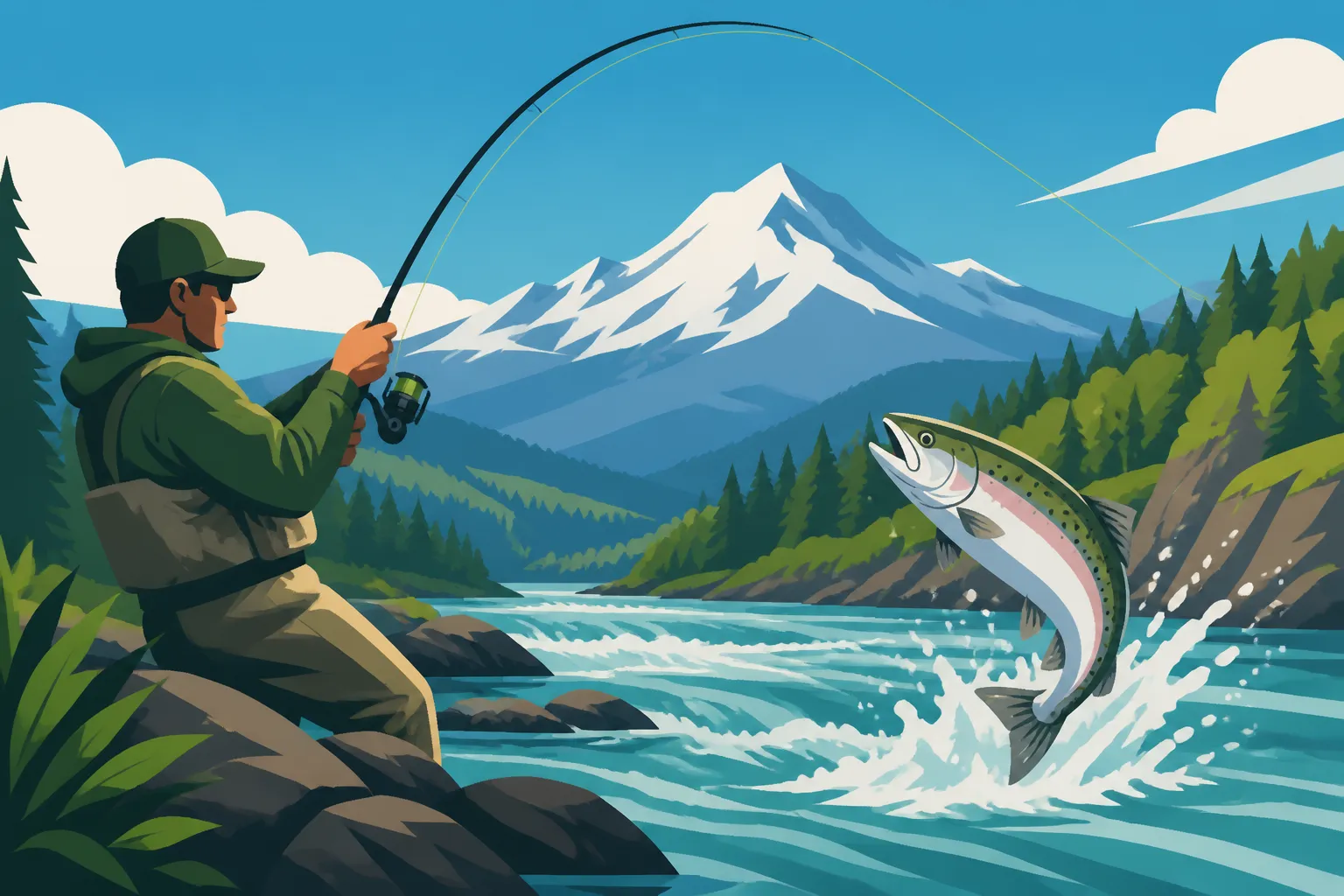
Is the White Salmon River Good for Fishing?
For anglers wondering if the White Salmon River lives up to its reputation, the answer is a resounding "it depends" – largely on what you're hoping to catch and your willingness to adapt to a truly wild and dynamic river. This guide will take a deep dive into what makes the White Salmon River a distinctive fishing destination in Washington, covering its unique history, prime target species, and the techniques you'll need to navigate its challenging yet rewarding waters.
The White Salmon River: A Unique Washington Gem
The White Salmon River, flowing from the glaciers of Mount Adams down to the mighty Columbia River, has always been a special place. But for anglers, its story took a dramatic turn over a decade ago, fundamentally reshaping its ecosystem and, consequently, its fishing opportunities. This isn't your average placid trout stream; it's a river with a powerful personality, known for its pristine beauty, whitewater rafting, and, increasingly, its recovering fish populations.
A River Transformed: Post-Dam Removal Impact
The single most significant event that changed the White Salmon River's fishing landscape was the removal of the Condit Dam in 2011. For nearly a century, this dam blocked fish passage, effectively cutting off native salmon and steelhead from their historical spawning grounds upstream. The removal of Condit Dam was an monumental undertaking, opening up over 33 miles of pristine habitat in the main stem and an additional 30 miles in its tributaries. This reconnected the river to the Columbia, allowing species like Chinook salmon, coho salmon, and steelhead to return to stretches they hadn't seen in generations.
This transformation means that the White Salmon River is still very much a river in recovery, and its fisheries are evolving. While not all species have rebounded equally, the renewed access to cold, clean headwaters has been a boon for anadromous fish. It's a testament to river restoration efforts and offers a unique chance for anglers to be part of a rebuilding fishery. Fishing here isn't just about catching fish; it's about witnessing and participating in a genuine ecological success story, even if it means more challenging conditions and stricter regulations compared to other rivers.
Navigating Access and Regulations
Fishing the White Salmon River requires a good understanding of its geography and current rules. The river flows through a mix of private and public lands, and while there are several access points, many are geared towards whitewater enthusiasts. For anglers, popular spots include various pull-offs along the river roads, particularly in the lower and middle sections. Identifying suitable bank access can sometimes be a challenge, so scouting locations ahead of time or utilizing satellite maps is highly recommended. Some sections may require wading, while others might be best fished from a drift boat or raft, especially if you're covering significant distances.
Perhaps even more critical than physical access are the ever-changing and often complex Washington fishing regulations. The White Salmon River is part of the Columbia River tributary system, which means it often falls under specific, sometimes unique, regulations managed by the Washington Department of Fish and Wildlife (WDFW). These rules can dictate seasons, gear restrictions, bait allowances, and catch limits for different species. For instance, specific sections might be catch-and-release only for wild steelhead, or have temporary closures based on run forecasts. It's absolutely essential to consult the latest WDFW pamphlet or check for any emergency rule changes before heading out. Understanding "Washington Fishing Regulations Every Angler Should Know" is vital, and specifically for this river, paying close attention to the section on Columbia River tributaries will save you a lot of headaches.
Target Species and Seasons on the White Salmon
When considering a fishing trip to the White Salmon, it's crucial to set realistic expectations for what you might encounter. This isn't a river overflowing with hatchery returns for easy limits, but rather a place where patience and skill can be richly rewarded with a truly wild catch.
Steelhead: The Primary Draw
For many serious anglers, the steelhead are the undisputed stars of the White Salmon River. Before the dam removal, steelhead runs were severely limited, but with the upstream passage now open, these magnificent ocean-run rainbow trout are slowly returning to their ancestral spawning grounds. The White Salmon hosts both winter and summer steelhead, though the runs are primarily wild, making them highly prized and heavily protected.
Winter steelhead typically enter the river from late fall through spring, peaking in mid-winter. These fish are known for their incredible fighting power and often hold in deeper pools and runs. Summer steelhead, generally smaller but equally acrobatic, arrive in late spring and early summer, holding over in the colder upper reaches until spawning in the fall.
However, fishing for steelhead on the White Salmon is not for the faint of heart. These are wild fish, often wary and spread out. Many sections of the river are designated as wild steelhead zones, meaning strict catch-and-release rules apply. This requires barbless hooks and careful handling to ensure the fish's survival. Understanding the nuances of "Wild Steelhead Release Rules on Washington's Olympic Peninsula Rivers" can provide valuable insight, as similar conservation ethics and practices are crucial on the White Salmon. If you're specifically targeting "Steelhead: Washington's Ocean-Run Rainbow Trout", be prepared for a challenging yet incredibly rewarding pursuit that prioritizes the health of the run.
Resident Trout and Other Opportunities
Beyond steelhead, the White Salmon River offers good opportunities for resident trout. You'll find healthy populations of rainbow trout and cutthroat trout throughout the river system, particularly in the upper reaches and tributaries where water temperatures remain cold. These fish are typically smaller than their anadromous cousins, often in the 8-14 inch range, but they are eager biters and provide consistent action, especially during the warmer months.
Fishing for resident trout can be a great way to experience the river's beauty without the intense pressure often associated with steelhead. The season for river trout in Washington generally extends through spring and summer, though specific closures can occur. Always check "Washington Sport Fishing Seasons and Emergency Closures" to confirm before planning your trip.
In the lower river sections, closer to the Columbia, you might also encounter smallmouth bass. These aggressive fish offer a fun diversion, particularly during the summer when water temperatures are warmer. Additionally, with the dam removed, fall Chinook and coho salmon are also slowly making their return, though their runs are still in early recovery stages and are often managed with very conservative seasons, if any. Anglers targeting these salmon should pay extra attention to specific regulations for each run.
| Species | Primary Season | Typical Size | Key Regulations | Notes |
|---|---|---|---|---|
| Wild Steelhead | Winter & Summer | 20-35 inches | Catch-and-Release, Barbless | Challenging, highly prized. Respect wild populations. |
| Rainbow Trout | Spring, Summer, Fall | 8-14 inches | General WDFW trout rules | Resident populations, good for consistent action. |
| Cutthroat Trout | Spring, Summer, Fall | 8-16 inches | General WDFW trout rules | Native species, common in upper river. |
| Smallmouth Bass | Summer (lower river) | 10-18 inches | General WDFW bass rules | Aggressive, fun fight near Columbia confluence. |
| Chinook/Coho | Fall (lower river) | Variable | Highly regulated, if open | Recovering runs, very limited opportunities. |
Effective Fishing Techniques for the White Salmon
The White Salmon River's diverse character demands a versatile approach from anglers. From deep, slow pools to fast, rocky rapids, understanding the right techniques for different sections and target species is key to success.
Fly Fishing: A River Angler's Paradise
For many, the White Salmon is synonymous with fly fishing, especially for its prized steelhead and resident trout. The river's relatively clear, cold water and abundant insect life make it an ideal environment for presenting flies.
When targeting steelhead, swinging flies with a two-handed spey rod or drifting nymphs under an indicator are popular and effective methods. For winter steelhead, larger, darker patterns like intruders, leeches, or heavily weighted stonefly nymphs can be productive. Summer steelhead often respond well to lighter spey flies, dry lines with skating dries in the evening, or smaller nymphs. Understanding "Fly Fishing Techniques for Winter Steelhead in Washington" can give you a solid foundation, even if the specific river dynamics vary.
For resident rainbow and cutthroat trout, standard single-hand fly rods (3-6 weight) are perfect. Nymphing with patterns like Hare's Ears, Pheasant Tails, or Prince Nymphs is consistently effective, especially in riffles and runs. During hatches, dry fly fishing can be spectacular, with caddis, mayflies, and stoneflies all making appearances throughout the warmer months. Learning more about "Fly Fishing Washington's Rivers and Lakes" will help you prepare for a variety of conditions. Always be mindful of the river's flows; high water can make wading dangerous and fly fishing challenging, while lower, clearer water often calls for more delicate presentations.
Conventional Gear: Spin Fishing Approaches
While fly fishing holds a special place, conventional spin fishing gear can be equally effective on the White Salmon, particularly for those less experienced with a fly rod or when water conditions dictate a different approach.
For steelhead, drift fishing with small clusters of cured roe, soft beads, or yarn tied to a lead-head jig is a go-to technique. Using a float and jig or float and bait setup can also be incredibly effective for suspending your offering in prime holding water without getting snagged on the bottom. When learning "Drift Fishing for Steelhead in Washington Rivers", consider the White Salmon's current and depth. Spoons and spinners, like the classic Blue Fox Vibrax or a vibrant Little Cleo, can also entice aggressive steelhead, especially when cast into seams and current breaks. Remember, barbless hooks are usually required for steelhead, so ensure your lures are properly outfitted.
For resident trout, small spinners (e.g., Rooster Tails, Panther Martins) and spoons are very productive. Casting these across riffles and retrieving them through pools can draw strikes. When bait is allowed, a simple worm or powerbait setup fished on the bottom or under a float can work wonders, especially for stocker trout if any are present in accessible areas. The key is to match your lure size to the water conditions and the size of the fish you're targeting.
Essential Tips for a Successful White Salmon Trip
Embarking on a fishing adventure on the White Salmon River requires more than just knowing what fish are there and how to catch them. It demands respect for the river, preparedness for its wild nature, and an understanding of its unique challenges.
Reading the Water and Safety First
The White Salmon River is a dynamic, powerful waterway, famous for its whitewater rafting. This means conditions can change rapidly, and river features can pose significant safety risks. Before you even cast a line, spend time observing the water. Look for seams where faster currents meet slower ones, which often indicate holding lies for fish. Identify deeper pools, submerged structure, and areas of reduced current behind rocks or logs – these are prime spots for steelhead and larger trout to rest. The river's gradient is steep in many places, creating powerful hydraulics and slippery rocks, so wearing appropriate wading boots with good traction and carrying a wading staff are non-negotiable safety measures. Always let someone know where you're going and when you expect to return. It's not uncommon for anglers to consult "What to Check Before Every Washington Fishing Trip" to cover all bases before heading out to a river like this.
Water levels are another critical factor. The White Salmon can fluctuate significantly with rainfall and snowmelt, impacting both fish behavior and angler safety. High, turbid water can make fishing difficult and dangerous, while very low, clear water demands a stealthier approach and can make fish extra wary. Always check online river gauges for the White Salmon or its tributaries before you leave home.
When to Consider a Guided Trip
For a river as nuanced and wild as the White Salmon, especially if you're targeting steelhead, considering a guided trip can be a game-changer. Local guides possess invaluable knowledge of the river's ever-changing conditions, the specific runs of fish, and the most effective techniques for that particular day. They know where the fish are holding, how to safely navigate the river, and can provide all the necessary gear and instruction. This is particularly beneficial for those unfamiliar with the river's unique character or for anyone looking to maximize their chances of success and learn advanced techniques.
A professional guide can significantly shorten the learning curve, taking you to productive water that might be difficult to access otherwise. They also stay on top of the latest "Emergency Rule Changes: Why Washington's Rules Shift Mid-Season", ensuring you're always fishing legally and responsibly. If you're looking for a guide, platforms like FishingBooker can connect you with experienced, local operators who specialize in the White Salmon River. They offer a range of options, from half-day walk-and-wade trips to full-day drift boat excursions, and often provide insights into "Washington Steelhead Guide Cost". When booking through FishingBooker, you can easily read reviews, compare services, and find a guide who matches your preferences and skill level, making your first trip to the White Salmon much more enjoyable and productive. Don't hesitate to ask your guide about the best times of year to target specific species or what gear to bring.
Disclaimer
Please note: Fishing regulations in Washington State can change frequently, often with short notice due to emergency closures or openings. Always consult the latest Washington Department of Fish and Wildlife (WDFW) regulations before planning any fishing trip. This guide is for informational purposes only and does not supersede official WDFW regulations.