River Near Portland That Crosses Into Washington
Finding that perfect fishing spot near Portland, a river that crosses into Washington and offers fantastic angling opportunities, can sometimes feel like a treasure hunt. You're looking for convenience, great fish, and hopefully, not too much of a drive. This guide is here to unravel the mystery and point you directly to the legendary Columbia River and its incredible Washington tributaries, offering all the essential details you need for a successful cross-state fishing adventure.
The Mighty Columbia: Washington's Border River Near Portland
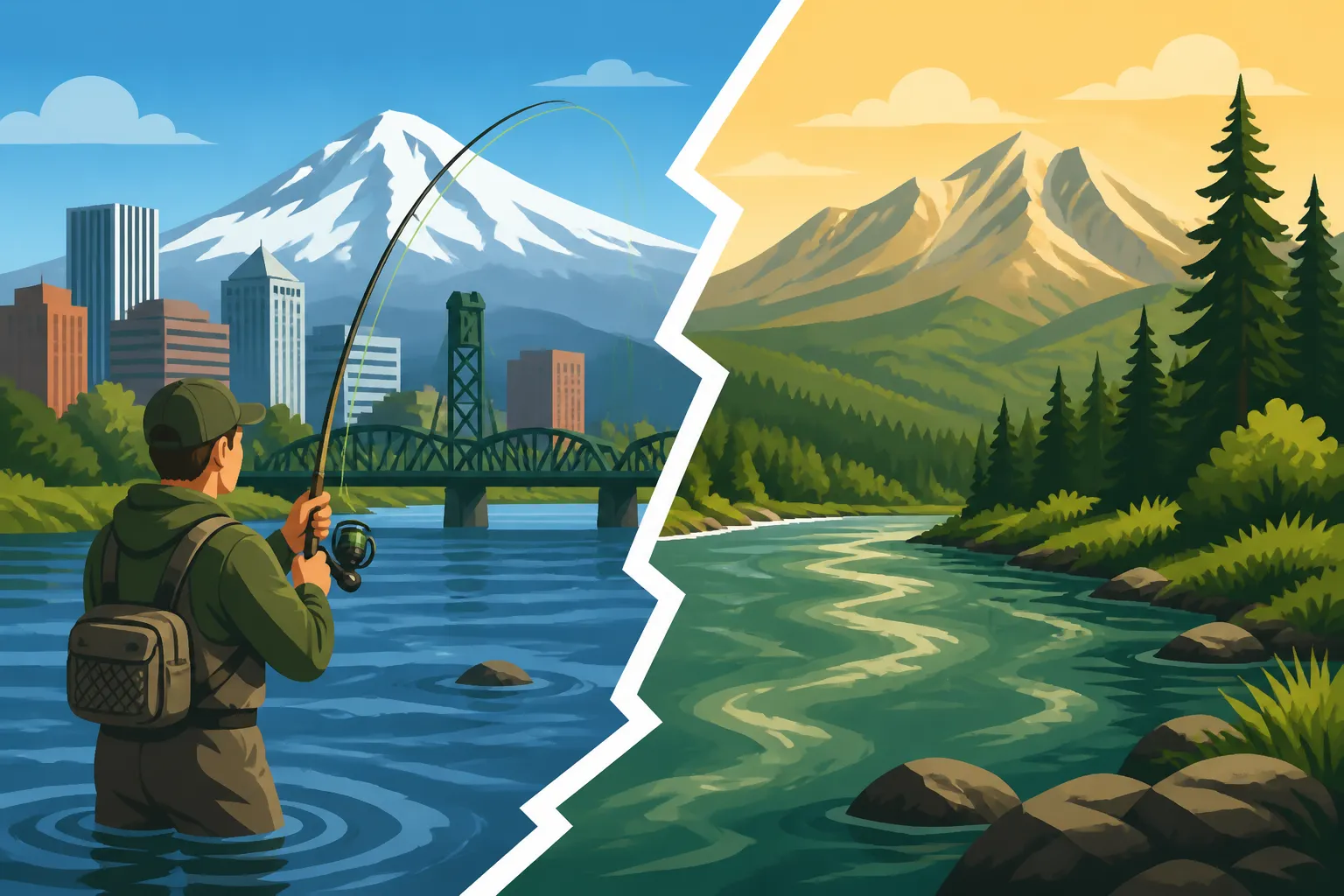
When you think of a river near Portland that crosses into Washington, the magnificent Columbia River immediately springs to mind. This colossal waterway truly forms the border between these two states for a significant stretch, making it incredibly accessible for anglers coming from the Oregon side, particularly the Portland metro area. Its sheer size and diverse ecosystems mean it supports an astounding variety of fish, from multiple salmon species to trophy steelhead, hard-fighting sturgeon, and even popular warm-water species like walleye. It's a true angler's paradise, but its vastness also means understanding where and when to fish is absolutely key.
Why the Columbia River is a Prime Choice
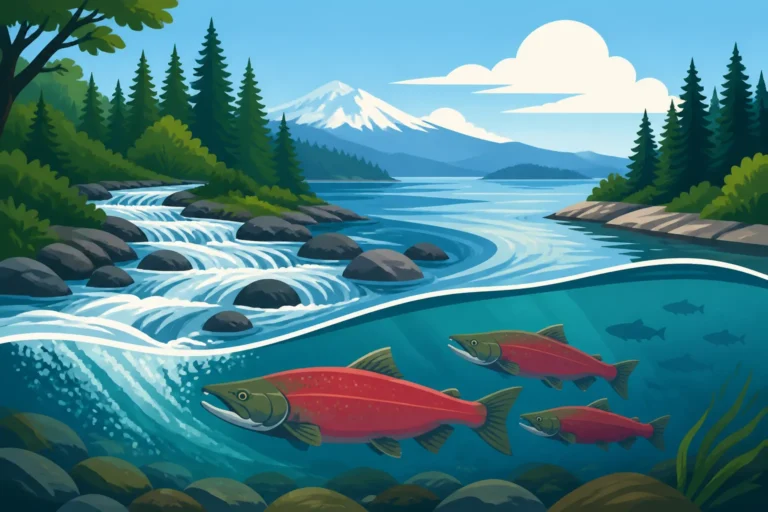
The Columbia isn't just a border river; it's a lifeline for anadromous fish returning from the Pacific Ocean, drawing in millions of salmon and steelhead each year. This makes it an unparalleled fishery. For those based in Portland, the drive across the river into Washington takes mere minutes, opening up a whole new world of angling opportunities without traveling far. You can be launching your boat at a ramp near Vancouver or Longview, Washington, and be on prime fishing grounds in no time. The river's broad expanse allows for various fishing styles, whether you prefer trolling, anchoring, or even bank fishing in specific areas. It’s a dynamic environment, constantly shifting with tides and currents, which keeps things exciting but also demands respect and preparation.
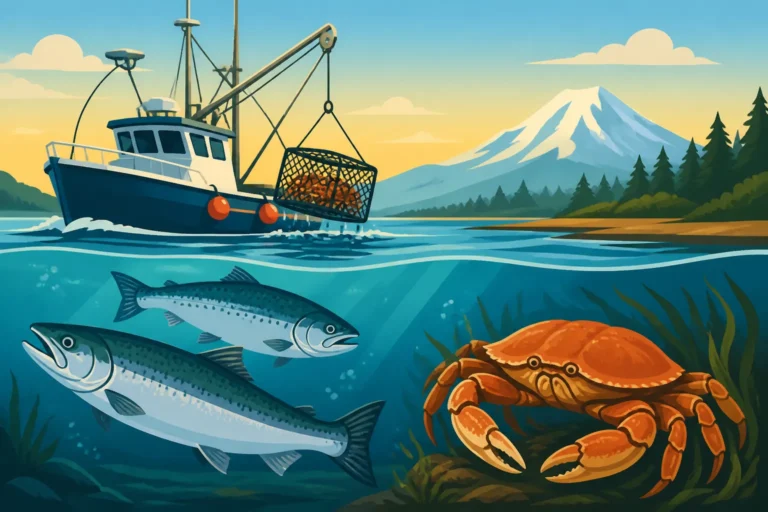
The sheer volume of fish migrating through the Columbia is what truly sets it apart. Anglers regularly target Chinook (King) salmon, Coho (Silver) salmon, and steelhead as they make their way upstream to spawn. Beyond the salmonids, the river boasts healthy populations of White Sturgeon, offering the chance at truly massive, prehistoric fish, albeit often in a catch-and-release capacity. For those who enjoy eating their catch, the Columbia is also well-known for its Walleye fishery, especially in its middle and upper sections, providing another exciting target species.
What You Can Catch and When on the Columbia
The fishing seasons on the Columbia River are highly dependent on the specific species you're targeting and the exact section of the river. It’s not uncommon to hear anglers talk about the "lower Columbia" or the "mid-Columbia" because the regulations and opportunities can vary significantly.
- Spring Chinook Salmon: These highly prized fish typically enter the lower Columbia in March, with the run peaking through April and into May. They are known for their firm, red meat and incredible fighting ability. Fishing usually occurs from Astoria (the famous Buoy 10 fishery) all the way up to Bonneville Dam and beyond.
- Summer Chinook Salmon & Sockeye: A smaller run of Chinook arrives in summer, often alongside Sockeye salmon, which are fewer in number but intensely fought over. These runs typically peak in June and July.
- Fall Chinook & Coho Salmon: This is often the most popular and productive time of year on the lower Columbia. Fall Chinook, often referred to as "Upriver Brights," start showing up in August, followed closely by Coho salmon. The When Chinook Salmon Run in Washington's Puget Sound article provides some context, though the Columbia's specific timing differs. The Buoy 10 fishery at the mouth of the Columbia is legendary during August and early September, drawing thousands of boats and anglers for hot salmon action. This run often continues well into the fall, moving upstream.
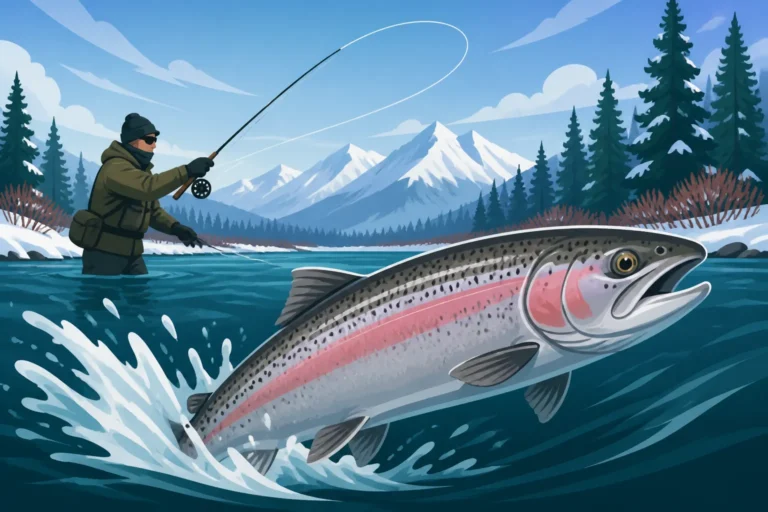
- Steelhead: Both Winter and Summer Steelhead runs utilize the Columbia. Summer Steelhead typically enter the river from late spring through fall, while Winter Steelhead runs generally peak from December through March.
- Sturgeon: The Columbia River is famous for its White Sturgeon. While retention fisheries are often highly restricted or catch-and-release only, especially for larger fish, the opportunity to battle these magnificent creatures is a major draw. Always check the latest Washington Sport Fishing Seasons and Emergency Closures for specific retention rules, as they change frequently.
- Walleye: These delicious bottom-dwellers are abundant in the middle and upper Columbia sections, often targeted from spring through fall, with peak times usually in late spring and early summer.
Access Points and Opportunities
Given its immense size, the Columbia River offers countless access points for anglers coming from the Portland area into Washington.
- Boat Launches: Numerous public and private boat launches dot the Washington side of the Columbia, particularly from Vancouver north to Longview and Kalama. Popular options include the Port of Vancouver, Ridgefield, Kalama, and Willow Grove (near Longview). These ramps provide easy access for those with boats, allowing you to troll, anchor, or motor to your preferred fishing grounds.
- Bank Fishing: While less prevalent than boat fishing on the mainstem, there are still excellent bank fishing opportunities, especially during peak salmon and steelhead runs. Areas around tributaries, public parks, and specific designated fishing areas can offer good bank access. For example, some stretches near the towns of Kalama and Woodland provide decent bank access. Exploring options for Bank Fishing Techniques for Washington Salmon can be very beneficial here.
- Guided Trips: For many, the best way to experience the Columbia, especially for specific target species like salmon or sturgeon, is to hire a local fishing guide. These professionals spend hundreds of days on the water, know the latest patterns, and provide all the necessary gear. If you're looking to book a guide, platforms like FishingBooker make it easy to find reputable charters and compare their offerings on the Columbia River. They can guide you directly to the fish, significantly increasing your chances of success.
Premier Tributaries: The Cowlitz and Lewis Rivers
While the mainstem Columbia River offers incredible fishing, many Portland-area anglers venture slightly further into Washington to fish its premier tributaries. The Cowlitz River and the Lewis River are arguably two of the most popular and productive options, both feeding directly into the Columbia and boasting their own fantastic salmon and steelhead runs. They offer a different, often more intimate, fishing experience compared to the vastness of the main Columbia.
The Cowlitz River: Washington's Salmon and Steelhead Hotspot
The Cowlitz River, located near Longview, Washington, is an absolute powerhouse when it comes to salmon and steelhead. It’s fed by several hatcheries (like the Cowlitz Salmon Hatchery), ensuring consistent returns of fish year after year. This makes it a highly reliable destination for anglers. Many consider it one of the best rivers for Fishing the Cowlitz River for Steelhead and Salmon in Washington.
- Year-Round Action: The Cowlitz offers something for nearly every season.
- Spring Chinook: Similar to the Columbia, spring Chinook are a major draw from March through May.
- Summer Steelhead: These acrobatic fighters enter the river from late spring through fall, providing exciting light-tackle action.
- Fall Chinook & Coho: Starting in late summer and continuing through autumn, large numbers of fall Chinook and Coho return, making it an incredibly popular time to fish.
- Winter Steelhead: From late fall through early spring, the Cowlitz is famous for its hearty winter steelhead runs.
- Diverse Techniques: The river is perfect for various methods. You’ll see anglers drift fishing with roe, beads, or yarn; plunking from the bank; bobber dogging from a boat; or casting spoons and spinners. Learning Drift Fishing for Steelhead in Washington Rivers techniques can be incredibly effective here.
- Accessibility: The Cowlitz is easily accessible from Portland, typically about an hour's drive north on I-5. It has numerous public access points, boat launches, and bank fishing spots, especially in the lower river sections below the barrier dam. The towns of Castle Rock and Longview serve as excellent bases for fishing the Cowlitz.
The Lewis River: Another Strong Contender
Just south of the Cowlitz, the Lewis River also flows into the Columbia and offers fantastic fishing, often with slightly less pressure than its more famous neighbor. It's a beautiful river with a good mix of hatchery and wild fish, providing excellent opportunities for salmon and steelhead.
- Salmon & Steelhead Returns: The Lewis also benefits from hatchery programs and sees strong runs of both spring and fall Chinook, Coho, and both summer and winter steelhead. The timing generally mirrors the Cowlitz and Columbia, making it a reliable option throughout much of the year.
- Scenic Beauty & Variety: The Lewis River winds through more forested, scenic stretches, offering a tranquil fishing experience. Anglers can explore different sections, from the lower tidal areas up to the various dams (like Merwin Dam for Coho) further upstream.
- Good for All Skill Levels: Whether you're a seasoned pro or just starting out, the Lewis offers sections that cater to different skill levels. Its varied water types, from riffles to deeper pools, present opportunities for bank anglers, drift boaters, and power boaters alike.
Unique Challenges and Rewards of Tributary Fishing
Fishing these tributaries can be a different beast compared to the mainstem Columbia. The rivers are smaller, often clearer, and can fluctuate more rapidly with rainfall or dam releases.
- Water Levels and Clarity: These rivers are more sensitive to weather. A heavy rain can blow out a river, turning it muddy and high, while prolonged dry spells can lead to very low, clear water, making fish spooky. Always check river conditions before you go.
- Gear Adjustments: Lighter gear, longer leaders, and more subtle presentations are often required in these smaller, clearer waters compared to the heavy tackle sometimes used on the main Columbia.
- Intimate Experience: The reward, however, is a more intimate fishing experience. You're often closer to the fish, can read the water more easily, and the scenery can be breathtaking. Hooking a fresh chrome steelhead in a pristine tributary is an experience many anglers live for. Many anglers find great success by hiring local experts, and a quick search on FishingBooker can connect you with reputable guides specializing in these incredible rivers.
Understanding Cross-State Fishing Rules
One of the biggest hurdles, and often the most frustrating part, for anglers looking to fish a river that forms a state border or crosses into another state, is navigating the different regulations. The Columbia River system, being shared by Washington and Oregon, is a prime example of this complexity. You absolutely cannot overlook this aspect of your planning, as ignorance of the rules is never an excuse for violations.
Washington vs. Oregon Licenses
The most critical thing to understand is which state's license you need.
- Where Are You Fishing? If you are physically fishing from the Washington bank, or if your boat is anchored or drifting in Washington waters, you need a valid Washington fishing license. Similarly, if you're fishing from the Oregon bank or in Oregon waters, you need an Oregon license.
- The Columbia River Border: This is where it gets tricky. For the mainstem Columbia River where it forms the border between Washington and Oregon, a valid angling license from either state is generally recognized as legal. This means if you have a current Oregon license, you can fish the shared waters of the Columbia without needing a separate Washington license, and vice-versa. This reciprocity is a huge convenience! However, this only applies to the mainstem Columbia.
- Washington Tributaries: If you plan to fish any of Washington’s tributaries that flow into the Columbia, like the Cowlitz or Lewis rivers, you absolutely must have a valid Washington fishing license. Your Oregon license is not valid for these waters. This is a common mistake and can lead to hefty fines. Make sure to purchase the correct license, whether it's an annual, 3-day, or single-day option. You can find more information in the Washington Fishing License Guide for Nonresidents if you're coming from out of state, or even the Resident vs Nonresident Fishing Licenses in Washington article.
The Columbia River Salmon and Steelhead Endorsement
Beyond your basic fishing license, there's another crucial requirement for many anglers targeting salmon and steelhead in the Columbia River system: the Columbia River Salmon and Steelhead Endorsement.
- What It Is: This is an additional stamp or endorsement that must be purchased in conjunction with your fishing license if you intend to fish for salmon or steelhead in the Columbia River and its tributaries. It's a critical component for management and conservation efforts in this shared resource.
- When You Need It: If you're targeting salmon or steelhead anywhere in the Columbia River system, including the mainstem and its Washington tributaries like the Cowlitz and Lewis, you must have this endorsement. Even if you're fishing under the reciprocity rule on the mainstem Columbia with an Oregon license, if you plan to target salmon or steelhead in Washington tributaries, you will still need a Washington license plus the Washington Columbia River Salmon and Steelhead Endorsement. It's best to always consult Washington's Columbia River Salmon and Steelhead Endorsement, Explained to fully grasp its requirements.
- Cost: The cost of the endorsement is typically modest, but it's an absolute necessity. Don't risk a violation for such a small fee.
Catch Record Cards and Reporting
Washington, like Oregon, uses Catch Record Cards (CRCs) to monitor harvest of salmon, steelhead, and halibut.
- Requirement: If you're fishing for salmon or steelhead in Washington waters (including the mainstem Columbia with a Washington license, or any Washington tributary), you will be issued a Catch Record Card when you purchase your license. This card is legally required to be on your person while fishing.
- Recording Your Catch: Any time you retain a salmon or steelhead, you must immediately (before resuming fishing) record the catch on your CRC. This includes the species, date, location, and whether it was a hatchery-marked fish (adipose fin clipped) or a wild fish. Failing to record a fish or incorrectly filling out your card is a common violation. More details can be found in The Washington Catch Record Card and What It Requires.
- Reporting: At the end of the year (or when your card is full), you are required to return your CRC to the Washington Department of Fish and Wildlife (WDFW), even if you didn't catch any fish. This data is vital for managing fish populations and setting future seasons.
| River | Primary Species Targeted | Typical Seasons (General) | Required WA License/Endorsement (from Portland) | Reciprocity for Mainstem Columbia |
|---|---|---|---|---|
| Columbia River | Chinook, Coho, Steelhead, Sturgeon, Walleye | Year-round, peaks Spring/Fall for salmon | WA License + Columbia River Endorsement (if targeting S/S in WA waters) or OR License (on mainstem) | YES (on mainstem Columbia only) |
| Cowlitz River | Chinook, Coho, Steelhead | Year-round, consistent hatchery returns | WA License + Columbia River Endorsement | NO (WA License always required) |
| Lewis River | Chinook, Coho, Steelhead | Year-round, consistent hatchery returns | WA License + Columbia River Endorsement | NO (WA License always required) |
Always remember that regulations can change suddenly, especially for salmon and steelhead. It’s imperative to check the most current regulations before every trip.
Planning Your Trip: Logistics and Tips
Now that you know the prime locations and the essential legalities, let's talk about the practical aspects of planning your cross-border fishing trip from Portland into Washington. A little preparation goes a long way in ensuring a safe, successful, and enjoyable day on the water.
Checking Regulations: Your First and Last Step
I cannot stress this enough: regulations on the Columbia River and its tributaries are dynamic. Salmon and steelhead seasons, bag limits, and gear restrictions can change rapidly due to in-season updates based on fish returns and conservation needs.
- WDFW Website: The Washington Department of Fish and Wildlife (WDFW) website is your absolute best friend. They have an "Emergency Rules" section that is updated constantly. Before every single trip, check this page. What was open yesterday might be closed today, or a bag limit might have changed.
- WDFW Fishing Pamphlet: Pick up a physical copy of the current year's Washington Sport Fishing Regulations pamphlet. While emergency rules supersede the pamphlet, it provides the baseline rules. Understanding Washington Fishing Regulations Every Angler Should Know will save you headaches.
- Local Tackle Shops: These are invaluable resources. Stop by a local tackle shop in towns like Vancouver, Longview, or Woodland, Washington. The staff there often have the most up-to-date information, know what's biting, and can offer local insights that you won't find anywhere else. They live and breathe this stuff.
- Bag and Possession Limits: Be clear on the daily bag limits and possession limits for the species you're targeting. How Bag and Possession Limits Work in Washington is a good refresher, as these can vary by species, river, and even specific sections of a river.
Gear Considerations: Pack Smart
The type of gear you bring will depend heavily on your target species and fishing method. However, some general considerations apply to fishing these waters.
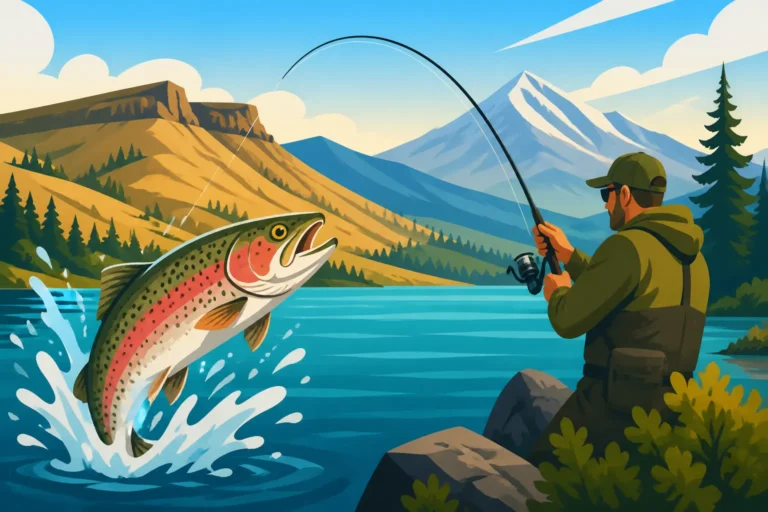
- Rods and Reels: For salmon and steelhead, a medium-heavy casting or spinning rod (8'6" to 10'6") paired with a robust reel spooled with 15-25 lb monofilament or braid is a good all-around setup for river fishing. If you're targeting sturgeon, you'll need much heavier gear.
- Line and Leader: Always bring extra line and leader. The Columbia and its tributaries have plenty of snags. Fluorocarbon leader in varying strengths (from 15 lb for clear water steelhead to 30 lb+ for salmon) is a good idea.
- Terminal Tackle: A variety of weights (pencil lead, slinkies, cannonball sinkers), swivels, and hooks are essential. If drift fishing, beads, Corkies, and yarn are standard. For trolling, herring, Kwikfish, or super baits are popular.
- Bait: Roe (cured salmon eggs) is a go-to bait for salmon and steelhead. Prawns and sand shrimp are also effective. For sturgeon, lamprey or squid are often used. Check regulations for specific bait restrictions, as Washington Bait Bans and When They Apply can sometimes be in effect.
- Safety Gear: Always carry a PFD (personal flotation device) if boating, and know how to use it. A first-aid kit, a communication device (charged phone, marine radio), and navigation tools are also crucial. Weather can change quickly on the Columbia.
Hiring a Guide: Maximizing Your Experience
Especially for those new to fishing the Columbia or its tributaries, or if you're targeting a specific species during a limited season, hiring a local fishing guide is an excellent investment.
- Local Expertise: Guides know the water like the back of their hand. They understand the nuances of tides, currents, and fish behavior. They'll put you on the fish and teach you effective techniques.
- Equipment Provided: Reputable guides supply all the necessary rods, reels, tackle, and often bait. This saves you the expense and hassle of bringing or buying specialized gear.
- Regulations Handled: Guides stay on top of the ever-changing regulations, ensuring you're always fishing legally. They'll also help you with your Catch Record Card, though ultimately, it's your responsibility.
- Increased Success: While no guide can guarantee fish, they dramatically increase your chances of a successful and memorable trip. This can be particularly true during hot salmon runs or for challenging species like sturgeon. Before you head out, especially for a big trip, check FishingBooker for last-minute guide availability or to compare options well in advance. Finding a good guide through platforms like FishingBooker can streamline your planning and ensure a fantastic day on the water, regardless of your experience level. Check out How to Book a Fishing Charter in Washington for more detailed tips on selecting the right guide.
Fishing the rivers near Portland that cross into Washington offers some of the Pacific Northwest's most exciting opportunities. With the right preparation, understanding of the rules, and a little local insight, you're set for an incredible adventure on the water.
Disclaimer
The information provided in this guide is for general informational purposes only and is subject to change. Fishing regulations in Washington State, especially for salmon and steelhead, are highly dynamic and can change frequently via emergency rule changes. Always consult the official Washington Department of Fish and Wildlife (WDFW) website for the most current and accurate regulations before embarking on any fishing trip.