Ice Fishing on Washington’s Eastern Lakes
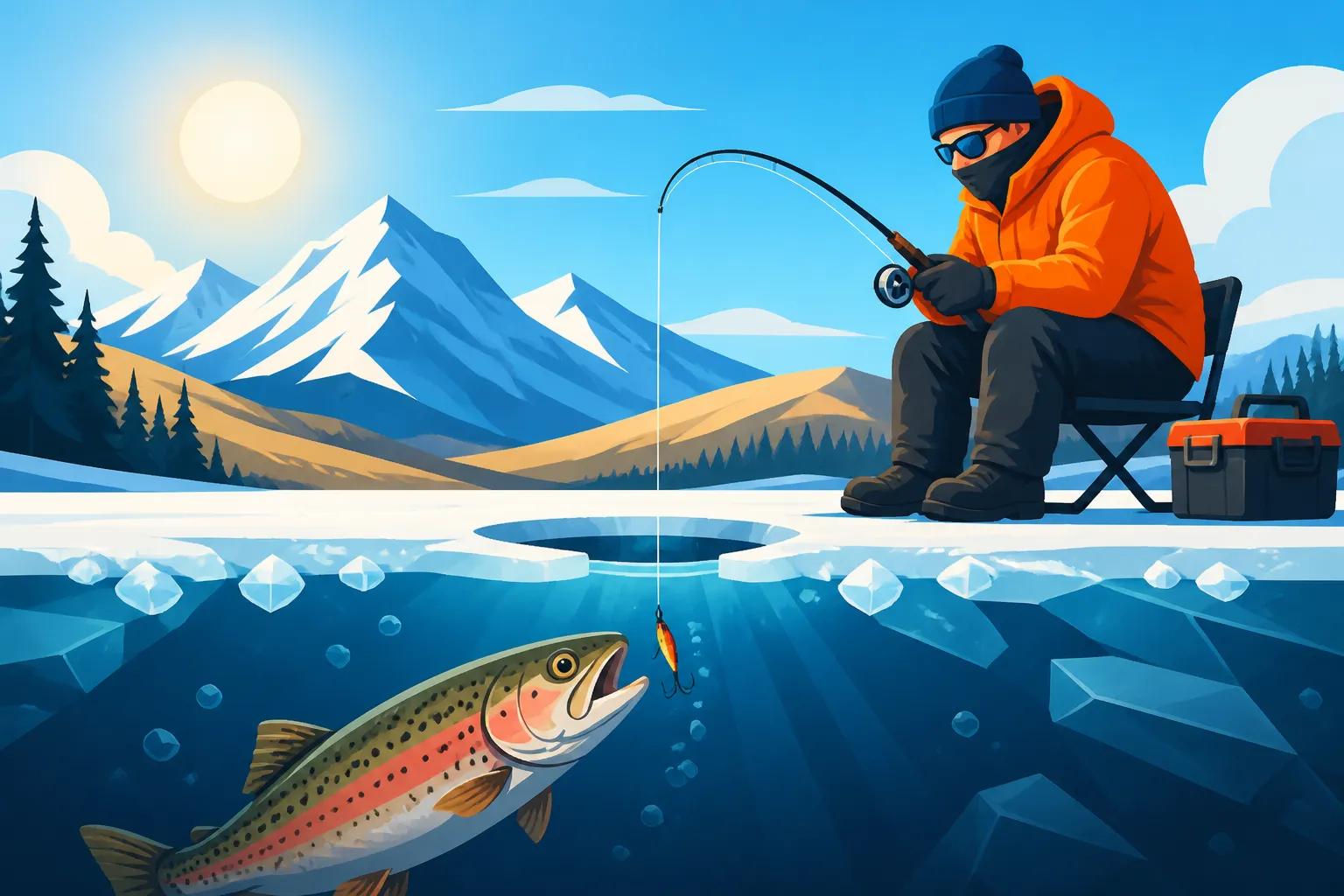
There's a common misconception out here in Washington State that once the cold weather truly settles in, the fishing season effectively shuts down. Many anglers pack away their rods and dream of spring, completely unaware of the incredible, unique opportunities that open up when our eastern lakes freeze over. If you've ever felt that cabin fever creeping in, yearning for a bite during the winter months, this guide is your definitive resource to unlock the thrilling world of ice fishing on Washington's Eastern Lakes.
Understanding Washington's Ice Fishing Landscape
For many, the idea of ice fishing in Washington sounds almost foreign. Our state is famed for its epic salmon runs, Puget Sound charters, and pristine river steelhead fishing. But while the western side of the state rarely sees consistent ice thick enough for safe access, the vast and often much colder regions east of the Cascade Mountains transform into an ice angler's dream. It's a completely different rhythm, a slower pace, and an utterly rewarding experience that captures a unique serenity and challenge.
The Uncommon Truth About Ice Fishing in Washington
Let's be honest, when you mention "ice fishing" to most Washingtonians, you're likely to get a puzzled look. They picture Minnesota or Wisconsin, not the Pacific Northwest. The perception often is that our winters aren't severe enough, or that suitable bodies of water simply don't exist. This couldn't be further from the truth, especially once you cross the mountains. Western Washington's maritime climate keeps things mild and wet, but the eastern half experiences true continental winters with prolonged periods of freezing temperatures. This means consistent, safe ice forms on numerous lakes, reservoirs, and even some ponds, offering a fantastic opportunity for those willing to embrace the cold. It's a world away from the bustling rivers and saltwater, providing a tranquil, almost meditative angling experience that many don't even know they're missing.
Why Eastern Washington is the Ice Angler's Paradise
Eastern Washington’s unique geography and climate are what make it an undisputed haven for ice fishing enthusiasts. The region typically experiences colder, drier winters compared to the mild, wet conditions west of the Cascades. This consistent cold allows for the formation of stable, safe ice on numerous lakes and reservoirs, often from December through February, and sometimes even into March in higher elevations. Beyond just the ice, these lakes are teeming with diverse fish populations that thrive in cold water, offering everything from abundant panfish like perch and crappie to hard-fighting walleye and even kokanee salmon. Places like Potholes Reservoir, Lake Roosevelt, and Curlew Lake become bustling, yet spacious, ice fishing communities, where anglers gather to enjoy the unique challenge and camaraderie of hardwater fishing. It's a complete shift in scenery and technique that offers a refreshing change for any angler.
Essential Gear for Safe and Successful Ice Fishing
Stepping onto the ice requires a different set of tools and a heightened focus on safety compared to open-water fishing. You’re not just battling the fish; you’re also managing the elements. Having the right gear isn't just about comfort or efficiency; it's about making sure your day on the ice is enjoyable and, most importantly, safe. From basic safety equipment to specialized fishing tackle, each item plays a crucial role in your hardwater adventure.
Prioritizing Ice Safety Equipment
Safety is absolutely paramount when venturing out onto frozen water. Never assume ice is safe just because others are on it, or because it's been cold for a while. A spud bar is your best friend for checking ice thickness as you walk, tapping ahead of you to ensure at least four inches of solid, clear ice for walking, and more for ATVs or vehicles. Ice picks, worn around your neck, are non-negotiable; if you go through, they can be life-savers, giving you the grip needed to pull yourself out. A flotation suit or PFD is also highly recommended, providing both warmth and buoyancy. Many seasoned ice anglers also carry a throw rope, a basic first aid kit, and a fully charged cell phone. It's about being prepared for the unexpected and taking personal responsibility for your safety and the safety of those around you. Always check local ice conditions and talk to bait shops or guides before heading out.
Rods, Reels, and Line for the Hardwater
Ice fishing rods are distinctly different from their open-water counterparts – they're much shorter, typically ranging from 24 to 36 inches. This shorter length makes them ideal for fishing in a small hole, allowing for quick hooksets and better control in tight spaces inside a shelter. You'll want a range of actions, from ultralight for panfish to medium-heavy for walleye or trout. Paired with these rods are small spinning reels, often spooled with specific ice fishing line that resists freezing and has low memory in cold conditions. Many anglers swear by fluorocarbon for its invisibility and sensitivity, or braided line with a fluorocarbon leader for strength. You can find an excellent selection of specialized ice fishing gear, from tiny jigs to sturdy tip-ups, on platforms like Amazon, making it easy to outfit yourself no matter your target species or budget. Don't forget a good selection of small, heavy jigs, spoons, and bait hooks to present under the ice.
The Must-Have Shelter and Heating Options
While some hardy souls brave the elements without shelter, a good ice fishing shelter can make a world of difference, especially on windy or very cold days. These range from simple, lightweight pop-up tents that you can carry on your back to more elaborate, insulated shanties that offer ample space and comfort. Brands like Eskimo and Clam are popular choices, known for their durability and ease of setup. Within these shelters, a portable propane heater, like those from Mr. Heater, is a game-changer, keeping you warm and comfortable even when temperatures plunge well below freezing. Always ensure proper ventilation when using any propane heater inside an enclosed space to prevent carbon monoxide buildup. Having a warm, dry place to retreat from the wind and cold not only makes the experience more enjoyable but also allows you to stay out longer and focus on the fishing, rather than just enduring the conditions. For those long days, a comfy chair or bucket is also a welcome addition, and you can pick up a sturdy, insulated fishing bucket from Amazon that doubles as a seat.
Key Techniques and Tactics for Eastern Washington Ice
Ice fishing isn't just about dropping a line down a hole; it’s a nuanced game that requires understanding fish behavior in cold water and adapting your presentation. The clarity of the ice and the specific structure of the lake can significantly influence where fish hold and how they react to your offerings. Mastering a few core techniques will dramatically increase your chances of success and make your time on the hardwater more productive.
Jigging and Deadsticking Strategies
These are the bread and butter of ice fishing, often used in tandem. Jigging involves actively working a small lure up and down, mimicking injured baitfish or insects. The trick is to find the right cadence – sometimes aggressive jigging draws them in, other times a subtle quiver or a long pause is what triggers a bite. Experiment with different jigging strokes, from sharp snaps to slow, tantalizing lifts. Deadsticking, on the other hand, is a more passive approach, often used with a second rod if regulations allow, or on a tip-up. Here, a bait, usually a small minnow, maggot, or PowerBait, is presented very still, often just above the bottom or in the middle of the water column. The stillness is often key for finicky fish that are sluggish in cold water. Many anglers will actively jig one rod while keeping a deadstick nearby, capitalizing on both aggressive and cautious feeders. It’s all about finding what the fish want on a given day, and being versatile in your approach. If you're targeting trout, specifically, you'll find that mastering these methods is key, as covered in a deeper dive on Jigging Through the Ice for Trout techniques.
Reading the Ice and Finding the Fish
Successfully finding fish under the ice is as much about understanding the frozen landscape above as it is the aquatic environment below. Start by looking for contours and structure that would hold fish during open water seasons – points, drop-offs, humps, and submerged weed beds are all prime locations. The edges of these structures, where shallow water meets deep, are often highways for fish. Pay attention to ice clarity; clear, "black" ice usually means healthier oxygen levels, while milky or slushy ice can sometimes indicate less favorable conditions. Observing other anglers is also a fantastic way to learn; if a cluster of shanties forms, there's likely a reason. However, don't be afraid to drill your own holes away from the crowd, exploring new areas. Fish patterns can change throughout the day, with some species preferring low light or early morning, while others might become more active mid-day. A careful approach to "reading" the ice, combined with good old-fashioned exploration, is crucial.
Using Electronics for an Edge
In today's ice fishing world, electronics are no longer a luxury but an invaluable tool for serious anglers. A good flasher or fish finder allows you to "see" what's happening beneath your hole in real-time. You can identify the bottom, see your lure, and, most importantly, watch fish approach it. This immediate feedback helps you adjust your jigging presentation, depth, and even lure choice on the fly. Popular brands like Vexilar, Marcum, and Humminbird offer excellent portable units specifically designed for ice fishing. Some even come with GPS mapping capabilities, allowing you to mark productive spots and navigate effectively, especially on larger lakes like Lake Roosevelt or Potholes Reservoir. Being able to determine the depth at which fish are actively feeding, or whether they're reacting positively to your retrieve, is a massive advantage that can turn a slow day into a memorable one. Many of these sophisticated units, along with other critical ice fishing accessories, can be purchased easily from Amazon, providing convenient access to cutting-edge technology.
Top Eastern Washington Lakes for Ice Fishing
Eastern Washington boasts an impressive array of lakes that truly shine during the hardwater season. Each body of water offers its own unique charm and angling opportunities, from abundant panfish to trophy-sized predators. Knowing where to go and what to expect can greatly enhance your ice fishing adventure, allowing you to target specific species or simply enjoy the beautiful winter scenery.
Potholes Reservoir: Walleye and Perch Haven
Potholes Reservoir, located in Grant County, is arguably one of Washington's most renowned ice fishing destinations, particularly celebrated for its prolific walleye and yellow perch fisheries. As the vast reservoir freezes over, anglers flock to its numerous bays and "dunes" area, where submerged islands and weed lines create ideal habitat. For walleye, early morning and late afternoon tend to be prime times, with jigging spoons tipped with a minnow head or a small plastic proving highly effective. Many anglers also use tip-ups with live minnows in different holes to cover more water. The yellow perch here are often jumbo-sized, making for fantastic eating and exhilarating action, especially in deeper weed beds. Small tungsten jigs tipped with maggots or wax worms are deadly for perch, and once you find a school, the action can be non-stop. The vastness of Potholes means there's always new ground to explore, and with a reliable fish finder, you can spend hours hopping holes and searching for those active fish.
Lake Roosevelt: Kokanee and Walleye Opportunities
Stretching for over 150 miles behind Grand Coulee Dam, Lake Roosevelt offers a truly unique ice fishing experience, particularly in its shallower bays and arms that freeze solid. While the main body of the lake often remains open, specific sheltered coves provide excellent, safe ice. This immense reservoir is famous for its thriving populations of kokanee salmon and walleye. For kokanee, jigging small spoons or specialized kokanee jigs, often tipped with corn or maggots, is the go-to method. These landlocked sockeye are aggressive feeders and put up a surprisingly strong fight on light tackle. Walleye fishing here can be fantastic, especially in areas with rocky structure or submerged timber. Similar to Potholes, jigging Rapalas, spoons, or soft plastics with a minnow is effective. Anglers should always consult WDFW regulations for specific areas and species, as rules can vary across this sprawling waterway. The sheer size and beauty of Lake Roosevelt, combined with its diverse fish offerings, make it a bucket-list destination for many ice anglers, particularly those chasing Kokanee: Washington's Landlocked Sockeye.
Curlew Lake and Newman Lake: Trout and Panfish
For those seeking consistent action for panfish and trout, Curlew Lake in Ferry County and Newman Lake near Spokane are excellent choices. Curlew Lake is well-known for its abundant yellow perch and black crappie, which can be found in impressive sizes. Small jigs, tipped with bait or tiny plastics, fished around weed edges or drop-offs, will typically produce steady bites. It also holds good populations of rainbow trout, which will readily hit flashy spoons or PowerBait fished off the bottom. Newman Lake, on the other hand, is a fantastic spot for jumbo crappie and a mix of trout species, including rainbows and cutthroat. The lake has extensive weed beds that hold large schools of panfish, making it an ideal location for an enjoyable, action-packed day. Anglers looking for a family-friendly ice fishing experience with plenty of opportunities to catch fish and enjoy the serene winter landscape will find these lakes particularly appealing. Remember that these lakes are often shallower than the larger reservoirs, so depth finders are still useful for locating schools, but less critical than on immense bodies of water.
Target Species and Their Behaviors Under the Ice
Understanding the specific behaviors of different fish species during the winter months is crucial for ice fishing success. Fish become more lethargic in cold water, their metabolism slows, and their feeding patterns change. Knowing what to look for and how to present your bait can make the difference between a barren day and a banner one.
Crappie, Perch, and Bluegill: Panfish Perfection
Panfish – crappie, yellow perch, and bluegill – are often the easiest and most consistent targets for ice anglers, making them perfect for beginners or a fun family outing. In winter, these fish tend to school up tightly, often near weed lines, submerged timber, or subtle depth changes. Once you locate a school, the action can be fast and furious. Their metabolism is slow, so subtle presentations are key. Small tungsten jigs, often in bright colors like chartreuse or orange, tipped with a single maggot, wax worm, or a tiny plastic tail, are incredibly effective. A slow, gentle jigging motion with long pauses often triggers bites. Look for them in depths ranging from 10 to 30 feet, depending on the lake and specific structure. These fish also make for excellent table fare, providing a delicious reward for a day on the ice. The abundance and catchability of these species make ice fishing Eastern Washington a truly accessible and rewarding experience.
Walleye: The Elusive Winter Hunter
Walleye are a prized catch for ice anglers due to their size, fighting ability, and exceptional taste. However, they can be more elusive than panfish. In winter, walleye often relate to structure such as rocky points, humps, and steep drop-offs. They are primarily nocturnal or crepuscular feeders, meaning the best bite often occurs during low-light periods – dawn, dusk, or even after dark if regulations allow. Presentation is key; slow, subtle movements are preferred. Jigging spoons, lipless crankbaits, or soft plastics tipped with a minnow head are popular choices. Many anglers use tip-ups with live minnows set at various depths to cover more water and entice these wary predators. Patience is a virtue when targeting walleye, but the reward of landing a toothy Columbia River walleye through the ice is well worth the effort. For those venturing specifically for these predators, some tactics discussed in How to Fish for Walleye on the Columbia can be adapted to still, frozen lake environments.
Trout and Kokanee: Coldwater Favorites
Eastern Washington's lakes are home to excellent trout fishing, including rainbow trout, and unique opportunities for kokanee, the landlocked sockeye salmon. Both species thrive in cold water and remain active under the ice. Trout can be found cruising shallower areas, especially near inlets or springs, but also suspend over deeper basins. Small spoons, jigs, or even PowerBait fished on a simple drop-shot rig can be effective. For kokanee, they typically suspend in the water column, often at specific depths. Jigging small, flashy spoons or specialized kokanee jigs, frequently tipped with a kernel of shoepeg corn or a maggot, is the most common technique. Because they're often suspended, a fish finder is invaluable for locating their schools and presenting your lure at the correct depth. Both trout and kokanee are strong fighters, providing exciting action on light ice fishing tackle. Checking When Washington's Trout Season Opens and Closes is crucial, as some lakes have specific winter regulations, and not all are open for ice fishing for these species.
Navigating Regulations and Staying Legal
Fishing in Washington, whether on open water or through the ice, comes with a set of rules designed to protect fish populations and ensure fair chase. Understanding these regulations is not just about avoiding fines; it's about being a responsible angler and contributing to the conservation of our precious natural resources. Never assume that ice fishing rules are the same as open-water rules for the same body of water.
Understanding Washington's Ice Fishing Rules
Washington's ice fishing regulations are generally integrated into the broader sport fishing rules, but there are specific nuances to be aware of. The most critical aspect is knowing which lakes are open to ice fishing and what their specific seasonal and gear restrictions might be. Always consult the current Washington Sport Fishing Regulations pamphlet for the lake you plan to visit. Key regulations often include the number of lines allowed (usually two, but always confirm if you're using multiple rods or tip-ups), daily bag limits for various species, and specific size restrictions. For instance, some lakes might have a minimum or maximum size for trout, or limits on the number of walleye you can keep. While generally more permissive for panfish, it’s still vital to check. The thickness of the ice is not a regulated safety standard by WDFW but is a critical personal safety assessment every angler must make. You should also be aware of any barbless hook requirements, though these are less common for ice fishing unless targeting certain salmonid species. For a comprehensive overview of general rules, a good starting point is Washington Fishing Regulations Every Angler Should Know.
Washington Fishing License and Catch Records
Just like open-water fishing, you absolutely need a valid Washington fishing license to go ice fishing. This isn't a special "ice fishing license"; it's your standard freshwater or combination license. If you're a resident, make sure your residency status is correctly declared. If you're visiting from out of state, you'll need a nonresident license, and costs and options can differ significantly. You can find detailed information on these distinctions in Resident vs Nonresident Fishing Licenses in Washington and the Washington Fishing License Guide for Nonresidents.
Furthermore, for certain species, primarily salmon and steelhead, you'll also need a Washington Catch Record Card. Even if you're ice fishing for kokanee (which are a type of sockeye salmon), you might need to record your catch, depending on the specific rules for that body of water. Knowing when these cards are required and how to correctly fill them out is vital. This is covered in depth in resources like The Washington Catch Record Card and What It Requires and When a Catch Record Card Is Required in Washington. Always make sure your license and any required catch record cards are with you while fishing, either in paper form or via the MyWDFW app on your phone.
| Species Targeted | Typical Depth Range | Effective Baits/Lures | Common Jigging Style |
|---|---|---|---|
| Yellow Perch | 10-30 feet | Small jigs (tungsten, teardrop), maggots, wax worms, plastic grubs | Subtle lifts/drops, quivers, long pauses |
| Crappie | 15-40 feet | Small jigs, plastic tubes/grubs, minnows (dead or live) | Slow rises, gentle jiggles, suspending |
| Bluegill | 5-20 feet | Tiny jigs, maggots, wax worms, corn | Very subtle motions, holding still |
| Walleye | 20-50+ feet | Jigging spoons, lipless crankbaits, minnows, plastics | Medium snaps, long pauses, tip-ups |
| Rainbow Trout | 5-30 feet | Spoons, PowerBait, small jigs, worms | Varying retrieves, deadsticking, twitching |
| Kokanee Salmon | 20-60 feet (suspended) | Small flashy spoons, kokanee jigs, corn, maggots | Aggressive rips, vertical jigging, short stops |
Preparing for Your Ice Fishing Trip: Logistics and Comfort
Ice fishing is an immersive outdoor experience, and while the fishing itself is the main draw, preparing for the elements and ensuring your comfort can make or break your trip. You're dealing with freezing temperatures, wind, and often challenging terrain, so meticulous planning and packing are crucial for a truly enjoyable and memorable day on the ice.
Dressing for Success in Freezing Temperatures
This isn't just about throwing on a warm jacket; it's about strategic layering. The foundation of any good cold-weather outfit starts with a moisture-wicking base layer against your skin to pull sweat away. Cotton is a definite no-go as it retains moisture and chills you. Over that, add insulating mid-layers like fleece or down for warmth. Your outer layer should be a waterproof and windproof shell – a dedicated ice fishing suit with built-in flotation (like those from Striker Ice) offers superior protection and peace of mind. Don't forget extremities: warm, waterproof boots (rated to well below freezing) are essential, as are insulated gloves or mittens. A warm hat that covers your ears, a neck gaiter, and possibly hand warmers will complete your defense against the cold. Remember, you can always shed layers if you get too warm, but you can't add what you didn't bring. Think about what will keep you safe and comfortable for hours sitting relatively still in a small area, exposed to the elements.
Food, Hydration, and Emergency Preparedness
Spending hours on the ice burns a surprising amount of calories, and staying hydrated is just as important as staying warm. Pack plenty of high-energy snacks like granola bars, nuts, and sandwiches. A thermos filled with hot coffee, tea, or soup is a lifesaver, providing both warmth and energy. Bring plenty of water, too, as it's easy to become dehydrated in cold, dry air. Beyond food and drink, always consider basic emergency preparedness. This includes a fully charged cell phone (and a portable power bank, as cold drains batteries quickly), a headlamp or flashlight if you're fishing near dawn or dusk, and a small, well-stocked first-aid kit. Knowing where you are on the lake, having a compass or GPS, and informing someone of your plans and expected return time are also crucial. Being self-sufficient and prepared for minor mishaps ensures that help isn't far away, even if it's just a band-aid or a phone call.
Post-Trip Care for Your Catch and Gear
The day isn't over when you leave the ice! Proper post-trip care for both your catch and your gear is essential. For your fish, immediately get them on ice or into a cooler, even in freezing temperatures, to maintain their quality. Once home, clean them promptly, and either cook them fresh or prepare them for freezing. The effort you put into catching them deserves good preservation. For your gear, ensure everything is thoroughly dried before storage to prevent rust, mold, and mildew. This includes your rods, reels, tackle, and especially your shelter. If your shelter is wet, set it up in a garage or basement to fully dry before packing it away. Inspect your auger blades for damage and lubricate any moving parts on reels. Taking a few extra minutes for maintenance now will ensure your equipment is ready and in top condition for your next exciting ice fishing adventure on Washington's Eastern Lakes. You can find specialized cleaning and storage solutions, even for your ice fishing shelter, by browsing options on Amazon.
Disclaimer
Fishing regulations, seasons, and local conditions can change rapidly. Always consult the latest Washington Department of Fish and Wildlife (WDFW) regulations, emergency rules, and local advisories before heading out on any fishing trip. Ice conditions can be unpredictable; always prioritize safety and check ice thickness yourself. This guide is for informational purposes only and does not supersede official regulations.