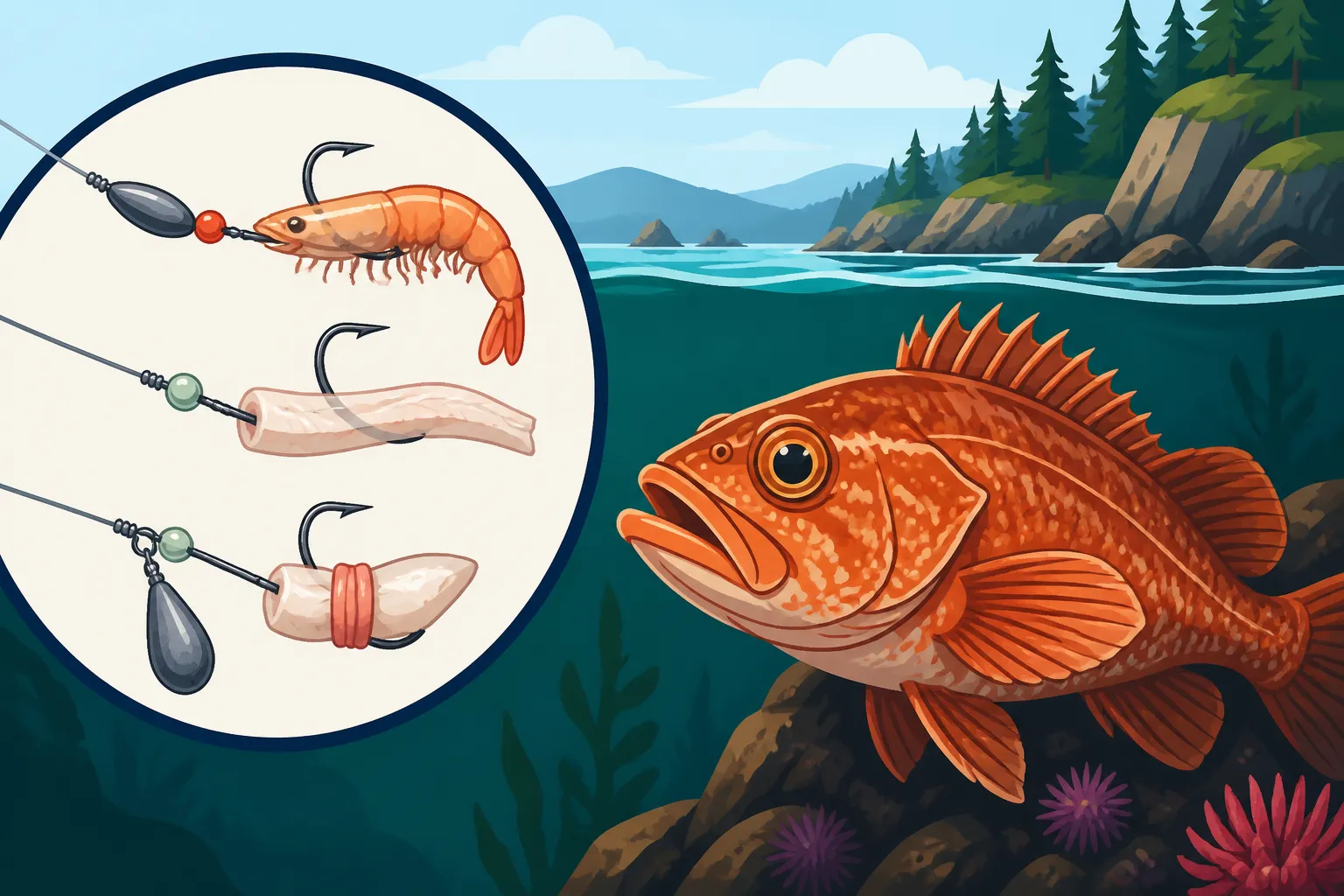
Bait Rigs for Rockfish on the Washington Coast
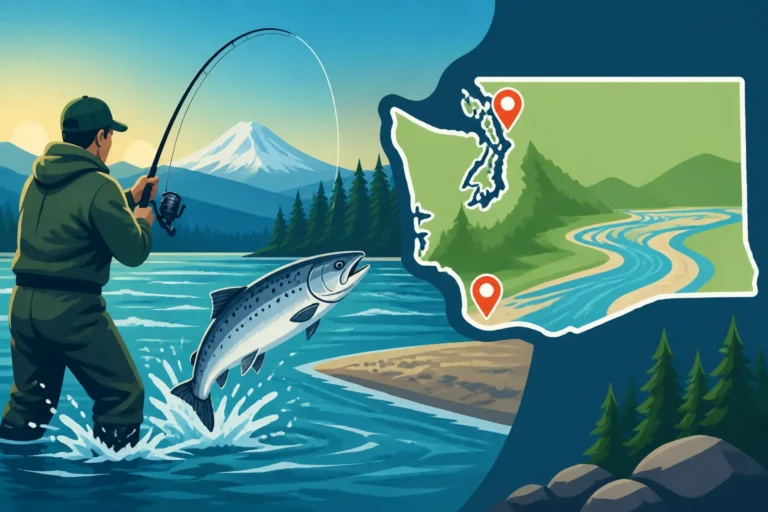
Feeling the frustration of hitting the water along the stunning Washington coast, only to feel like you're just dragging a hook aimlessly for rockfish? It’s a common experience, but it doesn't have to be yours. This guide is all about equipping you with the tried-and-true bait rigs that reliably put Washington rockfish in your cooler, saving you time and money while boosting your confidence on the water.
Understanding Washington Rockfish Species and Their Habits
Before we even talk about specific rigs, it's crucial to understand the diverse world of rockfish swimming in Washington's waters. There are so many species, and while they share some common traits, their preferred habitats and feeding behaviors can vary significantly. Knowing what you're likely to encounter can help you tailor your approach, making your bait rigs far more effective.
Common Rockfish Species on the Washington Coast
When you're bottom fishing along the Washington coast, you'll encounter a variety of rockfish, each with its own quirks. The most common species include Black Rockfish, Copper Rockfish, Yelloweye Rockfish, China Rockfish, and Quillback Rockfish. Black Rockfish, often called "black bass" by local anglers, are typically found in shallower, rocky areas and often school up. Copper Rockfish also prefer rocky reefs but might be a bit deeper. Yelloweye Rockfish, a prized catch often referred to as "red snapper" by many, tend to inhabit deeper, more complex rocky structures. China and Quillback rockfish are also structure-oriented and can be found alongside coppers and blacks. It’s important to familiarize yourself with how to identify a Black Rockfish and how to identify a Copper Rockfish, as regulations can sometimes differ or you might want to target specific species.
The key takeaway here is that most rockfish are structure-oriented predators. They love to hang around reefs, kelp beds, rock piles, and submerged pinnacles, ambushing prey. Their diet primarily consists of smaller fish, crustaceans, and squid. This means your bait rigs need to present an appealing imitation of these food sources and be able to get down to where the fish are hiding, often right in the snags. The fight of a rockfish can be quite fun, especially a feisty black rockfish, and their firm, white meat makes them excellent table fare.
Habitat and Feeding Behavior Insights
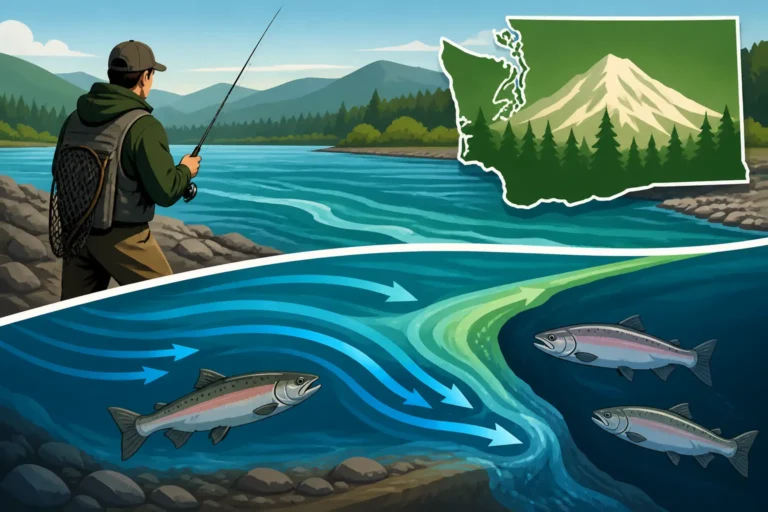
Rockfish, as a general rule, are ambush predators. They don't typically chase prey over long distances; instead, they prefer to lurk near cover, waiting for an unsuspecting meal to swim by. This behavior dictates that your bait presentation needs to be in their strike zone for an extended period, or at least pass through it convincingly. Deeper rockfish, like the larger Yelloweye, often relate to pinnacles, ledges, and deep reefs that break current, offering them prime feeding lanes. Shallower species like Black Rockfish are often found just outside kelp forests or along rocky shorelines where baitfish congregate.
Understanding their feeding habits means presenting your bait as naturally as possible. A struggling baitfish, a drifting chunk of squid, or a tantalizing piece of shrimp are all on their menu. The way your rig allows your bait to move in the water, mimicking these natural food items, will be a major factor in your success. Sometimes, they're aggressively feeding, and a fast-moving jig or bait will entice them. Other times, they're more lethargic, requiring a slower, more subtle presentation to coax a bite.
Essential Bait Rigs for Nearshore Rockfish
When you're fishing closer to shore, in depths typically less than 150 feet, the focus shifts to rigs that are efficient for moderate depths and often interact with more snags. These rigs prioritize getting your bait down quickly and effectively presenting it near rocky structures.
The Classic Dropper Loop Rig
The dropper loop rig is a time-tested favorite for a reason. It's incredibly versatile, relatively simple to tie, and highly effective for rockfish. The basic premise involves tying a series of "dropper loops" directly onto your main line or leader, usually 12-24 inches apart. A hook is then attached to each loop, standing out from the main line, and a sinker is tied to the very bottom. This allows you to present multiple baits at different depths simultaneously, increasing your chances of finding where the fish are holding.
To tie a dropper loop, create a simple loop in your line, twist it several times, and then pass one side of the loop back through the center of the twists before cinching it down. You can find excellent visual guides on YouTube, or even pre-tied leaders ready to go on Amazon if you're in a pinch. The beauty of this rig is its simplicity and effectiveness when fishing over varied terrain. If you snag, you might only lose a hook or a single snelled leader, not your entire setup.
When fishing the dropper loop, the goal is to keep your sinker just off the bottom or lightly bouncing it along the structure. If you feel a bite on one of the upper hooks, keep the rig down for a moment, as often a second fish might hit another bait. This rig is particularly effective when you're targeting Black Rockfish or Copper Rockfish in areas like the rocky shorelines near Deception Pass, or the many reefs found off Westport and Ilwaco. You can experiment with hook sizes and leader strengths depending on the expected size of the fish and the severity of the structure.
Treble Hook (Baitfish) Rig for Aggressive Biters
While single hooks are often preferred for conservation and ease of removal, a treble hook rig can be exceptionally effective when rockfish are actively feeding on baitfish and you're using a whole or large cut bait. This rig is often employed when you're targeting larger rockfish species or when the bite is hot and you want to ensure a solid hookup. The rig usually consists of a single large treble hook, often accompanied by a sliding egg sinker above a swivel, or a three-way swivel with a shorter leader to the treble and a longer leader to the sinker.
The idea here is to present a substantial bait, like a whole herring, sardine, or a large chunk of mackerel, in a way that mimics a struggling baitfish. The treble hook provides multiple points of contact, which can be advantageous when fish are hitting aggressively or simply "nipping" at the bait. However, it's crucial to be mindful of regulations regarding hook types, especially in areas with potential salmon bycatch where single-point barbless hooks are often required. Always check the current Washington Sport Fishing Regulations Pamphlet before you head out.
This rig works best in areas with less snags, or when you are actively retrieving or drifting to avoid getting hung up. It's particularly deadly around schools of baitfish where rockfish are actively hunting. Imagine a boat drifting just outside of Neah Bay, casting out these rigs into a swirling mass of bait, and instantly hooking up with a feisty Black Rockfish. The excitement is palpable.
Deepwater Rigs for Offshore Rockfish
Venturing further offshore, into depths of 150 feet or more, demands different considerations. Here, the currents can be stronger, the fish are often larger, and the need for efficiency in getting bait down and fish up becomes paramount.
The Gangion Rig: Heavy-Duty Multi-Hook Setup
The gangion rig is essentially a heavy-duty, commercial-style version of the dropper loop, designed for deep water and often targeting larger fish. Instead of tying dropper loops directly into the main line, the gangion uses separate, shorter leaders (snoods) that are tied to a heavier main leader at fixed intervals, often using crimps or heavy-duty knots. These snoods, with hooks attached, project outwards from the main leader, presenting multiple baits. A substantial sinker, sometimes several pounds, is attached at the bottom to quickly get the rig down and hold it in place against current.
This rig is fantastic for deepwater applications where you're trying to fish multiple baits at varying depths within a specific water column. It's common to see gangions with 3 to 6 hooks, sometimes even more, depending on local regulations and target species. The robust construction allows it to handle heavier fish and deeper water pressures. When fishing a gangion, you need a stout rod and reel capable of handling the weight of the sinker, the baits, and potentially multiple fish. Think about fishing for Halibut, where you need to get heavy lead to the bottom.
If you're heading out of a port like Westport, aiming for those deep rock piles and ledges for big Yelloweye Rockfish or Lingcod, a well-constructed gangion rig is often the weapon of choice. The key is to keep it vertical and feel for the subtle taps of fish. Because these rigs can be complex, many anglers buy them pre-made from tackle shops or online at places like Amazon, where various configurations are available.
Jigging Rigs for Vertical Presentation
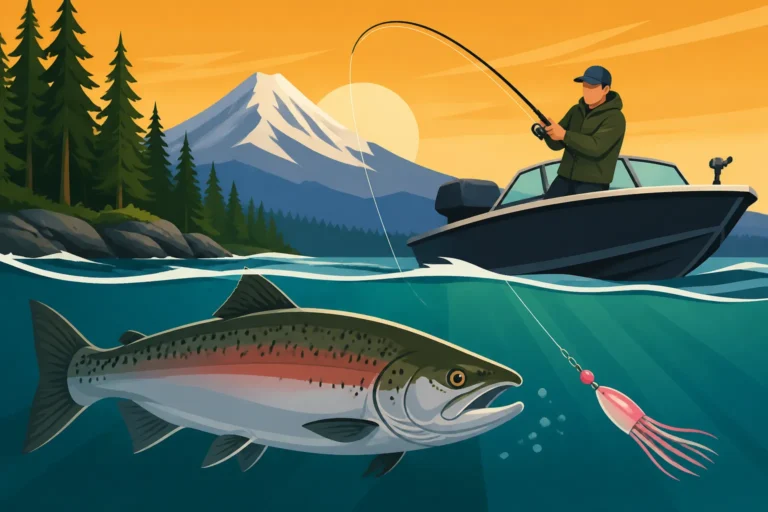
While not strictly a "bait rig" in the traditional sense of using natural bait, jigging rigs are incredibly effective for rockfish in deep water and often combine artificial lures with bait. The most common setup involves a heavy metal jig (like a P-Line Laser Minnow or a Shimano Butterfly Jig) tipped with a piece of bait, such as a strip of squid, a herring fillet, or a grub. The jig itself attracts attention with its flash and movement, while the added bait provides scent and taste.
The technique involves dropping the jig to the bottom, then imparting an erratic retrieve – lifting the rod sharply and letting it flutter back down. Rockfish will often strike on the fall, mistaking the jig for a wounded baitfish. This active fishing style can be exhilarating and is particularly effective when fish are schooled up or actively feeding. Sometimes, anglers will add a short leader with a plain hook above the main jig, also tipped with bait, creating a sort of hybrid jig-bait rig. This can effectively double your chances, as fish might hit either the jig or the trailing bait.
Jigging is a fantastic way to cover different depths quickly if you're not sure where the fish are holding. You drop to the bottom, jig up 20-30 feet, drop back down, and repeat. It's physically demanding but often very rewarding. When fishing the deeper reefs and pinnacles off the Washington coast, especially in areas like the mouth of the Columbia or offshore from Sekiu, this can be a highly productive method, especially when targeting larger bottomfish like Pacific Halibut and Lingcod in addition to rockfish.
The Best Baits to Entice Rockfish
Choosing the right bait can make all the difference between a slow day and a hot bite. Rockfish aren't overly picky, but they definitely have preferences, and certain baits just seem to work better than others.
Natural Bait: Squid, Herring, and Shrimp
When it comes to natural bait for rockfish, squid is often considered king. It’s tough, stays on the hook well, and rockfish absolutely love it. You can use whole small squid, or cut larger squid into strips or chunks. The tough texture means it can withstand multiple bites and stays on the hook even through aggressive drops and retrieves, saving you from having to re-bait constantly. Many anglers find pre-packaged frozen squid readily available at tackle shops or even grocery stores.
Herring is another fantastic choice, particularly for larger rockfish. It’s oily and emits a strong scent trail that can attract fish from a distance. You can use whole herring, especially smaller "candlefish" sizes, or cut herring into chunks or strips. The downside is that herring is softer than squid and can get torn off the hook more easily, especially by smaller "bait stealers." However, when big rockfish are around, a fresh piece of herring can be irresistible. Many anglers use a brined herring to toughen it up slightly before fishing.
Shrimp, either whole or cut, is also a highly effective bait, particularly for smaller rockfish or when the bite is a bit finicky. The strong scent and natural appeal of shrimp can often tempt fish that are less interested in other offerings. You can use fresh or frozen shrimp, ensuring it's kept cold and fresh for the best results. Sometimes, a combination of baits on a single hook, like a piece of squid with a small piece of shrimp, can create an even more enticing offering.
Artificial Baits and Scent Enhancers
Beyond natural baits, artificial offerings can also be incredibly effective, especially when combined with scent. Plastic grubs, swimbaits, and even scent-infused soft plastics can mimic baitfish and crustaceans that rockfish feed on. The beauty of artificial baits is their durability; you can often catch multiple fish on a single grub. Popular colors include chartreuse, pink, white, and various greens, which often imitate local baitfish or shrimp.
Scent enhancers, like various "fish attractant" gels or sprays, can supercharge your artificial baits and even boost the effectiveness of natural bait. These products, often made with fish oils, amino acids, or pheromones, create a scent trail in the water that can draw fish to your lure. Brands like Pro-Cure or Mike's Gel Scent are widely popular among Washington anglers. You can apply these directly to your plastic grubs, metal jigs, or even smear them onto your natural bait for an extra kick. This is where an online store like Amazon becomes a great resource, offering a wide variety of these specialized scents and artificial baits that local shops might not always stock.
The key with artificial baits is often to pair them with a natural presentation or a good scent. A grub fished on a dropper loop rig, for example, can be deadly when slow-drifted over structure. The combination of visual appeal, movement, and scent often proves irresistible to hungry rockfish.
Gear and Tackle Considerations for Rockfish Rigs
Having the right bait rigs is only part of the equation; pairing them with appropriate rods, reels, line, and terminal tackle is equally important for a successful and enjoyable rockfish outing.
Rods, Reels, and Line Selection
For general rockfish fishing in Washington, a medium-heavy to heavy action rod, typically 7 to 9 feet long, is a good starting point. This length provides enough leverage to fight fish and handle heavier weights, while also allowing for good control when jigging or feeling bites in deeper water. Look for rods with a sensitive tip to detect subtle bites but with enough backbone to haul fish up from structure. Brands like Ugly Stik or Penn offer durable and affordable options widely available.
Matching your rod with a robust reel is crucial. A conventional level-wind reel or a heavy-duty spinning reel capable of holding at least 200-300 yards of 30-65 lb braided line is recommended. Braided line is a game-changer for bottom fishing; its minimal stretch provides superior sensitivity, allowing you to feel every bump and bite, even in deep water. It also has a smaller diameter than monofilament of the same breaking strength, which means less drag in the water and a quicker descent for your rigs. Many anglers then use a fluorocarbon or monofilament leader, typically 20-50 lb test, attached to the braid via a strong knot like an FG knot or a good swivel.
When selecting your gear, consider the heaviest sinker you anticipate using and the largest fish you might encounter. If you're targeting those big Lingcod: Washington's Toothy Bottomfish that often lurk in the same areas as rockfish, you'll want gear that can handle a serious fight. Always bring a landing net or a gaff for safely bringing fish into the boat, especially when dealing with larger, spiny rockfish.
Hooks, Sinkers, and Swivels
Terminal tackle might seem like small details, but they are critical components of any effective rockfish rig. For hooks, consider heavy-duty, corrosion-resistant models, typically in sizes ranging from 2/0 to 7/0, depending on your bait and target species. Octopus hooks are a popular choice due to their wide gap and sharp, inward-pointing point, which helps with hooksets. Circle hooks are also gaining popularity, as they often result in corner-of-the-mouth hookups, reducing gut-hooking and making catch-and-release easier, especially for species that might need to be released.
Sinkers are essential for getting your bait to the bottom and keeping it there. Depending on the depth, current, and type of rig, you might use anything from a few ounces to several pounds. Pyramid sinkers, cannonball sinkers, and bank sinkers are common choices. Always carry a variety of weights, as conditions can change rapidly. For deep-water applications, it’s not uncommon to use sinkers weighing 1-3 lbs or even more, especially in strong currents.
Swivels are crucial for preventing line twist, especially when using rigs that can spin in the current. High-quality barrel swivels or ball bearing swivels are recommended. Pair them with sturdy snap swivels if you plan to quickly change out your sinkers. Pay attention to the breaking strength of your swivels; they should match or exceed the breaking strength of your main line and leader. Having a selection of these items handy is always a good idea, and you can stock up on bulk packs of hooks and swivels from suppliers like Amazon for convenience and cost-effectiveness.
Advanced Tips for Maximizing Your Rockfish Catch
Beyond the basics of rigs and bait, there are several advanced strategies and techniques that can significantly improve your rockfish success rate, especially on those tougher days.
Reading Structure and Marine Electronics
Understanding how to effectively use your marine electronics, particularly your fish finder or sonar, is paramount for consistently finding rockfish. Rockfish love structure—reefs, pinnacles, wrecks, and ledges. Your fish finder isn't just for seeing fish; it's primarily for identifying the type of bottom structure and depth changes where fish are likely to be hiding. Look for abrupt depth changes, rocky outcrops, and "marks" (fish schools) hovering just above or within these structures.
When you've located a promising spot, mark it on your GPS. This allows you to make precise drifts over the productive zone. Paying attention to your drift speed and direction, often influenced by wind and current, is key. Sometimes, adjusting your drift by deploying a drift sock or making slight motor adjustments can keep your bait in the strike zone longer. Don't be afraid to make several passes over a good piece of structure, adjusting your approach slightly each time, until you dial in on where the fish are holding.
It’s also crucial to monitor water temperature and current. Rockfish can be sensitive to these factors, and understanding how they affect fish behavior can help you predict where they might be feeding. For instance, sometimes a slack tide can be excellent for deepwater rockfish as the bait settles, while a moving tide might be better for shallower, actively feeding schools.
Effective Drifting and Anchoring Strategies
Both drifting and anchoring have their place in rockfish fishing, and choosing the right strategy depends heavily on the specific location and conditions. Drifting allows you to cover more ground and present your bait to a wider range of fish, which can be great for locating active schools. When drifting, pay close attention to your boat's speed and the angle of your line. You want your bait to be just touching the bottom or hovering slightly above the structure. If your line is too far out behind the boat, you're likely dragging your sinker and missing bites.
Anchoring is ideal when you've found a very specific, small piece of productive structure (like a small pinnacle or rock pile) that you want to thoroughly fish. The challenge is anchoring precisely over that spot. This often involves making a trial drift to determine the current and wind direction, then motoring upwind/upcurrent from your mark and dropping anchor, allowing the boat to settle back over the target. Once anchored, you can systematically fish the area around your boat, sometimes even changing your casting direction to hit different parts of the structure.
A common frustration is getting hung up on the bottom, especially in rocky areas. If you find yourself consistently snagging, try reducing your sinker weight slightly or lifting your rig a foot or two off the bottom more frequently. Sometimes, just changing your drift angle can make a huge difference in avoiding snags while still staying in the fish zone.
Responsible Fishing Practices and Regulations
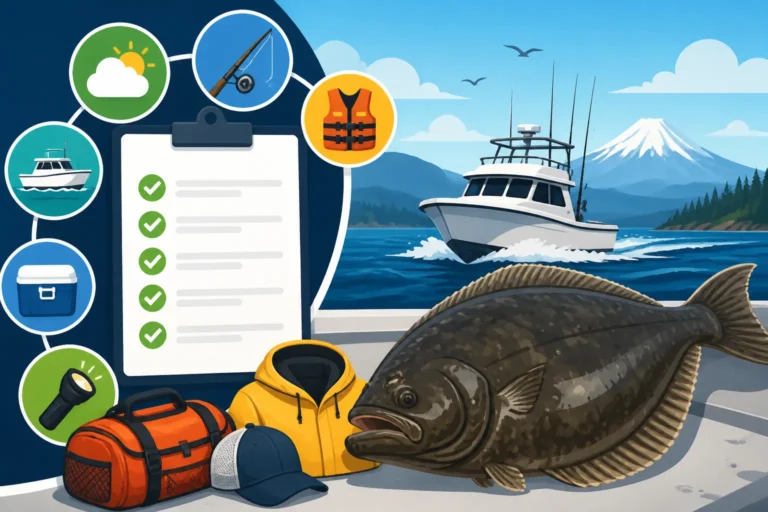
As anglers targeting bottomfish, it's absolutely vital to be aware of and adhere to responsible fishing practices and all current regulations. Rockfish are particularly vulnerable to barotrauma when brought up from deep water, causing their swim bladders to expand and making it difficult for them to return to depth. This is why descending devices for rockfish are so important. Using a descending device to release rockfish from deeper water significantly increases their survival rate, especially for species you cannot keep or choose to release.
Always check the current Washington Fishing Regulations Every Angler Should Know before each trip, as seasons, bag limits, and slot limits can change frequently, sometimes even mid-season through Emergency Rule Changes: Why Washington's Rules Shift Mid-Season. Some rockfish species are off-limits, or have very restrictive limits, so knowing how to identify species like Rockfish Species That Must Be Released in Washington is critical. Having a current copy of the regulations (physical or on the MyWDFW app) and a fish identification guide on board is a must. Practicing proper catch and release techniques, especially for vulnerable species, helps ensure sustainable fisheries for future generations of anglers.
By combining well-chosen bait rigs with a solid understanding of rockfish behavior, effective boat handling, and a commitment to responsible fishing, you're well on your way to becoming a highly successful rockfish angler on the Washington coast.
Disclaimer
Fishing regulations and seasons in Washington State are subject to change without notice. Always consult the latest WDFW regulations pamphlet, available online or at license vendors, before heading out on the water. This guide provides general information and recommendations, but it is the angler's responsibility to know and follow all current rules.