Does Wind Change How You Fish Puget Sound?
We've all been there: you wake up, check the marine forecast, and see "windy conditions" for Puget Sound, and your heart sinks a little. Does wind actually change how you fish Puget Sound? Absolutely it does! But don't let a breezy forecast ruin your day on the water; with the right approach, you can still have a successful and enjoyable trip. This guide will walk you through how wind impacts your fishing and, more importantly, how to adapt your techniques for Puget Sound's often blustery days.
The Basics of Wind's Impact on Puget Sound Fishing
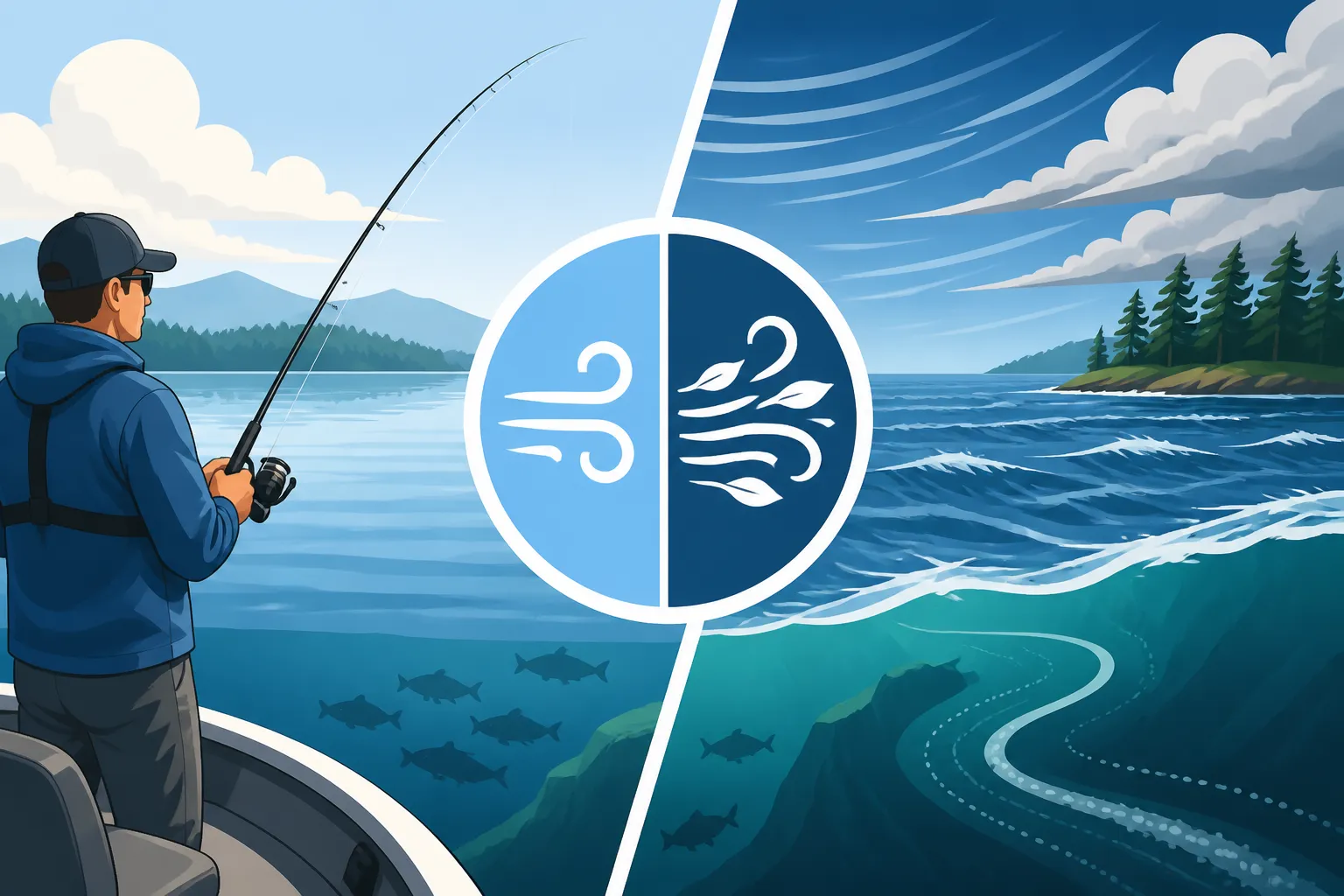
When you're out on the vast, complex waters of Puget Sound, wind isn't just a minor inconvenience; it's a major player that dictates everything from boat handling to fish behavior. Understanding how wind interacts with this unique marine environment is the first step to becoming a more adaptable and successful angler. It’s not just about the whitecaps; it’s about what those whitecaps mean for what’s happening beneath the surface and how you position yourself.
Understanding Wind Direction and Puget Sound's Geography
Puget Sound isn't an open ocean; it's a labyrinth of channels, islands, peninsulas, and inlets, all of which play a huge role in how wind behaves. A stiff breeze from the south, for instance, might create choppy conditions in an exposed area like Admiralty Inlet, while just a few miles away, a bay on the lee side of an island could be glass calm. The topography creates sheltered zones, often called "wind shadows," where the water remains relatively calm even when it's blowing hard elsewhere. This is why paying attention to the forecast's direction is just as important as its speed. If the wind is blowing from the north, bays and shorelines on the north side of islands or landmasses will typically be more exposed, while those on the south side might offer some refuge.
Knowing the local geography really pays off. For instance, if you're planning to fish for salmon off Point No Point and there's a strong westerly wind, you might find yourself battling significant chop and drift. However, if you shift your plans to a more protected area like a bay on the eastern side of Whidbey Island, you might discover much calmer conditions that are more conducive to Trolling for Salmon in Washington's Puget Sound. This strategic thinking based on geography and wind direction is a hallmark of experienced Puget Sound anglers. It allows you to salvage a fishing day that might otherwise be a wash, turning potential frustration into a productive outing.
How Wind Creates Currents and Affects Tides
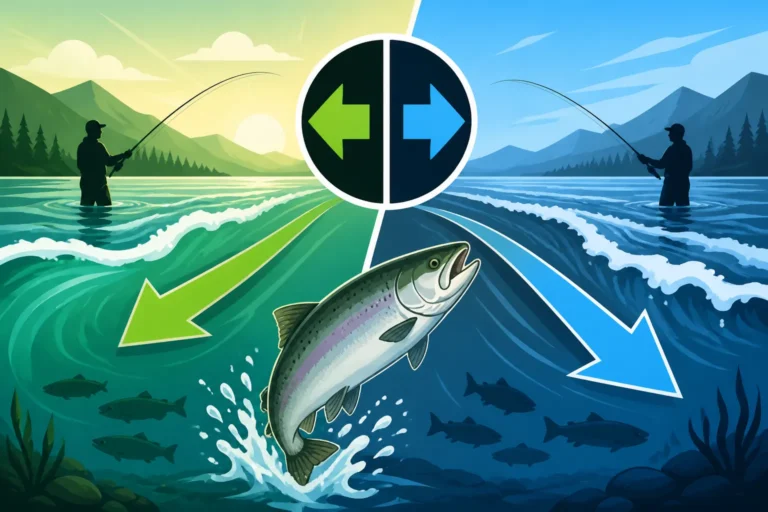
It's a common misconception that wind is the current. While wind itself primarily creates surface chop and drift, it can significantly influence and even generate currents, especially in shallower areas or constricted channels. Strong winds blowing consistently over a body of water will push surface water, creating a "wind-driven current" that adds to or subtracts from the existing tidal currents. This is particularly noticeable in areas with strong tidal flows, like The Narrows or Deception Pass. When wind and tide align, it can create incredibly confused and challenging water conditions, making boat control a nightmare and presenting your lure naturally almost impossible.
Conversely, wind can also "pile up" water, slightly altering local tide levels and affecting the strength of tidal currents, though this effect is usually less pronounced than the direct wind-driven current. The main takeaway is that wind adds another layer of complexity to the already intricate dance of Puget Sound tides. You'll also want to be mindful of Best Tides for Puget Sound Salmon Fishing in Washington which can interact with wind to create particularly challenging conditions. For example, a strong outgoing tide meeting a stiff headwind can create very steep, short waves that are uncomfortable and even dangerous for smaller boats, making it nearly impossible to fish effectively, especially when you're trying to present a sensitive bait.
The Direct Effects on Your Boat and Gear
Beyond the water itself, wind directly impacts your vessel and fishing gear in numerous ways. For boaters, wind means constant corrections at the helm, whether you're trolling, drifting, or even anchored. If you're trying to hold a specific depth or speed while Trolling for Salmon in Washington's Puget Sound in windy conditions, your autopilot will be working overtime, and you'll be burning more fuel. For drift fishing, wind can blow your boat much faster than the underlying current, making it difficult to keep your bait or lure in the strike zone for long enough.
Casting from shore or a boat also becomes a monumental challenge. A stiff crosswind can turn a precise cast into a tangled mess, or at best, drastically reduce your casting distance and accuracy. Trying to detect subtle bites when your line is bowing in the wind is incredibly difficult, often leading to missed fish. Moreover, the wind can make managing your gear a frustrating affair. Unruly lines, tangles, and even lures blowing off course before they hit the water are all common occurrences. For these reasons, many anglers find themselves making tactical decisions about their Rod and Reel You Need for Washington Puget Sound Salmon that are better suited to fighting the wind.
Adapting Your Fishing Strategy to Windy Conditions
Facing a blustery day on Puget Sound doesn't mean you have to pack up and go home. With a few strategic adjustments, you can often turn a challenging day into a rewarding one. The key is to be flexible, observe the conditions, and be willing to change your approach. It’s all about working with the wind, or finding ways to mitigate its effects, rather than fighting against it.
Adjusting Your Boat Control and Positioning
Boat control is paramount in windy conditions. If you're trolling, consider shortening your troll path or making wider turns to keep your lines in the water and minimize tangles. Many anglers deploy a drift sock or sea anchor to slow down their drift when fishing in windy conditions, allowing their lures or bait to sink properly and remain in the strike zone longer. This is especially useful when targeting bottom fish or when trying to slow down a salmon mooching presentation. You can find various sizes of these useful tools on Amazon, and having one onboard can really save a windy day.
If anchoring, be prepared to use more anchor rode than usual – a general rule of thumb is at least a 7:1 scope, and in heavy wind, you might need more like 10:1 to ensure your anchor holds securely. Pay attention to how your boat swings on the anchor in relation to the wind and current, as this will dictate where your lines will naturally drift. If drifting, try to utilize the wind to your advantage, positioning your boat so the drift takes you over productive structure or along current breaks. Sometimes, a careful combination of engine bursts and rudder adjustments can help maintain a more controlled drift, preventing your boat from spinning wildly in the chop.
Tackle and Bait Modifications for Windy Days
Windy conditions demand changes to your tackle. Lighter lines, which are great for stealth in calm water, become a liability as they bow more dramatically in the wind, making bite detection nearly impossible. Switching to heavier main lines and leaders, especially those with less stretch, can help cut through the wind and maintain better contact with your lure or bait. Similarly, heavier jigs and sinkers are often key, and you can stock up on a variety of weights and styles on Amazon before your trip. This extra weight helps your presentation get down to the fish quickly and stay there, rather than being swept away by surface currents or boat drift.
When it comes to lures, consider compact, heavy options that cast well into the wind, such as casting spoons or heavier jigs. Avoid light, bulky lures or large spinner blades that act like kites in the air. For bait fishing, ensure your bait presentation is streamlined and securely rigged to minimize drag and prevent it from being ripped off by the current or wind. Sometimes, simply going up a size or two in your lead weight for a bottom-fishing rig can make all the difference, allowing your bait to actually reach the bottom instead of drifting mid-water. You might even find that certain artificial baits, like scent-infused soft plastics, become more effective as they allow you to maintain better bottom contact than delicate live baits in rougher conditions.
| Wind Condition | Impact on Fishing | Recommended Adjustment |
|---|---|---|
| Light Breeze (0-5 knots) | Minimal surface ripple, easy boat control. | Standard tactics, focus on presentation. |
| Moderate Wind (5-15 knots) | Choppy water, noticeable boat drift, difficult casting. | Use drift sock/sea anchor, heavier weights/lures, shorter casts. |
| Strong Wind (15-25 knots) | Significant chop, rapid drift, challenging boat control, difficult bite detection. | Seek sheltered areas, much heavier weights/lures, motor-assisted drift, focus on vertical jigging. |
| Gale-force Wind (25+ knots) | Dangerous conditions, extreme chop, impossible boat control. | Stay home, prioritize safety. |
Finding Sheltered Water and Alternative Spots
This is perhaps the most crucial adaptation for windy days in Puget Sound. Instead of trying to force a bite in an exposed, wind-swept area, look for natural windbreaks. Islands, peninsulas, tall bluffs, and even large urban structures can create surprisingly calm "lee" sides. For example, if there's a strong westerly wind, the eastern side of the Kitsap Peninsula or the San Juan Islands might offer significantly calmer waters. Understanding the nuances of Washington's Puget Sound Fishing Spots for Salmon and Bottomfish can help you pick a more protected area.
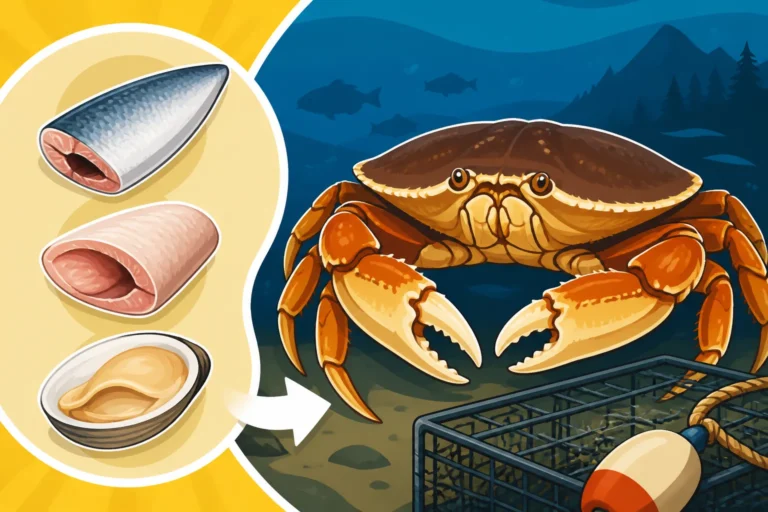
This might mean changing your target species or technique. If your usual salmon spot is getting hammered by the wind, maybe shift to a bay known for sea-run cutthroat, or try crabbing and shellfishing in a more protected inlet. Crabbing and Shellfishing in Washington's Puget Sound can be a fantastic alternative when the wind makes boat fishing for salmon too difficult. The beauty of Puget Sound is its diversity; there's almost always somewhere that offers a reprieve from the elements. Don't be afraid to change your plans and explore new waters that offer better conditions. Sometimes, even a short move can make all the difference between a miserable, unproductive day and a comfortable, successful one.
Safety and Comfort Considerations When Fishing in the Wind
Beyond just affecting your fishing success, wind can seriously impact your safety and comfort on the water. Puget Sound can turn from placid to treacherous in a remarkably short amount of time, especially with strong winds. Always prioritize safety, and never take unnecessary risks when the weather takes a turn.
Essential Gear for Windy, Choppy Conditions
When the wind picks up, staying dry and warm becomes critical, as hypothermia can set in even on moderately cool days. Investing in good quality waterproof and windproof outerwear is non-negotiable. This means a reliable set of rain gear, including a jacket and bibs, designed for marine environments. You might even consider investing in a good quality rain gear on Amazon, ensuring it's specifically rated for foul weather. Layers are key: wear moisture-wicking base layers, insulating mid-layers, and your waterproof outer shell.
Beyond clothing, ensure your boat is equipped with all necessary safety gear, including correctly sized PFDs for everyone on board (and make sure everyone is actually wearing them if conditions are rough). A marine radio or other reliable means of communication is vital, as cell service can be spotty in certain parts of the Sound, especially during storms. Having a well-stocked ditch bag with emergency supplies is also a smart move. Things like gloves, a warm hat, and non-slip deck shoes will also make a huge difference in comfort and safety.
When to Call It a Day or Reconsider Your Plans
This is perhaps the hardest, but most important, decision any angler can make. Nobody wants to cancel a fishing trip, especially if it's been planned for a while, but safety must always come first. Pay close attention to marine forecasts, especially "small craft advisories" or "gale warnings." If your boat is a smaller vessel, a small craft advisory often means it's time to seriously reconsider or postpone your trip. The forecast might say 15-20 knots, but localized winds and wave action in certain areas can be much worse due to fetch and current interaction.
Trust your gut. If conditions feel unsafe or uncomfortable as you're heading out, turn back. No fish is worth risking your boat, your gear, or your life. If you're on the water and the wind unexpectedly picks up, have a plan for how to get back to a safe harbor or sheltered cove. Know your boat's limits and, more importantly, your own. For new anglers, checking out resources like How to Find a Guide for Beginners in Washington might be a good idea for learning the ropes in varying conditions, as experienced guides are masters at navigating and making these critical safety calls.
Managing Seasickness and Discomfort
Windy conditions almost always lead to choppier water, which, for many, means an increased risk of seasickness. If you're prone to motion sickness, take preventative measures before you even leave the dock. Over-the-counter medications like Dramamine or Bonine can be very effective, but remember to take them according to their instructions, often well in advance of departure. Some people find relief with ginger candies, acupressure wristbands, or even a specific patch applied behind the ear.
Staying on deck, focusing on the horizon, and avoiding looking down at your phone or small tasks can also help. Make sure you're well-hydrated and have eaten a light, non-greasy meal. Avoid alcohol and heavy foods the night before or morning of your trip. Bringing along some simple crackers or ginger ale can provide some relief if you start feeling queasy. The goal is to make your day on the water as comfortable as possible, so you can actually enjoy the fishing, even if the wind is blowing a bit. Having these remedies on hand, perhaps a small emergency kit you packed from items available on Amazon, can make all the difference in preventing a great day from being ruined by discomfort.
Disclaimer
This article is for general informational purposes only and does not constitute professional advice. Laws, prices and regulations vary by location and change over time. Consult a qualified professional for guidance on your specific situation.