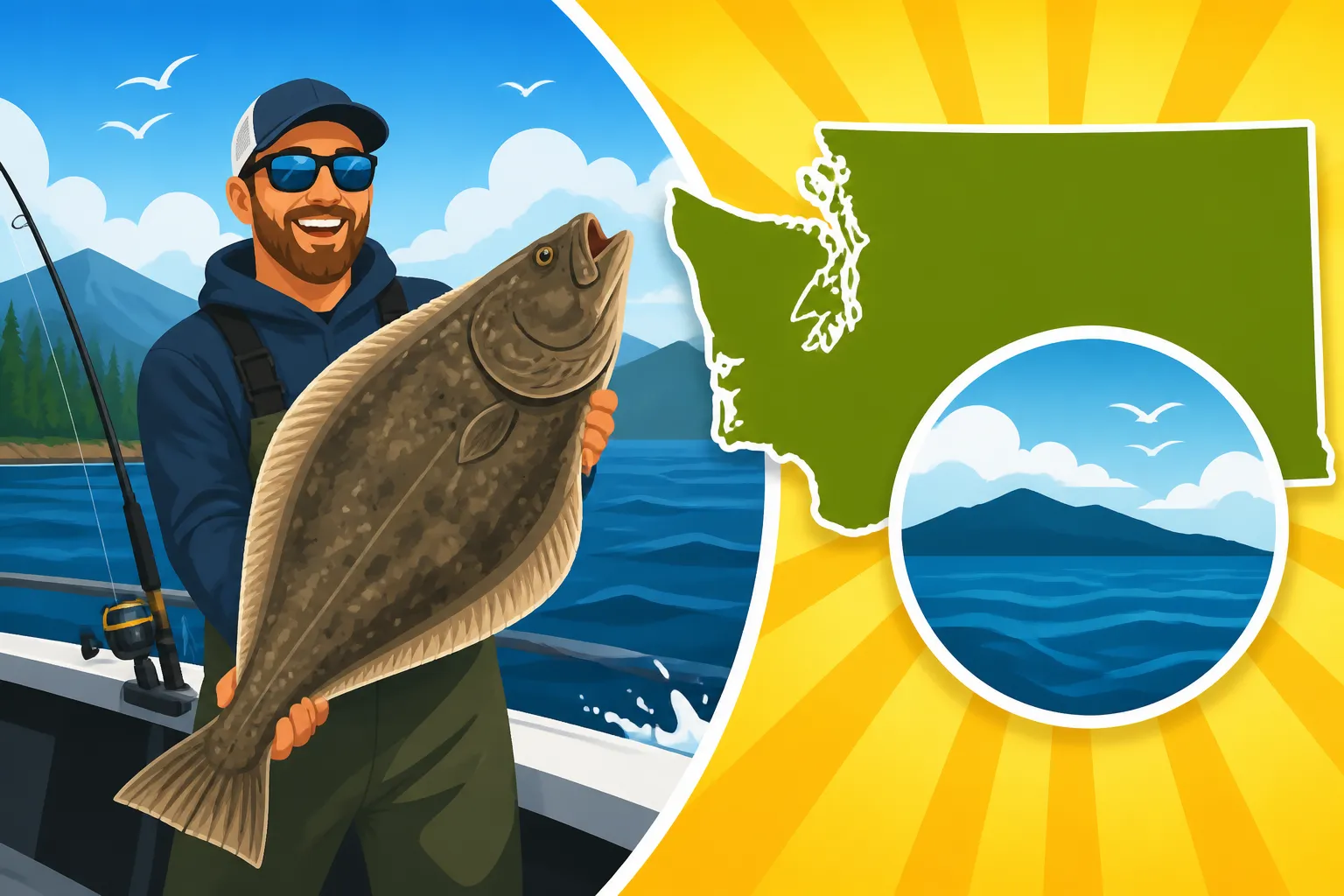
When Washington’s Halibut Season Opens in 2026
The uncertainty surrounding Washington's halibut season dates can be a real headache for anglers who want to plan their trips well in advance. It's frustrating to hold off on booking charter boats, requesting time off work, or even just gearing up, all because the official word on when we can hit the water for these magnificent flatfish hasn't dropped yet. This guide aims to demystify the complex process behind setting the 2026 halibut season and provide you with the most up-to-date information on how and when to expect those crucial announcements, so you can plan with confidence.
The Intricate Process of Setting Halibut Seasons in Washington
If you've ever wondered why Washington's halibut seasons feel like a moving target, you're not alone. It's not as simple as the state wildlife agency just picking a few dates out of a hat. There's a deeply complex, multi-layered process involving international treaties, federal oversight, state management, and tribal co-management that all converge to determine when and where we can fish for Pacific halibut. Understanding this process is key to managing your expectations for the 2026 season.
At the highest level, the Pacific halibut fishery is managed under the authority of the International Pacific Halibut Commission (IPHC). This commission, comprising members from both the United States and Canada, conducts extensive stock assessments and sets the overall coastwide catch limits (known as the Total Allowable Catch, or TAC) for halibut each year. These decisions are made to ensure the long-term sustainability of the halibut population across its entire range, from California to Alaska. It's a critical first step, and without this overall quota, no state or tribal fishery can even begin to plan. The IPHC usually finalizes these allocations in late January or early February for the upcoming year, which means the wheels for 2026 will start turning for them well in advance.
Once the IPHC sets the overall TAC and divides it between the U.S. and Canada, the U.S. portion is then further divided among various regions and user groups by the National Oceanic and Atmospheric Administration (NOAA) Fisheries and the Pacific Fishery Management Council (PFMC). For Washington, this involves allocating portions of the quota to commercial fisheries, tribal fisheries, and the recreational sport fishery. It's during this phase that federal managers, in consultation with states and tribes, try to balance the needs of all stakeholders while staying within the scientific limits. This complex dance of allocations is where things can get particularly tricky and contentious, as everyone wants a fair share of the resource.
Key Factors Influencing Halibut Season Dates
The actual dates when you can drop a line for halibut in Washington are the result of several critical factors, all of which interact and can cause shifts year to year. It's a dynamic system, and what worked last year might not be feasible for the next. This constant adjustment is why it’s so important to consult official sources for the latest information when planning your Pacific Halibut Fishing on the Washington Coast adventure.
Firstly, the overall health of the halibut stock, as determined by the IPHC's scientific assessments, is paramount. If the stock assessment indicates a decline, the coastwide TAC will be reduced, which in turn shrinks Washington's allocation. Conversely, a healthy stock might allow for more liberal quotas. These biological factors are non-negotiable and form the foundation of all subsequent decisions. It's the ultimate safeguard against overfishing, ensuring that future generations can also enjoy the thrill of battling a big halibut.
Secondly, the negotiation and coordination between the Washington Department of Fish and Wildlife (WDFW), NOAA Fisheries, and various tribal entities play a huge role. In Washington, tribal treaty rights mean that co-management of fisheries is a legal and practical necessity. This often involves intricate discussions to establish fair allocations and fishing periods for both tribal and non-tribal fisheries. These discussions are ongoing throughout the year, and their outcomes directly shape the recreational season structure, including the number of fishing days, daily limits, and even potential depth restrictions. Sometimes, these discussions can extend, pushing back the announcement of recreational seasons.
Finally, public input and stakeholder meetings heavily influence the WDFW's final recommendations. Anglers, charter operators, and tackle shop owners often participate in workshops and public comment periods, providing valuable feedback on proposed seasons. This input helps WDFW craft regulations that are not only biologically sound but also practical and desirable for the angling community. However, incorporating diverse opinions while adhering to federal and tribal agreements is a delicate balancing act, and sometimes, compromises are necessary that might not please everyone.
Projected Outlook for Washington's 2026 Halibut Season
While specific dates for the 2026 Washington halibut season won't be set until late 2025 or early 2026, we can look at historical patterns and the current management framework to give you a general idea of what to anticipate. Remember, these are projections based on past trends and current knowledge, and the actual dates are subject to change based on the factors discussed above. Staying informed means being prepared for flexibility.
Historically, Washington's recreational halibut seasons typically open in late April or early May, extending into June or July, depending on the quota and catch rates in different marine areas. The state is usually divided into several marine areas, each with its own specific fishing days and sometimes different opening and closing times. For instance, the Strait of Juan de Fuca (Marine Areas 5 & 6) and Puget Sound (Marine Area 9) often have different schedules than the coastal areas like Westport or Neah Bay. This geographic segmentation allows WDFW to manage localized pressure and ensure equitable access to the resource. If you're planning a trip to Westport, for example, it's worth checking Best Time of Year to Fish Westport for Halibut to align with historical patterns.
For 2026, it's reasonable to expect WDFW to continue with a similar structure, likely offering a series of specific fishing days rather than a continuous open season. The goal is often to provide opportunities over several weekends, or specific weekdays, to allow as many anglers as possible to participate before the quota is met. The total number of fishing days is always a hot topic, and while we can't predict Washington's 2026 Halibut Fishing Days with certainty, they will be carefully calculated. Based on recent years, it's not uncommon for some areas to have only a handful of available days. Keep an eye out for potential restrictions on depth or specific areas that might be closed to protect other species, such as yelloweye rockfish, which are often caught incidentally. These rules are crucial for conservation and fall under Washington Fishing Regulations Every Angler Should Know.
Here's a generalized look at the typical timeline for halibut season announcements and opening windows:
| Phase | Typical Timing | Key Actions/Decisions | What Anglers Should Do |
|---|---|---|---|
| IPHC Annual Meeting | Late January / Early February | Sets coastwide TAC & national allocations for US/Canada. | Monitor IPHC website for general quota information; understand it's a precursor, not final dates. |
| PFMC / NOAA Fisheries Review | February / March | Develops sub-area allocations, considers input from states & tribes. | Start checking WDFW news releases and PFMC meeting summaries for Washington-specific quota discussions. |
| WDFW Public Process & Consult. | March / Early April | Holds public meetings, coordinates with tribal co-managers, finalizes state proposal. | Attend public meetings if possible, submit comments, actively follow WDFW social media/news. |
| Official Season Announcement | Mid-April to Early May | WDFW officially announces specific season dates, bag limits, and rules for all marine areas. | This is the critical time! Immediately check official WDFW sources for exact dates and plan your trips. |
| Season Opens | Late April / Early May (Coastal) | First opportunities to fish, often starting with coastal areas. | Get your gear ready, check marine forecasts, confirm charter bookings. |
| Season Opens | May / Early June (Strait/PS) | Strait of Juan de Fuca and Puget Sound open, often with fewer days. | Be prepared for shorter windows; consider Halibut Fishing Techniques for the Washington Coast for different areas. |
How to Stay Informed About Final Halibut Season Announcements
The waiting game for Washington's halibut season dates can be agonizing, but thankfully, there are reliable ways to stay on top of the announcements. Being proactive and knowing where to look will ensure you're among the first to know when it's time to hit the water for that coveted Pacific halibut. It’s also crucial to remember that these dates are often announced with fairly short notice, sometimes only a couple of weeks before the season opens, so being dialed in is key.
The absolute best and most authoritative source for Washington fishing regulations, including halibut season dates, is the official Washington Department of Fish and Wildlife (WDFW) website. They maintain a dedicated page for halibut regulations and will publish emergency rules or news releases as soon as dates are confirmed. Make it a habit to check their "Fishing Rule Change" section regularly, especially from March through April. They also have an email subscription service you can sign up for, which sends alerts directly to your inbox whenever a rule change or season announcement is made. This is incredibly convenient for anglers who don't want to constantly be refreshing web pages.
Beyond the official WDFW site, several other resources can help you stay informed. Local fishing forums and communities are often quick to share news and discuss potential season structures. While these are great for discussion, always double-check any dates or rules against the official WDFW channels. Many local tackle shops and charter operators also keep their clients well-informed, as their livelihoods depend on it. If you have a favorite charter captain out of places like Westport, Ilwaco, or Neah Bay, they'll likely be among the first to hear and share the news with their booked clients. You can often find guides and charter services discussed on sites like Amazon, but regardless of where you find them, they are a great resource for real-time local information.
Practical Advice for Planning Your Halibut Trip
Once those elusive 2026 halibut season dates are finally announced, the scramble begins! To make sure you're ready to maximize your chances, a little pre-planning can go a long way. This isn't just about showing up with a rod; it's about being prepared for a unique and rewarding fishing experience. Knowing your gear, understanding the conditions, and making arrangements in advance will make all the difference.
First off, consider your gear. Halibut are big, powerful fish, so you need robust tackle. A heavy-duty conventional rod and reel, spooled with strong braided line (think 65-80 lb test), is standard. You'll also need heavy sinkers (up to 2 lbs or more, depending on current and depth), large circle hooks, and plenty of bait. Herring, squid, and octopus are popular choices. It’s a good idea to stock up on these essentials once the dates are announced, as local tackle shops can get picked over quickly. You can often find specialized halibut gear, from heavy-duty reels to scent attractants, on Amazon if your local shop is out of stock. Having the right setup is crucial for Halibut Possession Limit in Washington and ensuring you can land your catch efficiently.
If you're planning on booking a charter, do so as soon as the season dates are announced. The best boats and captains fill up incredibly fast, especially for prime weekend slots. Many charter services, particularly out of popular ports like Ilwaco, Westport, and Neah Bay, maintain waiting lists or pre-booking options, so it's wise to get on those early. When booking, clarify what's included: does it cover bait, tackle, fish cleaning, and your Washington Fishing License Guide for Nonresidents (if applicable)? Understanding these details upfront can save you headaches later. If you're wondering about costs or what to expect, guides like Westport, Washington Halibut and Tuna Charters can provide valuable insights.
Finally, stay flexible and weather-aware. Halibut fishing typically takes place in deeper, open ocean waters, which can be susceptible to rough weather. Be prepared for potential cancellations or postponements due to high winds or heavy seas. Have a backup plan, whether it's an alternative fishing trip (maybe some salmon or bottomfish if conditions allow) or simply adjusting your travel dates. Always check the marine weather forecast the day before your trip, and pack appropriate foul-weather gear. Even on a clear day, conditions offshore can change rapidly. Don't forget a cooler full of ice for your catch! Taking a moment to review resources like What to Check Before a Washington Halibut Trip Offshore can really help you get ready.
Disclaimer
Please note that fishing regulations, including halibut season dates, are subject to change. The information provided here is based on general knowledge and historical patterns and should be used for planning purposes only. Always consult the official Washington Department of Fish and Wildlife (WDFW) website or call their offices for the most current and accurate regulations before heading out on any fishing trip.