Lakes That Stock Triploid Rainbow Trout in Washington
It's incredibly frustrating when you're looking for a trophy trout fishing experience, only to find that many lakes are heavily pressured or primarily hold smaller, hatchery-reared fish. We all dream of that bent rod and screaming reel as a monster rainbow rips line, but knowing where to find those opportunities can feel like a secret handshake. This guide is here to demystify the world of triploid rainbow trout in Washington, helping you pinpoint the lakes where these extraordinary fish are stocked and how to best target them for that unforgettable catch.
What Exactly Are Triploid Rainbow Trout?
Let's start with the basics, because understanding what a triploid rainbow trout is will completely change how you approach fishing for them. In simplest terms, a triploid fish is sterile, meaning it cannot reproduce. Most rainbow trout you encounter in Washington's lakes and rivers are diploid, possessing two sets of chromosomes, just like most animals. Triploids, on the other hand, have three sets. This genetic modification is usually induced artificially at the hatchery level, typically by subjecting the eggs to a heat or pressure shock shortly after fertilization.
The immediate question might be, "Why bother making them sterile?" Well, for anglers, it's a game-changer. Since these fish don't expend energy on developing reproductive organs or spawning behaviors, they can dedicate all that energy to growth. This means triploid rainbows tend to grow much larger, much faster, and live longer than their diploid counterparts. Instead of putting on a spawning 'suit' and running up rivers, they stay in the lake, pack on the pounds, and become the true lunkers we all dream of catching. You'll find that these fish often have a deeper body, thicker shoulders, and an overall more robust appearance.
From a management perspective, stocking triploids is a brilliant strategy. It allows the Washington Department of Fish and Wildlife (WDFW) to introduce large, trophy-sized fish into lakes without worrying about them establishing self-sustaining populations that might compete with native species or overpopulate a water body. This is particularly important in lakes where wild trout populations are sensitive or where fisheries managers want to create a high-quality, put-and-grow fishery that relies solely on stocking. It's a win-win: anglers get massive fish, and managers maintain ecological balance.
The Benefits of Targeting Triploid Rainbow Trout Fisheries
Fishing for triploid rainbows isn't just about the size; it’s about the unique angling experience they offer. When you know you're heading to a lake specifically managed for these big eaters, your whole approach changes, often for the better.
Unmatched Growth and Trophy Potential
As mentioned, the primary draw of triploids is their incredible growth potential. While a typical hatchery rainbow might top out at 12-16 inches in a year or two, a triploid can easily exceed 20 inches, with some reaching genuinely impressive sizes, often breaking the 5-pound mark, and occasionally even venturing into double digits. Imagine the thrill of hooking into a fish that's longer than your forearm and pulling line like a freight train! These aren't just fish; they're experiences. You might even find yourself comparing notes with friends on How Big Washington Rainbow Trout Get in Lakes, because triploids truly redefine the upper limits for rainbow trout in many waters.
This isn't just hearsay; WDFW regularly reports trophy catches from these waters. Places like Rufus Woods Lake have become legendary precisely because of the monster triploids swimming in them. For the angler who loves a challenge and the possibility of a lifetime catch, these fisheries are goldmines. You'll need to upgrade your gear, perhaps switching to heavier line and sturdier rods, but the payoff can be immense.
Reduced Ecological Impact
Another fantastic benefit, often overlooked by anglers, is the reduced ecological footprint of these fisheries. Because triploid trout are sterile, they don't interbreed with wild, native trout populations. This is a critical factor in maintaining the genetic integrity of Washington’s precious wild fish stocks, especially in regions where native rainbow trout or cutthroat populations are present. For example, if WDFW wants to enhance fishing opportunities in a lake that feeds into a river system with native trout, stocking sterile triploids means they get to provide exciting fishing without risking hybridization or competition issues for the wild fish. This responsible management allows us to enjoy fantastic fishing while being confident that we're not inadvertently harming the natural ecosystem.
It also means that the fish you catch are "bonus" fish – they're there for sport and harvest, without impacting the natural reproductive cycle of the waterway. This makes them an excellent choice for waters where sustainable fishing practices are a top priority, offering bountiful opportunities without depletion. Remember, even with triploids, you'll still need to follow Washington Fishing Regulations Every Angler Should Know, including bag limits and seasons.
Top Washington Lakes Known for Triploid Rainbow Trout Stocking
While WDFW frequently rotates its stocking locations based on various factors, some lakes are consistently known for their triploid rainbow programs, offering anglers reliable opportunities for big fish. It’s always a good idea to check the latest WDFW stocking reports before heading out, but here are some of the heavy hitters.
Rufus Woods Lake: The Triploid King
If there's one name synonymous with trophy triploid rainbow trout in Washington, it's Rufus Woods Lake. Located on the Columbia River upstream of Chief Joseph Dam, this immense reservoir is famous for producing some of the largest rainbow trout in the state, regularly kicking out fish in the 5-10 pound range, with some exceeding 15 pounds. The WDFW makes significant plants of triploid rainbows here, turning it into a premier destination for anglers seeking that true lunker.
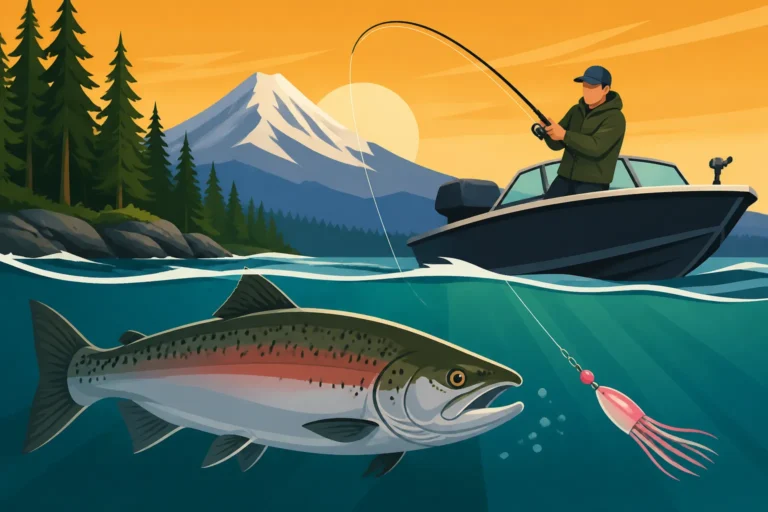
The lake's rich ecosystem, fed by the powerful Columbia River, provides an abundant food source, allowing these triploids to grow to their massive sizes. Fishing here often involves techniques geared towards large, aggressive trout. Trolling large spoons, plugs, or even bait rigs with PowerBait or worms are popular methods. Many anglers also use downriggers to target fish suspended in the deeper sections of the lake. Bank fishing can be excellent in certain accessible areas, especially during cooler months. You'll want sturdy gear – a medium-heavy spinning or casting rod paired with 10-15 lb test line is not overkill here. Before you go, make sure you understand the nuances of Washington's Columbia River Salmon and Steelhead Endorsement, Explained if you plan to target other species, as Columbia River rules can be complex.
Jameson Lake: Central Washington's Gem
Nestled in the rolling hills of Douglas County, Jameson Lake is another fantastic destination for triploid rainbow trout, particularly popular in the spring and fall. WDFW consistently stocks Jameson with triploids, creating a phenomenal put-and-grow fishery that draws anglers from across the state. While not quite on the scale of Rufus Woods, Jameson produces plenty of rainbows in the 18-24 inch range, with some pushing even larger.
This lake is smaller and more accessible for bank anglers, but boats, kayaks, and float tubes are very popular. Trolling small wedding rings or flies behind a dodger, still-fishing with PowerBait or worms from shore, or casting spoons and spinners are all effective tactics. The lake can get busy, especially on opening weekend or sunny spring days, but the rewards are often well worth it. You'll want to review When Washington's Lake Trout Season Opens for similar species, as rules for various trout can be intricate. For serious anglers looking to up their game, I often suggest checking out specialized trolling gear or a quality fish finder on Amazon to help locate these bigger fish in the deeper sections.
Other Notable Lakes and Stocking Programs
While Rufus Woods and Jameson Lake are stalwarts, WDFW conducts triploid stocking programs in many other lakes across the state, often as part of their "trophy trout" or "quality lake" initiatives. These programs can vary year-to-year, so staying updated with WDFW's weekly stocking reports is key.
- Potholes Reservoir and surrounding lakes: Several smaller lakes in the Potholes area of Eastern Washington, like the "dunes lakes," occasionally receive triploid plants. These can be fantastic fisheries, though often with more limited access.
- Lake Chelan (for specific rainbow programs): While Lake Chelan is primarily known for its monstrous Mackinaw (lake trout) and kokanee, WDFW does stock rainbow trout in certain areas. It's less about a dedicated triploid program here for rainbows, but if you're exploring the area, keep an eye on stocking reports for opportunities. However, for sheer triploid rainbow numbers, Rufus Woods remains king. If you're there for kokanee, you might enjoy reading about Jigging for Kokanee in Washington Lakes.
- Various Lowland Lakes: Many smaller, accessible lowland lakes throughout Washington receive triploid plants to enhance recreational opportunities. These are often closer to urban centers, providing excellent day-trip options. Lakes around Spokane, Seattle, and Tacoma may see these plants. Always check the WDFW's website for the most current information. You can easily set up alerts or regularly check their stocking schedules to find out which lakes are getting these special plants. Sometimes these smaller lakes don't hold the fish as long due to fishing pressure, but the initial opportunities can be phenomenal.
Gearing Up and Techniques for Triploid Rainbow Trout
Catching these bigger, stronger trout requires a bit of a shift in your approach compared to standard pan-sized hatchery rainbows. These fish are fighters, and you’ll want your gear to match.
Rods, Reels, and Line
Forget your ultralight trout rod when chasing triploids. You'll want a medium-light to medium power spinning rod, typically 6'6" to 7'6" long, with a fast action tip for sensitivity but enough backbone to handle a powerful fish. Pair this with a reliable spinning reel in the 2500-3000 size range, spooled with 8-12 lb monofilament or fluorocarbon main line, or 15-20 lb braided line with a fluorocarbon leader of 8-12 lb test. The larger diameter and strength will prevent break-offs and give you better control over a big fish. Finding a good quality braided line or a sturdy reel from Amazon can make a huge difference in your success and enjoyment.
Baits and Lures
Triploids are often aggressive and opportunistic feeders due to their rapid growth rate. They're looking for substantial meals.
- PowerBait and Dough Baits: These remain a staple for trout fishing, but for larger triploids, don't be afraid to use larger globs or specially formulated "trophy trout" dough baits. Bright colors like chartreuse, orange, and rainbow variations often work well. Floating them off the bottom with a simple egg sinker rig is a classic and effective method, especially for bank fishing.
- Worms and Natural Baits: Live nightcrawlers, pinched in half or fished whole, can be irresistible. Marshmallows, corn, or even cured salmon eggs can also be effective.
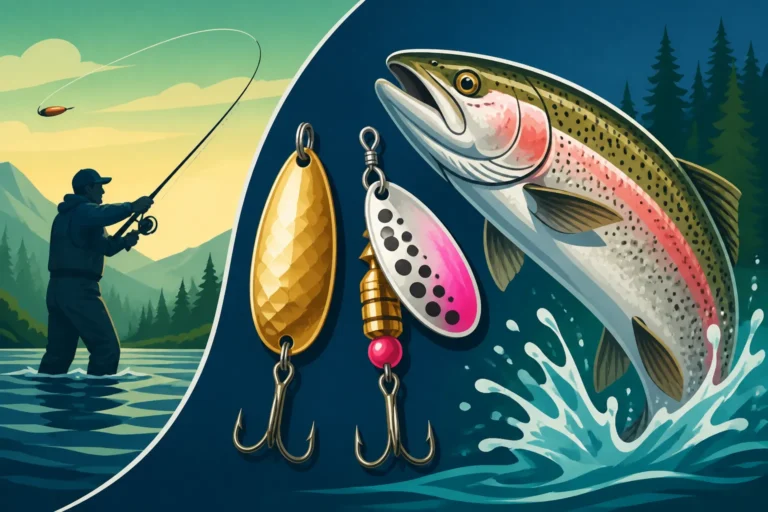
- Spoons and Spinners: Casting and retrieving spoons like Kastmasters, Little Cleos, or Luhr Jensen Kwikfish can provoke aggressive strikes. Sizes from 1/4 oz to 1/2 oz are appropriate. Spinners such as Mepps Aglia or Rooster Tails in larger sizes (e.g., #3 or #4) are also excellent choices, especially in silver, gold, or bright fluorescent colors.
- Plugs and Jerkbaits: For trolling, larger plugs and jerkbaits that mimic baitfish can be very effective, particularly on Rufus Woods Lake. Brands like Rapala, Flatfish, and Kwikfish in brighter colors or natural baitfish patterns often entice big bites.
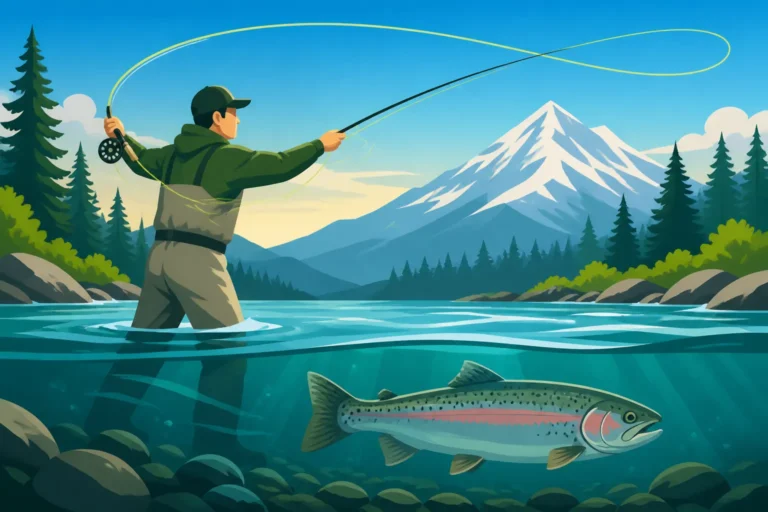
- Flies: Fly fishing can be incredibly productive, especially when triploids are feeding near the surface or in shallower areas. Streamers that imitate baitfish, leeches, or large nymphs can be deadly. Think Woolly Buggers, sculpin patterns, or larger San Juan Worms. For advice on these techniques, you might want to look into Fly Fishing Washington's Rivers and Lakes.
Techniques
- Still-Fishing (Bank/Boat): A classic method using bait. Cast out your bait rig (PowerBait, worm, or combination) and let it sit. Use a sliding sinker to allow the fish to pick up the bait without feeling immediate resistance. This works particularly well in areas with current or structure.
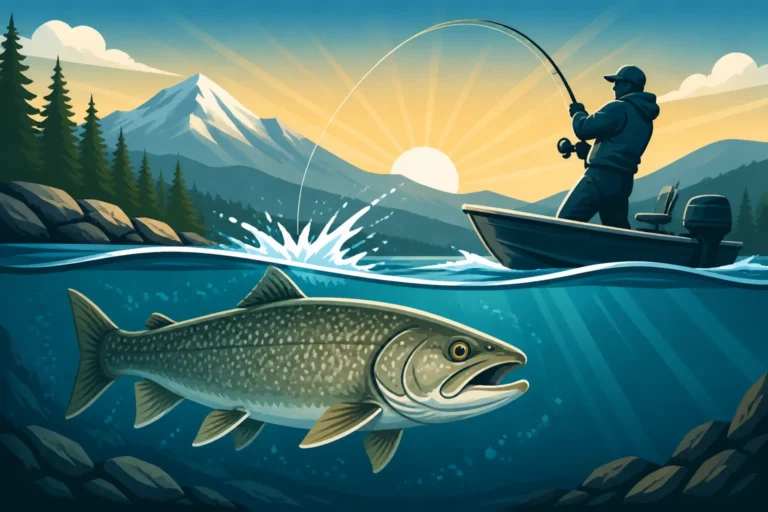
- Trolling: This is a highly effective method from a boat, especially on larger lakes like Rufus Woods. Use a planer board, lead core line, or downriggers to get your lures or bait down to the desired depth. Experiment with speeds and depths until you find where the fish are holding. Trolling patterns like a Wedding Ring with a worm or a small spoon behind a dodger or flasher can be very productive.
- Casting and Retrieving: Actively casting spoons, spinners, or soft plastics and retrieving them with varying speeds and pauses can trigger reaction bites from aggressive triploids. This is a great technique for covering water from the bank or a boat.
- Jigging: From a boat, jigging spoons or heavy soft plastics vertically over structure or where you mark fish on your electronics can be a highly effective way to entice bites from larger, deeper-holding trout.
Important Considerations
- Check Regulations: Always, always check the current WDFW regulations for the specific lake you plan to fish. Seasons, bag limits, and gear restrictions can vary significantly from one water body to another, and they can even change mid-season due to emergency rules. You'll want to understand How Bag and Possession Limits Work in Washington to ensure you're compliant.
- Licenses: Make sure you have a valid Washington fishing license. If you're unsure if you need one, especially for a quick trip, consider checking Do You Need a License for Catch-and-Release Only?.
- Weather and Water Conditions: Big fish can be sensitive to changes in weather. Pay attention to water temperature, clarity, and barometric pressure. Cooler water generally means more active trout.
- Patience: While triploids are known for their size, they're still fish, and sometimes they can be finicky. Be patient, try different baits and techniques, and don't be afraid to move if a spot isn't producing.
Triploid rainbow trout fisheries in Washington offer some of the most exciting and rewarding trout fishing experiences available. With the right knowledge, gear, and a bit of persistence, you’ll be well on your way to hooking into that trophy fish you’ve always dreamed about.
| Lake Name | General Location | Primary Triploid Size Range | Common Techniques | Best Time of Year |
|---|---|---|---|---|
| Rufus Woods Lake | Columbia River, Central WA | 5-15+ lbs | Trolling plugs/spoons, bait, jigging deep | Year-round, best in cooler months |
| Jameson Lake | Douglas County, Central WA | 18-24 inches (up to 5 lbs) | Trolling wedding rings, still-fishing bait, casting spoons | Spring, Fall |
| Various Lowland Lakes | Statewide | 16-22 inches (up to 4 lbs) | Still-fishing bait, casting spinners, small spoons | Spring, Fall, Winter |
Conclusion: Your Next Trophy Awaits
Fishing for triploid rainbow trout in Washington is an exhilarating pursuit that offers the chance to tangle with truly magnificent fish. These sterile, fast-growing rainbows are a testament to smart fishery management, providing incredible angling opportunities without negatively impacting wild populations. From the legendary waters of Rufus Woods Lake to the diverse array of lowland lakes that receive seasonal plants, the opportunity for a trophy catch is never far away. So, gear up, check those WDFW stocking reports, and get ready for the fight of a lifetime. The satisfaction of landing one of these hefty beauties is a memory you won't soon forget!
Disclaimer
Please remember that fishing regulations in Washington State can change frequently and without much notice due to emergency rule changes. It is always your responsibility to consult the latest Washington Department of Fish and Wildlife (WDFW) regulations pamphlet or their official website before heading out on any fishing trip. Information provided in this guide is for general informational purposes only and should not be considered a substitute for official WDFW regulations.