Jigging for Kokanee in Washington Lakes
Few things are as frustrating as heading out to your favorite Washington lake, knowing it's teeming with delicious kokanee, only to have them ignore every offering you present. These feisty landlocked sockeye can be incredibly finicky, but with the right approach, you can unlock their secrets. This comprehensive guide is dedicated to mastering the art of jigging for kokanee, ensuring your next trip ends with a cooler full of these silver beauties.
Understanding Kokanee: Washington's Landlocked Sockeye
Kokanee are a truly unique and prized game fish in Washington State, offering a thrilling challenge and a tasty reward. They're essentially sockeye salmon that have adapted to live their entire lives in freshwater lakes, never making the journey to the ocean. This distinction impacts everything from their behavior to their diet, and understanding these nuances is crucial for successful angling.
What Makes Kokanee Unique?
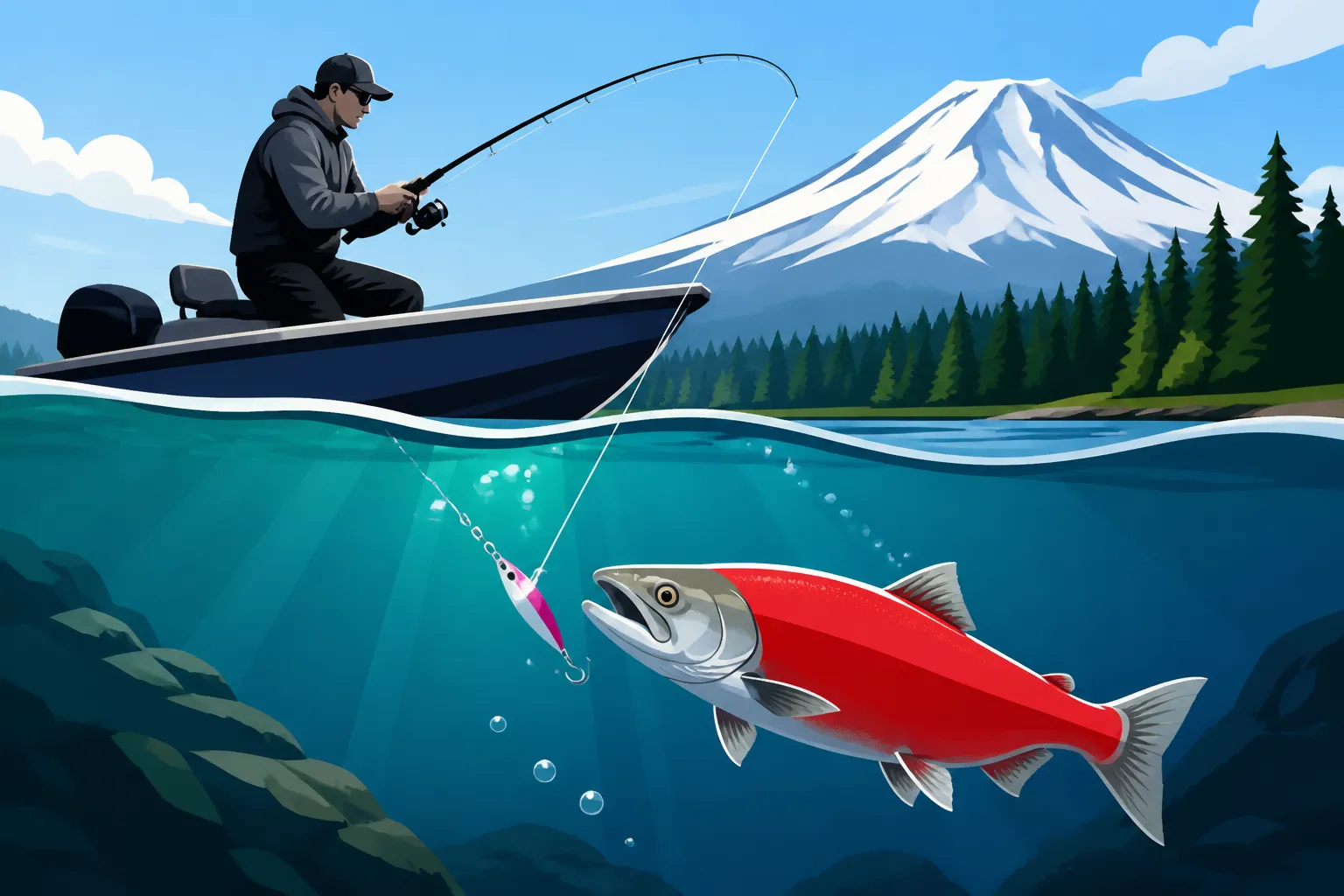
Unlike their ocean-going sockeye cousins, kokanee grow smaller, typically ranging from 10 to 16 inches, though some Washington lakes can produce larger specimens. They retain that vibrant silver color for much of their lives, only transforming into a brilliant crimson with hooked jaws as they near their spawning cycle, a truly magnificent sight to behold. Their diet primarily consists of zooplankton, tiny microscopic organisms that drift in the water column. This diet makes them planktivores, which is why traditional bait-fishing techniques often fail with kokanee; they aren't looking for worms or minnows. Instead, they're drawn to small, flashing, jigging lures that imitate the movement of their natural food source or trigger an aggressive strike. This specialization in their diet is precisely why jigging becomes such an effective method, as it allows anglers to mimic what kokanee are naturally predisposed to eat or react to.
Their schooling behavior is another distinctive trait. Kokanee are almost always found in large schools, sometimes numbering in the hundreds or even thousands. They'll cruise open water, often suspending at specific depths, particularly around the thermocline where nutrient-rich water and zooplankton congregate. This schooling instinct means that if you find one kokanee, you've likely found many, making precise depth control and consistent presentation paramount. They can be incredibly sensitive to changes in light, pressure, and even boat noise, which makes a stealthy and patient approach vital for enticing them to bite.
Where to Find Them in Washington Lakes
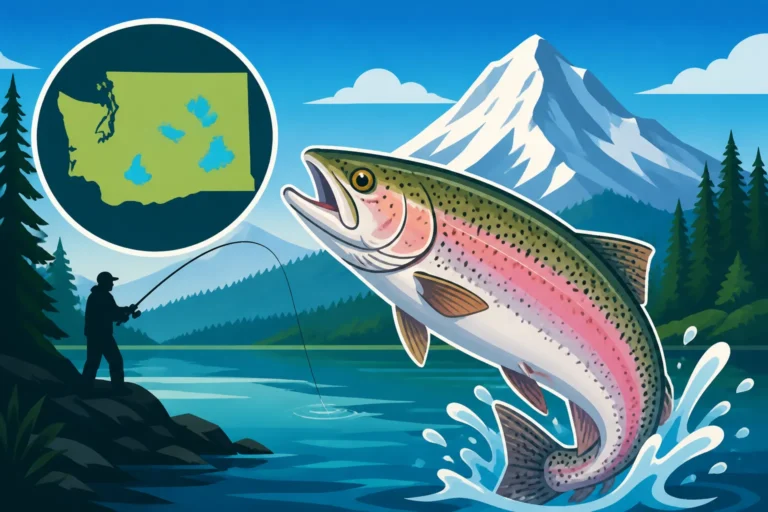
Kokanee aren't just found anywhere; they thrive in large, deep, cold-water lakes that mimic the conditions sockeye would experience in the ocean before returning to spawn. Think of lakes with significant depth, good water quality, and an abundant zooplankton population. In Washington, we're incredibly fortunate to have several premier kokanee fisheries that fit this description perfectly. Lakes like Lake Chelan, Lake Roosevelt, and Merwin are legendary for their kokanee populations. These bodies of water provide the vast expanses and thermal stratification necessary for kokanee to flourish.
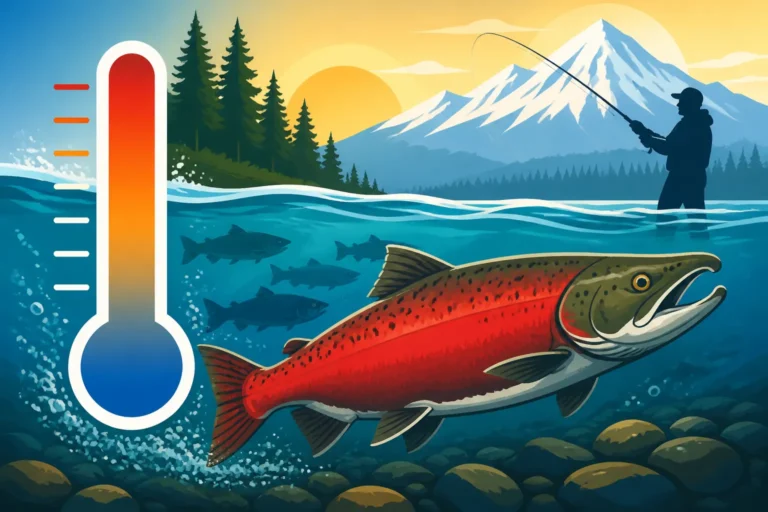
Within these lakes, kokanee will generally suspend in the water column, often avoiding the very top and bottom. During the warmer months, they tend to congregate around the thermocline, which is the layer where water temperature changes rapidly with depth. This layer is often rich in the zooplankton they feed on, and the cooler water offers them refuge from warmer surface temperatures. Finding this specific depth is often the biggest challenge, but with the right electronics, it becomes a much more manageable task. They'll also be drawn to underwater structures like humps, points, and old river channels that create current breaks or concentrate food.
When to Target Kokanee
The "when" for kokanee jigging is almost as important as the "how." While you can find kokanee year-round in some Washington lakes, certain seasons and times of day offer significantly better success rates, especially for jigging. Generally, the late spring, summer, and early fall are prime times. As the water warms in spring, kokanee become more active and start feeding more aggressively. Summer sees them move deeper, often schooling tightly around the thermocline during the brightest parts of the day.
Early morning and late evening are often the most productive times, as the lower light conditions make kokanee feel safer to feed more actively. However, because they are often found suspended in deep water, midday jigging can still be highly effective, especially if you have good electronics to locate the schools. As fall progresses, kokanee begin their pre-spawn ritual, becoming even more aggressive as they prepare for their final journey to reproduce. This can be an incredible time to target them, though their meat quality might start to decline as they expend their energy reserves. For a broader overview of when different species are active, check out our guide on Washington Fishing Seasons: A Month-by-Month Guide.
Why Jigging is Your Go-To Technique for Kokanee
While kokanee fishing often brings to mind images of trolling with downriggers and an array of flashers and Wedding Rings, jigging offers a completely different, often more interactive, and highly effective approach. It's a technique that allows for precision and direct engagement with the fish, making it a favorite for many seasoned kokanee anglers.
The Advantages of Jigging
Jigging for kokanee is all about active presentation and surgical precision. Instead of slowly pulling lures through the water, you're dropping a lure directly into a school of fish and imparting action with your rod. This allows you to rapidly adjust your depth, presentation speed, and even the type of jig based on what the fish are reacting to in real-time. If your fish finder shows a school at 45 feet, you can get your jig there immediately and start working it. This contrasts sharply with trolling, where adjusting depth can take time and requires more equipment.
Furthermore, jigging creates a very specific, erratic action that can trigger a predatory or aggressive response from kokanee, even when they aren't actively feeding. The sudden darting, fluttering, and falling motion of a jig can mimic a distressed baitfish or insect, often provoking a strike out of instinct rather than hunger. This makes jigging incredibly versatile for those finicky days when the fish seem to ignore everything else. It also allows for a much more intimate fishing experience, where you feel every subtle tap and bite directly through your line and rod, adding to the thrill of the catch.
When Trolling Falls Short
While trolling is undeniably effective for covering large areas and finding schools of kokanee, it has its limitations, particularly when the fish are concentrated or acting lethargic. One of the biggest drawbacks of trolling is its lack of immediate adjustability. If the fish suddenly move shallower or deeper, or if they're only responding to a very specific lure action, it takes time to retrieve lines, change depths on downriggers, or swap out lures. This lost time can mean missed opportunities, especially when kokanee bites are short-lived.
Another scenario where trolling can fall short is in congested fishing areas. On popular lakes during peak season, multiple boats trolling in the same vicinity can lead to tangled lines and frustrated anglers. Jigging, on the other hand, allows you to anchor or drift precisely over a concentrated school, minimizing interference with other boats and maximizing your time fishing effectively. When kokanee are tightly schooled and hugging a specific piece of structure or a narrow thermocline band, dropping a jig right into their midst can be far more productive than trying to troll through them, which might even spook the school.
Essential Gear for Successful Kokanee Jigging
Getting properly outfitted for kokanee jigging doesn't require a massive investment, but having the right tools for the job can make all the difference between a limit and a lonely cooler. From your rod and reel to the jigs themselves, each piece plays a critical role in sensing those often subtle kokanee bites and bringing them to the net.
Rods and Reels for the Job
For kokanee jigging, sensitivity is paramount. You want a rod that can transmit even the lightest tap or "tic" as a kokanee investigates your lure. A light to medium-light action spinning rod, typically 6 to 7 feet in length, is ideal. Look for a rod with a fast or extra-fast tip, which means the top third or quarter of the rod bends easily, allowing you to feel those subtle bites, while the backbone provides enough power to set the hook and fight a feisty fish. Graphite rods are generally preferred over fiberglass for their superior sensitivity and lighter weight, reducing angler fatigue over a long day of jigging.
Pair your sensitive rod with a high-quality spinning reel in the 1000 to 2500 size range. These reels are light, have smooth drags, and provide excellent line management for the lighter lines typically used for kokanee. A smooth drag is critical because kokanee, despite their size, can make powerful runs, especially when hooked on light tackle. Many reputable brands offer excellent options, and you can often find great deals on a suitable rod and reel combo on platforms like Amazon. Just ensure your reel has a good retrieve ratio, typically around 5.0:1 to 6.2:1, which gives you versatility in how quickly you can work your jig.
Lines and Leaders: The Unseen Connection
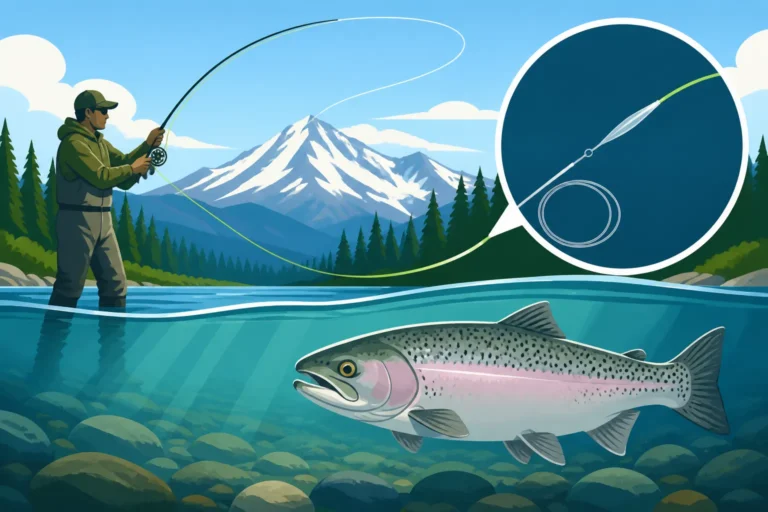
Your line and leader setup is arguably the most crucial link between you and the kokanee. Most experienced jigging anglers opt for a main line of braided superline, usually 6 to 10 lb test. Braid has virtually no stretch, which significantly enhances sensitivity, allowing you to feel even the most delicate bites at deep depths. Its thin diameter also helps with less water resistance, allowing your jig to drop quickly and precisely. However, because braid is highly visible to fish, it's essential to connect it to a fluorocarbon leader.
A fluorocarbon leader, typically 4 to 6 lb test, provides invisibility in the water due to its refractive properties, mimicking water more closely than monofilament. It also has good abrasion resistance. The length of your leader can vary, but a 6 to 10-foot section is a good starting point, allowing for enough stealth without hindering casting or jigging action. Connect your braided main line to your fluorocarbon leader using a strong, reliable knot like an FG knot or a double uni-knot. Practice these knots at home; a faulty knot is the fastest way to lose a trophy kokanee.
The Star of the Show: Kokanee Jigs
This is where the fun begins! Kokanee jigs are small, often colorful, and designed to flutter and dart with minimal effort. They usually range from 1/8 ounce to 1/2 ounce, with 1/4 ounce being a very common and versatile size. The weight you choose will depend on the depth you're fishing and any current. Lighter jigs have a slower, more enticing fall, while heavier jigs get down to depth faster and stay there in current.
Popular types include Cripplure Jigs, Arrowhead Jigs, Kokanee Kandy Jigs, and various vertical jigging spoons. Colors are critical, and kokanee can be incredibly picky. Pinks, oranges, chartreuses, and silvers are classic kokanee colors, often with glitter or glow-in-the-dark accents. It’s always a good idea to have a variety of colors and sizes on hand. Many anglers swear by jigs with UV coatings, believing kokanee can see these colors better in deeper, darker water. Brands like Mack's Lures, P-Line, and Shasta Tackle offer a fantastic array of kokanee-specific jigs. You'll find a wide selection of these specialized jigs and more on Amazon, making it easy to stock up before your next trip.
Electronics and Accessories
Modern electronics have revolutionized kokanee fishing, turning guesswork into informed strategy. A good quality fish finder with down-imaging or side-imaging capabilities is nearly indispensable for jigging. It allows you to precisely locate schools of kokanee, determine their depth, and even observe your jig in relation to the fish. Brands like Humminbird, Lowrance, and Garmin offer excellent options for various budgets. Understanding how to use your fish finder to locate these suspended schools is a critical skill for jigging success, and our guide on Can a Fish Finder Help You Locate Kokanee? dives deeper into this topic.
Beyond the fish finder, other accessories can significantly boost your success. A good bait scent, like those from Pro-Cure or Mike's Gel, applied directly to your jig, can mask human odors and attract kokanee. Small jars of dyed and flavored corn, sometimes soaked in specific Pautzke's Fire Bait scents, are also highly effective when tipped on the jig's hook. A quality net with a fine mesh is essential for landing kokanee without damaging their delicate scales. And don't forget your basic tackle box essentials: extra hooks, split rings, and a pair of fishing pliers. All these critical accessories, from fish finders to a variety of scents and baits, are readily available on Amazon.
| Jig Type | Common Sizes | Best for Depths | Key Action/Feature | Common Colors |
|---|---|---|---|---|
| Cripplure Jig | 1/8 oz, 1/4 oz, 3/8 oz | Mid to Deep (20-80 ft) | Erratic flutter on drop, strong vibrations | Pink, Orange, Chartreuse, Silver |
| Arrowhead Jig | 1/8 oz, 1/4 oz, 3/8 oz | Mid to Deep (20-100 ft) | Straight drop, subtle darting, can be tipped | Green, Blue, Purple, White |
| Kokanee Kandy | 1/8 oz, 1/4 oz | Shallow to Mid (10-50 ft) | Slow fall, wide wobble, often glow-in-dark | Pink, Red, Glow, UV Green |
| Vertical Spoon | 1/4 oz, 1/2 oz | Deep (50-100+ ft) | Flashy, aggressive flutter on fall, heavy | Chrome, Brass, Holographic |
Mastering the Art of Kokanee Jigging Techniques
Jigging for kokanee isn't just about dropping a lure; it's about imparting the right action, understanding the fish's mood, and constantly adapting. It's a dynamic and engaging method that rewards patience, observation, and a keen sense of touch.
Vertical Jigging: The Classic Approach
Vertical jigging is the cornerstone of kokanee jigging. Once you've located a school of fish on your electronics, position your boat directly over them. This often means using your trolling motor with a Spot-Lock feature (if you have one) or anchoring precisely. Drop your jig straight down to the depth where you see the fish. Once at depth, the technique involves a series of rhythmic lifts and falls. A typical motion might be a sharp lift of 1 to 3 feet, followed by a controlled fall on a semi-slack line. The fall is crucial, as this is often when the kokanee strike, attacking the jig as it flutters and tumbles downwards.
The key is to vary the retrieve. Sometimes kokanee want aggressive, fast jigs; other times, a subtle, slow lift with a long pause on the fall is what triggers them. Experiment with the height of your lifts, the speed of your lifts, and the duration of your pauses. Pay close attention to your rod tip on the fall – any hesitation, twitch, or sudden weight could indicate a bite. Often, a kokanee bite feels less like a solid strike and more like a subtle "tick," a spongy feeling, or even just your line going slack as the fish swims upwards with the lure. Being attentive to these subtle cues is what separates successful jigging anglers from those who miss bites.
Understanding the "Pendulum" or "Swing" Jig
While vertical jigging is static, the "pendulum" or "swing" jigging technique incorporates boat movement, often a slow drift or creep with a trolling motor. This method allows your jig to cover a slightly wider area and present a different action. As your boat moves slowly forward, you drop your jig, allowing it to "swing" out behind the boat on a controlled amount of line. This creates a more horizontal presentation, almost like a miniature trolling action, but with the ability to pause and jig vertically at any point.
The pendulum jig is particularly effective when kokanee are scattered or when you're trying to locate a school within a broader depth band. You can control the swing by feeding out line or by reeling in, creating a parabolic arc. When you spot fish on your electronics, you can stop the boat, let the jig swing directly over them, and then switch to a more vertical jigging motion. This hybrid technique combines the best of both worlds: covering water like trolling but with the precise, active presentation of jigging. It demands good boat control and constant monitoring of your fish finder to understand where your jig is in relation to the fish.
The Importance of Scent and Bait
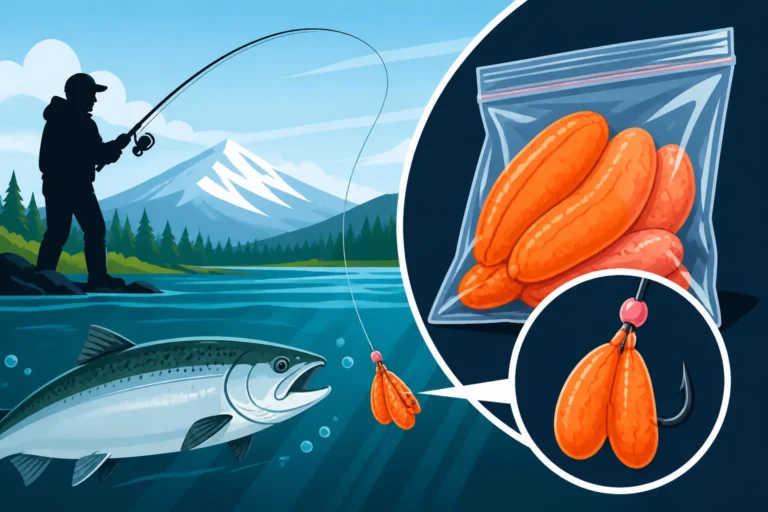
Kokanee have a highly developed sense of smell, and incorporating scent and bait into your jigging strategy can significantly increase your strike rates, especially on tough days. Tipping your jig's hook with a small piece of bait is standard practice. The most popular bait for kokanee is typically Shoepeg corn, which is firmer than regular corn and stays on the hook better. Anglers often soak this corn in various attractants, such as garlic, anise, or krill-based scents. These scented corn kernels release a subtle scent trail that can draw kokanee in and encourage them to hold onto the lure longer, giving you more time to set the hook.
Another highly effective option is to use commercially available soft plastic baits, like Berkley Gulp! maggots or corn. These are pre-scented and designed for durability. Applying a liberal amount of gel-based scent directly to your jig body or the bait itself is also highly recommended. Brands like Pro-Cure offer a wide range of kokanee-specific scents that can be absolute game-changers. Reapply your scent regularly, especially after catching a fish or if your jig has been in the water for a while, as the scent will eventually dissipate. Don't underestimate the power of smell; it can turn a slow day into a memorable one. You can find a huge variety of these scents and baits, including specialty corn, on Amazon.
Reading Your Electronics
Your fish finder is your eyes below the surface, and learning to interpret what it tells you is critical for jigging success. Kokanee typically appear as distinct arches or sometimes as dense clouds, depending on how tightly schooled they are and the resolution of your transducer. They are almost always suspended, so look for these marks away from the bottom. Pay attention to the depth at which the fish are holding and try to present your jig just above or directly in the middle of the school. Sometimes, fish will react better if the jig is dropped through the school, while other times, a presentation just above them, mimicking bait falling from above, is more effective.
Beyond simply locating fish, your electronics can also show you the thermocline, which is often where kokanee will hold during warmer months. Look for a distinct band or a sudden change in water temperature readings if your unit has a temperature graph. Observing your jig on the screen can also provide invaluable feedback. You can often see your lure dropping, and sometimes, you'll even see fish rise up to meet it or dart away. This visual feedback allows you to adjust your jigging cadence, depth, and presentation in real-time, helping you dial in exactly what the kokanee want.
Finding and Targeting Kokanee in Washington Lakes
Successfully jigging for kokanee isn't just about the technique; it's also about knowing where to put your boat. Understanding the behavior of these fish throughout the seasons and pinpointing their preferred habitats within different Washington lakes will dramatically increase your chances of success.
Key Structures and Depths to Explore
Kokanee, while often found in open water, are still influenced by underwater topography. They are pelagic, meaning they live in the open water column, but they'll often relate to certain features. Look for abrupt depth changes, like submerged creek channels, steep drop-offs, or underwater humps and islands. These structures can create current breaks or concentrate zooplankton, making them prime feeding grounds. Your fish finder is essential here to map out these features before you even drop a line.
The most critical factor, however, is often depth. During the colder months (late fall, winter, early spring), kokanee might be found shallower, sometimes in the top 20-30 feet. As the water warms in late spring and summer, they push deeper to find cooler, more comfortable temperatures, typically suspending in the 40 to 80-foot range, often right at or just below the thermocline. In very deep lakes, they might even go over 100 feet. Always start by scanning different depths with your fish finder until you locate schools, and be prepared to move if the fish aren't in your initial target zone. The more time you spend on the water with your electronics, the better you'll become at recognizing these patterns.
Seasonal Kokanee Movements
Kokanee behavior changes significantly with the seasons, largely driven by water temperature and their biological urge to spawn.
- Spring: As ice melts and water temperatures rise, kokanee become more active and start moving into shallower areas to feed. You might find them in the 20-40 foot range, often near points or submerged structures. This is a great time for aggressive jigging as they are often eager to feed after the slower winter months.
- Summer: This is when kokanee move deep. The warm surface waters push them into the cooler, oxygen-rich depths, often concentrating around the thermocline. This is a classic time for deep jigging, focusing on precision depth control with your electronics. Early mornings and late evenings can be productive when they might rise slightly in the water column.
- Fall: As water temperatures begin to cool, kokanee become increasingly active and aggressive. They start their pre-spawn staging, often fattening up for the demanding spawning journey. You might find them in a wider range of depths, and they can be incredibly feisty. This period, from late September through October, can offer some of the most exciting jigging action.
- Spawning: As spawning approaches (typically late fall into early winter, depending on the lake), kokanee will move into tributaries or shallow areas of the lake to reproduce. During this time, their flesh quality deteriorates, and many anglers shift their focus to other species. However, the pre-spawn staging can be fantastic. Understanding these patterns is key to finding them at different times of the year.
Popular Washington Kokanee Lakes for Jigging
Washington State boasts an impressive array of kokanee fisheries, each with its own character and opportunities. Knowing where to go is half the battle, and some lakes stand out for their consistent kokanee populations.
- Lake Chelan: This massive, deep lake in Central Washington is legendary for its kokanee. Anglers routinely find large schools here, especially in the central and upper lake basins. Depths can vary dramatically, but focusing on the main basin from 40-80 feet is a good starting point during summer. Our specific guide on Lake Chelan, Washington for Mackinaw and Kokanee provides more detailed insights for this incredible fishery.
- Lake Roosevelt: Formed by the Grand Coulee Dam on the Columbia River, Lake Roosevelt offers excellent kokanee fishing, particularly in its upper reaches. The fish here can grow to impressive sizes, making for thrilling battles. Like Chelan, deep-water jigging is the norm, often in areas with significant structure. For those interested in this sprawling reservoir, our article on Lake Roosevelt in Washington for Kokanee and Walleye is a must-read.
- Lake Merwin (Southwest Washington): Located near Vancouver, this lake is a fantastic option for Southwest Washington anglers. Merwin has a strong reputation for producing good numbers of kokanee. The depths here can be similar to Chelan, with fish often holding around 40-70 feet. It's a popular spot, so be prepared for company on the water.
- Riffe Lake (Eastern Washington): A smaller, more intimate lake, Riffe is known for its strong kokanee plants and can offer excellent action, especially earlier in the season. It’s a great option for anglers looking for a less intimidating body of water.
- Whatcom Lake (Northwest Washington): While known for other species, Lake Whatcom also hosts a respectable kokanee population. It’s a large lake that requires exploring, but persistent jigging anglers can find success here.
Always check the latest Washington Department of Fish and Wildlife (WDFW) regulations for specific lake rules and special size or bag limits before heading out. Conditions can change rapidly, and knowing the current rules is part of being a responsible angler. Our Washington Fishing Regulations Every Angler Should Know guide is a great place to start.
Troubleshooting Common Kokanee Jigging Challenges
Even with the right gear and techniques, kokanee can be notoriously fickle. There will be days when they seem completely uninterested, even when you're marking them on your fish finder. Learning to troubleshoot and adapt is a hallmark of a successful kokanee jigging angler.
When Fish Are Finicky: Adjusting Your Approach
It's a familiar scenario: your fish finder shows a dense school of kokanee, but they won't bite. This is when you need to become a detective. The first thing to consider is jig color. If pink isn't working, switch to chartreuse, orange, silver, or even a blue or purple. Sometimes, a subtle change in hue is all it takes. Next, size matters. If the fish are ignoring your 1/4 ounce jig, try dropping down to a tiny 1/8 ounce or even a 1/16 ounce, or conversely, go heavier if they seem to prefer a faster fall.
Jigging cadence and speed are also critical. Are you jigging too aggressively? Try a slower, more methodical lift and long pause. Or are you too subtle? Sometimes a fast, erratic, almost violent jigging motion will trigger a reaction strike. Scent is another huge factor. Reapply fresh scent frequently, or switch to a different flavor. Garlic might be the ticket one day, while krill is irresistible the next. Pay attention to how the fish react on your electronics: are they moving away from your jig, or are they rising to it and then turning away? Their behavior on screen can give you clues about what adjustments to make. Don't be afraid to experiment wildly until you find what they want.
Dealing with Wind and Current
Wind and current are two of the biggest foes of precise jigging, often making it difficult to keep your lure in the strike zone. If you're fishing a large lake like Lake Roosevelt or Lake Chelan, even a light breeze can create a significant drift. For mild drifts, a drift sock (also known as a sea anchor) deployed from the bow or stern can slow your boat down considerably, allowing for better jig control. Using a trolling motor with a spot-lock feature is a game-changer, as it electronically holds your boat in position, negating the effects of wind and current. This technology allows for truly vertical jigging, even in challenging conditions.
If you don't have a spot-lock, traditional anchoring can work if you're targeting a very specific piece of structure. However, it can be cumbersome if you need to move frequently. In strong wind, you might need to use a heavier jig to cut through the water and maintain contact with your lure. Sometimes, the best solution is simply to find a more protected area of the lake or postpone your trip if conditions are too extreme. Patience and good boat control are essential when battling the elements.
Avoiding Tackle Failures
Nothing sours a fishing trip faster than losing a trophy fish due to tackle failure. With kokanee, who often hit hard and fight aggressively, preventative measures are key.
Knots: Always tie strong, reliable knots. The improved clinch knot or palomar knot for tying jigs, and the FG or double uni-knot for connecting braid to fluorocarbon leaders, are excellent choices. Learn them, practice them, and check them regularly. A knot that looks frayed or discolored should be re-tied immediately.
Line: Regularly inspect your line for nicks, abrasions, or twists, especially the last few feet of your fluorocarbon leader. Even a tiny imperfection can lead to a break. Re-spool your reel with fresh line periodically, especially if you fish frequently. Braided lines can last longer but also benefit from being "top-shotted" or reversed.
Hooks: Kokanee jigs often come with very sharp hooks, but repeated use, bumping against structure, or even landing fish can dull them. Carry a small hook sharpener and give your hooks a quick touch-up if they feel anything less than razor-sharp. A dull hook will result in missed bites or fish pulling off. Also, check for bent or damaged hooks. Sometimes, replacing the treble hook on a jig with a single, larger, stronger hook can improve hook-up ratios and reduce fish mortality if you're practicing catch and release. Many of these essential tools, like hook sharpeners and various fishing pliers, are available for purchase on Amazon.
Safety and Regulations for Washington Kokanee Anglers
While jigging for kokanee is a fantastic pastime, it's crucial to prioritize safety on the water and adhere to all Washington State fishing regulations. These rules are in place to ensure sustainable fisheries and protect both anglers and aquatic environments.
Understanding Bag and Possession Limits
The Washington Department of Fish and Wildlife (WDFW) sets specific bag and possession limits for kokanee, which can vary by lake and season. A typical daily limit might be 10 or 15 kokanee, but always double-check the current regulations pamphlet or the WDFW website for the specific body of water you're fishing. Possession limits refer to the total number of fish you can have in your possession, including those at home, and are typically twice the daily limit. Exceeding these limits can result in significant fines and penalties. Our guide on How Bag and Possession Limits Work in Washington provides a comprehensive overview of these regulations.
These limits are designed to manage the kokanee populations, ensuring there are enough fish for future generations and to maintain a healthy ecosystem. It's an angler's responsibility to know and follow these rules. If you're fishing with children, make sure they also understand the limits and how to count their catch. Responsible angling is about enjoying the resource while actively contributing to its preservation.
Essential Safety Gear for Boat Fishing
Most kokanee jigging happens from a boat, often on large, deep lakes where weather can change quickly. Therefore, having essential safety gear onboard isn't just a good idea, it's legally required and could save lives.
Life Jackets: Ensure everyone on board has a U.S. Coast Guard-approved life jacket that fits them properly. Children 12 and under are required to wear them at all times when underway in vessels under 19 feet.
Communication: A reliable means of communication is crucial. This could be a marine VHF radio, a fully charged cell phone (though service can be spotty on some lakes), or a satellite messenger device.
Visual Distress Signals: Flares or a flag for day use.
Sound-Producing Device: A whistle or horn for signaling.
First Aid Kit: A well-stocked kit for minor injuries.
Fire Extinguisher: Required for most motorized vessels.
Paddles/Oars: Even on a motorized boat, these can be lifesavers if your engine fails.
Navigation Lights: If you plan to be out before sunrise or after sunset.
Always check the weather forecast before you leave the dock, and if conditions worsen, don't hesitate to head back in. Being prepared for the unexpected is key to a safe and enjoyable day on the water. Many of these safety items, from life vests to marine first-aid kits, can be conveniently purchased from Amazon.
The Washington Catch Record Card and What It Requires
For certain species, including all salmon (which kokanee genetically are, despite being landlocked), steelhead, halibut, and sturgeon, Washington State requires anglers to possess and accurately fill out a Catch Record Card (CRC). While kokanee are not typically listed explicitly on the general salmon portion of the CRC, it's crucial to understand the rules. Always consult the latest WDFW regulations to determine if kokanee in your target lake require a CRC entry. For species that do require it, you must record your catch immediately after retaining the fish, before doing anything else.
The CRC gathers vital data for fisheries management, helping WDFW monitor harvest rates and make informed decisions about seasons and limits. Failure to properly fill out or return a CRC can result in fines. Our detailed guide, The Washington Catch Record Card and What It Requires, explains everything you need to know about this essential document. Make it a habit to carry your current CRC (if required for the species you're targeting) and a pen with you whenever you go fishing.
Do You Need a License for Catch-and-Release Only?
A common misconception among anglers, especially those new to the sport, is whether a fishing license is required if they intend to practice catch-and-release only. The answer is a resounding yes. In Washington State, and almost universally across all states, a valid fishing license is required for anyone 15 years or older to fish in public waters, regardless of whether you intend to keep any fish or not. The act of fishing itself, which includes casting a line with a hook, necessitates a license.
There are different types of licenses available: annual, short-term (like a 1-day or 3-day license), and combination licenses that cover both freshwater and saltwater. You also need to determine if you qualify for a resident or nonresident license, as the costs differ. Even if you're just dipping your toe into the world of kokanee jigging and aren't sure if you'll keep any, you still need that license. It's not just about the harvest; it's about supporting fisheries management and conservation efforts. Our article on Washington's Annual, Short-Term and Combination License Options can help you choose the best license for your needs. Always carry your license with you when fishing, either physically or electronically via the MyWDFW app, as wildlife enforcement officers frequently check for compliance.
Disclaimer
Please note that fishing regulations in Washington State can change frequently, often with short notice due to in-season adjustments by the Washington Department of Fish and Wildlife (WDFW). While this guide provides comprehensive information, it is your responsibility to verify the most current rules and regulations before heading out on any fishing trip. Always consult the official WDFW website or the latest sport fishing pamphlet for up-to-date information on seasons, limits, and emergency rule changes for the specific waters you plan to fish. Stay safe and fish responsibly!