How to Catch Shrimp in Hood Canal
There's nothing quite like the thrill of pulling up a shrimp pot in Hood Canal, anticipating a bounty of those delicious, plump spot shrimp. But let's be honest, it can also be incredibly frustrating. Between deciphering the ever-changing seasons, finding the right gear, and knowing where to even drop your pots in that vast stretch of water, many anglers feel lost before they even begin. If you've ever dreamt of filling your cooler with Hood Canal's finest, but felt intimidated by the process, this guide is for you. We'll walk you through everything you need to know to successfully catch shrimp in Hood Canal, from understanding the fishery to setting your pots like a pro, ensuring you have a rewarding and legal experience.
Understanding Hood Canal's Unique Shrimp Fishery
Hood Canal isn't just any body of water; it's a deep, fjord-like arm of Puget Sound, making its shrimping opportunities and regulations quite unique. Unlike some other areas, Hood Canal is primarily known for its incredible spot shrimp, which are highly prized for their size and delicate flavor. But with such a coveted resource comes careful management.
The Specifics of Spot Shrimp in Hood Canal
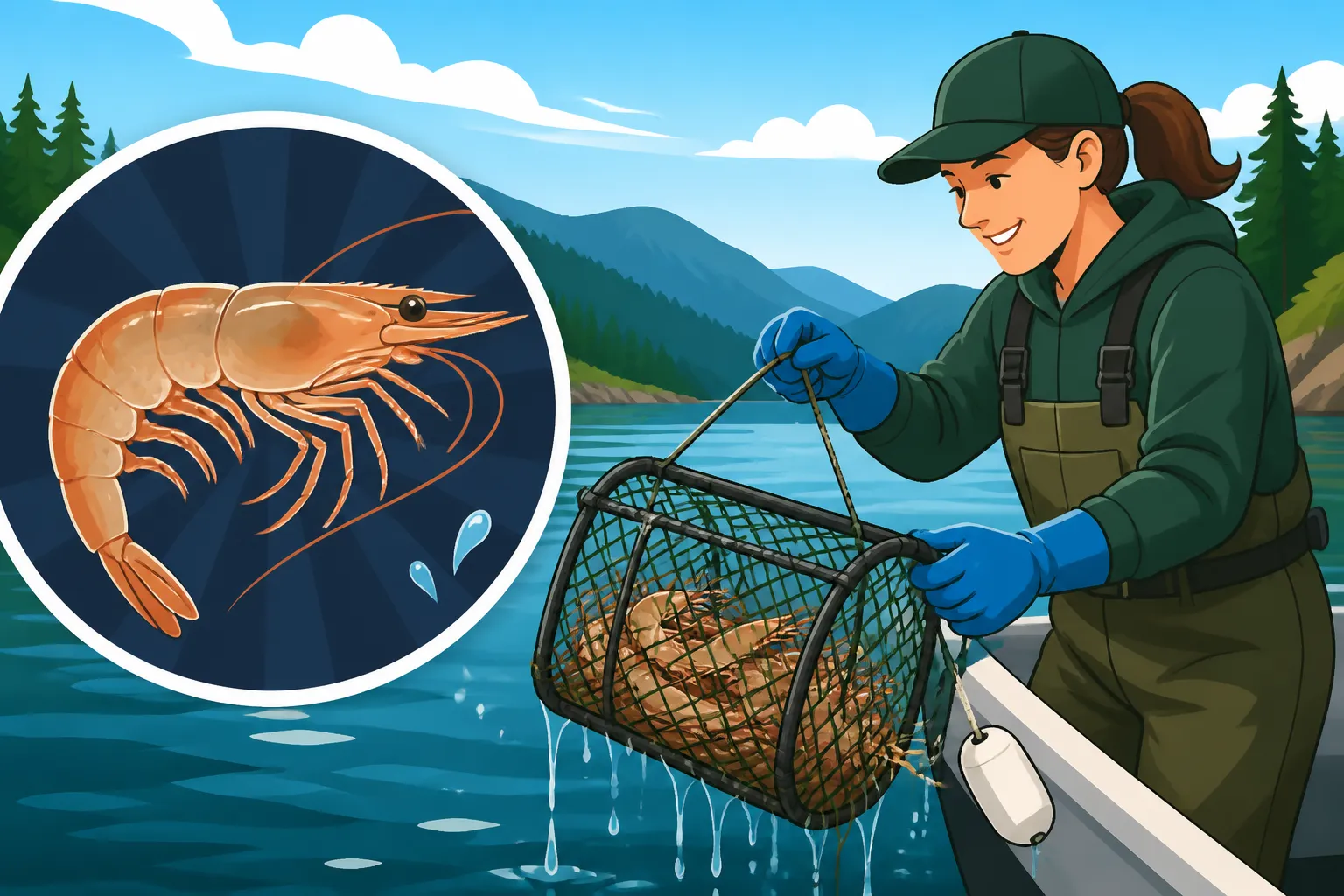
Washington's spot shrimp, Pandalus platyceros, are truly a delicacy, often referred to as "prawns" due to their impressive size. These aren't your typical tiny cocktail shrimp; we're talking about shrimp that can grow several inches long, with vibrant colors and a sweet, succulent meat that's unmatched. In Hood Canal, the deep, cold, oxygen-rich waters provide an ideal habitat for these beauties, allowing them to thrive.
What makes them special, besides their taste, is their life cycle and behavior. Spot shrimp are protandric hermaphrodites, meaning they start their lives as males and later transition into females. This complex biology plays a huge role in how the fishery is managed to ensure sustainable populations. They prefer deeper, rocky bottoms, often congregating near ledges, drop-offs, and underwater structure where they can find shelter and food. Knowing this preference is half the battle in figuring out where to drop your pots. It’s not just about tossing a pot over the side; it’s about understanding the underwater landscape.
Navigating Seasons and Openings for Hood Canal Spot Shrimp
If there's one thing that strikes fear into the heart of a Hood Canal shrimper, it's the regulations. The seasons for Spot Shrimp in Hood Canal are notoriously short, often only lasting for a handful of days, or even just hours, on specific dates. These openings are carefully managed by the Washington Department of Fish and Wildlife (WDFW) to protect the shrimp population, especially the larger, egg-bearing females.
You absolutely must check the current year's regulations before even thinking about heading out. Relying on last year's dates or hearsay is a recipe for disaster and potential fines. WDFW typically announces the upcoming seasons well in advance, usually in late winter or early spring, after stock assessments. These announcements can change due to various factors, including unforeseen shifts in shrimp abundance or environmental conditions, so staying informed about Emergency Rule Changes: Why Washington's Rules Shift Mid-Season is critical. The best place to find this information is directly on the WDFW website, or by signing up for their email alerts. Don't underestimate this step—it's the foundation of a legal and successful shrimping trip.
Essential Gear for Hood Canal Shrimping
Getting geared up correctly is paramount for shrimping in Hood Canal. You can't just throw out a crab pot and expect results; spot shrimp require specialized equipment.
Shrimp Pots and Line
First and foremost, you need proper shrimp pots. These are typically conical or rectangular traps, usually made of stainless steel or plastic-coated wire mesh, with small, funnel-shaped openings that allow shrimp to enter but make it difficult for them to escape. Unlike crab pots, the mesh is finer to prevent smaller shrimp from escaping, and the entrance tunnels are designed specifically for shrimp. Most shrimpers will run multiple pots—often three to six, depending on boat space and regulations—to increase their chances. When looking for pots, you'll find a wide variety of options on retailers like Amazon, offering different designs and durability.
Each pot needs a considerable amount of line, as Hood Canal is incredibly deep. We're talking 200 to 600 feet, or even more, in many prime shrimping areas. It's always better to have too much line than too little. You’ll need heavy-duty leaded line to ensure your pot sinks quickly and stays put on the bottom, resisting currents.
Buoys, Weights, and Bait Holders
You'll need a buoy system that clearly identifies your pots and allows for easy retrieval. Regulations require specific markings on your buoys, usually including your name and address or WDFW customer ID number. Brightly colored buoys are crucial for visibility, especially in busy marine areas. Many shrimpers opt for large, sturdy buoys that can withstand currents and boat traffic.
To ensure your pots stay firmly on the bottom in strong currents or deeper waters, you'll also need lead weights or heavy rebar attached to the pot or the line near the pot. And of course, you can't forget bait holders. These are typically small mesh bags or plastic containers with holes that you fill with bait and secure inside your pot. Again, you can find a solid selection of these accessories on platforms like Amazon, making it convenient to get everything you need in one go.
Step-by-Step Guide to Setting and Pulling Shrimp Pots
Once you have your gear and you've confirmed the season is open, it's time to hit the water! But shrimping is more than just dropping a pot; there's an art and science to successful deployment and retrieval.
Finding the Right Depth and Structure
This is perhaps the most critical aspect of shrimping for spot shrimp in Hood Canal: finding where they live. Spot shrimp love deep, rocky bottom structures. Think about underwater canyons, ledges, drop-offs, and steep walls. They are not typically found on sandy or muddy flats.
Many successful shrimpers use marine electronics, like a good fish finder or depth sounder, to map the bottom contours and identify these prime spots. Look for sudden changes in depth, areas with hard returns on your sonar (indicating rocks), or historical "hot spots" that guides or experienced locals frequent. Areas where currents might bring food are also excellent choices. Common depths for spot shrimp range from 150 to 400 feet, but they can be found shallower or deeper depending on the specific location and time of year. Don't be afraid to try different depths within a promising area. The WDFW pamphlets often provide general marine area maps, but detailed navigation charts or a good GPS unit loaded with bathymetric data will be your best friend.
Baiting Your Pots for Success
No bait, no shrimp! Spot shrimp are scavengers and are attracted to strong scents. The most common and effective baits are oily fish like salmon heads and carcasses (if legal and available), cat food (pellet form, not wet food!), or specialized commercial shrimp bait. Many shrimpers swear by a mix of these. For instance, a small can of oily cat food mixed with fish pellets, placed inside a mesh bait bag, can create a powerful scent plume. You can buy pre-made shrimp bait mixes, or you can get creative and make your own concoctions.
The key is to use a bait holder that allows the scent to disperse effectively without the bait washing out too quickly. Mesh bags, often found in bulk on Amazon, work great for this. Make sure your bait holder is securely fastened inside the pot so it doesn't float away or become dislodged during deployment or retrieval. Experiment with different baits if you're not having success—shrimp can be finicky eaters sometimes! A diverse bait strategy, perhaps using different baits in different pots, can help you figure out what the shrimp are biting on that day. For more ideas, check out resources on Best Bait for Spot Shrimp.
The Art of Deployment and Soaking Times
Deploying your pots correctly involves a bit of finesse. When you've found your desired spot, it's best to deploy your pots against the current. This allows the scent from your bait to drift naturally downstream into the shrimp's path. As you motor slowly, gently toss your buoy and line overboard, making sure the line spools out smoothly without tangling. Once most of the line is out, carefully drop your pot, ensuring it lands upright on the bottom. Mark your GPS coordinates for each pot so you can easily return.
Soaking time is another important factor. For spot shrimp, shorter, more frequent soaks are often more productive than leaving pots out for extended periods. Many shrimpers will soak their pots for 1-3 hours, then pull them, re-bait, and redeploy. This strategy is especially effective during shorter openings, as it allows you to capitalize on the active feeding windows. If you leave pots out too long, you risk your bait being completely consumed, or having unwanted critters (like crabs or bottomfish) enter the pot and deter shrimp. Remember to always bring your pots in before the closure time ends for the day, as published in the WDFW regulations.
Maximizing Your Catch and Staying Legal
Catching shrimp is exciting, but knowing how to handle your harvest efficiently and legally is just as important.
Measuring and Sorting Your Catch
Once you pull your pots, the real work—and fun—begins. You'll likely have a mix of shrimp sizes and possibly some bycatch. The most crucial rule is to immediately measure any shrimp you intend to keep. While spot shrimp typically don't have a minimum size limit in Washington, there are often specific rules about keeping soft-shelled or egg-bearing females. Always refer to the current WDFW regulations for the exact rules, as these can change.
The best practice is to have a measuring device handy, even if there's no strict size limit, to help you gauge the average size of your catch. When sorting, quickly pick out the legal-sized, healthy shrimp you want to keep. Immediately return any undersized shrimp, soft-shelled shrimp, or prohibited species gently to the water. Some anglers mistakenly keep everything, but knowing How Bag and Possession Limits Work in Washington is key to responsible harvesting. The daily limit for spot shrimp is typically very generous, but you still need to be aware of it and stick to it. This ensures future generations of shrimp can thrive.
Handling and Storing Your Fresh Shrimp
Proper handling of your catch from the moment it leaves the water ensures the best possible eating quality. Shrimp, especially spot shrimp, are delicate and spoil quickly in warm temperatures.
- Immediate Icing: As soon as you sort your shrimp, get them on ice. A cooler filled with ice is indispensable. Some shrimpers even bring a bucket of seawater and ice to plunge the shrimp into immediately, cooling them down rapidly.
- Cleaning (Optional, but Recommended): While you can cook them whole, many prefer to "head" the shrimp right on the boat. To head a shrimp, simply twist the head off just behind the eyes. This prevents digestive enzymes from breaking down the tail meat and keeps the meat firmer and sweeter. You can also devein them at this stage, though many wait until cooking.
- Storage for Transport: Keep the headed or whole shrimp on plenty of ice until you get home. When you're ready to store them longer-term, place them in airtight bags or containers in the refrigerator (for short-term use) or freezer. For freezing, many people lightly salt them or place them in a saltwater brine before freezing to help preserve texture.
Common Mistakes to Avoid
Even experienced shrimpers can make mistakes, but a few common pitfalls can really impact your success:
- Not checking regulations: This cannot be stressed enough. Washington Fishing Regulations Every Angler Should Know are a dynamic beast. Failure to do so can lead to hefty fines, forfeiture of gear, and even loss of fishing privileges. Always verify the open days, times, and specific rules for Hood Canal.
- Wrong depth or location: Dropping pots in shallow water or on soft bottom won't yield spot shrimp. If you're not getting shrimp, move your pots and try different depths or areas with more structure.
- Insufficient line: Running out of line when dropping a pot in 300 feet of water is a classic blunder. Always have at least 1.5 to 2 times the maximum depth of the area you're fishing.
- Weak bait: Old, scentless bait won't attract much. Use fresh, oily, and pungent baits to maximize appeal.
- Poorly marked gear: Lost pots are a headache and can be a violation if not properly marked. Ensure your buoys are clearly visible and legally labeled. You can also read more about Crabbing With Pots vs Rings in Puget Sound for related gear considerations.
By avoiding these common errors, you'll significantly increase your chances of a bountiful shrimp harvest.
Advanced Tips for the Dedicated Shrimper
For those who want to take their Hood Canal shrimping to the next level, here are a few more refined tactics.
Using Electronics for Spotting Shrimp Grounds
While many successful shrimpers rely on local knowledge and intuition, modern marine electronics can be a game-changer. A good quality fish finder or sonar unit, especially one with side-imaging or down-imaging capabilities, can help you "see" the underwater terrain with incredible detail. You can identify those rocky ledges, deep channels, and sudden drop-offs that spot shrimp adore.
When you find a promising area, mark it on your GPS. Over time, you'll build a personal library of productive spots. Some advanced units can even detect large schools of shrimp, though this is less common for spot shrimp which tend to cling to structure rather than schooling in open water. Even without direct shrimp detection, using your electronics to understand the bottom structure is invaluable. Consider units from brands like Garmin or Lowrance, which are popular among serious anglers, and accessories for them are readily available on Amazon.
Experimenting with Bait and Scent Attractants
While salmon heads and cat food are staples, don't be afraid to experiment. Many shrimpers have their "secret sauce." Some will add things like herring oil, anise oil, or various commercial scent attractants to their bait bags. The goal is to create a long-lasting, powerful scent plume that travels with the current and draws shrimp to your pot.
Consider how scent disperses at different depths and currents. Sometimes a slower release is better, other times a quick burst. Try mixing different types of bait—a strong-smelling fish like mackerel combined with a slower-releasing pellet bait, for example. Keep a log of what baits work best in different areas or conditions. You might find that shrimp prefer one type of bait on an incoming tide versus an outgoing tide. These subtle adjustments can make a big difference in your catch rates.
Hood Canal Shrimping: Gear Comparison
Here's a quick look at some key gear comparisons to consider when outfitting yourself for Hood Canal shrimping:
| Gear Type | Common Options | Pros | Cons | Where to Focus |
|---|---|---|---|---|
| Shrimp Pots | Conical (top entry) / Rectangular (side) | Efficient, good for deeper water | Can be bulky, more expensive than rings | Durable stainless steel or plastic-coated models |
| Line | Leaded vs. Unleaded | Leaded sinks fast, resists current | Heavier to pull, can be abrasive | Always opt for leaded line for Hood Canal's depths |
| Bait | Salmon, Cat Food, Commercial Pellets | Proven attractants, strong scent | Can be messy, some require refrigeration | Oily, strong-smelling, and slow-release options |
| Buoys | Foam vs. Inflatable | Foam is durable, easy to mark | Can be large to store | Highly visible, legally marked, withstands currents |
| Bait Holders | Mesh Bags vs. Hard Plastic Containers | Mesh diffuses scent quickly | Bait can wash out faster | Secure, good scent dispersion, durable |
Hood Canal shrimping is a truly rewarding experience, offering some of the best eating shrimp you'll find anywhere. While it requires a bit of preparation and adherence to strict regulations, the payoff is absolutely worth it. By understanding the spot shrimp's habitat, gearing up correctly, and learning the nuances of deployment and retrieval, you'll be well on your way to enjoying a delicious harvest. Just remember to always prioritize safety, respect the resource, and have a fantastic time out on the water!
Disclaimer
This article is for general informational purposes only and does not constitute professional advice. Laws, prices and regulations vary by location and change over time. Consult a qualified professional for guidance on your specific situation.