Spot Shrimp in Hood Canal
The thought of dropping a shrimp pot into the deep, mysterious waters of Hood Canal, then pulling it up later, heavy with those prized, succulent spot shrimp, is a dream for many Washington anglers. But anyone who's tried it knows it's not as simple as tossing a pot overboard. From navigating tricky regulations that seem to change faster than the tides to understanding the specific habits of these elusive crustaceans, getting into Hood Canal spot shrimping can feel like trying to solve a puzzle with moving pieces. This comprehensive guide will peel back the layers, sharing everything you need to know to successfully target spot shrimp in this unique and beautiful Washington waterway.
Understanding Washington's Prized Spot Shrimp
Spot shrimp (Pandalus platyceros) are truly a treasure of the Pacific Northwest, and fishing for them in Washington's Hood Canal is an experience unlike any other. These aren't your average grocery store shrimp; they're a delicacy known for their sweet flavor and firm texture, making them one of the most sought-after shellfish in our waters.
Spot Shrimp: The Crown Jewel of Washington's Shellfish
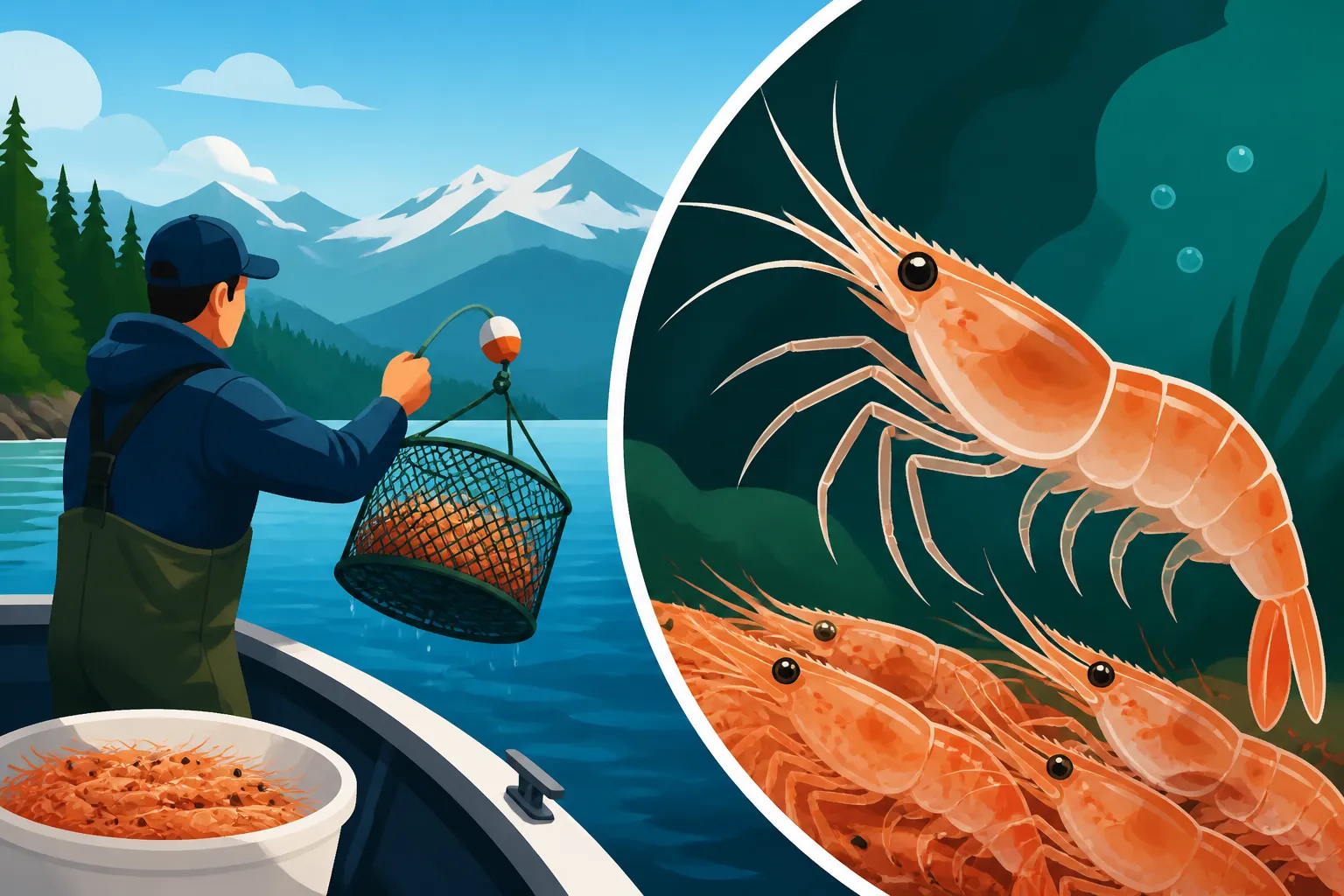
When you talk about Washington shellfish, spot shrimp often come up in hushed, reverent tones. They are visually stunning, typically growing quite large, often reaching 8 to 10 inches in length, and are easily identified by their distinct white spots on the first and fifth abdominal segments, which really stand out against their reddish-orange bodies. Unlike some other shrimp species, spot shrimp have prominent antennae that can be twice as long as their bodies, adding to their elegant appearance.
What makes them such a prize? It's their incredible taste and texture. They have a delicate sweetness that's almost buttery, and their meat is firm yet tender. This combination makes them highly prized by chefs and home cooks alike. Their rarity, due to limited seasons and challenging fishing conditions, only adds to their allure. Biologically, spot shrimp are fascinating. They are protandric hermaphrodites, meaning they start their lives as males and later transition into females. This unique life cycle plays a crucial role in their population dynamics and how we manage their fisheries. They typically live for about four years, growing steadily, and spend their lives in deeper, colder waters, often associated with rocky or muddy bottoms.
Hood Canal: A Perfect Nursery and Habitat
Hood Canal isn't just a scenic fjord; it's a dynamic ecosystem that provides an ideal sanctuary for spot shrimp. This long, narrow arm of Puget Sound is characterized by its deep waters, often plunging hundreds of feet, and its unique sill at the northern end near the entrance to Puget Sound proper. These features combine to create a distinct environment that spot shrimp absolutely thrive in. The deep, cold waters provide the perfect temperature and pressure range that these creatures prefer, allowing them to grow to impressive sizes.
The bottom structure of Hood Canal is another key factor. While some areas are muddy, many sections feature rocky outcrops, submerged debris, and steep drop-offs – all prime real estate for spot shrimp. They love to hide among these structures, especially during daylight hours, making these areas prime targets for shrimpers. The nutrient-rich currents flowing through the canal also contribute to a healthy food web, providing abundant sustenance for shrimp and supporting a robust population. It’s this combination of depth, temperature, structure, and nutrient availability that transforms Hood Canal into one of Washington's most productive and celebrated spot shrimp fishing grounds.
Essential Gear for Spot Shrimping in Hood Canal
Venturing out for spot shrimp in Hood Canal requires more than just a boat and a dream. You need the right tools for the job, meticulously chosen to withstand the deep, sometimes swift currents and to effectively entice these delectable crustaceans into your grasp. Over the years, I've seen folks try to cut corners on gear, and it rarely ends well – either with lost pots, tangled lines, or, worst of all, an empty cooler.
The Heart of the Operation: Shrimp Pots
Your shrimp pot is undoubtedly the most critical piece of equipment you'll invest in. These aren't delicate traps; they need to be robust enough to handle considerable depth, strong currents, and the occasional battle with the seabed. You'll generally encounter two main types: collapsible and rigid. Collapsible pots are fantastic for storage and transport, especially if you have limited space on your boat or in your garage. They often fold down flat, making them easy to stack. However, they need to be sturdy when deployed, and you'll want to ensure their frames are well-constructed to prevent collapsing under pressure or strong currents.
Rigid pots, on the other hand, are always in their open, fishing shape. They can be pyramidal or square, often made from heavy-gauge wire mesh. These tend to sink faster and are less prone to movement once on the bottom, which can be an advantage in areas with strong currents. Regardless of the type, look for pots with ample bait capacity, durable escape rings for smaller shrimp, and robust doors that securely latch. Many experienced shrimpers will add extra weight to their pots, usually in the form of rebar or lead weights, to ensure they sink quickly and stay put in the precise location you've chosen. You can find a wide array of reliable shrimp pots and all the necessary components on platforms like Amazon, allowing you to compare features and read reviews before making a purchase.
Lines, Buoys, and Bait: The Supporting Cast
Once you have your pots, you need to connect them to the surface and fill them with irresistible bait. The rope you choose is crucial. For Hood Canal's depths, you'll need plenty of it – often hundreds of feet per pot – and it needs to be the right kind. Sinking rope is generally preferred as it reduces the chance of entanglement with boat propellers or strong currents dragging your buoys. Aim for a diameter that's easy to handle but strong enough to pull a heavy pot. Always err on the side of having too much rope; it's better to have slack than to come up short when you find a deep honey hole.
Buoys are your visual markers and vital for retrieval. Each pot needs its own buoy, clearly marked with your WDFW license number or equivalent ID. Regulations often specify minimum buoy sizes and colors, so always double-check the current rule pamphlet. For bait, the options are plentiful and often debated among shrimpers. Commercially prepared shrimp pellets are popular and effective, slowly releasing scent. Many also swear by fishy offerings like cat food (the oilier, the better), salmon heads, or even canned tuna. The key is to have a robust bait holder inside your pot that allows the scent to disperse but keeps the bait from washing out too quickly. Again, places like Amazon offer various bait cages and specialized shrimp attractants that can give you an edge.
Safety and Supporting Gear
Beyond the core shrimping equipment, a few other items are non-negotiable for a safe and successful trip. A reliable anchor is paramount for holding your boat steady over your chosen spot while you deploy and retrieve pots. A good GPS or chart plotter with an accurate depth sounder is practically a necessity. Spot shrimp congregate in very specific depth ranges and on particular contours, and without precise electronics, you're essentially fishing blind. Knowing the exact depth and bottom structure will save you countless hours and frustration.
Don't forget the essentials for handling your catch: heavy-duty gloves to protect your hands from rope burn and shrimp spines, a legal measuring device (always check the current regulations for minimum size, though spot shrimp don't typically have a size restriction, it's good practice for other species), and a large cooler filled with ice to keep your catch fresh. Safety should always be your top priority on the water. Ensure you have properly fitting life vests for everyone on board, a first aid kit, a marine radio or reliable cell service, and all other required safety gear for your vessel. The waters of Hood Canal can be calm and inviting, but conditions can change rapidly, and being prepared is key.
Mastering the Art of Spot Shrimping Techniques
Shrimping isn't just about dropping a pot and hoping for the best; it's a blend of science, art, and local knowledge. Successfully filling your cooler with Hood Canal spot shrimp involves strategic planning, precise execution, and a good dose of patience. It’s a rewarding experience, but one that benefits greatly from understanding the nuances of technique.
Finding the Sweet Spots in Hood Canal
Spot shrimp aren't randomly distributed across the bottom of Hood Canal. They prefer specific habitats, typically in deeper water, often between 100 to 400 feet, and are frequently associated with rocky ledges, steep drop-offs, or areas with a mix of mud and gravel. The trick is finding these prime locations. This is where your electronics become your best friend. Start by consulting nautical charts that show depth contours and bottom characteristics. Look for areas where the depth changes abruptly or where different bottom types meet. These transition zones often concentrate shrimp.
Once you're on the water, your depth sounder is invaluable. You're not just looking for a number; you're looking for structure. Keep an eye out for "humps," "bumps," or any anomalies on the bottom that might indicate rocks or submerged features. It's often a game of trial and error, but by paying attention to where you get bites (or shrimp), you'll start to build a mental map of productive areas. Don't be afraid to move your pots if your initial drops aren't yielding results. Local knowledge is gold here; sometimes just observing where other successful shrimpers are setting up, without crowding them, can offer valuable clues.
Deployment and Retrieval Strategies
Setting your pots correctly is vital to success and safety. Before dropping, make sure your rope is neatly coiled and free of tangles – a fouled line can lead to lost gear or dangerous situations. When you reach your desired spot, it's best to deploy your pots upstream or up-current, allowing them to drift back and settle precisely where you want them. Drop the pot first, then feed the line out smoothly, keeping an eye on your depth sounder to confirm it's landing where you intended. Secure your buoy and ensure it's clearly visible. If you're setting multiple pots, try to space them out a bit to cover more ground, but not so far apart that retrieval becomes a headache.
Soak times are another hotly debated topic among shrimpers. Some prefer shorter soaks, perhaps 1-2 hours, while others leave their pots down for several hours or even overnight. Shorter soaks can be effective if you're on a hot bite and want to check your pots more frequently, ensuring your bait is fresh. Longer soaks, especially overnight, can sometimes yield larger quantities as shrimp have more time to find the pot, but they also risk your bait being completely consumed or washed out. Current conditions in Hood Canal will also play a role; strong currents can move pots or wash out bait faster. When retrieving, use a pot puller if you have one – it will save your back! Pull slowly and steadily to avoid jarring the pot and losing shrimp. As the pot breaks the surface, have a cooler or tub ready to dump your catch into immediately.
Maximizing Your Catch: Tips and Tricks
Beyond the basics, there are a few extra techniques that can help you maximize your spot shrimp haul. Firstly, always use fresh bait. Shrimp are highly sensitive to scent, and a potent, fresh bait will attract them from a greater distance. Some shrimpers will "cocktail" their bait, mixing pellets with fish parts or oils to create a super-attractor. Consider freshening your bait every few hours if you're doing shorter soaks. If a particular spot isn't producing, don't be afraid to move your pots. Sometimes a slight shift in depth or a move to a different piece of structure can make all the difference.
Another great tip is to observe the local ecology. If you notice a lot of baitfish or other marine life in a certain area, chances are larger predators are around, and shrimp might be seeking refuge in deeper, more structured areas nearby. Learning from experienced shrimpers, whether it's by gently observing from a distance or striking up a friendly conversation at the boat launch, can provide invaluable insights into productive areas and effective techniques. Remember that every shrimping day is a learning experience, and adapting to conditions is key.
Navigating Regulations and Seasons in Hood Canal
If there's one aspect of Washington fishing that can be truly frustrating, it's the ever-changing tapestry of regulations and seasons. For spot shrimping in Hood Canal, this is especially true. The season is often fleeting, highly managed, and subject to last-minute adjustments. Understanding these rules isn't just about avoiding a fine; it's crucial for the sustainable management of this precious resource.
The Ever-Changing Nature of Shrimp Seasons
Unlike some fisheries that have long, predictable seasons, the spot shrimp season in Hood Canal is notoriously short and intense. The Washington Department of Fish and Wildlife (WDFW) meticulously manages these fisheries to ensure the long-term health of the shrimp population. This often means very limited opening days, sometimes only a handful of days spread across a few weeks, and usually only for a few hours each of those days. These openings are announced well in advance, but it's not uncommon for Emergency Rule Changes: Why Washington's Rules Shift Mid-Season to occur, sometimes closing a fishery unexpectedly due to various factors like higher-than-anticipated harvest rates or environmental concerns.
Why such a dynamic schedule? WDFW bases these decisions on pre-season stock assessments, which estimate the health and size of the shrimp population. They also monitor harvest rates closely during open periods. If catch rates are too high, or if there's concern about exceeding the harvest quota, they won't hesitate to implement an emergency closure to protect the stock. This means that as an angler, you must be vigilant. Always check the official WDFW regulations website or pamphlet for the most current information just before you head out. Relying on last year's calendar or even last week's news can lead to disappointment or, worse, a violation. This constant monitoring is a slight pain, but it's essential for participating in this highly valued fishery. You can typically find updated information on the WDFW website, which is usually the first place Where Washington Posts Fishing Rule Changes.
Understanding Pot Limits and Daily Quotas
Beyond the season dates, you need to be acutely aware of the limits placed on both your gear and your catch. Typically, there are restrictions on the number of pots you can deploy per person or per boat. This helps distribute fishing effort and prevents overharvesting. For instance, an individual might be limited to a certain number of pots, and a boat with multiple licensed anglers might have a higher, but still finite, limit. It’s imperative to know these numbers before you launch your boat to avoid any issues.
The daily catch limit for spot shrimp is another critical component. These limits are usually expressed as a volume (e.g., quarts) or a count of shrimp per person, per day. These aren't just suggestions; they are strict legal maximums. The goal is to allow a fair distribution of the catch among anglers while ensuring enough shrimp remain to reproduce. It's also important to understand the difference between a daily limit and a possession limit. Your daily limit is what you can harvest in a single day, but sometimes a possession limit might restrict the total amount of shrimp you can have in your possession, even if caught over multiple days. This is where rules like How Bag and Possession Limits Work in Washington come into play, preventing anglers from accumulating excessive amounts over time. Always have your measuring device ready and be prepared to count or estimate your catch accurately before leaving the fishing grounds.
Licenses, Buoy Tags, and Other Legalities
To legally participate in the Hood Canal spot shrimp fishery, you need the proper licensing. This typically means holding a current Washington State fishing license that includes shellfish harvesting privileges. Often, a combination fishing license (freshwater and saltwater) will cover it, but always verify specifically for shellfish. Whether you're a resident or non-resident, the state requires you to purchase the appropriate license. For more details on what you need, you might find guides like Freshwater vs Saltwater vs Combination Licenses in Washington helpful.
In addition to your personal license, your shrimp pots themselves must be legally tagged. Each pot usually requires a unique WDFW buoy tag, clearly displaying your license number. These tags are often annual and specific to the type of pot or fishery. Without these tags, your pots are considered illegal gear and can be confiscated, and you could face penalties. It's also crucial that your buoy is clearly marked with your full name and address or your WDFW customer identification number (ID). These requirements are outlined in detail in the Reading the Washington Sport Fishing Regulations Pamphlet, which is your bible for all things fishing and shrimping in Washington. Taking the time to read through the current regulations thoroughly is non-negotiable. Don't let enthusiasm override your responsibility to fish legally and ethically within Washington Fishing Regulations Every Angler Should Know. This careful approach contributes to the overall health and future of this incredible Crabbing and Shellfishing in Washington's Puget Sound resource.
Processing and Enjoying Your Hood Canal Spot Shrimp
The moment of triumph arrives when you pull up a pot brimming with beautiful, live spot shrimp. But the work isn't over yet! Proper handling, cleaning, and preparation are crucial steps to ensure that those precious crustaceans make it to your plate in peak condition, delivering that exquisite flavor you worked so hard for.
From Pot to Cooler: Immediate Handling
As soon as your pot hits the deck, the clock starts ticking to preserve the quality of your spot shrimp. These delicate creatures are best kept alive and as cold as possible until processing. Have a large cooler filled with ice water ready to receive your catch. Immediately transfer the shrimp from the pot into the ice slurry. This rapidly chills them, puts them to sleep, and helps maintain their freshness. A common mistake is letting them sit in a warm bucket or exposed to the sun; this drastically reduces their quality and shelf life.
While transferring them to the cooler, quickly sort through your catch. Though spot shrimp typically don't have size restrictions like crabs, you'll want to ensure you're only keeping legal species and respecting your daily limits. Discard any dead shrimp that appear spoiled or any non-target species that may have accidentally entered your pot. Handle the shrimp gently to avoid damaging their delicate shells and legs. The goal here is efficiency and temperature control; every minute they spend out of the cold reduces their culinary appeal.
Cleaning and Preparing Your Catch
Once you’re back on shore and ready to process your haul, you have a few options for cleaning, depending on how you plan to cook them. Many connoisseurs prefer to eat spot shrimp head-on, especially for grilling or sautéing, as the heads contain rich, flavorful juices. If you plan to cook them head-on, a quick rinse under cold water is usually sufficient.
However, for most common preparations, you'll likely want to remove the heads. To do this, simply grasp the head firmly between your thumb and forefinger and twist gently, or pinch and pull directly below the head where it meets the body. The heads detach easily. Some people like to save the heads to make a rich shrimp stock, which can be fantastic for soups or risottos. After de-heading, you can peel the shells immediately or leave them on for cooking, which can add flavor and protect the meat. If peeling, start from the underside near where the legs are. Finally, spot shrimp, like most shrimp, have a digestive tract (the "vein") running along their back. While not harmful to eat, many prefer to devein them for aesthetic and textural reasons. You can do this by making a shallow cut along the back and gently pulling out the dark string.
Culinary Delights: Cooking and Storage
The beauty of Hood Canal spot shrimp lies in their versatility, but their delicate flavor truly shines with simple cooking methods. Overcooking is the cardinal sin here; their tender meat becomes rubbery very quickly. Steaming is a classic method: place them in a steamer basket over boiling water with a pinch of salt and cook for just 2-3 minutes until they turn pink and opaque. Grilling them quickly (especially head-on) is another fantastic option, as it imparts a wonderful smoky flavor. A quick sauté in garlic butter or olive oil for a minute or two is also superb.
For long-term storage, freezing is your best bet. If you plan to freeze them head-on, a common method is to "glaze" them in water. Arrange the shrimp in a single layer on a baking sheet and freeze until solid. Then, dip the frozen shrimp quickly in cold water, forming a protective layer of ice. Repeat this a few times until they are well-glazed. Place them in a freezer-safe bag or container, removing as much air as possible. If you've de-headed and peeled them, you can simply freeze the raw tails in a vacuum-sealed bag or a container with a little water to prevent freezer burn. Properly frozen spot shrimp can maintain their quality for several months, allowing you to savor the taste of Hood Canal long after the season closes.
Disclaimer
This article is for general informational purposes only and does not constitute professional advice. Laws, prices and regulations vary by location and change over time. Consult a qualified professional for guidance on your specific situation.