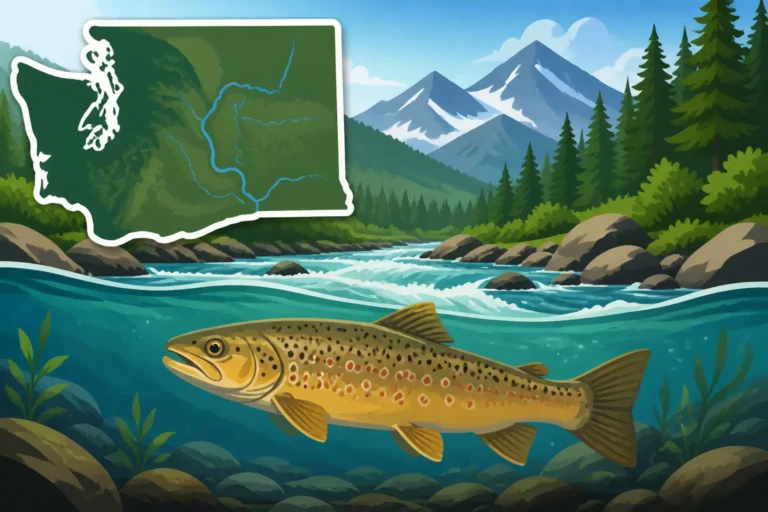
Are Brown Trout Native to Washington?
It’s a question many Washington anglers ponder, especially when they stumble upon a beautiful, spotted brown trout in a stream or lake. You might be admiring its vibrant colors and thinking, "This looks like it belongs here," but then wonder if it's truly a native Washington species. This comprehensive guide will clear up the mystery, delving into the origins of brown trout in our state, why and how they came to be here, and where these resilient, often elusive, fish thrive across Washington's diverse waters today.
Are Brown Trout Truly Native to Washington State? Unpacking Their Origins
Let's cut right to the chase for those of you who've been wondering while reeling in a feisty brown: no, brown trout are not native to Washington State. While they've certainly made themselves at home in many of our rivers, streams, and lakes, their story in North America, and specifically in Washington, is one of introduction, not indigenous heritage. It's a common misconception, given how well they've adapted, but their roots are actually across the Atlantic.
The Short Answer: An Introduced Species
The brown trout ( Salmo trutta) hails from the cool, clear waters of Europe and parts of Western Asia. Imagine the ancient rivers of England, Germany, or the mountains of Norway – that's their ancestral home. They've been a prized game fish in those regions for centuries, renowned for their beauty, fighting spirit, and often-challenging nature. When European settlers began colonizing North America, they brought with them a desire for familiar fish, and the brown trout was a prime candidate for introduction into new waters.
This isn't unique to brown trout, of course. Many species we now take for granted in various ecosystems were brought over for specific reasons. In Washington, our true native trout include species like the various forms of Cutthroat Trout in Washington's Rivers and Lakes and our beloved Rainbow Trout Fishing in Washington, which includes the anadromous steelhead. Understanding this distinction helps us appreciate the unique ecological role of both native and introduced species in our fishing landscape.
When and Why Brown Trout Were Introduced
The grand experiment of introducing brown trout to North American waters began in the late 19th century. The first successful stocking in the United States occurred in Michigan in 1883, with eggs imported directly from Germany. From there, the fish quickly gained popularity among anglers and fishery managers alike, leading to widespread distribution efforts across the country.
In Washington, the motivations were similar to those elsewhere. Fishery managers at the time were often looking to enhance sport fishing opportunities, particularly in areas where native fish populations might have been perceived as less abundant, less desirable for sport, or perhaps struggling under increased angling pressure and habitat changes. Brown trout were seen as a hardy species, adaptable to a variety of conditions, and capable of growing to impressive sizes, offering a thrilling challenge to anglers. They could often tolerate slightly warmer water temperatures than some native salmonids, making them suitable for some streams that might not have been ideal for pure strain native trout.
These historical stocking programs continued for decades, leading to the establishment of self-sustaining brown trout populations in many Washington waterways. It's a fascinating slice of our fishing history, showcasing how human intervention has shaped the very fish we pursue today.
Where Brown Trout Live and Thrive in Washington
So, if they're not from here, where exactly have these European transplants decided to make their permanent home? Brown trout are incredibly adaptable, but they certainly have their preferences, and knowing these can dramatically increase your chances of finding them.
Preferred Habitats: Lakes, Rivers, and Streams
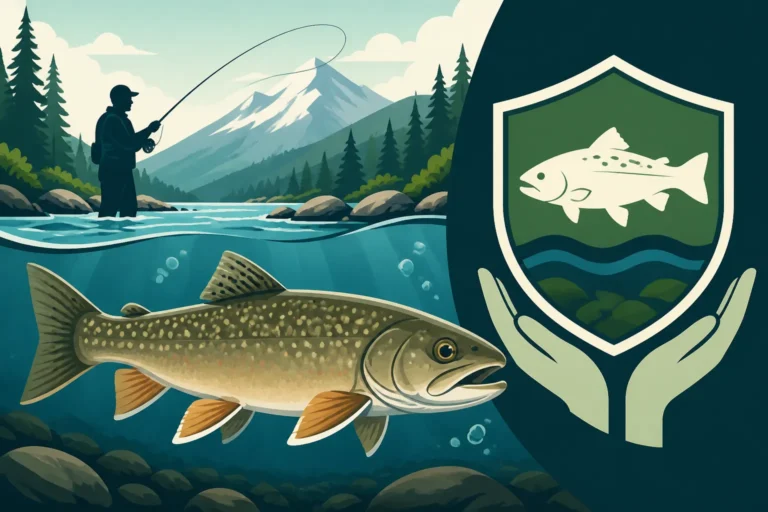
Brown trout are famous for being a bit more tolerant of warmer water temperatures and slightly murkier conditions than some other trout species, but they still thrive in cool, well-oxygenated environments. They are particularly fond of rivers and streams with plenty of cover. Think about those classic trout hides: undercut banks, submerged logs, rock gardens, and deep pools. These spots offer both protection from predators and ambush points for their prey. As they grow larger, brown trout become increasingly piscivorous, meaning they eat other fish, so areas with abundant baitfish or smaller trout are prime real estate for big browns.
In lakes, they often gravitate towards areas with rocky structure, drop-offs, and submerged vegetation, especially where cooler, deeper water is accessible during the warmer months. They'll cruise these areas, ambushing unsuspecting forage. While they might be found alongside Kokanee: Washington's Landlocked Sockeye in some lakes, they’re generally the top predator in their immediate surroundings.
Key Washington Fisheries for Brown Trout
While brown trout aren't as widespread or as heavily stocked as rainbow trout in Washington, there are certainly specific fisheries where they shine. You'll often find them more concentrated in certain areas of Eastern Washington, particularly in some of the high desert lakes and streams. These waters, sometimes fed by springs or mountain runoff, offer the cool, clear conditions browns prefer, along with ample insect life and forage.
Some rivers, often those with a good mix of riffles, runs, and deep, slow pools, can hold impressive populations of brown trout. These fish can be incredibly wary, especially the larger ones, making them a true trophy for dedicated anglers. Finding a "resident" brown trout that has grown large and wise in a particular stretch of river is a unique and rewarding experience. Always remember to check the current regulations for any specific body of water, as rules can vary greatly.
Fishing for Brown Trout in Washington: Techniques and Considerations
Chasing brown trout in Washington can be an incredibly rewarding experience. Their wary nature and powerful fight make them a favorite target for many seasoned anglers. You might spend a day targeting a particular stretch, only to be surprised by a flash of gold and crimson from a fish you didn't even know was there.
Best Techniques for Angling Brown Trout
Successful brown trout fishing often comes down to stealth and presentation. These fish are notorious for being easily spooked, especially in clear, shallow water. Here are a few techniques that often prove effective:
- Fly Fishing: Many fly anglers consider brown trout the ultimate challenge. Streamers imitating baitfish or leeches can be incredibly effective, especially for larger browns. Nymphing with imitations of aquatic insects is also a fantastic way to target them when they're feeding sub-surface. And, of course, during a good hatch, dry flies can bring explosive takes. If you’re into technical fly fishing, exploring techniques like Nymphing for Trout on Washington's Yakima River (even if it's for rainbows, the principles apply) can translate well to brown trout.
- Spin Fishing: For those who prefer spin gear, small spinners, spoons, and minnow-imitating crankbaits can be highly productive. Focus on casting to cover, letting your lure swing through deep pools or along current breaks. Ultralight gear can make the fight even more exhilarating. Soft plastics, rigged to imitate worms or small fish, can also entice a bite.
- Bait Fishing: While often less targeted by purists, natural baits like worms, salmon eggs, or even small minnows can certainly catch brown trout. Again, presentation is key – a natural drift and minimal weight can be very effective in streams and rivers.
Regardless of your chosen method, remember that brown trout often feed most actively during low light conditions, such as dawn and dusk, or on overcast days. This is especially true for the larger, more cautious specimens.
Gear Recommendations and Where to Find It
When it comes to gear for brown trout, versatility is your friend. A medium-light action rod (6-7 feet for spin fishing, 5-6 weight for fly fishing) is a good starting point. You'll want a reliable reel with a smooth drag, as a big brown can make some powerful runs.
For terminal tackle, having a selection of fluorocarbon leaders in various strengths (4-8 lb test) is crucial for those clear water situations. Lure-wise, consider bringing a variety of small, jointed minnow plugs, inline spinners in brass or silver, and maybe some darker colored spoons. For fly anglers, a selection of woolly buggers, conehead streamers, pheasant tail nymphs, and caddis or mayfly dry fly patterns will serve you well.
You can find a vast array of quality fishing gear, from specific fly patterns to durable rods and reels, on platforms like Amazon. I often browse Amazon myself for reviews and different brands when I'm looking to upgrade a piece of equipment or stock up on a particular type of lure or bait. It's a convenient way to compare options and ensure you're getting the right tools for targeting these elusive fish. Don't forget essentials like a good pair of polarized sunglasses to spot fish and structure, and a comfortable vest or backpack to carry your gear.
Regulatory Notes and Responsible Angling
Even though brown trout are not native to Washington, they are still a managed species, and specific regulations apply to fishing for them. These regulations can vary significantly depending on the body of water, so it's absolutely crucial to consult the current WDFW Fishing Regulations Pamphlet before you head out. This pamphlet is your bible for understanding daily limits, possession limits, size restrictions, and specific gear rules (like Barbless Hook Requirements on Washington Rivers or Washington Bait Bans and When They Apply) for the area you plan to fish. I always make sure to do What to Check Before Every Washington Fishing Trip, especially when exploring new waters.
Practicing responsible angling is paramount. If you plan to release fish, handle them gently with wet hands, minimize their time out of water, and use single, barbless hooks to reduce harm. While brown trout aren't native, they are a valuable part of Washington's sport fisheries, and ensuring their health and future populations benefits all anglers.
| Trout Species | Native to Washington? | Primary Habitat Types | Typical Size (Washington) | Key Identifying Features (General) |
|---|---|---|---|---|
| Brown Trout | No | Rivers, Streams, Lakes | 10-20 inches, can exceed 25 | Brown/gold body, distinct red/black spots, often with pale halos |
| Rainbow Trout | Yes | Rivers, Streams, Lakes | 8-20 inches, can exceed 30 (steelhead) | Rainbow stripe, small black spots, often iridescent |
| Cutthroat Trout | Yes | Rivers, Streams, Lakes, Estuaries | 6-18 inches, can exceed 20 (sea-runs) | Red/orange slash under jaw, dark spots, often duller overall |
| Brook Trout | No | High mountain lakes, cold streams | 6-12 inches | Dark green body, worm-like markings on back, red spots with blue halos |
Brown Trout in Washington: Part of the Fabric Now
While their origins might be across the ocean, brown trout have undeniably woven themselves into the fabric of Washington's angling scene. They offer a unique challenge, a beautiful catch, and a chance to explore some of our state's more secluded and pristine waters. Knowing they're an introduced species doesn't diminish the thrill of catching one; it simply adds another layer to the rich, complex history of fishing in the Pacific Northwest.
Many anglers actively seek them out for their intelligence and fighting prowess. The larger browns are often referred to as "brutes" or "ghosts" because of their elusive nature and powerful runs once hooked. It's a different kind of pursuit than, say, chasing summer steelhead, but equally rewarding. If you're looking for a new challenge or simply want to expand your angling horizons, dedicating some time to understanding and pursuing Washington's brown trout population is definitely worthwhile. Just remember to respect their waters and fish responsibly, keeping our precious natural resources healthy for generations to come.
Disclaimer
This article is for general informational purposes only and does not constitute professional advice. Laws, prices and regulations vary by location and change over time. Consult a qualified professional for guidance on your specific situation.