How to Fish a Bobber and Jig for Steelhead
Ever felt like you're playing a frustrating game of hide-and-seek with Washington's elusive steelhead? You scout the river, brave the cold, cast your line with anticipation, only to watch it drift by, again and again, without a single bite. That feeling of uncertainty, wondering if your presentation is just off or if you're missing some secret trick, is all too common. But what if I told you there's a technique that consistently puts fish in front of anglers, a method that shines in some of the toughest conditions? Today, we're diving deep into the art of fishing a bobber and jig for steelhead, a game-changer that will boost your confidence and your catch rates on Washington's renowned rivers.
Why the Bobber and Jig is a Steelhead Game-Changer in Washington
Let's be real, steelhead fishing can be incredibly challenging. These powerful, ocean-run rainbow trout are notorious for their finicky nature and incredible strength. Many traditional methods, while effective in their own right, sometimes struggle to adapt to the diverse conditions we face across Washington's rivers. This is where the bobber and jig really comes into its own, offering a versatility and subtle presentation that can make all the difference, especially when the bite is tough.
Unbeatable Natural Presentation
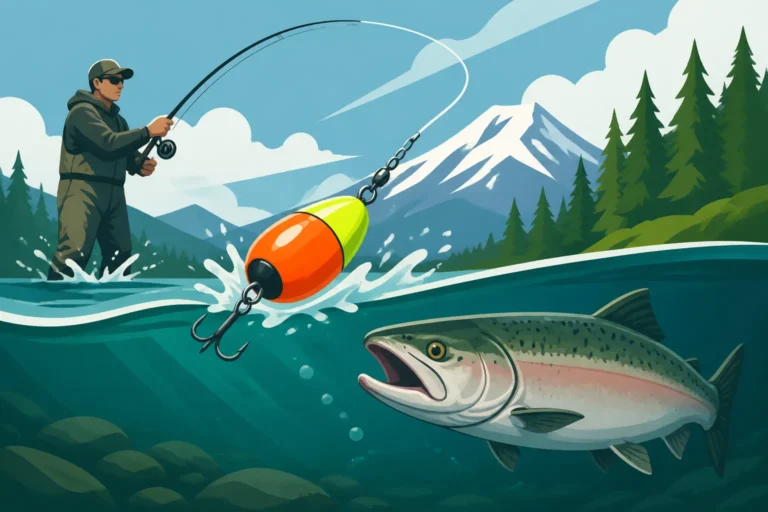
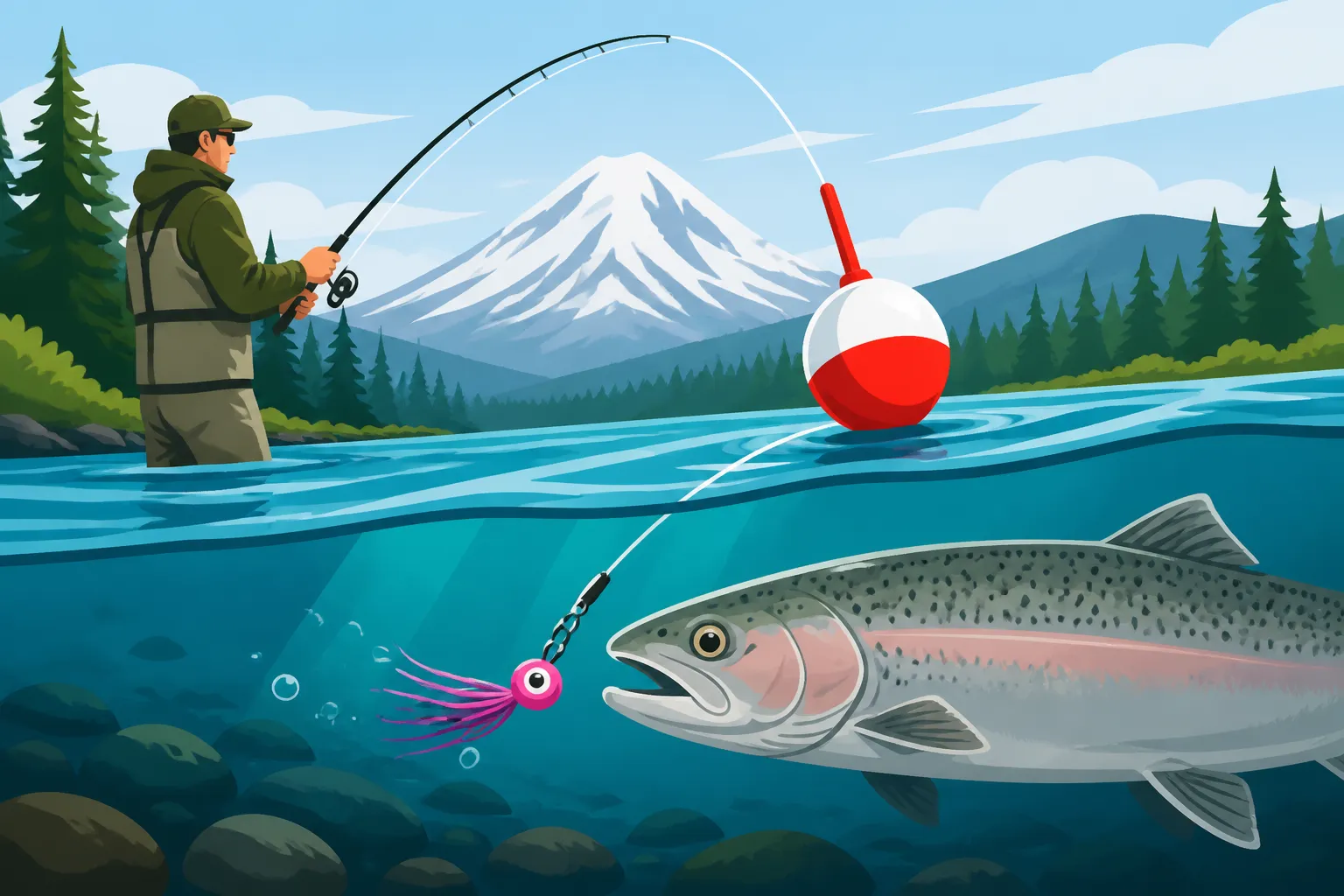
One of the biggest frustrations for steelhead anglers is knowing the fish are there but not being able to entice a strike. Many factors can contribute to this, but often, it comes down to how naturally your bait or lure is moving through the water column. The beauty of a bobber and jig setup is its ability to mimic a free-drifting insect, a small baitfish, or even a piece of roe tumbling along with the current. This natural, unhindered drift is often exactly what it takes to fool a wary steelhead.
Unlike heavy gear that can drag or snag, a properly weighted bobber and jig allows your offering to suspend at a precise depth, drifting through prime holding water without spooking fish. Think about it: a steelhead lying in a soft seam behind a boulder isn't going to chase down a violently retrieved lure. They want an easy meal that effortlessly floats right into their strike zone. This subtle approach makes the bobber and jig incredibly effective in both clear, low-water conditions and in slightly off-color, higher flows where fish might be less willing to move far for food. It truly presents an irresistible target, making it a must-have technique in your arsenal.
Covering Water and Pinpointing Depths
Another common headache for steelhead anglers is figuring out exactly where the fish are holding and at what depth. Rivers are dynamic, and steelhead can tuck into various pockets, seams, and holes depending on water levels, temperature, and pressure. Fumbling with different weights and guessing depths can waste precious fishing time. The bobber and jig setup simplifies this immensely.
With a sliding bobber, you can quickly adjust your fishing depth by moving the bobber stop up or down your mainline. This means you can swiftly test different depths within a run, from shallow tailouts to deep pools, until you find where the fish are concentrating. Furthermore, the buoyant nature of the bobber allows you to methodically drift your jig through long stretches of water, covering more potential holding lies with each cast. This combination of adjustability and coverage is invaluable. You're not just casting blindly; you're actively exploring the water column and the riverbed, increasing your chances of intercepting a steelhead that might be tucked away in a less obvious spot. This precision is particularly helpful on larger systems like the Cowlitz River or the Kalama River where understanding the subtleties of the current and depth is crucial.
Essential Gear for Bobber and Jig Steelhead Fishing
Getting set up correctly for bobber and jig fishing is crucial. While the technique itself is straightforward, having the right tools makes a world of difference in your success and enjoyment. It's about creating a balanced system where everything works together seamlessly.
The Right Rod, Reel, and Line Combo
Your rod is arguably the most critical component. For bobber and jig fishing, you're looking for a longer, more sensitive rod that can handle delicate presentations while still having the backbone to fight a powerful steelhead. A rod in the 9 to 11-foot range with a moderate-fast action and a medium-light to medium power rating is ideal. The extra length helps with longer casts, better line control during the drift (mending your line), and absorbing the shock of a hard-fighting fish. Brands like Lamiglas, Shimano, and G. Loomis offer excellent options that many Washington anglers swear by. You'll want a rod that feels light enough to hold all day but powerful enough to handle fish up to 20 pounds.
Pair this with a reliable spinning reel in the 2500-4000 series size. It should have a smooth drag system, as sudden runs from steelhead can snap lines in an instant if your drag isn't buttery smooth. Make sure it's spooled with a good quality braided mainline, typically 15-20 lb test. Braid is fantastic because it has almost no stretch, which gives you incredible sensitivity to detect even the slightest tap on your jig. It also allows for powerful hook sets from a distance. You can find a wide selection of braided lines and reels on Amazon that are perfectly suited for this application.
Bobbers, Jigs, and Terminal Tackle
Now for the business end! The bobber, or float, is your window into what's happening beneath the surface. For steelhead, a sliding float is usually preferred over a fixed float because it allows you to fish much deeper water than your rod is long, and it's easier to cast. Look for clear or high-visibility bobbers (like Drennan or Thill models) that are aerodynamic for casting distance and have enough buoyancy to suspend your jig and any added weight without dragging under. The size of the bobber should match the weight of your jig and any split shot you add.
Jigs are the main attraction. For steelhead, marabou jigs are incredibly popular due to their natural pulsation in the water. Colors like pink, cerise, chartreuse, orange, and black/blue are consistent producers, especially during the winter steelhead runs. Experiment with different weights, usually from 1/8 oz to 3/8 oz, depending on the current speed and depth. On slower, clearer waters, a smaller 1/8 oz jig might be deadly, while faster, higher water might demand a 1/4 or 3/8 oz to get down effectively. You might also consider jigs tied with rabbit fur or small plastic worm jigs for a more subtle presentation in low, clear conditions. You can literally spend hours browsing the various jig options available on Amazon, from local artisan ties to mass-produced favorites. When considering jig color, understanding "Best Jig Color in Off-Color Water" can make a significant difference.
Beyond the bobber and jig, you'll need a few other items:
- Bobber Stops: These tiny pieces of string or rubber are essential for setting your fishing depth.
- Beads: Small plastic beads (often 6mm or 8mm) are placed above your bobber to protect your knot and add a bit of visual attraction.
- Swivels: A good quality barrel or crane swivel will connect your mainline to your leader, preventing line twist.
- Leader Material: Fluorocarbon leader (8-12 lb test) is almost invisible underwater and provides excellent abrasion resistance. It's crucial to match your leader strength to the conditions and the expected size of fish. For more on line choices, consider checking out information on "Best Line Weight for Washington Steelhead".
- Split Shot: Small lead or non-toxic split shot weights can be added above your swivel to help your jig sink faster and keep your leader vertical.
- Pliers/Forceps: For hook removal and crimping split shot.
- Clippers: For trimming line.
- Net: A good quality landing net with a rubberized mesh is critical for safely landing and releasing steelhead.
Remember, "Barbless Hook Requirements on Washington Rivers" are often in place for steelhead, so ensure your jigs have barbless hooks or pinch down the barbs on any barbed hooks before you hit the water. This is not just a regulation; it's good practice for the health of the fish.
Mastering the Bobber and Jig Technique
Now that you've got your gear sorted, let's talk about how to actually fish a bobber and jig. It's more than just casting and waiting; it's about understanding the nuances of river currents, reading your float, and executing a precise drift.
Rigging Up for Success
Setting up your bobber and jig rig correctly is half the battle. Here’s a common and highly effective setup:
- Mainline (Braid): Start by threading your braided mainline through your rod guides.
- Bobber Stop: Thread a bobber stop onto your mainline first. This tiny knot or piece of rubber will prevent your sliding bobber from going too far up your line, allowing you to control your depth. You'll typically tie an overhand knot and snug it down, or use a pre-made rubber stop.
- Bead: Slide a small plastic bead (6mm or 8mm) onto your mainline. This bead protects the knot of your bobber stop from being damaged by the bobber sliding against it.
- Sliding Bobber: Next, thread your sliding bobber onto the mainline. Make sure it can move freely up and down the line.
- Another Bead (Optional): Some anglers add another bead below the bobber to protect the knot where the swivel will attach.
- Swivel: Tie a small, strong barrel or crane swivel to the end of your mainline using a Palomar or improved clinch knot. This swivel prevents line twist and acts as the anchor point for your leader.
- Leader (Fluorocarbon): Tie a length of fluorocarbon leader (typically 3-6 feet) to the other end of your swivel. The length of your leader will depend on water clarity and depth; longer leaders are often better in clear water, while shorter leaders are easier to manage in heavy current or when fishing deeper.
- Jig: Finally, tie your chosen steelhead jig to the end of your fluorocarbon leader.
Once rigged, test your setup. Adjust the bobber stop to set your desired fishing depth. A good starting point is usually 1.5 to 2 times the visible water depth, accounting for the jig's movement near the bottom. The goal is to have your jig drift just above the riverbed, where steelhead are often holding.
The Art of the Drift and Strike Detection
The key to successful bobber and jig fishing is achieving a natural, drag-free drift. Cast your rig slightly upstream and across the current, aiming to land it in the seams, current breaks, or behind structure where steelhead are likely to be resting. As your bobber begins its journey downstream, immediately begin "mending" your line. Mending involves lifting your rod tip and flipping any slack line upstream to keep your mainline from being dragged by faster surface currents. This ensures your bobber and jig drift at the same speed as the main current, maintaining that crucial natural presentation. It's a skill that takes practice but is incredibly rewarding.
Keep a keen eye on your bobber throughout the entire drift. Any unnatural movement – a quick dip, a sudden stop, or even just slowing down more than the current – can indicate a bite. Steelhead often don't "smash" a jig; they might simply inhale it, causing only a subtle pause in your float's journey. This is where the sensitivity of your braided mainline and long rod comes into play. If you suspect a bite, don't hesitate.
When you see a take, resist the urge to violently yank your rod. Instead, execute a smooth, deliberate sweep of your rod tip upstream and away from the fish. This strong, controlled hook set allows the hook to penetrate cleanly. Once you feel the weight of the fish, hold on! Washington steelhead are powerful fighters, often making blistering runs and acrobatic jumps. Let your reel's smooth drag do its job, apply steady pressure, and enjoy the fight. For those interested in alternative techniques, "Drift Fishing for Steelhead in Washington Rivers" provides a good comparison of how to achieve a natural presentation without a bobber.
Where and When to Fish a Bobber and Jig in Washington
Knowing how to fish a bobber and jig is one thing, but knowing where and when to deploy this technique is equally important for consistent success on Washington's diverse rivers.
Prime Washington Rivers and Conditions
The bobber and jig is particularly deadly during the winter steelhead season across many of Washington's larger rivers. These rivers, often carrying more water and with fluctuating clarity, present ideal scenarios for this method.
- Cowlitz River: Known for its strong hatchery steelhead returns, the Cowlitz offers ample opportunities. Areas with distinct current seams, gravel bars, and deeper pockets are excellent places to drift a jig. You'll find success working the runs below the barrier dam, or the famous Blue Creek hatchery area. For more detailed information, check out "Fishing the Cowlitz River for Steelhead and Salmon in Washington".
- Skykomish River: The Skykomish, especially around areas like Reiter Ponds, is another fantastic river for bobber and jig fishing. The diverse runs and pockets, especially during higher flows, are perfectly suited for this controlled drift. "Fishing the Skykomish Near Reiter Pond Hatchery in Washington" can give you a deeper dive into this specific location.
- Kalama River: This scenic river often fishes well with bobber and jig, particularly in its middle and lower sections where drifts are longer and current speeds vary.
- Green River: Closer to Seattle, the Green River can also produce good steelhead numbers, and the bobber and jig is a solid choice in its various runs.
While primarily a winter steelhead technique, it can also be effective for early summer steelhead runs when rivers might be running higher due to snowmelt. The key is finding pockets of slower water adjacent to faster currents, or targeting deeper troughs where fish might be resting. Remember, understanding "Winter vs Summer Steelhead Runs in Washington, Explained" will help you anticipate when and where to find these fish.
Understanding Water Conditions and Timing
The beauty of the bobber and jig is its effectiveness across a range of water conditions, but it truly shines when the water is slightly off-color or during periods of higher flow.
- Off-Color Water: When rivers are a bit murky from rain or snowmelt, steelhead tend to hold closer to the bottom and rely more on scent and subtle visual cues. A brightly colored jig, slowly tumbling by, can be irresistible. This is where those cerise, orange, or chartreuse jigs really come into their own. For more on this, check out "How Water Clarity Affects Steelhead Fishing".
- Higher Water: Increased flows often push steelhead into softer seams, behind structure, or into slower-moving eddies. The bobber and jig allows you to target these specific areas with precision, keeping your offering in the strike zone longer without snagging. If you're dealing with challenging conditions, a guide to "How to Fish for Steelhead in High Water" can be very useful.
- Clear, Low Water: While other techniques might excel in these conditions, a smaller, more natural-colored jig (like a black, white, or mottled plastic worm jig) presented stealthily with a longer fluorocarbon leader can still tempt wary steelhead.
Timing also plays a role. Early mornings and late afternoons often see increased fish activity. On cloudy days, fish might be active throughout the day. Always keep an eye on river flow data and weather patterns, as these factors significantly influence steelhead behavior. And don't forget to bundle up! Washington winters can be wet and cold, so good "Rain Gear You Need for Winter Steelheading" is non-negotiable.
Troubleshooting Common Issues and Advanced Tips
Even with the best gear and understanding, you might run into frustrating moments on the river. Steelhead fishing demands patience and adaptability, and knowing how to troubleshoot common bobber and jig issues can save your day.
Diagnosing Your Drift and Missed Bites
One of the most common frustrations is feeling like you're doing everything right, but not getting bites, or worse, getting subtle bumps but failing to hook up. Let's break down how to diagnose these issues.
First, evaluate your drift. Is your bobber truly moving at the exact same speed as the surrounding current, or is it dragging ahead or lagging behind? Any unnatural movement is a dead giveaway to the fish. If your bobber is dragging, you're likely not mending enough, or your mainline is too light/heavy for the conditions. Try mending more aggressively, or adjusting your cast angle. If it's lagging, your jig might be too heavy for the current, snagging on the bottom, or your leader is too short and causing the jig to tumble unnaturally. You might need to add a bit more split shot above your swivel to get the jig down faster, or lengthen your leader. The goal is for the bobber to look like a leaf effortlessly floating downstream.
Next, reassess your depth. Are you sure your jig is near the bottom where steelhead are likely holding? If you're not occasionally bumping bottom, you're probably too shallow. Adjust your bobber stop to let your jig drop a bit deeper. Conversely, if you're constantly snagging, you're too deep, or your jig is too heavy. Sometimes, just an inch or two makes all the difference.
Finally, missed bites. If you're seeing taps and bumps but not hooking fish, consider a few things:
- Hook Sharpness: Are your jig hooks razor sharp? Even a slightly dull hook can result in missed fish. Carry a hook sharpener.
- Jig Size/Color: The fish might be "nipping" at the jig because they're curious but not committing. Try a smaller jig or a different color. Sometimes a subtle plastic worm jig works wonders when fish are lethargic.
- Hook Set: Are you doing a firm sweep, or a weak yank? A weak hook set won't drive the hook home. A violent yank can pull the jig away from the fish's mouth. Practice that smooth, powerful sweep.
- Too Much Leader: In extremely clear water, a very long leader can make it harder to transmit the bite to your bobber, or for you to get a good hook set. Try shortening it slightly.
Experimentation and Adapting to Conditions
Steelhead fishing is rarely a one-size-fits-all affair. What worked yesterday might not work today, and what works on one river might not work on another. The most successful anglers are those who are willing to experiment and adapt.
- Jig Colors and Sizes: Always carry a variety of jig colors and sizes. Start with proven local favorites (often pink or cerise in Washington), but if nothing is happening after a good half hour, switch it up. Try a high-contrast jig in off-color water (like black and blue) or a subtle white or natural color in clear water. Sometimes a slightly larger profile will draw a strike, other times a tiny 1/8 oz jig is the ticket.
- Leader Lengths: Play with your leader length. In clear, low water, a longer leader (5-6 feet) can be crucial for stealth. In fast, deep, or off-color water, a shorter leader (3-4 feet) might offer better control and faster sink rates.
- Adding Scent: While the bobber and jig is about presentation, a little added scent can be the icing on the cake, especially in colder water or when fish are less aggressive. Brands like Pautzke's or Pro-Cure offer various scents that can be dabbed onto your jig. However, always be aware of "What a Bait Ban Actually Restricts in Washington" if you're fishing a river with specific bait regulations.
- Spot Selection: Don't get stuck in one spot if it's not producing. Move around, try different types of water – seams, tailouts, heads of pools, current breaks behind boulders. Steelhead move, and so should you. Sometimes, just moving 50 yards upstream or downstream can make all the difference. Remember, fishing is about covering water and finding active fish, especially when dealing with a challenging species like "Steelhead: Washington's Ocean-Run Rainbow Trout".
By continuously assessing your drift, staying sharp on your bite detection, and being willing to adapt your setup, you'll significantly increase your chances of success with the bobber and jig technique for Washington steelhead. It's a method that rewards precision, patience, and a keen eye, and once you master it, you'll wonder how you ever fished for steelhead without it!
Disclaimer
Fishing regulations can change frequently. Always consult the latest Washington Department of Fish and Wildlife (WDFW) regulations pamphlet or their website before heading out on the water. This guide provides general information and should not be considered a substitute for official regulations.