Best Wedding Ring Color for Washington Kokanee
Trying to figure out which "wedding ring" lure color will consistently tempt Washington's notoriously finicky kokanee can feel like chasing a ghost. You spend good money on gear, meticulously rig your boat, and invest hours on the water, only to have those silvery little landlocked sockeye ignore your spread entirely. It's incredibly frustrating when you know they're down there, but nothing seems to entice them. This guide is here to break down the mystery of kokanee lure colors, helping you understand why certain shades shine in specific conditions and how to choose the best wedding ring color to fill your cooler in Washington.
Understanding Kokanee Behavior and Preferences
Before we dive into the rainbow of available wedding ring colors, it’s really helpful to understand what makes kokanee tick. These fish aren’t just randomly biting; their behavior is heavily influenced by their environment and what they perceive as food. Knowing this foundation will empower you to make more informed decisions about your tackle box.
The Role of Light and Water Clarity
Think about it: just like us, kokanee rely on their vision to find food, and how well they see depends entirely on the light conditions and the water around them. This isn't just about whether it's sunny or cloudy; it's about how deeply light penetrates and what's suspended in the water.
On bright, sunny days, especially in clear lakes like much of Lake Chelan or Lake Roosevelt, kokanee can see a long way. This means a lot of flash and natural colors often work wonders. Silver, chrome, or even white wedding rings, perhaps with a subtle pearl or iridescent flake, can mimic the reflective scales of their natural prey or glint enticingly in the strong sunlight. The bright conditions allow these lures to reflect maximum light, catching the kokanee's eye from a distance. However, sometimes too much flash can be a deterrent on very bright days, especially if the fish are shallower and feel exposed. In these scenarios, a slightly more subdued, but still reflective, color might be the ticket.
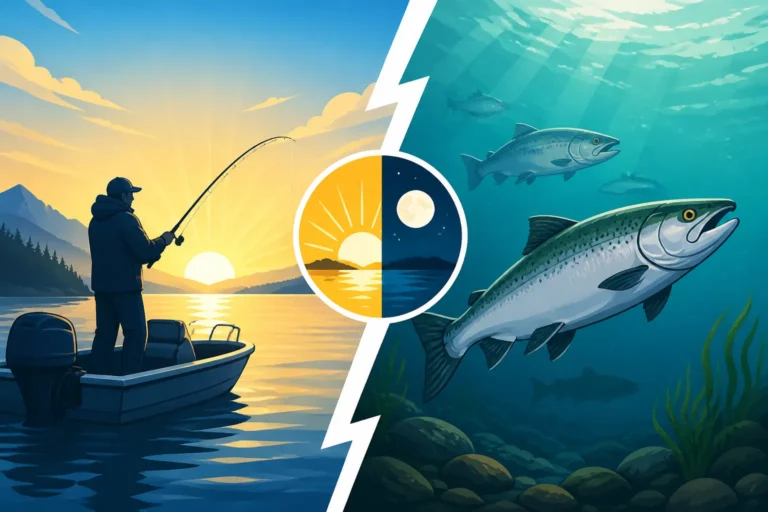
Conversely, on overcast days, during low light hours like dawn and dusk, or when fishing deep, light penetration is significantly reduced. This is where those "hotter" or more visible colors often come into their own. Gold, orange, or even chartreuse wedding rings might become more effective because they stand out better in the gloom. Gold, for instance, has a warmer, deeper glow that can be more visible than silver in low light, often mimicking the subtle shimmer of plankton or insects illuminated from above. If the water itself is stained or cloudy from runoff or algae blooms, the principle is similar: you need something that will create a strong visual footprint. Think about a dirty aquarium; you wouldn't drop a clear pebble in there and expect it to be seen. You'd use something brightly colored to grab attention. This is also where understanding how different colors absorb and reflect light at various depths becomes crucial. Deeper into the water column, certain wavelengths of light are filtered out, making reds appear brown or black, while blues and greens remain more vibrant. This is why sometimes a vibrant blue or green can surprise you in deep water where you might typically expect gold or orange to dominate.
Mimicking Natural Food Sources
Kokanee are primarily planktivores, meaning their diet largely consists of zooplankton—tiny crustaceans that drift in the water column. They also opportunistically feed on small insects or insect larvae. This dietary preference heavily influences their feeding behavior and, consequently, what colors they are attracted to.
A wedding ring lure, with its spinning blade and often a body of beads, is designed to imitate these small food sources. The subtle flash and vibration mimic a distressed insect or a concentrated cluster of plankton. The colors, therefore, often aim to replicate the hues found in nature. For instance, many zooplankton can have reddish or greenish tints, especially when viewed in certain light conditions. This explains why shades like pink, orange, or chartreuse are so consistently productive. These colors might not exactly match a specific organism, but they create an impression of a tasty, vulnerable food item that triggers a kokanee’s feeding instinct.
It's not always about an exact match, but more about triggering a predatory or opportunistic response. A vibrant pink or orange might not look precisely like a copepod, but in the right light and depth, it stands out as something worth investigating. The way the blade spins and flashes adds to this illusion, creating a "live" presentation that's hard for a hungry kokanee to ignore. Furthermore, the combination of a small, shimmering blade and a contrasting body color can create a "profile" that suggests movement and life, crucial for attracting sight-feeding kokanee.
The Importance of Flash and UV Reflection
Flash is absolutely non-negotiable when targeting kokanee. These fish are drawn to sparkle and shimmer, much like a magpie to something shiny. The rotating blade of a wedding ring lure is the primary source of this flash, sending out intermittent glints of light that can be seen from a surprising distance.
Different blade materials and finishes enhance this flash in various ways. Highly polished silver or chrome blades throw off intense, sharp flashes that are excellent in clear water and good light. Gold blades offer a softer, warmer glow that can be more effective in stained water or low light. Some blades even incorporate holographic or prismatic tapes that create a kaleidoscope of colors as they spin, further increasing their attractiveness. You might even find blades with a subtle hammered finish, which creates more erratic and varied reflections, sometimes preferred by wary fish.
Beyond visible light, ultraviolet (UV) reflection has become a huge topic in kokanee fishing, and for good reason. Many aquatic organisms, including the zooplankton kokanee feed on, absorb and reflect UV light. Fish, unlike humans, can often see in the UV spectrum. This means that a lure that glows or reflects UV can be incredibly visible to a kokanee, even in deep, dark water where most visible light has been filtered out. Many modern wedding rings, especially those designed for kokanee, incorporate UV-active paints or materials. These lures essentially "glow" to the fish, making them stand out far more than their appearance to the human eye would suggest. When you're fishing hundreds of feet deep in a lake like Lake Chelan, that UV signature can be the difference between a barren retrieve and a screaming reel. It adds another dimension to visibility, essentially making your lure pop in ways we can't fully appreciate above the surface. You can often find UV-enhanced lures on Amazon or at specialty tackle shops.
Decoding the Best Wedding Ring Colors for Washington Kokanee
Now that we've covered the "why," let's get into the "what." Choosing the right wedding ring color isn't about one magic bullet, but rather having an arsenal of options and knowing when to deploy them. Different colors excel in different scenarios, and often, the most successful anglers are those who aren't afraid to experiment.
Tried-and-True Favorites and Why They Work
Certain colors have earned their place as staples in any serious kokanee angler's tackle box. These aren't just guesses; they're colors that consistently produce results across countless fishing trips in Washington and beyond.
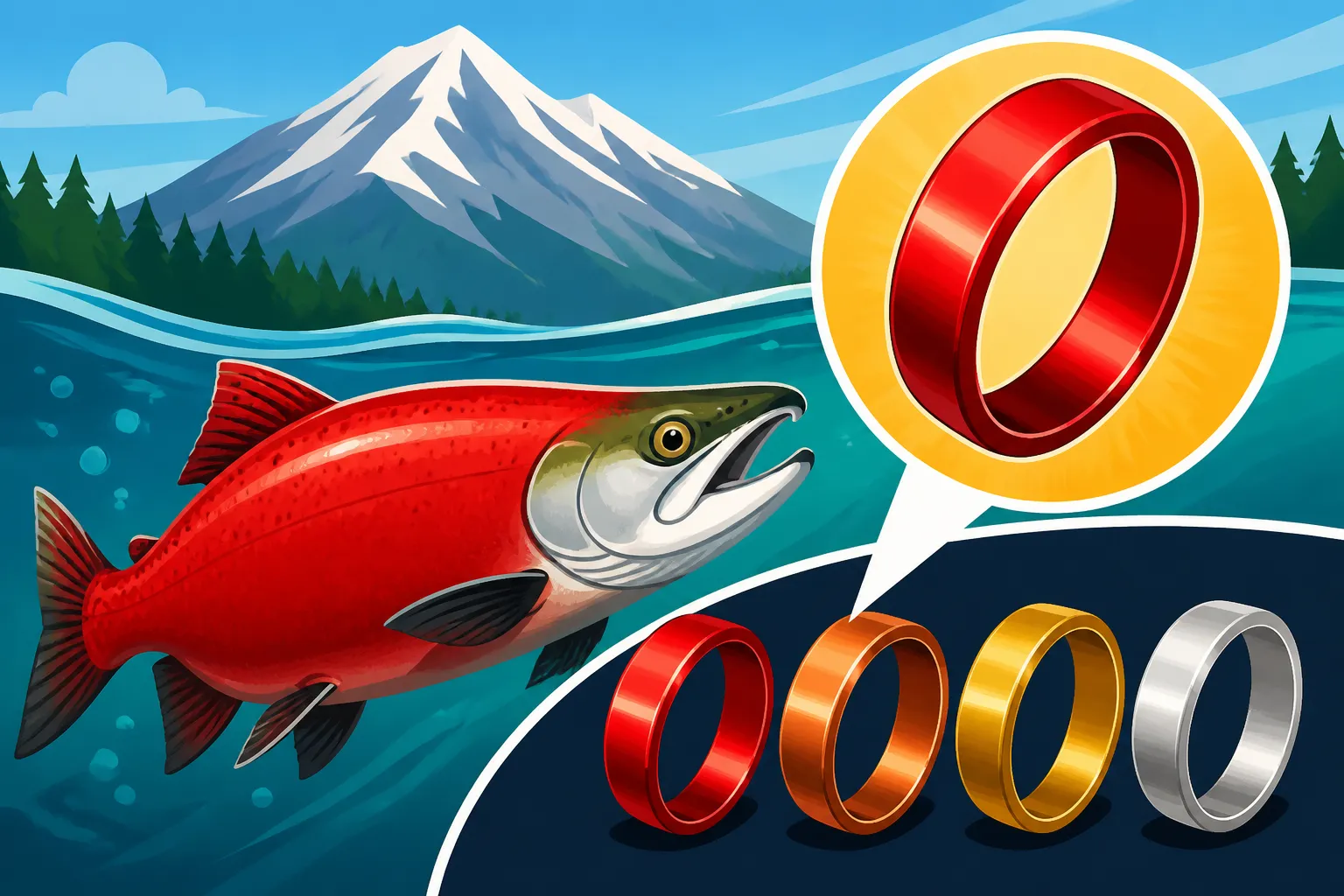
- Silver/Chrome: This is your classic, all-around performer. Silver blades, often paired with silver, white, or clear beads, are fantastic on bright, sunny days and in clear water. They perfectly mimic the flash of small baitfish or the glint of sunlight off a school of plankton. If you're starting a spread of lures, a silver wedding ring should always be one of your first choices. It's often the baseline to which you compare other colors. Think of a sunny afternoon on Lake Roosevelt; a silver wedding ring glinting through the clear water can be irresistible.
- Gold: When the sun dips, the clouds roll in, or the water takes on a slight stain, gold often outshines silver. Gold blades and bodies have a warmer, deeper reflection that penetrates low light and stained water better. They create a subtle, attractive shimmer rather than a sharp flash. Many anglers swear by gold on overcast days, or when fishing deeper where less light penetrates. It’s also excellent in lakes with a tannic stain, where the water has a tea-like tint.
- Brass/Copper: A less common but highly effective alternative to gold, brass or copper wedding rings offer a more muted, natural metallic sheen. These can be particularly good for finicky kokanee who might be put off by the aggressiveness of silver or gold. They provide a subtle flash that can imitate various insects or tiny forage without being overwhelming. If the bite is slow and you’ve tried silver and gold without success, a brass or copper option can sometimes trigger a strike from hesitant fish.
- Chartreuse/Green: These vibrant, often fluorescent colors are fantastic for visibility. Chartreuse, especially, is a high-contrast color that stands out exceptionally well in virtually any light condition, from bright sun to deep water. Often infused with UV properties, chartreuse and green can imitate algae blooms or the natural greenish tint of some zooplankton. They are a must-have, especially when targeting fish in deeper water or when you need your lure to scream "eat me!" An inline dodger with a green or chartreuse stripe, followed by a matching wedding ring, is a deadly combination.
- Orange/Red: These "hot" colors are known strike triggers. Orange and red are highly visible in certain light conditions and can often elicit an aggressive reaction from kokanee, even when they aren't actively feeding. They can mimic small shrimp or other red-tinged organisms. Use them when you want to get noticed, especially if the fish are scattered or sluggish. Many anglers find these colors productive during specific times of the year or in waters with a higher iron content, which can affect the water's natural hues.
- Pink: Increasingly popular, pink has proven itself as a consistent producer for kokanee. Often paired with silver or pearl, pink offers a vibrant yet natural appearance. It’s versatile, working well in both clear and slightly stained water, and can be very effective throughout the day. Some believe it mimics the reddish tint of certain plankton species, while others find its unique color profile simply irresistible. A pink wedding ring with a holographic blade can be especially lethal.
Matching Colors to Specific Washington Lakes and Conditions
While the general principles apply, specific Washington lakes can sometimes have their own local color preferences, often dictated by water chemistry, depth, and forage. It's always wise to pay attention to local reports and what the successful anglers are using.
For instance, on deep, clear waters like Lake Chelan, where kokanee can be found at significant depths, you'll often find anglers focusing on lures with strong UV properties and vibrant colors like chartreuse, pink, and bright orange, often paired with silver or chrome blades to maximize flash in the upper column before the UV takes over deeper down. Conversely, in a lake like Lake Sammamish, which might have more urban runoff and varying clarity, a gold or brass wedding ring could perform better on certain days, especially if there's a light chop on the water or the sky is overcast.
The time of year also plays a huge role. Early in the season, when kokanee might be shallower and water temperatures cooler, subtle presentations with natural colors like silver or brass might be more effective. As summer progresses and fish move deeper and become more aggressive, brighter, more attention-grabbing colors like chartreuse and orange, especially with a strong UV component, tend to shine. Remember, the goal is always to make your lure stand out as a delectable meal. If you're trying to figure out how deep to troll for summer kokanee, knowing your depth will also inform your color choice, as certain colors disappear at different depths.
The Impact of Beads and Attractors
A wedding ring isn't just a blade and a hook; the beads that make up the body of the lure are just as important. These beads not only add color but also create a profile and sometimes even rattling noise (if they’re glass or specific plastic types).
Often, the most effective wedding rings combine different bead colors. For example, a string of clear or white beads with a single red or orange bead placed strategically can create a "hot spot" that draws attention. Pink, orange, green, and red beads are popular choices. You can buy these beads separately and customize your own rigs, or purchase pre-tied wedding rings with proven color combinations. Many anglers on the Columbia River system, targeting kokanee that sometimes feed alongside salmon and steelhead, will often experiment with bead configurations to match local forage.
Beyond the wedding ring itself, attractors like dodgers and flashers are critical. These larger, often metallic or brightly colored plates are rigged ahead of your wedding ring and create significant flash and vibration, drawing kokanee from a wider area. The color of your dodger can also influence the effectiveness of your wedding ring. A chrome dodger might be paired with a silver wedding ring on a bright day, while a green or chartreuse dodger might lead a pink or orange wedding ring in stained water. The combined effect of a large attractor and a small, vibrant wedding ring is often more than the sum of its parts. Don't forget to check out how to troll wedding rings for kokanee effectively, as the dodger-to-lure distance and trolling speed are crucial for optimal action.
| Wedding Ring Color | Ideal Conditions | Why It Works | Notes |
|---|---|---|---|
| Silver/Chrome | Sunny, Clear Water, All Depths | High flash, mimics baitfish, strong reflection, visible from afar. | Excellent starting point, often paired with various bead colors. |
| Gold | Overcast, Stained Water, Deep | Warm, softer glow, better visibility in low light, subtle shimmer. | Good alternative to silver when fish are finicky or light is dim. |
| Chartreuse/Green | All Conditions, Deep Water | High contrast, often UV active, mimics plankton/algae, highly visible. | Great for attracting attention, especially with dodgers, check for "glow" versions. |
| Orange/Red | All Conditions, Aggressive Fish | Strike trigger, highly visible, mimics shrimp/insects, aggressive appeal. | Can provoke strikes when fish are sluggish; often used with contrasting beads. |
| Pink | Varied Conditions, All Depths | Versatile, natural yet vibrant, often UV active, unique color profile. | Increasingly popular, effective when other colors fail. |
| Brass/Copper | Low Light, Finicky Fish | Muted, natural flash, less aggressive, good for pressured fish. | A subtle choice when fish are wary or the bite is tough. |
Advanced Strategies for Wedding Ring Color Selection
While the basics will get you far, mastering kokanee fishing means constantly refining your approach. It's about being observant, willing to change, and always learning from your time on the water.
Experimentation and Adaptation
The most crucial advice any seasoned kokanee angler will give you is to experiment. What worked yesterday might not work today. What works in one lake might not work in another, or even in a different arm of the same lake. That's part of the challenge and the fun!
When you start your day, it's often a good idea to deploy multiple rods, each rigged with a different wedding ring color or color combination. This "test pattern" approach allows the kokanee to tell you what they prefer. If one rod starts getting all the bites, you then switch your other rods to that successful color and depth. This adaptability is key to consistent success. Don't be afraid to change colors every 30-45 minutes if you're not getting bites. Sometimes, it's a minor tweak in color that makes all the difference.
Keeping a simple log of your successes and failures can also be incredibly valuable. Note the date, time, weather conditions, depth, lure color, and any other relevant details. Over time, you'll start to see patterns emerge, helping you make more educated guesses before you even hit the water. This is especially true for specific lakes or even particular areas within a lake.
The Nuance of Size and Speed
It’s not just about color; the size of your wedding ring's blade and the speed at which you troll it work in tandem with color to create the ultimate presentation. A larger blade will produce more flash and vibration, while a smaller blade will be more subtle.
- Blade Size: Smaller blades (e.g., #0, #1) are generally good for subtle presentations, especially when kokanee are finicky or feeding on very small plankton. Larger blades (e.g., #2, #3) create more disturbance and flash, which can be great for aggressive fish or when you need to attract attention from a distance in deeper or murkier water. You’ll often find these sizes available from brands like Mack's Lure or Sep's Pro Fishing.
- Trolling Speed: The speed of your troll directly affects the action of your dodger and wedding ring. Generally, kokanee prefer slower speeds (0.8 to 1.5 mph), but sometimes a slight increase or decrease can make a huge difference. A faster troll makes the blade spin more rapidly, creating more flash and vibration, while a slower troll allows for a more subtle flutter. The interplay of color, blade size, and speed is what creates the irresistible action. A vibrant chartreuse lure might be overlooked at one speed, but absolutely crushed at another, simply because its action and flash become more enticing. This is also where understanding your electronics, like a fish finder to locate kokanee, can greatly assist in fine-tuning your presentation.
Where to Find the Best Selection and Deals
Finding a good selection of wedding rings is easier than ever, but knowing where to look can save you time and ensure you get quality gear.
Local tackle shops, like those you’d find in Everett, Olympia, or along the Columbia River, are often treasure troves of kokanee-specific gear. The staff are usually incredibly knowledgeable about local lake preferences and can give you up-to-the-minute advice on what's working. Stores like Fisherman's Marine & Outdoor or Sportsman's Warehouse will have extensive selections, allowing you to physically compare different colors and styles. They often stock regional brands that are particularly effective in Washington waters.
Of course, for convenience and often competitive pricing, online retailers like Amazon offer a vast array of wedding rings from various manufacturers. You can often find variety packs that give you a good starting assortment of colors, or individual packs of your proven favorites. Just be sure to read reviews and ensure you’re getting quality components, as the blade’s finish and the hook’s sharpness are crucial. Buying online also allows you to compare prices and stock up on specific colors that might be harder to find locally. Whether you're customizing your own rigs or buying pre-tied, having a diverse selection on hand will ensure you're ready for whatever Washington's kokanee throw at you.
Disclaimer
Fishing regulations, seasons, and limits can change frequently. Always consult the latest Washington Department of Fish and Wildlife (WDFW) regulations pamphlet or their official website before heading out on the water. This information is for general guidance only and should not replace official WDFW resources.