Best Fly Patterns for Winter Steelhead
Oh, winter steelhead! If you've spent any time chasing these elusive ghosts of the river in Washington, you know the frustration can be real. One day, they're grabbing anything you throw, the next you feel like you're casting into an empty bathtub, even when you know they're there. The cold, often high, and sometimes murky water adds a whole extra layer of challenge, leaving many anglers wondering if they've picked the right fly. This guide is all about cutting through that confusion, diving deep into the best, most effective fly patterns for winter steelhead in Washington, and helping you understand why they entice these magnificent fish, ultimately boosting your confidence and success on the water.
Understanding Washington Winter Steelhead Behavior and Conditions
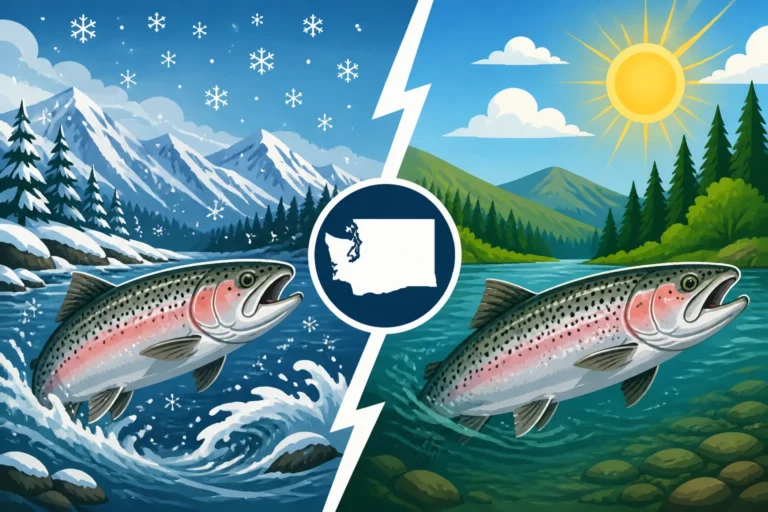
Winter steelhead fishing in Washington is a completely different ballgame than summer runs. These fish are driven by a primal urge to spawn, and their behavior is heavily influenced by the harsh realities of the season. Ignoring these factors when choosing your fly pattern is a surefire way to come up empty-handed.
The Cold Reality of Winter Steelhead
When winter truly sets in across Washington, the rivers become cold, and with that, steelhead metabolism slows down dramatically. They're not actively feeding like a trout in summer; instead, they're conserving energy and reacting more out of aggression, curiosity, or instinct. This means your fly isn't necessarily mimicking a natural food source they're hungry for. Instead, it needs to grab their attention, sometimes annoy them, or simply be easy enough for them to intercept with minimal effort. Think about it: a cold fish isn't going to chase a tiny, fast-moving fly across a turbulent current. They want something substantial that moves slowly and presents itself right in front of their face. This is where the size, profile, and movement of your fly become paramount, often more so than exact imitations.
Many anglers get hung up on matching the hatch, but for winter steelhead, it’s more about matching the mood and the water conditions. They'll hold in slower, deeper water, often tucked behind structure or in softer seams, trying to avoid the heavy current. Your flies need to be able to get down to them and stay in their strike zone for as long as possible. Understanding Winter vs Summer Steelhead Runs in Washington, Explained is crucial here, as their seasonal behavior directly impacts fly choice.
Water Conditions: Color, Flow, and Temperature
Washington's diverse river systems offer a huge range of winter conditions, from gin-clear flows on a frosty morning to chocolate milk after a heavy rain. Each scenario demands a different approach to fly selection.
In clear water, which you might find on smaller, spring-fed tributaries or during a stable cold snap, steelhead can be incredibly spooky. They have excellent vision, so your flies need to be more subtle. Smaller patterns, natural colors like black, blue, or olive, and a more refined presentation are key. This is where a longer leader and precise casts really pay off. Think about what they might see in pristine conditions – perhaps a darker stonefly nymph or a subtle leech imitation.
When the water is off-color or murky – a very common occurrence on many of Washington's larger rivers after significant rainfall – visibility drops drastically. Now, your fly needs to create a visual presence and potentially a strong silhouette. Brighter colors like chartreuse, fuchsia, orange, or even white can stand out. Larger profiles are also beneficial, as they displace more water and create a stronger "thump" that the fish can feel with their lateral line. The flow also dictates your fly choice; in high, fast water, you'll need heavier flies to get them down quickly, while in slower, softer water, less weight might be needed to avoid snagging the bottom. Paying attention to How Water Clarity Affects Steelhead Fishing can dramatically improve your success rate in these varied conditions.
Finally, water temperature is an often-overlooked factor. While it's always cold in winter, even a couple of degrees difference can influence fish activity. In truly frigid water, fish are sluggish. Your fly needs to be presented very slowly, almost teasingly. As the water warms slightly, perhaps during a sunny afternoon, fish might become slightly more active, willing to move a little further for a fly. Always check river temperatures if possible, as it gives you a powerful clue about the fish's metabolic state and how aggressive (or not) they might be.
Essential Fly Categories for Washington Winter Steelhead
When you're tying flies or stocking up for the winter steelhead season in Washington, it's helpful to think in categories rather than just individual patterns. This ensures you have a versatile arsenal ready for whatever the river throws at you. These categories cater to different water conditions and steelhead moods.
Weighted Intruders and Spey Flies
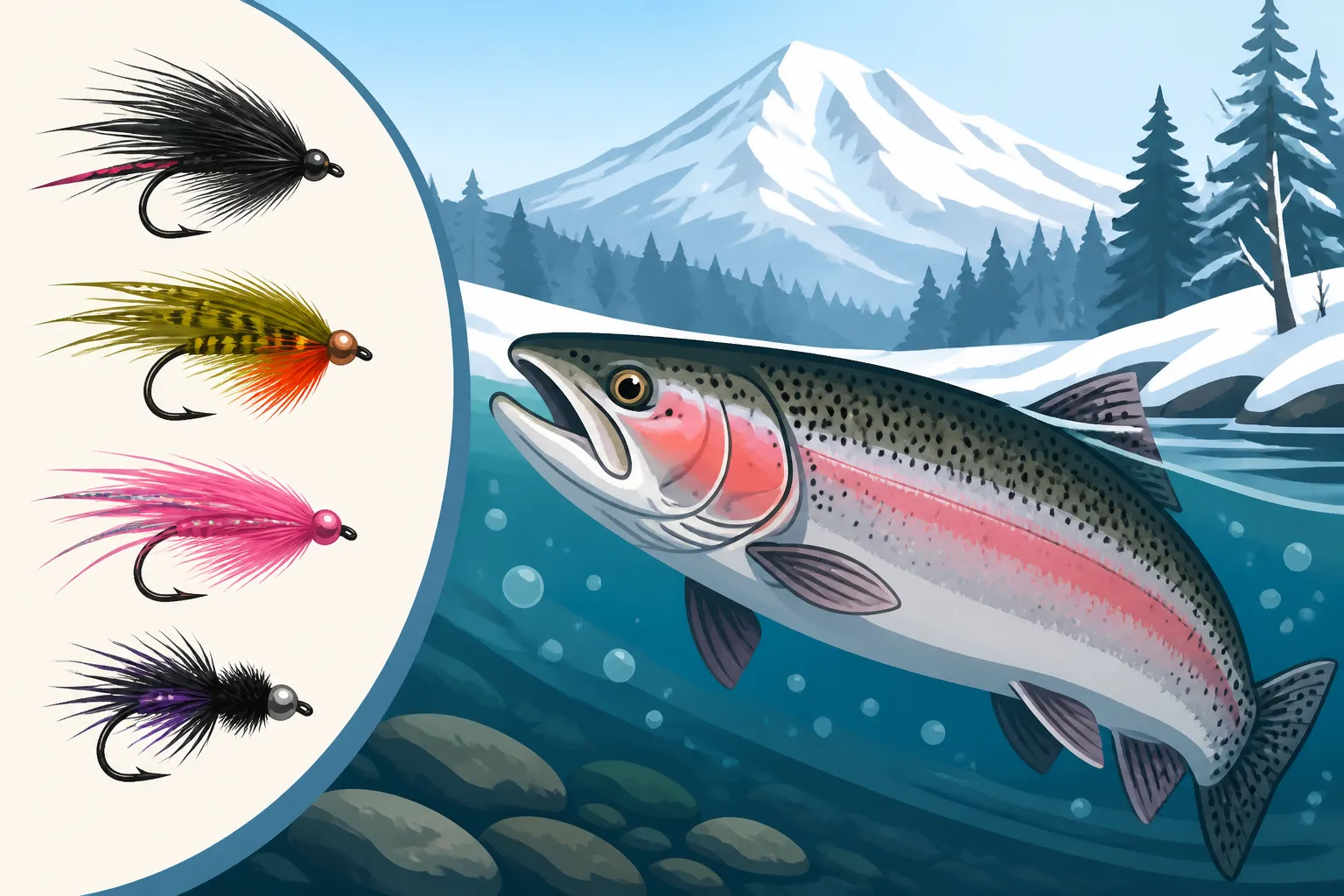
Intruders and Spey flies are, without a doubt, the workhorses of winter steelhead fly fishing, especially for anglers dedicated to two-handed rods and the swing. These patterns are designed to have a large profile, often incorporating synthetic materials, rabbit strips, and flashy elements, giving them an enticing movement in the water. The weight is built into the fly, often using coneheads, beadheads, or lead wire wrapped on the shank, which helps them sink rapidly in heavy currents.
The beauty of the Intruder lies in its ability to present a substantial, buggy profile that pushes water, making it highly visible and detectable even in turbid conditions. Colors can range from traditional blacks, purples, and blues, which create a strong silhouette in low light or stained water, to vibrant chartreuse, pink, and orange, which are absolute magnets in off-color or high water. When the fish aren't actively chasing, a slowly swinging Intruder, mimicking a large baitfish or a prominent invertebrate, can trigger a territorial strike or simply be too much for a cold, grumpy steelhead to ignore. Mastering Spey Casting in Washington and Who Should Try It will unlock the full potential of these amazing flies. Many fly tiers even buy their shanks and materials from reputable suppliers found on Amazon, making it easy to experiment with new color combinations.
Large Profile Leeches and Streamers
Beyond the specialized Intruders, a good selection of large, heavily weighted leech and general streamer patterns is absolutely critical. These flies are often simpler in construction but equally effective. Patterns like the "Dolly Llama," "Marabou Leech," or various "Articulated Leeches" fall into this category. What makes them so good for winter steelhead? Again, it comes down to profile, movement, and sink rate.
Leeches, with their sinuous, undulating motion, are a natural part of many river ecosystems, and steelhead, while not primarily feeding, will often react to their presence. The soft, breathable materials like marabou and rabbit fur create an illusion of life even when moving slowly. Streamers, on the other hand, often imitate baitfish or larger prey items. Both excel in off-color water where their bulk and dark profile (if tied in black or purple) can be easily seen. When tied with flash or in bright colors, they become high-visibility targets. These flies are versatile; they can be swung with a Spey rod, indicator nymphing with heavy split shot, or even stripped on a sink-tip line in slower pools. They provide a vital alternative when steelhead seem uninterested in the more intricate Intruder patterns.
Simple Egg and Nymph Patterns
While much of the winter steelhead focus is on large, flashy offerings, don't underestimate the power of smaller, more subtle patterns, particularly egg and nymph imitations. These are often forgotten by those solely focused on swinging large flies, but they can be absolutely deadly, especially in clear, low water conditions or when fish are holding in distinct pockets.
Egg patterns, typically tied with glo-bug yarn, can be incredibly effective when steelhead are staging near spawning salmon or when natural salmon eggs are present in the drift. They don't necessarily "match" anything the steelhead are actively feeding on, but they represent a high-calorie food source, and fish will often pick them up out of opportunism or even aggression. Colors like pink, orange, chartreuse, or even subtle cream can be deadly.
Nymphs, particularly larger stonefly patterns, can also be a game-changer. While steelhead aren't feeding on them in the same way a resident trout might, a large, dark stonefly nymph drifting past a steelhead's nose can sometimes trigger a strike, especially in colder, clearer water where the fish have more time to inspect. Patterns like the "Pat's Rubber Leg" or a "Prince Nymph" are excellent choices. These smaller patterns are often best fished under an indicator, allowing for precise depth control and a dead drift, which can be critical when fish are sluggish. They are a must-have for those times when the river is How Water Clarity Affects Steelhead Fishing in a way that makes large flies less effective.
Top Winter Steelhead Fly Patterns to Carry
Now that we've covered the categories, let's get down to the specific patterns that have earned their stripes on Washington's winter steelhead rivers. Having a selection of these in your fly box will prepare you for almost any scenario.
Classic Intruders and Their Variations
When we talk about Intruders, we're talking about a family of flies designed for maximum flash, movement, and water displacement. They're built on shanks, often with trailer hooks, and typically feature composite loops of materials like marabou, ostrich herl, flashabou, and various synthetic fibers.
- The Hoh Bo Spey: Named after Washington's iconic Hoh River, this is a legendary pattern. It often features a black or blue base, sometimes with purple, a prominent profile, and a conehead for weight. Its effectiveness lies in its ability to create a strong silhouette in the dark, often tannin-stained waters of the Olympic Peninsula rivers. It pushes a lot of water and has a seductive wiggle. You’ll find variations with rubber legs, different flash combinations, and even brighter "hot spots." It's a go-to for many Washington anglers when swinging for that big winter chrome.
- Fish Taco: Don't let the name fool you, this is a serious steelhead catcher. Often tied with a brighter, more aggressive color palette like pink, orange, or chartreuse, it's designed to be noticed in off-color or higher water conditions. It incorporates flash and highly mobile materials, giving it an irresistible action on the swing. It's particularly effective when fish are reacting more out of aggression due to increased water flows or when you simply need to make your fly stand out.
- Skagit Minnow: A fantastic choice for a more subtle, yet still impactful, Intruder. While it can be tied in bright colors, it's often seen in more natural tones like olive, black, or blue, giving it a baitfish-like appeal. It typically has a sleeker profile than some of the bushier Intruders but still moves beautifully in the current. This fly can be very effective in moderate water clarity or when fish are a bit pickier. Consider getting a few of these in different weights; you can find excellent starter kits or individual patterns on Amazon.
- The Morrison's Nightmare: This one is a more aggressive, often quite large, Intruder designed to push a significant amount of water. Usually tied with a good amount of flash and contrasting colors like black and blue, or even chartreuse and black, it aims to provoke a reaction. It's an excellent choice for big, pushy rivers like the Cowlitz or the Lewis, where getting noticed is half the battle.
These flies come in various sizes, generally from 1.5 to 3 inches in length. Having a range of sizes and weights is crucial. You might use a smaller, less weighted Intruder in slower water, and a large, heavily weighted one in fast, deep runs.
Go-To Leech Patterns for Winter
Leeches and general "buggy" streamers are simple, yet profoundly effective, especially when fish are tight-lipped or when you need something that just screams "food" or "irritant."
- Dolly Llama: This pattern is a legend across the Pacific Northwest. It's typically tied with a rabbit strip tail, a marabou body, and often a conehead or beadhead. The magic is in the rabbit strip, which pulsates and undulates with every subtle current shift, creating incredible lifelike movement. Black, purple, olive, and chartreuse are all essential colors. Many anglers swear by a black and blue Dolly Llama for those dark, moody winter days. It's fantastic for swinging but can also be dead-drifted or stripped if the situation calls for it.
- Marabou Leech: A simpler, often cheaper, but equally deadly option. These are often just a chenille or dubbed body with a flowing marabou tail and a beadhead or conehead. Their appeal is the incredible movement of the marabou in the water, mimicking a natural leech. They can be tied in a vast array of colors, but black, purple, and olive are key. Having some in brighter "hot" colors like cerise or chartreuse for high, off-color water is also a smart move. When How Water Clarity Affects Steelhead Fishing is compromised, a bright marabou leech can be the ticket.
- Intruder-Style Leech: This is essentially a hybrid—a leech pattern tied on an Intruder-style shank with a trailer hook. It combines the streamlined, undulating action of a leech with the added profile and sink rate of an Intruder. These often feature rubber legs for added movement and come in all the classic steelhead colors. They are fantastic when you want the benefits of both fly types.
Versatile Nymphs and Eggs
Don't neglect the smaller stuff! While the big, flashy flies get all the glory, sometimes a subtle approach with nymphs or egg patterns is exactly what a finicky winter steelhead needs, especially in clearer water or when they're stacked up in specific holding lies.
- Glo-Bug Egg: These are simple to tie and incredibly effective. Made from glo-bug yarn, they imitate salmon or steelhead eggs, which are a common food source in rivers with active spawning fish. Key colors include Oregon Cheese (orange), pink, chartreuse, and white. Size is important here—think dime to nickel size. Fish them individually or in a cluster, usually under an indicator with appropriate weight to get them down. This method is often described as How to Fish a Bobber and Jig for Steelhead but applied to a fly setup.
- Otter's Soft Milking Egg: A more realistic egg pattern, often tied with an inner "yolk" of a different color. This provides a more natural look and is excellent for clear water conditions where steelhead might be inspecting flies more closely.
- Pat's Rubber Leg: This is a classic stonefly nymph imitation that works for steelhead of all seasons, including winter. Its large, buggy profile and rubber legs provide a lot of movement and attraction. Black, brown, and olive are standard colors. It's heavily weighted, making it ideal for getting down to depth in deep runs. You can fish it as a single fly, or as the lead fly in a two-fly nymphing rig.
- Prince Nymph: Another classic that continues to produce. While often thought of as a trout fly, larger Prince Nymphs (size 6-10) can entice winter steelhead, especially those that might be keying in on larger aquatic insects. Its white biot wings and peacock herl body offer a distinct profile.
- Stonefly Nymphs: A variety of other large stonefly nymphs, often tied with beadheads and heavy wire, can be effective. Think about patterns that mimic the local stonefly species, or simply go for a generic dark, segmented body with noticeable wing cases and rubber legs. These are best fished on a dead drift, often with an indicator, mimicking a dislodged insect. You might find a good selection of these tying materials on Amazon, too.
Remember to vary your sizes. While winter steelhead flies are generally larger than summer trout flies, having a range from a subtle size 8 nymph up to a 3-inch Intruder will cover most situations.
Here’s a quick overview of some top patterns and their typical uses:
| Fly Pattern | Category | Key Features | Best Conditions | Why It Works |
|---|---|---|---|---|
| Hoh Bo Spey | Intruder | Large profile, conehead, mobile materials | Stained to clear water, moderate to fast flow | Strong silhouette, lifelike movement, pushes water |
| Fish Taco | Intruder | Bright colors (pink, chartreuse), flash, large | Off-color, high water, aggressive fish | High visibility, triggers aggression |
| Skagit Minnow | Intruder | Sleek profile, varied weights | Clear to slightly stained water, moderate flow | Baitfish imitation, subtle movement |
| Dolly Llama | Leech/Streamer | Rabbit strip tail, marabou body, conehead | All water conditions, especially effective in stained | Incredible lifelike action, strong profile |
| Marabou Leech | Leech/Streamer | Marabou tail, beadhead, simple construction | All water conditions, versatile | Pulsating action, good sink rate, highly visible |
| Glo-Bug Egg | Egg Pattern | Yarn construction, bright colors | Near spawning grounds, clear to stained water | Imitates salmon/steelhead eggs, opportunistic strike |
| Pat's Rubber Leg | Stonefly Nymph | Large, buggy, rubber legs, heavily weighted | Clear to slightly stained water, deep runs | Mimics large aquatic insects, gets deep quickly |
| Prince Nymph | Nymph | Biot wings, peacock herl, beadhead | Clear water, subtle presentations | General insect imitation, distinct profile |
Presenting Your Flies Effectively for Washington Steelhead
Having the right fly patterns is only half the battle. How you present them to winter steelhead is equally, if not more, important. These fish are often holding in specific lies, conserving energy, and won't move far for a meal. Your presentation needs to be spot-on. Understanding Drift Fishing for Steelhead in Washington Rivers with a fly rod takes practice, but it's incredibly rewarding.
The Art of the Swing
The swing is arguably the most iconic and effective presentation for winter steelhead, particularly when using Intruders, Spey flies, and larger streamers. It involves casting across or slightly downstream and allowing the current to swing your fly through the steelhead's holding lie. The key is to control the speed and depth of this swing.
To execute a good swing, you'll typically use a Spey rod or a single-hand rod with a sink-tip line. Cast your fly to the desired spot, mend your line upstream (or downstream, depending on the current and desired speed) to control the swing, and then allow the current to take over. The fly should move broadside through the run, perpendicular to the current, mimicking an injured baitfish or a struggling invertebrate. The grab often comes as the fly slows down at the end of the swing, or as it begins to rise in the water column. The trick is to keep your rod tip pointed at the fly, maintaining a slight angle to the current, which allows the fly to swim naturally and helps detect those subtle takes. Fishing for Fly Fishing Techniques for Winter Steelhead in Washington often centers around this method. Experiment with different angles and mends to vary the speed of your fly; sometimes a fast, aggressive swing works, other times a slow, methodical crawl is the ticket.
Nymphing Techniques for Deeper Runs
While the swing is king for many, indicator nymphing is an incredibly powerful and often underutilized technique for winter steelhead, especially in Washington's deeper, slower pools or when fish are concentrated in specific holding pockets. This method ensures your fly is presented right in the fish's face, at their depth, for an extended period.
Indicator nymphing for steelhead involves suspending your fly (or flies) under a strike indicator with sufficient weight (split shot or a heavily weighted fly) to get them down to the bottom quickly. You cast upstream and allow the flies to drift naturally downstream, matching the speed of the current. The goal is a completely drag-free drift. This means constantly mending your line to eliminate any drag caused by varying current speeds. When the indicator dips, pauses, or moves unnaturally, it’s time to set the hook. This technique is particularly effective with egg patterns, stonefly nymphs like Pat's Rubber Leg, or even smaller, weighted Intruders. It allows you to cover water meticulously and present your offering slowly in front of sluggish fish. Getting the Leader Length for Clear Water Steelhead in Washington just right is crucial for a natural drift when nymphing. Many anglers find the best selection of indicators and specialized nymphing lines on Amazon.
Reading the Water for Winter Steelhead Holds
No matter how perfect your fly pattern or presentation, it's all for naught if you're not putting your fly where the fish are. Winter steelhead are masters of energy conservation and will seek out specific lies. Understanding Reading Water for Bank-Fishing Salmon can be adapted to steelhead, helping you identify these key areas.
Look for areas with slower current adjacent to faster flows, often referred to as "seams." These allow fish to rest while still having access to moving water. Deep pools, especially those with some overhead cover or structure like submerged logs or large rocks, are prime holding water. The tail-outs of pools, where the water begins to speed up again, can also be excellent, as fish will stage there before moving upstream.
Another critical area is the "soft spot" behind any major current break. This could be a large boulder, a log jam, or an abrupt change in the riverbed. Steelhead will tuck into these areas to escape the main current, waiting for an opportune moment to move or to intercept a passing food item. During high water, they'll often move to the very edges of the river, into slower back channels or flooded grassy banks, seeking refuge from the overwhelming current. Conversely, in low, clear water, they'll hug the deepest, darkest sections of the river. Take your time, observe the water, and try to think like a steelhead – where would you conserve energy and feel safe in these conditions?
Disclaimer
Fishing conditions and regulations in Washington are subject to change without notice, especially with emergency rule changes. Always consult the latest Washington Department of Fish and Wildlife (WDFW) regulations pamphlet and emergency rule updates before heading out on the water. This guide is for informational purposes only and does not supersede official regulations.